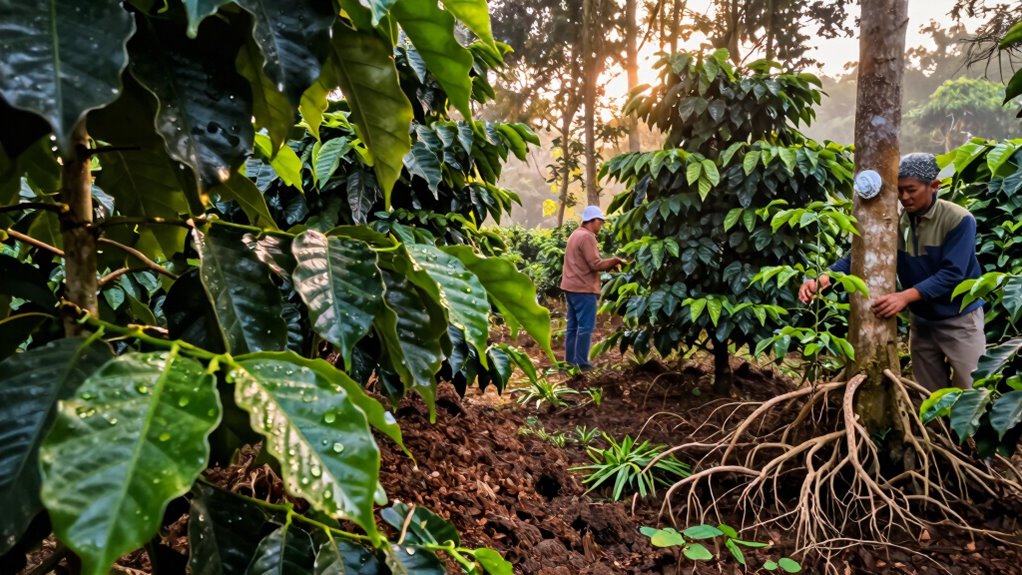

Regenerative agriculture entered coffee conversations as awareness grew about the environmental and economic impacts of traditional farming. Farmers, industry leaders, and consumers started prioritizing sustainable practices that restore soil health, biodiversity, and resilience. This shift was driven by the desire for better quality coffee and a healthier planet. As more people recognized the benefits, regenerative methods became central to the industry’s future. Keep exploring to discover how this movement is transforming coffee cultivation for the better.

Get coffee and tea gear delivered free with Prime
- Fast, free delivery on millions of items
- Prime Video, Amazon Music and more included
- Member-only deals all year
Key Takeaways
- Growing awareness of environmental issues in agriculture prompted the shift toward regenerative practices in coffee farming.
- Consumer demand for sustainable and ethically produced coffee increased industry focus on regenerative methods.
- Industry leaders and organizations began promoting regenerative agriculture as a solution for resilient coffee production.
- Scientific research highlighted soil health benefits, integrating regenerative principles into coffee cultivation discussions.
- The narrative evolved from sustainability to regeneration, emphasizing land healing and ecosystem restoration in coffee talks.
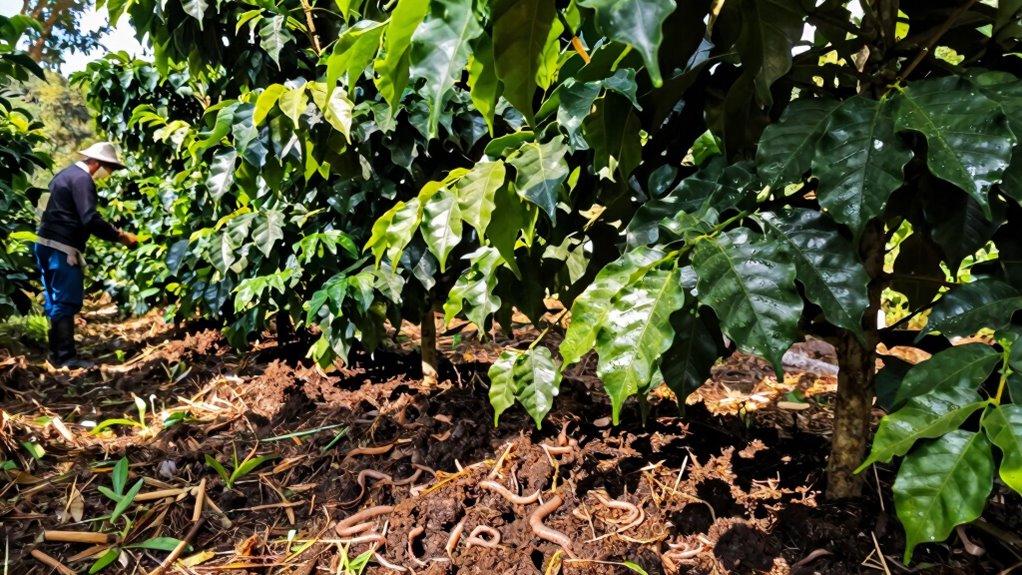
Regenerative agriculture is transforming the way we grow coffee by focusing on restoring soil health, enhancing biodiversity, and building resilient farming systems. For years, traditional coffee farming often relied on methods that degraded the land, leading to poorer yields and environmental issues. But as awareness of environmental impact grew, farmers and consumers alike started paying more attention to sustainable practices. That’s when regenerative agriculture entered coffee conversations, shifting the focus toward methods that heal the land rather than harm it.
You might notice that much of this shift centers on improving soil health. Healthy soil isn’t just about fertility; it’s about creating a vibrant ecosystem that supports coffee plants naturally. When farmers adopt regenerative practices, they often reduce or eliminate chemical inputs, instead opting for cover cropping, composting, and minimal tillage. These practices help increase organic matter, boost microbial activity, and improve water retention. As a result, the soil becomes more resilient to droughts and pests, which benefits the crop and the environment. It’s a shift from simply managing pests or nutrients to actively nurturing the land beneath your feet. Additionally, regenerative practices promote soil resilience, making farms better prepared for climate challenges. Incorporating soil health principles can significantly strengthen the entire farming ecosystem. Farmers adopting these methods often see improvements in crop yields, which further encourages the shift toward regenerative agriculture.
Healthy soil supports coffee plants naturally through regenerative practices that boost organic matter and resilience.
Farmer practices play a crucial role in this transition. Many farmers are experimenting with techniques like crop rotation, agroforestry, and compost application, which contribute to building resilient systems. These practices aren’t just good for the land—they’re good for the farmers’ bottom line, too. Over time, healthier soils lead to more consistent yields and better cup quality, which appeals to eco-conscious consumers. Plus, regenerative methods often require fewer inputs, reducing costs and increasing profitability. As farmers see these benefits, regenerative agriculture becomes more than just a buzzword; it becomes a practical, profitable approach. Adopting regenerative techniques is increasingly viewed as essential for long-term sustainability in coffee farming.
The conversation around coffee and regenerative agriculture also gained momentum because of consumer demand. People want to buy coffee that’s produced ethically, sustainably, and in harmony with nature. This consumer interest pushes farmers and companies to adopt regenerative practices, which are increasingly seen as a way to future-proof coffee production. The dialogue has shifted from mere sustainability to regeneration—actively improving the land rather than just minimizing harm. This change is supported by the growing awareness of environmental impact and the importance of soil health in agriculture. It’s clear that regenerative agriculture isn’t just a trend; it’s a vital approach for a resilient, sustainable coffee industry.
You’re part of this movement, whether by choosing coffee produced with regenerative practices or by supporting farms and brands committed to soil health and innovative farmer practices. As more conversations about coffee and regeneration happen, it’s clear that this approach promises a healthier planet and better coffee for everyone.
organic coffee beans regenerative farming
As an affiliate, we earn on qualifying purchases.
As an affiliate, we earn on qualifying purchases.
Frequently Asked Questions
How Does Regenerative Agriculture Directly Impact Coffee Flavor Profiles?
Regenerative agriculture directly impacts coffee flavor profiles by improving soil health and boosting microbial diversity. Healthier soil leads to better nutrient availability, which enhances bean development. Increased microbial diversity promotes natural nutrient cycling, resulting in more complex and vibrant flavors. As you adopt regenerative practices, you’ll notice your coffee’s aroma, acidity, and overall taste become richer and more nuanced, reflecting the healthier ecosystem your coffee plants thrive in.
Are All Coffee Farms Suitable for Regenerative Practices?
Not all coffee farms are suitable for regenerative practices. Imagine a small farm surrounded by lush forests, thriving with biodiversity conservation. Such farms can enhance soil health and foster biodiversity, making regenerative methods effective. However, in highly degraded or heavily industrialized farms, implementing regenerative practices may be more challenging without significant initial investments. Tailoring approaches to each farm’s unique conditions guarantees better success with regenerative agriculture.
What Are the Initial Costs of Transitioning to Regenerative Agriculture?
The initial costs of shifting to regenerative agriculture involve a thorough cost analysis, including investments in new equipment, soil health improvements, and training. You might face investment challenges, as upfront expenses can be higher than conventional methods. However, these costs can be offset over time through increased yields, better resilience, and premium prices for sustainably grown coffee. Being prepared for these initial expenses helps guarantee a smoother switch.
How Long Does It Take to See Environmental Benefits From Regenerative Methods?
You’ll start seeing environmental benefits from regenerative methods within a few years. As you improve soil carbon, it enhances soil health and sequesters more carbon dioxide. Better water retention reduces runoff and drought stress, which becomes noticeable over time. While some changes happen quickly, like increased water retention, significant soil carbon increases and overall ecosystem improvements typically take three to five years, depending on your practices and local conditions.
Do Regenerative Practices Increase Coffee Yield or Quality?
Regenerative practices can boost both coffee yield and quality over time. By improving soil health through composting and cover cropping, you enhance nutrient availability, leading to healthier plants and better beans. Additionally, natural pest management reduces reliance on chemicals, fostering a balanced ecosystem. As a result, your coffee plants become more resilient, producing higher yields with richer flavors, ultimately benefiting both the environment and your harvest.
Conclusion
Just like a gardener tends to their plants, embracing regenerative agriculture nurtures the future of coffee. By choosing practices that restore the soil and increase biodiversity, you become part of a cycle that benefits farmers, ecosystems, and your morning brew. Every sip is a seed of change, planting hope in degraded lands. Together, we can cultivate a world where coffee grows stronger and more resilient—turning your daily ritual into a powerful act of renewal.
Halloween Picks
halloween
As an affiliate, we earn on qualifying purchases.