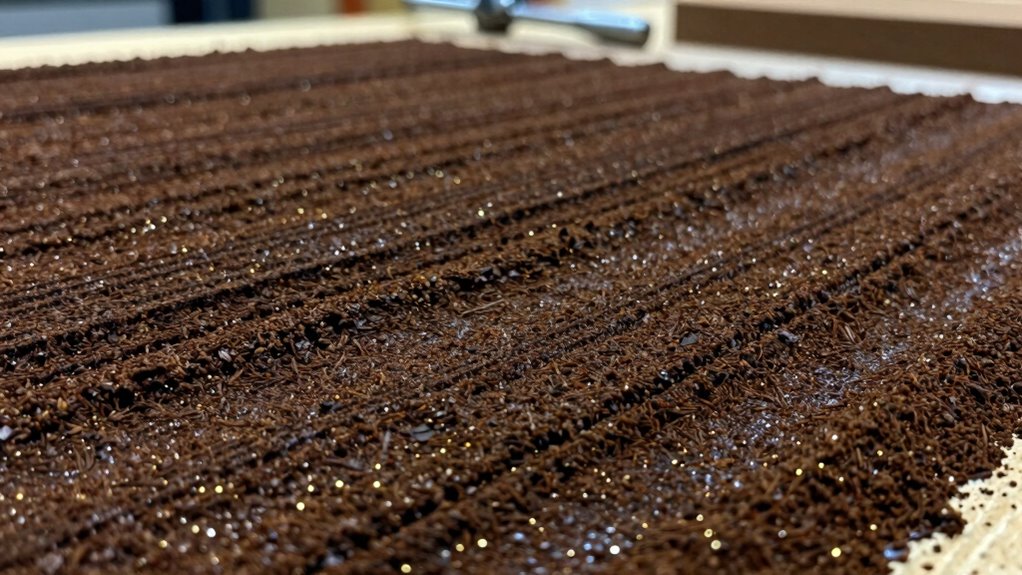

You see, coffee waste has become a promising material innovation by transforming discarded coffee grounds into sustainable packaging. Companies extract valuable components like fibers and oils to create biodegradable, eco-friendly materials that break down naturally, reducing pollution. This shift supports circular economy principles by reusing waste and cutting reliance on plastics. As more businesses adopt these solutions, they turn environmental challenges into opportunities. Keep exploring to discover how this innovative movement continues to grow and impact industries worldwide.
Key Takeaways
- Coffee waste is repurposed into biodegradable packaging, transforming a disposal problem into a sustainable resource.
- Extraction of coffee oil and fibers enables creation of eco-friendly bioplastics for diverse packaging applications.
- Industry innovation leverages abundant coffee grounds, promoting circular economy principles and reducing plastic reliance.
- The development process emphasizes scalable, commercially viable methods for environmentally responsible packaging.
- This shift exemplifies creative waste management, turning coffee byproducts into eco-conscious materials that benefit the environment and economy.
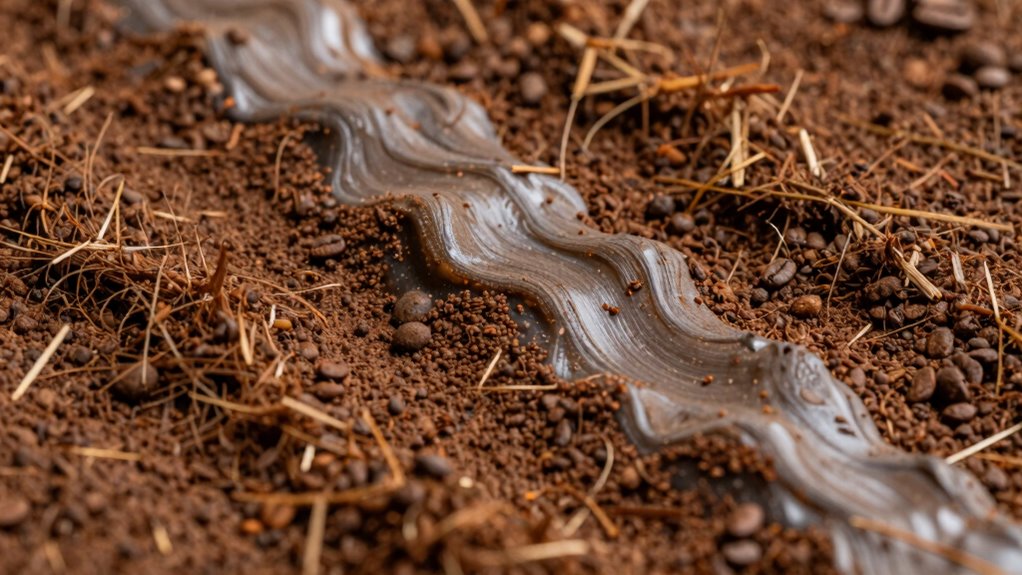
Every day, tons of coffee waste are discarded worldwide, but this overlooked material holds incredible potential for innovation. Instead of ending up in landfills, coffee grounds can be transformed into sustainable packaging solutions that support a circular economy. You might wonder how something so simple can make a significant impact, but the answer lies in reimagining waste as a resource. By repurposing coffee waste, you contribute to reducing environmental footprints while promoting a more sustainable approach to manufacturing and consumption.
Transforming coffee waste into sustainable packaging supports a circular economy and reduces environmental impact.
The concept of sustainable packaging is gaining momentum, and coffee waste plays a crucial role in this shift. Imagine packaging materials derived from coffee grounds that are biodegradable and eco-friendly. These materials break down naturally, minimizing pollution and waste accumulation. By integrating coffee waste into packaging design, you not only utilize a renewable resource but also help lessen reliance on plastics, which are notorious for their long-lasting presence in ecosystems. This approach aligns perfectly with the principles of a circular economy, where materials are reused, recycled, and kept in use for as long as possible. Additionally, advances in material innovation enable more efficient extraction processes, making coffee waste-based materials increasingly viable for commercial use. The expanding interest in sustainable materials further supports this transition toward eco-conscious alternatives.
Transforming coffee waste into packaging involves innovative processes that extract valuable components from the grounds. For example, coffee oil and fibers can be incorporated into bioplastics, creating durable yet eco-conscious packaging options. These materials can be customized for various uses, from food containers to protective wraps, ensuring that you’re reducing single-use plastics and supporting sustainability. Moreover, because coffee grounds are abundant and readily available, scaling up production becomes feasible, making this solution accessible and economically viable. Utilizing waste as a resource exemplifies how industries can turn environmental challenges into opportunities for growth and innovation.
The shift toward using coffee waste in packaging exemplifies how industries can embrace circular economy principles. Instead of viewing waste as a problem, you see it as an opportunity—an input for creating new, sustainable products. This mindset encourages innovation, reduces environmental impact, and fosters responsible consumption. As more companies adopt coffee-based packaging, you’re part of a movement that prioritizes resource efficiency and waste reduction, ultimately helping to close the loop on material use.
In the end, coffee waste’s journey from discarded leftovers to a material innovation underscores the power of rethinking waste management. It shows that with creativity and commitment, you can turn a problematic byproduct into a sustainable solution that benefits both the planet and the economy. Supporting this shift means championing products that are not only functional but also environmentally responsible, paving the way for a greener, more circular future. Recognizing the importance of waste as a resource can inspire more sustainable innovations across industries.
biodegradable coffee grounds packaging
As an affiliate, we earn on qualifying purchases.
As an affiliate, we earn on qualifying purchases.
Frequently Asked Questions
How Sustainable Is Coffee Waste Collection Worldwide?
You might find that coffee waste collection’s sustainability varies globally. While it helps reduce environmental impact, recycling challenges like contamination and infrastructure gaps still exist. Some countries implement effective collection systems, but others struggle with waste management practices. Overall, increasing awareness and technology can improve the sustainability of coffee waste collection worldwide, turning a byproduct into valuable materials and minimizing environmental harm.
What Industries Are Most Adopting Coffee Waste-Based Materials?
Like explorers discovering new lands, industries are keenly adopting coffee waste-based materials. The fashion sector leads this charge, transforming coffee waste into eco-friendly textiles that feel soft as a cloud. Packaging, furniture, and even automotive industries follow suit, using coffee waste for sustainable materials that reduce environmental impact. Your awareness of material innovation highlights how coffee waste is becoming a versatile resource across multiple industries.
Are There Any Health Risks With Coffee Waste-Derived Products?
You don’t need to worry much about health concerns or chemical risks with coffee waste-derived products, as they’re generally safe when properly processed. Manufacturers typically treat the waste to eliminate potential contaminants, ensuring minimal health risks. However, it’s wise to check product labels and standards, especially if you have allergies or sensitivities, because improper processing could lead to residual chemical concerns. Overall, these eco-friendly materials are safe for everyday use.
How Does Coffee Waste Compare Cost-Wise to Traditional Materials?
You’ll find that coffee waste generally costs less than traditional materials, thanks to its abundant availability and low processing expenses. Conducting a thorough cost analysis reveals its competitive edge, especially for sustainable products. As market potential for eco-friendly materials grows, coffee waste offers a promising, cost-effective alternative for industries seeking innovation and sustainability, making it a smart choice for businesses aiming to reduce costs while tapping into a rising market.
What Are Future Innovations in Coffee Waste Material Applications?
Future innovations in coffee waste applications will focus on improving biodegradability and addressing scalability concerns. You might see biodegradable packaging and sustainable textiles made from coffee waste, but overcoming biodegradability challenges remains essential for environmental impact. Scalability concerns also need solutions so these innovations can be produced efficiently at a larger scale. As technology advances, expect more eco-friendly, cost-effective materials transforming coffee waste into versatile, sustainable products.
Conclusion
Now, imagine turning what’s left behind into a vibrant tapestry of possibility, each coffee husk whispering stories of sustainability and ingenuity. As you witness this transformation, you become part of a movement where waste blooms into wonder—a phoenix rising from the ashes of discarded beans. With every innovative step, you’re weaving a future where coffee’s journey doesn’t end in trash but sparks a brilliant, eco-friendly revolution, echoing hope with every new creation.