
Research indicates that drinking 3 to 4 cups of coffee daily can protect your heart, but individual responses vary based on genetics and physiology. If you’re a slow metabolizer, you might experience more noticeable effects on your heart rate and blood pressure, while fast metabolizers may have minimal changes. Staying within moderate amounts generally benefits healthy people, but too much can cause issues. Continue exploring to understand how personalized factors influence coffee’s impact on your heart health.
Key Takeaways
- Moderate coffee intake (3–4 cups daily) is generally associated with neutral or protective effects on heart health.
- Excessive caffeine consumption can increase heart rate, blood pressure, and risk of palpitations.
- Individual genetic differences in caffeine metabolism influence the cardiovascular response to coffee.
- Heart rate variability may be affected by coffee dose, impacting autonomic regulation and cardiovascular risk.
- Personalized caffeine consumption, guided by individual responses and wearable tech, optimizes heart health outcomes.

Many people enjoy coffee daily, but there’s often debate about its effects on heart health. If you’re a coffee drinker, it’s essential to understand how caffeine influences your body, especially regarding caffeine metabolism and heart rate variability. These factors play a crucial role in determining whether coffee has beneficial or adverse effects on your heart.
Caffeine metabolism varies considerably from person to person, primarily due to genetic differences. Some individuals process caffeine quickly, while others do so more slowly. If you metabolize caffeine rapidly, the stimulant’s effects, including increased alertness, tend to be shorter-lived, and your body clears caffeine more efficiently. Conversely, slow metabolizers may experience prolonged stimulation, which could lead to heightened heart rate and greater fluctuations in heart rate variability. This variability reflects how your heart adapts to stress, and substantial changes can sometimes signal increased cardiovascular risk.
As you consume coffee, caffeine stimulates your central nervous system, often leading to a temporary rise in heart rate. While this increase is usually modest, it varies based on your metabolism and the amount of caffeine consumed. For some, especially those with slower caffeine metabolism, this can translate into noticeable changes in heart rate and blood pressure. Over time, these fluctuations influence your heart rate variability, a key marker of autonomic nervous system function. Reduced heart rate variability has been linked to higher cardiovascular risk, but moderate coffee intake may not have such harmful effects in healthy individuals.
Research shows a dose-response relationship between coffee consumption and heart health outcomes. Drinking a moderate amount—roughly 3 to 4 cups daily—appears to be associated with a neutral or even protective effect for many people. Yet, consuming too much caffeine can lead to negative effects, such as increased heart rate, palpitations, or elevated blood pressure, especially in sensitive individuals. Your genetic makeup, caffeine metabolism rate, and baseline heart health influence where your ideal intake level lies.
Understanding your body’s response is essential. If you notice that coffee causes you to feel jittery, experience rapid heartbeat, or disrupts your heart rate variability, it’s wise to cut back. Monitoring how your heart responds to caffeine—perhaps with a wearable device—can help you tailor your coffee intake to support your heart health. Remember, the relationship isn’t one-size-fits-all; it’s about finding the right balance based on your unique physiology. By paying attention to how caffeine affects your heart rate and variability, you can enjoy coffee while minimizing potential risks and supporting your overall cardiovascular well-being.
Additionally, advances in healthcare technology are making it easier to personalize dietary choices based on individual responses, which can be especially valuable for those with unique genetic profiles and health considerations.

Zeacool Fitness Tracker with 24/7 Heart Rate, Blood Oxygen Blood Pressure Sleep Monitor, Activity Trackers 5 ATM Waterproof,Step Calorie Counter Pedometer Health Smart Watch for Women Men Pink
24/7 Heart Rate Monitor :This blood pressure watch supports real-time dynamic heart rate, blood oxygen, blood pressure ,Sleep…
As an affiliate, we earn on qualifying purchases.
As an affiliate, we earn on qualifying purchases.
Frequently Asked Questions
How Does Coffee Affect Blood Pressure Over Time?
You might notice that coffee can cause a temporary spike in your blood pressure, but over time, caffeine tolerance develops, reducing this effect. Regular coffee drinkers often experience less blood pressure variability, as your body adapts. However, if you’re sensitive to caffeine, you could still see fluctuations. It’s important to monitor how your blood pressure responds to coffee, especially if you have hypertension or other heart concerns.
Are There Differences in Heart Health Benefits Between Caffeinated and Decaffeinated Coffee?
Like comparing apples to oranges, caffeinated and decaffeinated coffee offer different heart health benefits. Caffeinated coffee provides antioxidants and boosts alertness but may cause caffeine withdrawal symptoms and raise blood pressure in some. Decaffeinated benefits include fewer caffeine-related risks while still delivering antioxidants. Your choice depends on your sensitivity to caffeine; both can be part of a heart-healthy diet, but moderation is key.
What Is the Optimal Coffee Consumption Level for Heart Health?
You should aim for about 3-4 cups of coffee daily for heart health benefits. Moderate intake offers decaffeinated advantages like reduced caffeine side effects, while brewing variations can influence antioxidant levels. Be mindful of your body’s response and avoid excessive consumption. Balancing your coffee intake helps maximize heart benefits without risking negative effects, so enjoy your coffee in moderation tailored to your preferences and health needs.
Does Brewing Method Influence Coffee’s Impact on the Heart?
Brewing techniques definitely influence coffee’s impact on your heart by altering flavor extraction and chemical composition. For instance, methods like French press or espresso extract more oils and cafestol, which can raise cholesterol levels, while drip brewing filters out some of these compounds. Choosing your brewing method carefully allows you to enjoy coffee’s flavor while minimizing potential cardiovascular risks, making your cup both delicious and heart-friendly.
How Do Individual Genetics Modify Coffee’s Effects on Cardiovascular Risk?
Your genetic variation can considerably influence how coffee affects your cardiovascular risk. Some genes impact caffeine metabolism, making you more sensitive or tolerant to its effects. Recognizing these differences allows you to receive personalized recommendations on coffee intake, helping you manage heart health better. By understanding your unique genetic profile, you can enjoy coffee responsibly while minimizing potential risks and maximizing its benefits for your cardiovascular system.

AffinityDNA DNA Test for Caffeine Metabolism | CYP1A2 Gene | at Home Cheek Swab Sample Collection Kit | Results in 7-10 Working Days | No Extra Fees
ACCURATE DNA TEST: The genetic analysis examines the CYP1A2 gene. The test evaluates the speed of metabolisation of…
As an affiliate, we earn on qualifying purchases.
As an affiliate, we earn on qualifying purchases.
Conclusion
So, after all this, it seems your daily coffee ritual might just be a paradoxical hero for your heart. Who would’ve thought that a simple brew could both energize and potentially protect you? Irony isn’t lost here—your favorite cup, often blamed for woes, might actually be your heart’s unlikely ally. Keep sipping, but maybe do it with a little more awareness: your heart might thank you in ways you never expected. Cheers to that unexpected twist!
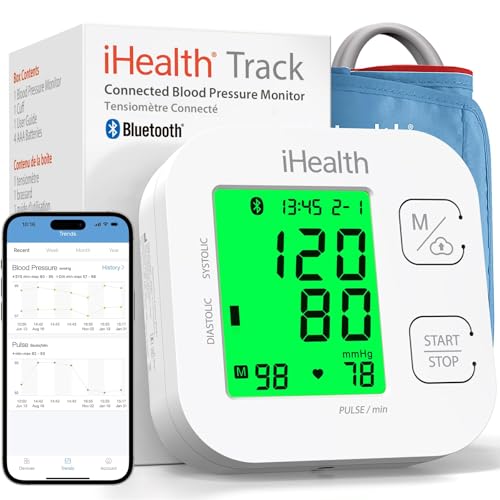
iHealth Track Smart Upper Arm Blood Pressure Monitor with Wide Range Cuff That fits Standard to Large Adult Arms, Bluetooth Compatible for iOS & Android Devices
Clinically Accurate: Easy Operation by two buttons, Advanced Accuracy, No Calibration required.
As an affiliate, we earn on qualifying purchases.
As an affiliate, we earn on qualifying purchases.

Garmin HRM 200 Heart Rate Monitor, Accurate Heart Rate and HRV Data, Comfortable Machine Washable Strap, M-XL
The HRM 200 heart rate monitor transmits accurate real-time heart rate and heart rate variability data to compatible…
As an affiliate, we earn on qualifying purchases.
As an affiliate, we earn on qualifying purchases.