During pregnancy, it’s safest to keep your caffeine intake under 200 milligrams a day, found in about one 12-ounce cup of coffee. Limiting caffeine helps protect your baby’s development and reduces risks like low birth weight or miscarriage. Be mindful of other sources like tea, energy drinks, and chocolate. If you want to learn more about managing your caffeine and choosing healthy alternatives, there’s useful information ahead.
Key Takeaways
- Pregnant women should limit caffeine intake to no more than 200 mg daily.
- Caffeine crosses the placenta, affecting fetal growth and development.
- Coffee’s caffeine content varies; brewing methods influence levels.
- Gradually reducing caffeine helps prevent withdrawal symptoms during pregnancy.
- Consult healthcare providers for personalized guidance on safe caffeine limits.

Mommee Coffee Decaf Ground Low Acid Coffee – 100% Arabica Organic Decaf Coffee Beans with Smooth Caramel Flavor – Medium Grind for Drip, Reusable One Cup Filters – 11 oz
Enjoy full flavor coffee without the guilt! Decaf Ground Coffee is naturally decaffeinated and doesn't sacrifice flavor, so…
As an affiliate, we earn on qualifying purchases.
As an affiliate, we earn on qualifying purchases.
Understanding Caffeine and Its Sources

Caffeine is a natural stimulant that affects your central nervous system, and it’s found in many common beverages and foods. Coffee is the most well-known source, but it’s not the only one. You’ll find caffeine in tea, energy drinks, chocolate, and some medications. If you want to cut back, decaffeinated options can help, though they still contain small amounts of caffeine. Herbal teas are another good alternative because they are typically caffeine-free and soothing. Knowing your sources is key to managing your intake during pregnancy. While some foods and drinks seem harmless, they can add up quickly. Being aware of caffeine’s presence helps you make better choices to keep yourself and your baby safe. Understanding caffeine content can help prevent exceeding recommended limits during pregnancy. Additionally, understanding brewing methods can influence the caffeine levels in your coffee, as different preparations extract varying amounts of caffeine.

Twinings 48 Tea Bags Herbal Variety Pack – 12 Herbal Flavors, Caffeine-Free, Individually Wrapped, Perfect Tea for Any Occasion
Twinings 48pcs Herbal Tea Bag Variety Pack: Enjoy 48 herbal tea bags in 12 unique flavors. Herbal teas…
As an affiliate, we earn on qualifying purchases.
As an affiliate, we earn on qualifying purchases.
Current Recommendations for Caffeine Intake During Pregnancy

You should be aware of the official caffeine limits recommended during pregnancy, which generally advise staying below 200 milligrams per day. These guidelines often vary depending on the trimester, as your body’s needs and risks change. Experts agree that monitoring your caffeine intake helps guarantee a safer pregnancy for both you and your baby. Additionally, understanding Vetted – Flat Iron Bike can be beneficial for overall health awareness. Staying informed about environmental considerations related to your lifestyle can also support a healthy pregnancy. Being mindful of dietary choices and how they interact with your caffeine consumption can further optimize prenatal health. Moreover, some studies suggest that breakfast delivery options can provide nutritious alternatives to high-caffeine beverages, promoting better maternal health.
Official Caffeine Limits
Health authorities generally recommend that pregnant women limit their caffeine intake to no more than 200 milligrams per day. This guideline helps reduce risks associated with high caffeine consumption, such as miscarriage or low birth weight. If you find it hard to cut back, decaffeinated options can be helpful, offering the flavor without the caffeine. Be mindful, though, that some decaf drinks still contain small amounts of caffeine. If you experience caffeine withdrawal symptoms like headaches or irritability, try gradually reducing your intake to ease the transition. Remember, staying within the recommended limit supports your health and your baby’s development. Additionally, being aware of caffeine content in various beverages can help you better manage your intake. Monitoring your daily caffeine consumption can aid in staying within safe limits. Using headphones with clear audio can help you enjoy your favorite music or podcasts without disturbing others, especially during quiet moments. Stick to this guideline, and you’ll help ensure a safer pregnancy while still enjoying your favorite coffee moments.
Variations by Trimester
During pregnancy, recommended caffeine limits can vary depending on the trimester, reflecting changing nutritional needs and potential risks. In the first trimester, you should keep caffeine intake below 200 mg daily to reduce the risk of caffeine withdrawal symptoms and pregnancy cravings that could lead to overeating. In the second trimester, your threshold remains similar, but some women find it easier to manage cravings without excess caffeine. By the third trimester, your body processes caffeine more slowly, so sticking to 200 mg helps prevent sleep disturbances and elevated blood pressure. Here’s a quick overview:
| Trimester | Recommended Caffeine Limit |
|---|---|
| First | ≤200 mg |
| Second | ≤200 mg |
| Third | ≤200 mg |
Adjusting intake helps you balance cravings, avoid withdrawal, and support a healthy pregnancy. Additionally, understanding how caffeine metabolism changes during pregnancy can help you make more informed choices about your caffeine consumption, especially considering that metabolic rate tends to slow down in later stages.
Expert Recommendations
Experts generally recommend that pregnant women limit their caffeine intake to no more than 200 milligrams per day. This guideline includes all sources, from coffee to decaffeinated tea and herbal infusions. While decaffeinated tea has less caffeine, it still contains small amounts, so moderation is key. Herbal infusions, such as chamomile or peppermint, are often caffeine-free options, but you should check ingredients to ensure they’re safe during pregnancy. Staying within the 200-milligram limit helps reduce risks of miscarriage, preterm birth, and other complications. Additionally, being aware of caffeine content in various beverages can help you make informed choices. Monitoring your caffeine intake throughout the day can prevent accidental overconsumption. Understanding sound design principles can also be useful in understanding how subtle cues influence perception, much like how small caffeine amounts can have significant effects. For example, some studies suggest that certain sound vibrations may have calming effects, which could be beneficial during pregnancy. If you’re unsure about the caffeine content in your favorite drinks, consult your healthcare provider. Remember, it’s better to be cautious and prioritize your and your baby’s health during this important time. For additional guidance, consider reviewing Vetted – Best Dog & Pets resources to ensure comprehensive health awareness.

Boobie Hydromom Superfood Electrolyte Drink Mix, Blue Raspberry Lemonade | Refreshing Energy & Hydration Boost for Mamas | On-The-Go & Travel Essentials for Pregnancy, Lactation, & Beyond, 15 Packets
Say Hello to Hydration: Get hydrated and stay energized with the refreshing flavor of our blue raspberry lemonade…
As an affiliate, we earn on qualifying purchases.
As an affiliate, we earn on qualifying purchases.
How Caffeine Affects Fetal Development

Caffeine crosses the placenta easily, meaning it reaches your developing fetus and can influence its growth. It can interfere with fetal brain development by disrupting the formation of neural connections, which are essential for cognitive functions later in life. Additionally, caffeine can constrict placental blood flow, reducing the supply of oxygen and nutrients your baby needs. This decreased blood flow may slow growth and increase the risk of low birth weight. While small amounts might not cause noticeable issues, excessive caffeine intake can have more serious effects on your baby’s development. Being mindful of your caffeine consumption helps protect your baby’s health and supports healthy growth during pregnancy. Always consult your healthcare provider for personalized guidance.
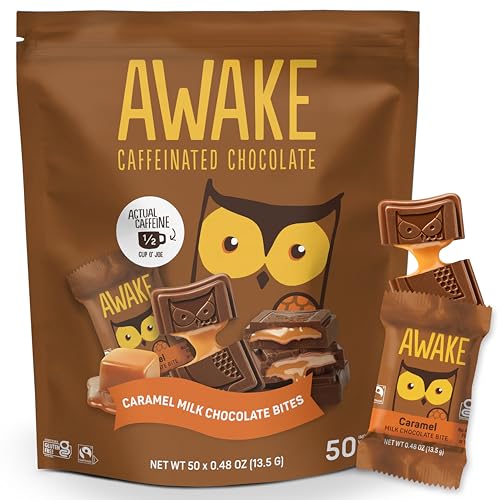
AWAKE – Caffeinated Chocolate Bites – Caramel Milk Chocolate, 50 Bites – 50mg Caffeine – Individually Wrapped Energy Bites – Coffee Alternative – Fairtrade, Gluten Free, Non GMO – 0.48oz
Caramel Milk Chocolate Bites – Put a pep in your step with a mix of our beloved Caramel…
As an affiliate, we earn on qualifying purchases.
As an affiliate, we earn on qualifying purchases.
Recognizing the Symptoms of Excessive Caffeine Consumption

If you consume too much caffeine, your body may send clear signals that something’s off. You might notice sleep disturbances, such as difficulty falling asleep or waking up frequently during the night. These issues can leave you feeling tired and less alert during the day. Gastrointestinal issues, like stomach upset, acid reflux, or nausea, are also common signs of excessive caffeine intake. You may feel jittery, anxious, or experience a rapid heartbeat, which indicates your nervous system is reacting strongly to too much caffeine. Recognizing these symptoms early helps you adjust your intake before they worsen. Paying attention to how you feel after your daily coffee can help you maintain a safe caffeine level during pregnancy and support your overall well-being. Additionally, being aware of AI safety measures and ongoing research can provide insights into how technology is being developed to address such health concerns. Monitoring your caffeine consumption and understanding recommended limits can further help prevent adverse effects. Understanding individual differences in caffeine sensitivity and staying informed about latest health guidelines are also crucial for safe consumption during pregnancy. Being mindful of personal tolerance can help you avoid overdoing it with caffeine.
Tips for Managing Caffeine Intake While Pregnant

Monitoring how your body responds to caffeine can help you stay within safe limits during pregnancy. Pay attention to how you feel after consuming caffeinated drinks, and adjust accordingly. To cut back, consider replacing coffee with decaffeinated beverages that still offer flavor without the caffeine. Herbal teas are also excellent alternatives—they’re naturally caffeine-free and can be soothing. Keep track of your daily intake to avoid exceeding the recommended 200 milligrams of caffeine. Reading labels on energy drinks and other products helps you stay informed. Setting a limit on your daily caffeine consumption and sticking to it is key. Remember, small changes can make a big difference in maintaining a healthy pregnancy while still enjoying your favorite beverages responsibly. Additionally, understanding the safety of aromatherapy oils and their effects during pregnancy can help you create a relaxing environment without risking your health or your baby’s well-being. Being aware of potential health risks associated with caffeine consumption can further support responsible intake during pregnancy, especially considering personal finance management strategies such as budgeting for healthier alternatives and planning for future health expenses. Incorporating stress reduction techniques, like meditation or gentle exercise, can also contribute to a healthier pregnancy experience.
Alternatives to Coffee: Healthy Beverage Options for Expecting Moms

For expecting moms looking to enjoy flavorful beverages without caffeine, there are plenty of healthy options to contemplate. Herbal teas are a great choice—they come in many flavors, like ginger or chamomile, which can soothe and hydrate without caffeine. Just make sure to select pregnancy-safe varieties and avoid any herbs that might be risky during pregnancy. Fruit infused water is another excellent alternative; it adds natural sweetness and flavor without added sugars or caffeine. Simply add slices of berries, citrus, or cucumber to water for a revitalizing drink. These options not only quench your thirst but also provide essential hydration and nutrients. Incorporating mindful hydration practices can further support your overall well-being during pregnancy. By choosing herbal teas and fruit infused water, you enjoy delicious beverages that support your health and your baby’s well-being.
Consulting Healthcare Providers About Caffeine Consumption

Talking to your healthcare provider is the best way to determine safe caffeine limits during pregnancy. They can help you understand how much caffeine is safe for your specific situation, especially if you experience caffeine withdrawal symptoms when cutting back. Your provider can also suggest alternative beverages, like herbal tea, which can satisfy your craving without the risks associated with caffeine. If you’re used to drinking a lot of coffee, reducing intake gradually under medical guidance can prevent withdrawal symptoms. Always discuss your caffeine consumption, including sources like chocolate or energy drinks, to get personalized advice. Remember, your healthcare provider’s guidance helps ensure both your health and your baby’s development remain on track.
Frequently Asked Questions
Can Moderate Caffeine Intake During Pregnancy Cause Long-Term Health Issues for the Baby?
You might wonder if moderate caffeine intake could cause long-term effects on your baby. While small amounts are generally considered safe, excessive caffeine might increase developmental risks and potential long-term health issues. It’s crucial to stay within recommended limits, as high intake could impact your baby’s growth and development. Always consult your healthcare provider to ensure your caffeine consumption aligns with safe guidelines and minimizes any long-term risks.
How Does Caffeine Consumption Vary Across Different Stages of Pregnancy?
Imagine your caffeine metabolism hits a rollercoaster ride during pregnancy! As you progress through different pregnancy stages, your body’s ability to process caffeine shifts dramatically. In early pregnancy, your metabolism slows down, making caffeine stay longer, so you might want to cut back. Later, as your body adapts, caffeine metabolism picks up again. Being aware of these changes helps you manage safe caffeine intake throughout each pregnancy stage.
Are There Specific Brands or Types of Coffee That Are Safer During Pregnancy?
When choosing coffee varieties during pregnancy, focus on brand safety and opt for reputable brands known for quality control. Look for organic or low-acid options to reduce potential risks. While no specific brand guarantees safety, selecting well-known, trusted brands with transparent sourcing and processing can help guarantee you’re making a safer choice. Always check caffeine content and talk to your healthcare provider about which coffee varieties are best for you during pregnancy.
Does Decaffeinated Coffee Contain Any Caffeine That Might Affect Pregnancy?
Decaffeinated coffee does contain some caffeine, though usually much less than regular coffee. During the decaffeination process, most of the caffeine is removed, but a small amount remains, typically between 2-5 milligrams per cup. You should be aware that caffeine content varies depending on the decaffeination method used. If you’re pregnant, it’s best to limit your intake and check labels to stay within safe caffeine levels.
How Do Individual Differences Influence Caffeine Sensitivity During Pregnancy?
Your caffeine sensitivity during pregnancy varies due to genetic factors and metabolic differences. Some women process caffeine faster, so they may tolerate more without effects, while others are more sensitive and experience jitters or sleep issues even with small amounts. You should pay attention to how your body reacts and consult your healthcare provider to determine a safe caffeine intake tailored to your unique metabolism and genetics.
Conclusion
As you navigate your pregnancy, remember that moderation is key. Staying within safe caffeine limits can make a difference, but what happens if you unknowingly cross the line? The choices you make today could impact your baby’s future in ways you haven’t yet imagined. So, stay informed, listen to your body, and consult your healthcare provider. Your journey to a healthy pregnancy is just beginning—what’s next could surprise you.