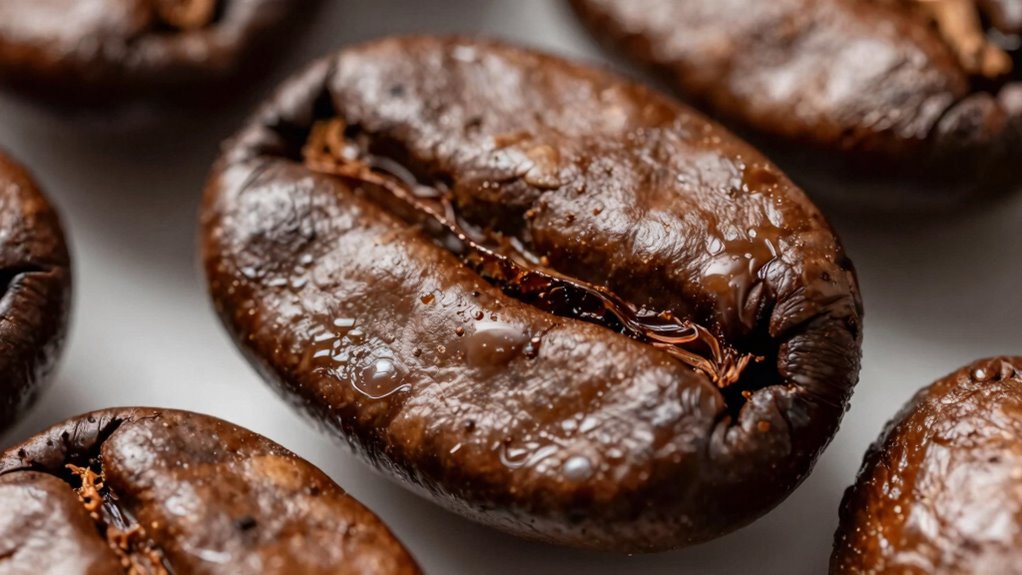

Processing method can impact your coffee’s flavor more than roast level because it shapes the core characteristics and clarity from the start. Whether it’s washed, natural, or honey, each method highlights different flavor notes and influences the overall quality. Proper processing helps reveal the bean’s unique traits and prevents defects, regardless of how dark or light you roast. Want to discover how your choice of processing can uncover hidden layers in your cup?

Get coffee and tea gear delivered free — and shop member deals
- Fast, free delivery on millions of items
- Access to Prime Big Deal Days deals on October 6–7
- Prime Video, Amazon Music and more included
Key Takeaways
- Processing influences the fundamental flavor profile and clarity, often more than roast level, by preserving or highlighting specific bean characteristics.
- Proper processing reduces defects and off-flavors, ensuring higher quality regardless of how dark or light the roast is.
- Different processing methods (washed, natural, honey) impart distinct fruitiness, brightness, or sweetness that roast level cannot fully replicate.
- Processing determines the bean’s transparency, making subtle origin and variety nuances more perceptible than roast level alone.
- The journey from farm to cup through processing shapes the core flavor, often outweighing the impact of roast adjustments.
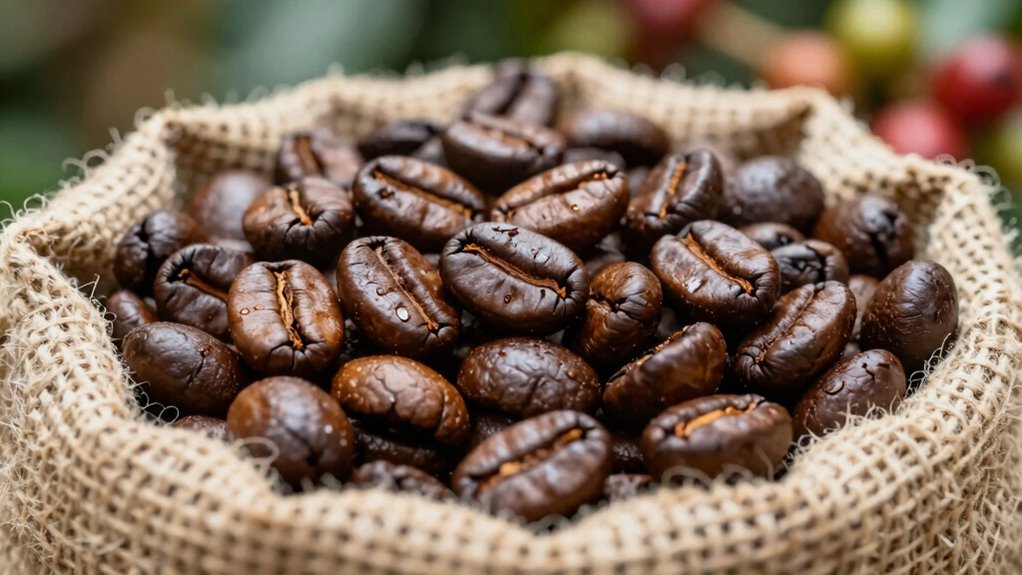
When it comes to coffee, many people focus on the roast level to determine flavor, but the processing method plays an even more vital role in shaping the final taste. Roast level influences the aroma and body of your coffee, but the way beans are processed before roasting has a profound impact on flavor preservation and bean transparency. Processing methods—such as washed, natural, or honey—affect how much of the bean’s original flavor profile is retained and how clear that profile is for you to taste. Additionally, processing can influence the overall flavor preservation, ensuring that the unique qualities of each bean are maintained throughout the journey from farm to cup. The processing method also impacts how well the beans retain their nutritional content, which can subtly influence flavor and aroma.
Processing methods like washed, natural, or honey significantly influence flavor clarity and preservation in your coffee.
Understanding the processing techniques used in coffee production helps explain why certain beans taste the way they do, emphasizing the importance of the entire journey from farm to cup. If you’re seeking a nuanced cup with distinct fruit or floral notes, understanding the processing method is crucial. Washed, or fully processed, beans are cleaned thoroughly, removing much of the fruit and mucilage before drying. This results in a cleaner, brighter cup where the inherent qualities of the bean shine through. Conversely, natural processing involves drying the beans with their fruit intact, which often leads to a richer, fruitier flavor. The difference in processing impacts flavor preservation: natural methods tend to amplify the bean’s natural sweetness and complexity, while washed methods highlight clarity and brightness. Furthermore, different processing techniques can influence the consistency of flavor, making it easier to predict and appreciate the final cup.
Bean transparency refers to how clearly you can perceive the subtle differences in flavor and origin. When a coffee is processed carefully, it’s easier to identify its unique characteristics—whether it’s the berry-like sweetness of a natural processed coffee or the crisp acidity of a washed one. The processing method acts as a lens, either sharpening or obscuring these details. A well-processed bean provides transparency, allowing you to appreciate the nuances that make each origin and variety unique. Proper processing also reduces the likelihood of defects or off-flavors, ensuring a higher-quality final product.
You might think that roasting is the most important step, but it’s actually the processing method that sets the foundation for what you ultimately taste. Even a high-quality bean can be dull if processed poorly, losing its distinctive traits. Conversely, a well-processed bean—regardless of roast level—can deliver a vibrant, well-balanced cup with clear flavor notes. This is why baristas and coffee aficionados pay close attention to processing, as it ensures flavor preservation and enhances bean transparency.
In the end, choosing coffee based solely on roast level can overlook the real story behind the flavor. The processing method shapes the core of what you’re drinking, influencing both the depth and clarity of the taste. Recognizing this allows you to select beans that truly showcase their origin and character, regardless of how dark or light they’re roasted. It’s a reminder that sometimes, the journey of the bean before it hits the roast is what makes all the difference.
As an affiliate, we earn on qualifying purchases.
Frequently Asked Questions
How Does Processing Affect Coffee Flavor Complexity?
Processing affects your coffee’s flavor complexity by introducing processing nuances that shape its flavor profile. You’ll notice more flavor diversity because the method influences how the beans develop, offering unique tastes and textures. For example, washed coffees highlight bright, clean notes, while natural processes bring out fruity, wine-like qualities. By understanding these nuances, you can better appreciate the depth and variety of flavors in your coffee, beyond just the roast level.
Can Processing Methods Influence Caffeine Content?
Yes, processing methods can influence caffeine content, affecting caffeine variability. For example, washed coffees often have slightly higher caffeine levels because the process preserves more of the bean’s natural compounds. You’ll notice that different processing techniques impact flavor preservation alongside caffeine, so if you’re seeking a specific caffeine strength, choosing the right method can make a difference. Keep in mind, processing can subtly alter the caffeine amount in your coffee.
Are Certain Processing Methods Better for Specific Brewing Techniques?
Think of each processing method as a tailor fitting your coffee to your brewing style. For pour-over, washed beans offer clarity, while natural processed ones add body. Your choice impacts processing consistency and environmental impact, ensuring you get the best flavor. Selecting the right method aligns with your brewing technique, enhancing your experience. So, match your method to your brew for a perfect, eco-conscious cup every time.
How Do Processing Methods Impact Coffee Shelf Life?
Processing methods directly influence your coffee’s shelf life by affecting storage stability. For instance, washed coffees tend to have better storage stability due to lower residual sugars and oils, reducing spoilage risk. Variations in processing, like natural or honey methods, can introduce more oils and sugars, which may shorten shelf life. Understanding these processing variations helps you store your coffee properly, maintaining freshness and flavor longer.
Do Processing Methods Vary by Coffee Origin?
Yes, processing methods do vary by coffee origin, influenced by regional preferences and climate. You might think processing is uniform, but regional traditions shape techniques like washed or natural methods, affecting flavor and consistency. This regional variation guarantees processing aligns with local conditions, promoting processing consistency and delivering unique taste profiles. So, when exploring coffee origins, you’ll notice how local practices deeply influence the final product’s character.
Conclusion
So, next time you brew your coffee, ask yourself: are you focusing on the roast level or the processing method? Sometimes, the way the beans are processed can have a bigger impact on flavor than how dark they’re roasted. Don’t overlook the journey from farm to cup; it’s often the secret behind that perfect sip. After all, isn’t understanding the full story behind your coffee what makes every cup special?
Fall Picks
fall essentials
As an affiliate, we earn on qualifying purchases.