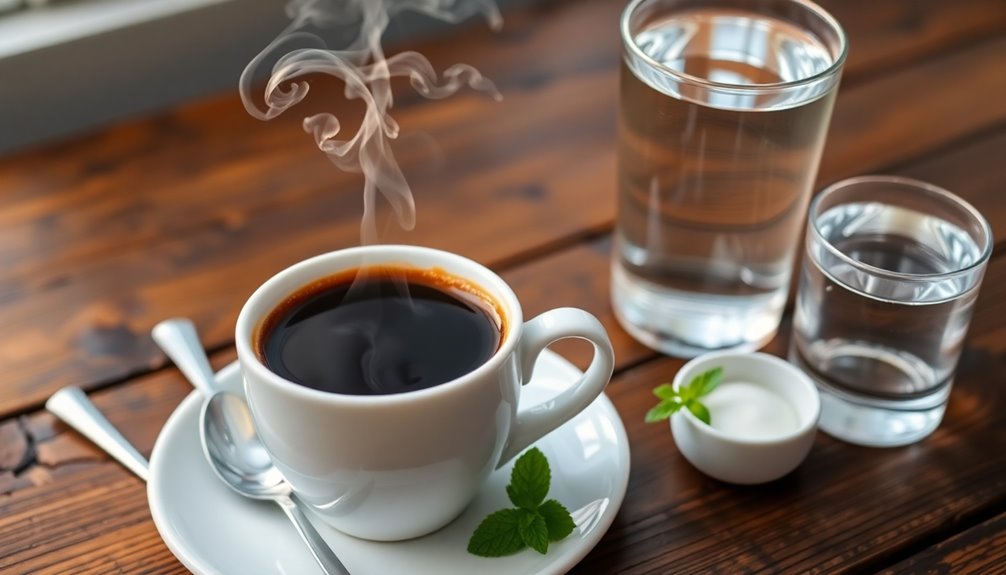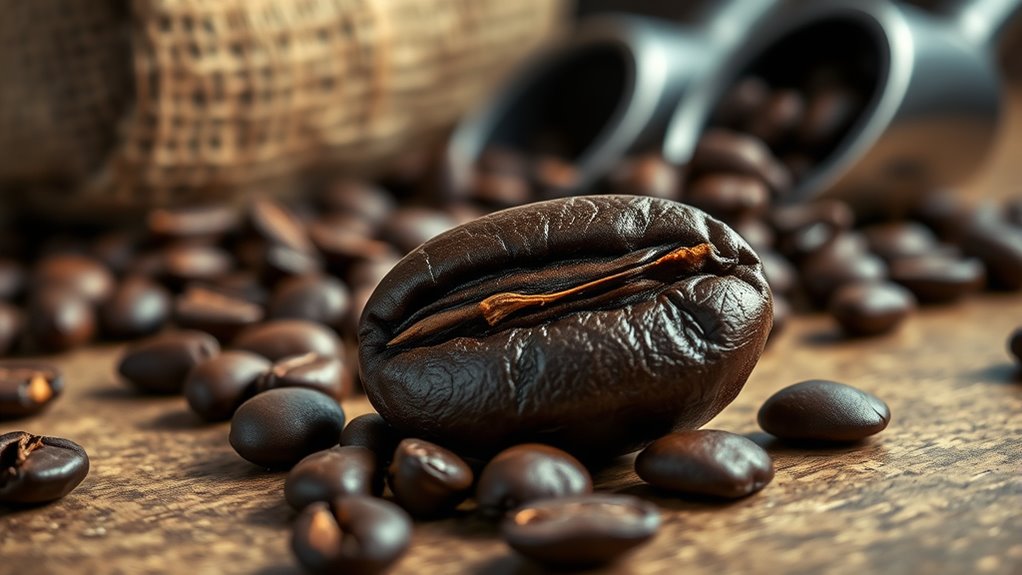

Freshness greatly impacts your coffee’s flavor, aroma, and overall enjoyment. When you buy roasted beans, they start to lose their vibrant characteristics over time due to oxidation, exposure to light, humidity, and improper storage. For the best experience, consume coffee within a few weeks of roasting and keep it in airtight, cool, dark places. Understanding how freshness affects your brew guarantees you enjoy richer, more aromatic coffee—if you continue exploring, you’ll discover how to maximize its shelf life.
Key Takeaways
- Freshly roasted coffee retains vibrant aromas and flavors that diminish as the beans age.
- Proper storage in airtight, cool, dark environments slows oxidation and prolongs freshness.
- Coffee’s shelf life impacts taste; stale beans produce dull, flat, and less aromatic brews.
- Oxidation and exposure to light or humidity accelerate flavor degradation and rancidity.
- Consuming coffee within 2-4 weeks of roasting ensures optimal flavor and aroma experience.
Understanding the Coffee Roasting Process and Its Impact on Freshness
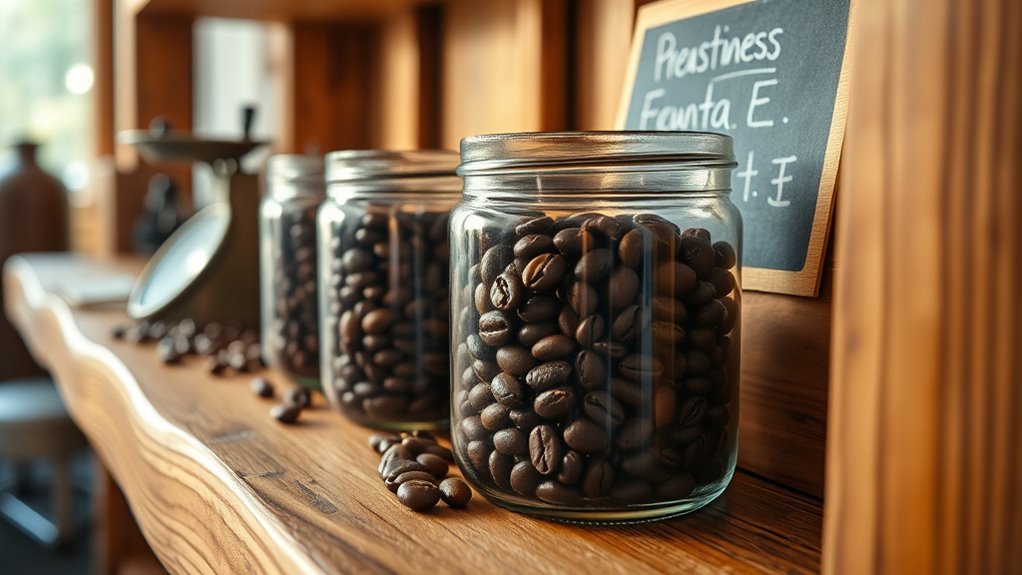
Understanding the coffee roasting process is vital because it directly affects the freshness and flavor of your coffee. As the beans undergo roasting, their development transforms raw coffee beans into aromatic, flavorful grounds. Your roasting profile—whether light, medium, or dark—determines how the beans develop, influencing acidity, body, and aroma. A carefully crafted roasting profile guarantees ideal coffee bean development, preserving delicate flavors and preventing over-roasting that diminishes freshness. When beans are roasted, they release gases and volatile compounds, which contribute to their profile. The timing and temperature during roasting are critical; they dictate how long the beans develop their unique characteristics. Proper roasting standards ensure the beans meet specific purity standards, which is essential for maintaining quality and freshness. This process also impacts the shelf life of roasted coffee, as well-roasted beans tend to stay fresher longer. By understanding this process, you can better appreciate how freshness is embedded right from the roasting stage, ultimately impacting your coffee’s shelf life.
How Storage Conditions Influence Coffee Shelf Life
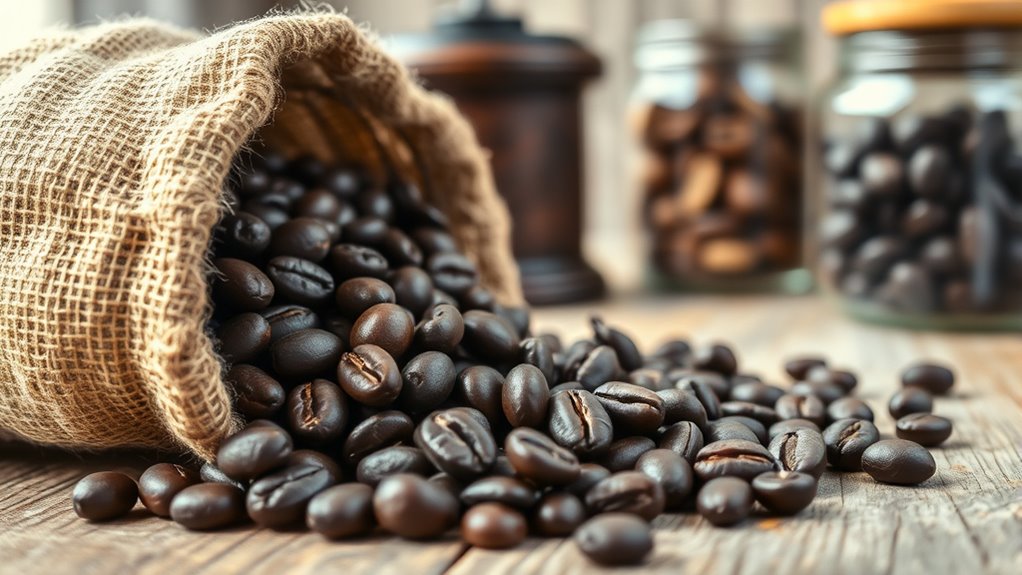
Your storage environment plays a vital role in keeping coffee fresh longer. When you choose a cool, dark, and airtight container, you reduce exposure to elements that cause staling. Humidity, in particular, can spoil beans quickly, so controlling moisture is key to extending shelf life. Using appropriate storage methods can also help maintain the optimal freshness of coffee, and selecting containers made of material that prevents air exchange can further preserve flavor and aroma. Additionally, avoiding exposure to light can slow down the degradation process, further extending the coffee’s shelf life.
Optimal Storage Environments
The environment in which you store roasted coffee considerably impacts its freshness and shelf life. To maximize preservation, consider vacuum sealing your coffee to remove air and minimize oxidation. This method slows down staling and extends freshness. Temperature control is equally important; keep your coffee in a cool, consistent environment away from heat sources and direct sunlight. Fluctuating temperatures accelerate chemical changes, reducing shelf life. Avoid storing coffee in the fridge or freezer, as moisture and temperature swings can damage quality. Instead, select a dark, airtight container stored in a pantry or cupboard. Proper storage techniques, such as consistent temperature, are essential for maintaining freshness and flavor. Additionally, understanding storage conditions can help you optimize your coffee’s longevity. By combining vacuum sealing with proper temperature control, you create ideal storage conditions that preserve your coffee’s flavor and freshness longer. Moreover, being aware of environmental factors helps prevent spoilage and ensures optimal coffee quality over time.
Impact of Humidity
Humidity levels play a vital role in maintaining roasted coffee’s freshness. Too much moisture impacts coffee by promoting mold growth and accelerating staleness. Conversely, low humidity can dry out beans, causing them to lose aroma and flavor. Proper humidity control helps preserve the coffee’s optimal quality, extending its shelf life. To help you understand, here’s a quick overview:
| Humidity Level | Effect on Coffee |
|---|---|
| High | Moisture absorption, mold risk |
| Low | Drying out, loss of flavor |
| Ideal | Preserves freshness, prevents spoilage |
| Fluctuating | Causes condensation, spoilage |
| Excessive | Accelerates staling, mold growth |
Maintaining stable humidity minimizes moisture impact, ensuring your roasted coffee stays fresh longer. Additionally, understanding storage conditions can greatly influence how long your coffee remains at peak quality, especially considering humidity control techniques. Proper storage environments are essential for preventing spoilage and maintaining flavor integrity over time. Being aware of these factors can also help prevent the unintended effects of performance tuning on coffee storage equipment, which may otherwise compromise freshness.
Signs That Your Coffee Is No Longer at Its Peak
You’ll notice when your coffee isn’t at its best anymore, starting with a loss of aroma. If it smells stale or rancid, that’s a clear sign it’s past its prime. Additionally, a flat or weak flavor indicates it’s time to replace your beans for a fresher brew. Proper storage and understanding of shelf life can help maintain its freshness longer.
Aromatic Diminishment Noticed
As roasted coffee ages, its once-vibrant aroma gradually fades, signaling that it’s no longer at its peak freshness. You’ll notice aromatic diminishment, where the enticing scent you once enjoyed becomes muted. This change often leads to flavor fading, making your coffee taste dull and less complex. To recognize this, watch for:
- A weaker, less intense aroma when brewing
- Loss of the floral, fruity, or nutty notes
- A flat, stale smell instead of fresh coffee scent
- Overall scent that feels dull or muted compared to when it was fresh
- Aromatic profiles can be analyzed using Natural Language Processing (NLP) techniques to detect subtle changes over time. Additionally, understanding the tanning tips for preserving the freshness of roasted coffee can help extend its aromatic life. Regular storage in airtight containers away from light can also significantly slow down aroma loss, maintaining the coffee’s freshness for a longer period.
These signs indicate your coffee’s aromatic diminishment, meaning it’s lost some of its original vibrancy. When these changes occur, it’s a clear signal that your coffee is no longer at its peak and may not deliver the full flavor experience you desire.
Stale or Rancid Smell
When coffee begins to go stale or rancid, it develops a distinct, unpleasant smell that quickly signals it’s past its prime. This is a key indicator of declining coffee bean freshness. The rancid smell detection is usually strong and off-putting, often reminiscent of burnt or oily odors. If you notice this aroma, it’s a clear sign that your coffee has lost its ideal flavor and should be discarded. Rancidity occurs when oils within the beans oxidize over time, producing that stale scent. Trust your nose—if the smell isn’t fresh and inviting, it’s time to replace your beans. Recognizing a rancid smell early helps ensure you enjoy coffee at its peak and avoid brewing with stale grounds. Monitoring storage conditions can also help extend the freshness of your coffee beans, preserving their flavor and aroma longer.
Flat or Weak Flavor
A flat or weak flavor is a clear sign that your coffee has passed its peak freshness. When your brew lacks the vibrant aroma and bold taste you expect, it’s likely due to stale beans or improper storage. This dullness can also stem from using outdated brewing techniques or choosing coffee bean varieties that are more delicate and lose flavor quickly. To avoid this, consider adjusting your brewing methods or experimenting with different beans. Keep in mind, some coffee bean varieties are more prone to flavor loss over time. Signs include a bland, thin body, muted aroma, or a lack of acidity. Recognizing these cues helps you determine when your coffee has aged past its prime and is no longer delivering the full flavor potential. Additionally, proper storage can significantly extend the freshness and flavor of your coffee beans. Proper storage conditions are essential to preserve the coffee’s aroma and taste for longer periods. Using vacuum-sealed containers can also help maintain optimal freshness and prevent exposure to air. Moreover, shelf life varies depending on the roast level and packaging method, so being aware of these factors can help you enjoy coffee at its best.
Optimal Timeframes for Enjoying Roasted Coffee
For the best flavor and aroma, it’s important to enjoy roasted coffee within a specific timeframe. Typically, you should consume your coffee within 2 to 4 weeks of roasting for peak freshness. Coffee bean varietals influence how quickly flavor diminishes; lighter roasts tend to lose their vibrancy sooner than darker ones. Proper brewing equipment maintenance also plays a role—clean equipment preserves subtle flavors and prevents stale tastes from lingering. Once you open a bag, aim to consume the coffee quickly to enjoy its full potential. After about a month, you might notice a decline in aroma and taste, so timing is key. By paying attention to these factors, you’ll guarantee each cup offers the freshest and most satisfying experience. Additionally, keeping your coffee in a cool, dark place can help preserve its quality for a longer period. Proper storage can also help minimize exposure to oxygen and moisture, which accelerate flavor degradation.
The Effects of Aging on Coffee Flavor and Aroma
As roasted coffee ages beyond its ideal window, its flavor and aroma undergo noticeable changes that can diminish your drinking experience. Coffee bean aging causes the delicate oils and compounds to break down, leading to flavor degradation. You might notice that the coffee loses its vibrant notes and develops a flat, stale taste. The aroma becomes less intense and more muted, making the brew less appealing.
Here are some effects to watch for:
- Loss of bright, fruity, and floral notes
- Increased bitterness and dullness
- Reduced aromatic complexity
- Overall dull and stale flavor
Understanding how aging impacts coffee helps you avoid those less-than-pleasurable sips and appreciate your coffee at its freshest.
Tips for Maximizing the Freshness of Your Brew
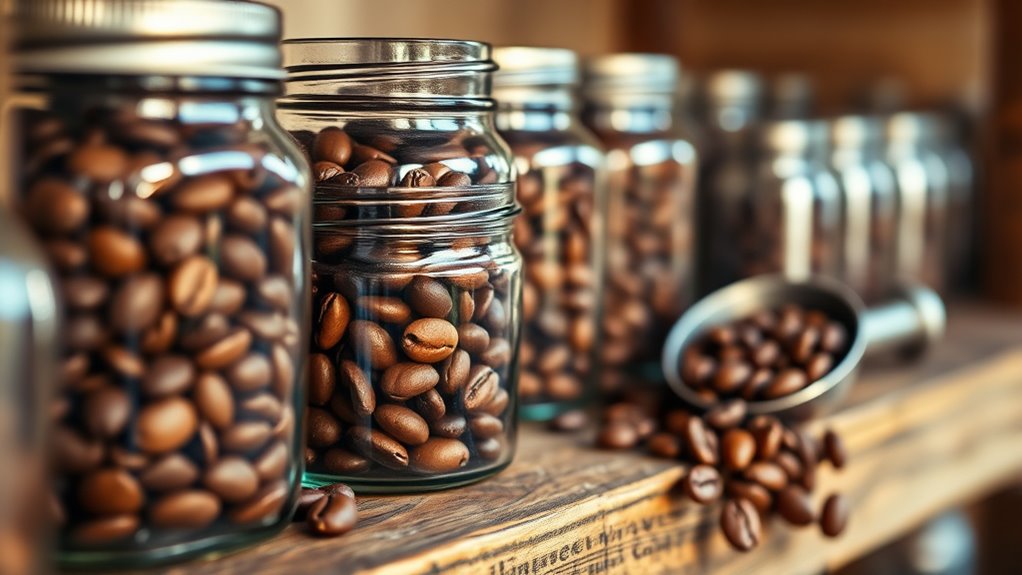
To keep your coffee tasting its best, store it properly from the moment you bring it home. Keep beans in an airtight container, away from light, heat, and moisture. When you’re ready to brew, use the right grind size; a consistent grind guarantees optimal extraction. Coarser grinds suit methods like French press, while a finer grind works better for espresso. Pay attention to brewing temperature—aim for around 195-205°F—to unlock maximum flavor without scalding the coffee. Freshly ground coffee starts to lose its aroma quickly, so grind just before brewing. By maintaining proper storage, selecting the correct grind size, and controlling brewing temperature, you’ll preserve the freshness and enjoy a richer, more vibrant cup every time.
Frequently Asked Questions
How Does Altitude Affect Coffee Freshness and Shelf Life?
Altitude effects markedly influence coffee freshness and preservation. Higher elevations typically have cooler temperatures and lower humidity, which help slow down the degradation of roasted beans. This means your coffee stays fresher longer when grown at high altitudes. You can expect better freshness preservation, making your coffee taste more vibrant over time. So, choosing beans from high-altitude regions can enhance your overall coffee experience by extending its shelf life.
Can Vacuum-Sealing Extend Roasted Coffee’s Freshness?
Vacuum packaging can substantially extend roasted coffee’s freshness by removing air, which slows oxidation and staling. You should definitely use vacuum-sealing to preserve flavor and aroma longer. It keeps out moisture, light, and oxygen, ensuring your coffee stays fresh for weeks or even months. For ideal freshness preservation, store the vacuum-sealed coffee in a cool, dark place. This method helps you enjoy fresh-tasting coffee longer.
Does Coffee Type (Arabica vs. Robusta) Influence Its Aging Process?
You might wonder if coffee type affects aging; it does. Arabica beans generally offer better flavor retention but are more delicate, meaning they can lose freshness faster. Robusta beans are more durable, with higher bean durability, so they tend to age better over time. Your choice impacts how long your coffee retains flavor, especially if stored improperly. Understanding this helps you enjoy fresher-tasting coffee longer.
What Role Do Antioxidants Play in Preserving Coffee Flavor?
Antioxidants play a key role in preserving coffee flavor by preventing oxidation, which can degrade its taste over time. When you consume freshly roasted coffee, antioxidants help maintain flavor stability, ensuring it stays vibrant longer. By protecting coffee’s natural oils and compounds from spoilage, antioxidant preservation extends its shelf life and keeps your brew tasting fresh and aromatic. So, antioxidants are essential for enjoying rich, stable flavor in your coffee.
How Do Different Grind Sizes Impact Coffee Shelf Stability?
Think of your coffee beans like a delicate orchestra—every element must be in harmony. When you grind your coffee, inconsistent grind sizes can expose more surface area, making it more vulnerable to oxidation and stale flavors. To maximize shelf stability, use grind consistency and store your grounds in airtight storage containers. This way, you keep the freshness singing, and your coffee tasting vibrant longer.
Conclusion
To enjoy every cup to the fullest, remember that freshness is key. Keep an eye on storage, smell for signs of stale coffee, and savor your brew within the ideal timeframe. Don’t wait until it’s too late—coffee is like a ticking time bomb when it comes to flavor. By staying mindful of these tips, you’ll always have a fresh, aromatic cup that hits the spot and keeps your coffee game strong.

Noah, the Editor-in-Chief at Cappuccino Oracle, plays a pivotal role in shaping the voice and vision of our renowned platform. With an unwavering passion for coffee, coffee alternatives, and tea, Noah leads Cappuccino Oracle towards new horizons in the realm of coffee journalism.
Noah’s upbringing immersed him in the distinct aromas of artisanal coffee roasters, sparking a fascination that continues to fuel his professional journey. He joined Cappuccino Oracle as a senior editor and later assumed the position of Editor-in-Chief. Under his guidance, our platform has flourished into a trusted source for coffee, coffee alternatives, and tea lovers worldwide.