Among these tea sustainability brands, Clipper Organic English Breakfast is my best overall pick for its organic focus and familiar everyday format, while VAHDAM Organic Himalayan Green Tea stands out for its plant-based pyramid bags and large count. Lipton Rainforest Alliance Certified Iced Tea is a useful option for buyers who prioritize a named sourcing certification in a cold-brew-friendly format. The tradeoffs are real: certifications and organic ingredients can offer sourcing signals, but bag material, packaging, serving size, and the amount of public supply-chain detail vary across the lineup. No single label answers every sustainability question. Read on for the full breakdown and a buying guide to help match sourcing priorities with the way you drink tea.

Get coffee and tea gear delivered free with Prime
- Fast, free delivery on millions of items
- Prime Video, Amazon Music and more included
- Member-only deals all year
Complete the kit



Key Takeaways
- Clipper Organic English Breakfast earns the overall lead for pairing organic positioning with a familiar black tea routine, though organic status alone does not answer questions about bag material or outer packaging.
- VAHDAM Organic Himalayan Green Tea combines organic green tea, plant-based pyramid bags, and a 100-bag count, a distinctive mix for frequent drinkers who want bag convenience.
- Lipton Rainforest Alliance Certified Iced Tea is the clearest fit here for shoppers seeking a named sourcing certification, but the certification does not cover every packaging or climate impact.
- Prince of Peace Organic Green Tea and The Southern Standard Organic Iced Tea serve high-volume brewing needs; larger counts can reduce repeat purchases, but are only useful if the tea gets consumed before quality fades.
- Taylors, Numi, Choice Organics, and the Traditional Medicinals and Buddha Teas herbal options offer different everyday or caffeine-free choices, yet buyers should verify current packaging and certification details rather than infer them from brand or product names.
| Taylors of Harrogate Pure Green Tea, 20 Bags |  | Best for Sustainability Credentials | Quantity: 20 tea bags | Ingredients: Green tea | Certifications: Carbon Neutral Certified; Rainforest Alliance Certified | VIEW ON AMAZON | See Our Full Breakdown |
| Traditional Medicinals Organic Belly Comfort Peppermint Tea, 16 Tea Bags |  | Best for Compostable Tea Bags | Quantity: 16 tea bags | Tea bag format: Individually wrapped | Tea bag material: Compostable | VIEW ON AMAZON | See Our Full Breakdown |
| Numi Organic Jasmine Green Tea, 18 Tea Bags |  | Best for Traceable Bag-Material Claims | Tea type: Green tea | Flavor: Jasmine | Quantity: 18 tea bags | VIEW ON AMAZON | See Our Full Breakdown |
| Prince of Peace Organic Green Tea, 100 Tea Bags |  | Best Bulk Organic Pick | Quantity: 100 tea bags | Tea type: Organic green tea | Organic certification: ECOCERT SA, USA | VIEW ON AMAZON | See Our Full Breakdown |
| Clipper Organic English Breakfast Tea – 80 Tea Bags |  | Best for Ethical Breakfast Tea | Quantity: 80 tea bags | Tea type: English Breakfast | Blend: Assam and Ceylon teas | VIEW ON AMAZON | See Our Full Breakdown |
| Lipton Decaf Black Tea Bags, 50 Count |  | Best for Sustainably Sourced Decaf | Tea type: Decaffeinated black tea | Tea bags: 50 | Sourcing: Malawi | VIEW ON AMAZON | See Our Full Breakdown |
| Traditional Medicinals Organic Hibiscus Tea, 16 Tea Bags |  | Best for Compostable Herbal Tea | Tea bags: 16 | Ingredients: Hibiscus, blackberry leaf, lemongrass | Flavor: Tart, tangy, and fruity | VIEW ON AMAZON | See Our Full Breakdown |
| Choice Organics Earl Grey Tea, 16 Tea Bags |  | Best for Certified Sourcing and Recyclable Cartons | Tea type: Earl Grey black tea with bergamot | Quantity: 16 tea bags | Caffeine: 50 mg per tea bag | VIEW ON AMAZON | See Our Full Breakdown |
| VAHDAM Organic Himalayan Green Tea, 100 Plant-Based Pyramid Tea Bags |  | Best Bulk Pick for Organic Green Tea | Tea type: Green tea | Origin: Himalayas, India | Certification: USDA Organic | VIEW ON AMAZON | See Our Full Breakdown |
| PG Tips Black Tea Bags, 80 Count |  | Best for Simple Everyday Black Tea | Brand: PG Tips | Tea type: Black tea bags | Count: 80 | VIEW ON AMAZON | See Our Full Breakdown |
| Lipton Unsweetened Iced Tea Bags, Family Size, 24 Count, Rainforest Alliance Certified Black Tea Leaves for Hot Brew or Cold Drink |  | Best for Certified Everyday Iced Tea | Tea type: Black tea | Quantity: 24 tea bags | Certification: Rainforest Alliance Certified | VIEW ON AMAZON | See Our Full Breakdown |
| The Southern Standard Organic Iced Tea Bags – 100% Black Tea Blend, 50 XL Bags (½ lb, Makes 25 Gallons) |  | Best for Lower-Waste Bulk Iced Tea | Tea type: 100% black tea blend | Quantity: 50 extra-large bags | Weight: ½ lb | VIEW ON AMAZON | See Our Full Breakdown |
| Buddha Teas Organic Lemon Balm Tea – Herbal, Caffeine-Free |  | Best for Organic Caffeine-Free Herbal Tea | Tea type: Herbal tea | Herb: Lemon balm | Flavor: Lemon and mint | VIEW ON AMAZON | See Our Full Breakdown |
| tea sustainability brand | Tea type | Quantity |
|---|---|---|
| Taylors of Harrogate Pure Gree | — | 20 tea bags |
| Traditional Medicinals Organic | — | 16 tea bags |
| Numi Organic Jasmine Green Tea | Green tea | 18 tea bags |
| Prince of Peace Organic Green | Organic green tea | 100 tea bags |
| Clipper Organic English Breakf | English Breakfast | 80 tea bags |
| Lipton Decaf Black Tea Bags | Decaffeinated black tea | — |
| Traditional Medicinals Organic | — | — |
| Choice Organics Earl Grey Tea | Earl Grey black tea with bergamot | 16 tea bags |
| VAHDAM Organic Himalayan Green | Green tea | 100 tea bags |
| PG Tips Black Tea Bags | Black tea bags | — |
| Lipton Unsweetened Iced Tea Ba | Black tea | 24 tea bags |
| The Southern Standard Organic | 100% black tea blend | 50 extra-large bags |
| Buddha Teas Organic Lemon Balm | Herbal tea | — |
More Details on Our Top Picks
Taylors of Harrogate Pure Green Tea, 20 Bags
Taylors of Harrogate Pure Green Tea earns its place for pairing a straightforward green tea with both Carbon Neutral and Rainforest Alliance certifications. That combination gives sustainability-minded shoppers concrete sourcing and climate-related credentials, while the mild, delicate cup suits people who prefer green tea without added flavoring. Compared with Numi Organic Jasmine Green Tea, Taylors keeps the taste plain rather than floral and does not list organic certification or biodegradable, microplastic-free bags. Its individually wrapped bags help maintain freshness and make single servings convenient, but create more packaging than an unwrapped format. The 20-bag quantity is also a smaller commitment than Prince of Peace Organic Green Tea, which is better suited to frequent drinkers seeking a larger supply. The tradeoff is a gentle flavor that may feel underpowered to strong-tea fans.
Pros:- Carbon Neutral Certified and Rainforest Alliance Certified.
- Plain green tea offers a delicate, mellow alternative to Numi’s jasmine-scented blend.
- Individually wrapped bags help preserve freshness.
- Suitable for hot or iced brewing.
Cons:- The mild flavor may disappoint drinkers who prefer a stronger cup.
- Individual wrappers add packaging compared with less-wrapped options.
- The product data does not list organic certification or biodegradable tea bags.
Best for: Green tea drinkers who prioritize carbon-neutral and Rainforest Alliance certifications and want individually wrapped, unflavored servings.
Not ideal for: Shoppers seeking organic certification, biodegradable tea bags, a bold green tea, or a large quantity for daily brewing.
- Quantity:20 tea bags
- Ingredients:Green tea
- Certifications:Carbon Neutral Certified; Rainforest Alliance Certified
- Bag format:Individually wrapped
- Flavor profile:Fresh, delicate, and mellow
- Brewing:Infuse for 1–2 minutes with freshly boiled water
- Serving options:Serve pure or with lemon; suitable for hot or iced brewing
Our verdict“Choose Taylors if recognized climate and sourcing certifications matter more to you than organic labeling, bold flavor, or minimal packaging.”
Traditional Medicinals Organic Belly Comfort Peppermint Tea, 16 Tea Bags
Traditional Medicinals Organic Belly Comfort Peppermint Tea is the clearest choice here for shoppers who want a specific bag-material claim alongside ingredient certifications: its tea bags are described as compostable, and its ingredients carry USDA Organic and Fair Trade certifications. The peppermint-forward blend also offers a different purpose and flavor from Taylors of Harrogate Pure Green Tea, which is a plain green tea without a stated compostable bag. Unlike Numi Organic Jasmine Green Tea, this blend includes green tea, so it is not caffeine-free; the listed amount is approximately 9 mg per bag. That small caffeine content may suit people who want mint with a lighter lift, but it rules out this pick for anyone avoiding caffeine. The 16-bag carton is modest, and the product data does not specify a climate certification.
Pros:- Tea bags are described as compostable.
- USDA Organic and Fair Trade Certified ingredients support sourcing priorities.
- Peppermint provides a minty, aromatic alternative to the lineup’s plain green teas.
- Non-GMO Verified and Kosher.
Cons:- Contains approximately 9 mg of naturally occurring caffeine per bag.
- The carton contains only 16 tea bags.
- No climate certification is listed in the supplied product data.
Best for: Herbal tea drinkers who want peppermint, certified organic and Fair Trade ingredients, and tea bags identified as compostable.
Not ideal for: People avoiding caffeine completely or shoppers looking for a larger pack or an explicitly stated climate certification.
- Quantity:16 tea bags
- Tea bag format:Individually wrapped
- Tea bag material:Compostable
- Flavor:Peppermint; minty and aromatic
- Caffeine:Approximately 9 mg per tea bag
- Certifications:USDA Organic; Fair Trade Certified; Non-GMO Verified; Kosher
Our verdict“Pick this blend if compostable bags and peppermint are your priorities, but skip it if you need a caffeine-free infusion.”
Numi Organic Jasmine Green Tea, 18 Tea Bags
Numi Organic Jasmine Green Tea stands out for combining USDA Organic and Fair Trade certifications with a specific tea-bag claim: the bags are biodegradable and verified free of added microplastics. Its climate-neutral certification adds another sustainability distinction not listed for Prince of Peace Organic Green Tea, which instead offers a much larger 100-bag quantity. Numi also uses real jasmine flowers and scents the green tea three times, giving it a floral character that makes it less versatile for buyers who want an unflavored everyday tea like Taylors of Harrogate Pure Green Tea. The 18-bag count is relatively small, and the medium caffeine level may not suit evening drinkers or caffeine-sensitive buyers. For shoppers weighing sourcing and bag material alongside flavor, Numi gives those details more visibility than many plain green tea options.
Pros:- USDA Organic, Fair Trade Certified, and Climate Neutral Certified.
- Biodegradable tea bags are verified free of added microplastics.
- Real jasmine flowers provide floral aroma rather than relying on artificial jasmine flavoring.
- Three-time jasmine scenting gives the tea a distinctive profile.
Cons:- Jasmine flavor will not suit drinkers seeking unflavored green tea.
- Medium caffeine makes it a poor fit for caffeine-sensitive or evening drinkers.
- The pack contains 18 bags, less than Prince of Peace’s 100-bag supply.
Best for: Jasmine tea drinkers who want organic and Fair Trade sourcing, a climate-neutral certification, and a stated biodegradable, microplastic-free bag.
Not ideal for: Buyers who prefer plain green tea, need a caffeine-free option, or want a large quantity per purchase.
- Tea type:Green tea
- Flavor:Jasmine
- Quantity:18 tea bags
- Caffeine level:Medium
- Origin:Jiangxi, China
- Certifications:USDA Organic; Fair Trade Certified; Climate Neutral Certified; BPI Certified Biodegradable
- Tea bag material:Biodegradable; verified free of added microplastics
- Jasmine treatment:Scented three times with fresh jasmine blossoms; made with real jasmine flowers
Our verdict“Choose Numi for its unusually specific bag-material and certification claims if you enjoy jasmine and do not need a caffeine-free tea.”
Prince of Peace Organic Green Tea, 100 Tea Bags
Prince of Peace Organic Green Tea is the practical bulk choice: its 100-bag count makes certified organic green tea easier to keep on hand than the smaller boxes from Numi Organic Jasmine Green Tea or Taylors of Harrogate Pure Green Tea. The listed ECOCERT SA, USA certification provides an organic credential, and the product specifies 20–30 mg of caffeine per cup, useful for shoppers who want a stated range rather than a vague label. The larger quantity is the main sustainability-related advantage here: fewer repeat purchases may be convenient for regular drinkers, though the supplied data does not describe the tea-bag material or packaging footprint. Unlike Numi, it is not described as Fair Trade or climate certified, and it lacks Numi’s stated biodegradable, microplastic-free bag claim. Its rich, darker cup may also need sweetening for some palates.
Pros:- 100 tea bags suit frequent brewing and reduce the need for repeat purchases.
- Organic certification is listed as ECOCERT SA, USA.
- Caffeine content is specified at 20–30 mg per cup.
- Simple brewing instructions make it straightforward to prepare.
Cons:- The supplied data does not identify tea-bag material or packaging recyclability.
- No Fair Trade or climate certification is listed, unlike Numi Organic Jasmine Green Tea.
- The darker, richer flavor may need sweetening for some drinkers.
Best for: Frequent green tea drinkers who want a large supply of certified organic tea and a stated caffeine range.
Not ideal for: Shoppers prioritizing Fair Trade or climate certifications, biodegradable bag claims, or a small trial-sized pack.
- Quantity:100 tea bags
- Tea type:Organic green tea
- Organic certification:ECOCERT SA, USA
- Caffeine content:20–30 mg per cup
- Brewing instructions:Steep 1 tea bag in 6 fl. oz. hot water for 3–5 minutes
- Flavor description:Rich flavor and darker color
Our verdict“Choose Prince of Peace for a large organic green tea supply, but look to Numi if bag-material or climate credentials matter more.”
Clipper Organic English Breakfast Tea – 80 Tea Bags
Clipper Organic English Breakfast Tea is the lineup’s strongest fit for shoppers who want a robust black tea with organic and Fair Trade credentials. Its Assam and Ceylon blend gives it a fuller profile than the delicate green teas from Taylors of Harrogate and Numi, making it better suited to breakfast or iced tea. Clipper also specifies unbleached, plant-based material for its individually wrapped bags, a useful distinction from products whose bag construction is not stated. Still, plant-based does not by itself establish that the wrappers or bags are compostable, so buyers seeking a clear end-of-life claim may prefer Traditional Medicinals Organic Belly Comfort Peppermint Tea, whose bags are described as compostable. The 80-bag pack serves regular drinkers, but individual wrapping preserves freshness at the cost of added packaging.
Pros:- Organic and Fair Trade Certified blend.
- Assam and Ceylon teas create a robust profile suited to hot or iced brewing.
- Unbleached, plant-based tea-bag material is specified.
- 80 bags suit frequent drinkers.
Cons:- Individual wrapping adds packaging compared with bulk, unwrapped tea bags.
- Plant-based material is not the same as a stated compostability certification.
- The product data does not list a climate certification.
Best for: Regular black tea drinkers who want a full-bodied breakfast blend, organic and Fair Trade credentials, and plant-based tea-bag material.
Not ideal for: Minimal-packaging shoppers, people seeking caffeine-free tea, or buyers who need an explicit compostability claim for the bags.
- Quantity:80 tea bags
- Tea type:English Breakfast
- Blend:Assam and Ceylon teas
- Organic:Yes
- Fair Trade:Fair Trade Certified
- Tea bag material:Unbleached, plant-based
- Packaging format:Individually wrapped tea bags
- Serving options:Suitable for hot or iced tea
Our verdict“Clipper is a strong choice for ethically sourced, full-bodied breakfast tea if you accept individually wrapped bags and do not require a compostability claim.”
Lipton Decaf Black Tea Bags, 50 Count
For buyers who want a familiar black tea without caffeine, Lipton Decaf pairs Malawi-sourced tea with Rainforest Alliance certification. That sourcing credential gives it a clearer sustainability case than PG Tips Black Tea Bags, whose supplied product details do not identify certifications or sourcing. The 50 foil-wrapped bags, packed in two trays, help protect freshness when the box is opened gradually, though the wrappers add packaging to dispose of. Its full-bodied profile works hot or iced, but decaf can taste less robust than a caffeinated black tea, and the 3–4 minute steep calls for a little patience. Choose it for traceable sourcing and caffeine-free convenience rather than compostable packaging; Traditional Medicinals Organic Hibiscus uses compostable bags, but has a very different, tart herbal flavor.
Pros:- Rainforest Alliance certified tea sourced from Malawi
- Caffeine-free black tea for hot or iced brewing
- Full-bodied flavor offers a familiar black tea profile
- Foil-wrapped bags help preserve freshness between uses
Cons:- Decaffeinated flavor may be less robust than caffeinated black tea
- Foil wrappers create packaging waste
- Requires a 3–4 minute steep
Best for: Black tea drinkers seeking a caffeine-free option with identified Malawi sourcing and Rainforest Alliance certification
Not ideal for: Shoppers prioritizing compostable tea bags or minimal individual packaging, since these bags are foil-wrapped
- Tea type:Decaffeinated black tea
- Tea bags:50
- Sourcing:Malawi
- Certification:Rainforest Alliance
- Packaging:Foil-wrapped bags in 2 trays of 25
- Brewing:Hot or iced
- Suggested steep time:3–4 minutes
Our verdict“Choose Lipton if you want certified, Malawi-sourced black tea without caffeine and can accept foil-wrapped bags.”
Traditional Medicinals Organic Hibiscus Tea, 16 Tea Bags
Traditional Medicinals Organic Hibiscus makes the strongest packaging-focused choice here: its compostable tea bags are paired with USDA Certified Organic ingredients, including hibiscus flowers sourced from organic farms in Egypt. The blend adds blackberry leaf and lemongrass, producing a tart, fruity cup that can be served hot or iced. Compared with Choice Organics Earl Grey, it skips black tea and caffeine, while Choice offers Fair Trade certification and recycled-paperboard cartons. This product’s sustainability appeal rests on organic sourcing and compostable bags; the supplied details do not state a Fair Trade certification or describe the outer carton. Its distinctive tang is a real dividing line, not a crowd-pleasing flavor for every palate. Pick it for a caffeine-free herbal option and compostable bags, not for a mild, classic tea taste.
Pros:- USDA Certified Organic ingredients, with hibiscus sourced from organic farms in Egypt
- Compostable tea bags
- Caffeine-free and suitable for hot or iced brewing
- Blend includes hibiscus, blackberry leaf, and lemongrass
Cons:- Tart, tangy flavor may be too sharp for some drinkers
- Only 16 tea bags per pack
- Provided product details do not specify Fair Trade certification or outer-carton materials
Best for: Caffeine-avoiding tea drinkers who want organically sourced hibiscus and compostable tea bags
Not ideal for: Buyers who prefer mellow, traditional black or green tea flavors, since hibiscus is distinctly tart and tangy
- Tea bags:16
- Ingredients:Hibiscus, blackberry leaf, lemongrass
- Flavor:Tart, tangy, and fruity
- Organic certification:USDA Certified Organic
- Caffeine:Caffeine-free
- Additional certification:Kosher
- Tea bag material:Compostable
- Hibiscus sourcing:Organic farms in Egypt
Our verdict“Choose this herbal blend if organic sourcing and compostable bags matter more to you than a mild flavor or stated Fair Trade certification.”
Choice Organics Earl Grey Tea, 16 Tea Bags
Choice Organics Earl Grey stands out for the breadth of its stated credentials: USDA Organic, Non-GMO Project Verified, and Fair Trade Certified, alongside vegan and gluten-free attributes. Its citrusy bergamot and black tea deliver a moderate caffeine lift, making it more of a morning or afternoon option than Traditional Medicinals Organic Hibiscus, which is caffeine-free and herbal. The packaging also has a defined sustainability advantage: natural-fiber compostable bags inside recycled-paperboard cartons. That gives buyers clearer disposal information than Lipton Decaf’s foil-wrapped bags, although local composting rules can affect whether tea bags belong in a home compost pile. The tradeoff is a 16-bag pack and a stated 50 mg of caffeine per bag; this suits shoppers who value certifications and packaging detail more than buying in bulk or avoiding caffeine.
Pros:- USDA Organic, Non-GMO Project Verified, and Fair Trade Certified
- Natural-fiber compostable tea bags and recycled-paperboard carton
- Bergamot adds a citrusy flavor to black tea
- Vegan, gluten-free, and Kosher
Cons:- Contains 50 mg of caffeine per tea bag
- Pack contains only 16 tea bags
- Compostability depends on suitable local disposal options
Best for: Tea buyers seeking certified organic and Fair Trade black tea with compostable bags and recycled-paperboard packaging
Not ideal for: Caffeine-sensitive drinkers or households wanting a larger supply in one pack
- Tea type:Earl Grey black tea with bergamot
- Quantity:16 tea bags
- Caffeine:50 mg per tea bag
- Certifications:USDA Organic, Non-GMO Project Verified, Fair Trade Certified, Kosher
- Dietary attributes:Vegan and gluten-free
- Tea bag material:Natural fiber, compostable
- Carton:Recycled paperboard
Our verdict“Choose Choice Organics if you want a well-documented set of sourcing credentials and lower-waste packaging in a caffeinated Earl Grey.”
VAHDAM Organic Himalayan Green Tea, 100 Plant-Based Pyramid Tea Bags
With 100 plant-based, biodegradable pyramid bags, VAHDAM offers a bulk green tea choice for households that brew regularly and want to reduce reliance on conventional tea-bag materials. The leaves are sourced from the Himalayas in India and carry USDA Organic certification; the pyramid shape is designed to give the leaves room to unfurl, a useful distinction from the square bags in PG Tips Black Tea Bags. VAHDAM is the clearer pick for buyers focused on organic sourcing and bag material, while Choice Organics Earl Grey provides more stated certifications, including Fair Trade, and recycled-paperboard carton details. Here, the supplied information does not specify Fair Trade certification or outer packaging materials. Its medium caffeine and earthy profile also narrow its audience. Choose it for a steady supply of organic green tea, not for caffeine-free drinking or a light, floral cup.
Pros:- USDA Organic tea sourced from the Himalayas in India
- 100 bags suit frequent green tea drinkers
- Plant-based, biodegradable pyramid tea bags
- Non-GMO and gluten-free
Cons:- Contains medium-level caffeine
- Earthy flavor may not suit drinkers who prefer delicate or floral green tea
- Provided details do not state Fair Trade certification or outer-packaging materials
Best for: Regular green tea drinkers who want a large supply of USDA Organic tea in plant-based biodegradable pyramid bags
Not ideal for: Caffeine-free tea seekers or shoppers who want stated Fair Trade certification and detailed outer-packaging information
- Tea type:Green tea
- Origin:Himalayas, India
- Certification:USDA Organic
- Quantity:100 tea bags
- Caffeine level:Medium
- Tea bag material:Plant-based and biodegradable
- Dietary attributes:Non-GMO and gluten-free
Our verdict“Choose VAHDAM for bulk organic green tea and plant-based bags, but look elsewhere if Fair Trade documentation or caffeine-free tea is a priority.”
PG Tips Black Tea Bags, 80 Count
PG Tips Black Tea Bags suit buyers who want a straightforward, robust cup and an 80-bag supply, but this is the least documented sustainability choice in this group. Its square bag design is described as allowing water to flow through the tea, and the tea works for hot or iced brewing. Compared with Lipton Decaf, PG Tips offers a larger count but lacks the stated Rainforest Alliance certification and Malawi sourcing details that give Lipton a clearer sustainability story. It also trails Choice Organics Earl Grey on disclosed organic, Fair Trade, and packaging credentials. The supplied information does not identify bag material, sourcing, or certifications, so environmentally focused shoppers have little basis for comparing its production footprint. Choose it for a no-frills black tea format, not when verified sustainability attributes are your main reason for buying.
Pros:- 80 tea bags provide a larger supply than 16-bag options in this group
- Robust black tea flavor
- Square bag design is described as supporting water flow
- Suitable for hot or iced tea
Cons:- Provided product details list no sustainability certifications or sourcing information
- Tea bag material and packaging details are not specified
- Limited to black tea
Best for: Black tea drinkers who want an 80-bag everyday supply for hot or iced brewing and do not require stated sustainability certifications
Not ideal for: Sustainability-focused shoppers seeking documented sourcing, organic or Fair Trade certification, or specified bag materials
- Brand:PG Tips
- Tea type:Black tea bags
- Count:80
- Bag design:Square, non-pyramid tea bags
- Brewing:Hot or iced
- Flavor:Robust
- Sustainability details provided:No sourcing, certification, or tea bag material information specified
Our verdict“Choose PG Tips for a simple, larger-count black tea supply, but not if documented sustainability claims are central to your decision.”
Lipton Unsweetened Iced Tea Bags, Family Size, 24 Count, Rainforest Alliance Certified Black Tea Leaves for Hot Brew or Cold Drink
Rainforest Alliance certification gives this family-size black tea a sustainability credential, while its main appeal is straightforward: brew it hot or use it for iced tea, with no sweetener included. The 24-bag format is a practical fit for regular household batches, and the supplied description says it can make up to 24 quarts. Compared with The Southern Standard Organic Iced Tea Bags, Lipton offers more flexibility for hot brewing but provides less information about bag materials and organic sourcing. Its sustainability case is consequently narrower: the certification is a useful signal, not a complete account of packaging or production impacts. Choose it for familiar, unsweetened black tea and convenient batch brewing; skip it if you want biodegradable bags, an organic label, or a tea that comes sweetened.
Pros:- Rainforest Alliance certification provides a stated sustainability credential.
- Can be prepared as hot tea or iced tea.
- Family-size box is described as making up to 24 quarts.
- Unsweetened and zero-calorie, leaving sweetening choices to the drinker.
Cons:- The product details do not specify biodegradable or plastic-free tea bags.
- Requires brewing and chilling or other preparation for iced tea.
- Black tea only, with no sweetened or alternate flavor option in this product.
Best for: Households seeking an unsweetened black tea for regular iced-tea batches, with Rainforest Alliance-certified sourcing and the option to brew hot.
Not ideal for: Buyers prioritizing organic ingredients or explicitly biodegradable, microplastic-free tea bags, or anyone who wants sweetened or non-black tea.
- Tea type:Black tea
- Quantity:24 tea bags
- Certification:Rainforest Alliance Certified
- Brewing options:Hot brew or cold iced tea
- Yield:Up to 24 quarts
- Calories:Zero
Our verdict“Choose Lipton for convenient, certified unsweetened black tea in household batches, but pick The Southern Standard if organic sourcing and biodegradable bags matter more.”
The Southern Standard Organic Iced Tea Bags – 100% Black Tea Blend, 50 XL Bags (½ lb, Makes 25 Gallons)
Organic tea and biodegradable, microplastic-free bags make this the most explicit sustainability-led iced-tea choice in this group. Its 50 extra-large bags are designed to produce up to 25 gallons, a format that suits people who make tea often and want fewer individual bags to handle. Compared with Lipton’s Rainforest Alliance-certified family pack, The Southern Standard provides stronger detail about the bag material and organic ingredients, while Lipton is described as suitable for both hot and cold brewing. The tradeoff here is scale: a bulk pack makes less sense for occasional drinkers, and the product is a plain black tea rather than a ready-flavored blend. Choose it for high-volume Southern-style iced tea; skip it if you need small portions, flavor variety, or a different tea type.
Pros:- USDA organic black tea.
- Bags are described as biodegradable and free of microplastics during steeping.
- Large-format pack is stated to make up to 25 gallons.
- Plain black tea can be customized with a drinker’s preferred additions.
Cons:- Bulk quantity may be excessive for infrequent iced-tea drinkers.
- Requires steeping and batch preparation rather than offering a ready-to-drink option.
- No pre-flavored varieties or flavor boosters are included.
Best for: Frequent iced-tea makers, community kitchens, or larger households seeking organic black tea with biodegradable, microplastic-free bags.
Not ideal for: Occasional tea drinkers who may not use a 50-bag bulk pack, or buyers who want individually flavored blends or a hot-tea-first format.
- Tea type:100% black tea blend
- Quantity:50 extra-large bags
- Weight:½ lb
- Stated yield:Up to 25 gallons
- Organic:USDA organic
- Bag material claims:Biodegradable; described as microplastic-free during steeping
Our verdict“Pick The Southern Standard for repeated, large-batch iced tea and clearly stated bag-material claims; choose Lipton instead if hot-brew flexibility and a smaller pack matter more.”
Buddha Teas Organic Lemon Balm Tea – Herbal, Caffeine-Free
Organic ingredients and a caffeine-free herbal profile set this apart from the black-tea-focused iced options in this group. Lemon balm’s lemon-and-mint flavor offers a gentler cup for people who want to avoid caffeine, while Lipton and The Southern Standard are built around black tea and batch iced-tea use. That difference matters to sustainability-minded shoppers too: this product’s stated credentials are organic ingredients and no artificial additives, but the supplied details do not identify bag materials, packaging, or a third-party sourcing certification. It is a better fit for an evening or herbal-tea routine than for someone seeking a high-volume drink or a robust, strongly flavored brew. Choose it for a simple organic herbal option; skip it if verified packaging claims or bold tea flavor are your priorities.
Pros:- Organic herbal tea.
- Caffeine-free, making it suitable for people avoiding caffeine.
- Lemon-and-mint flavor provides an alternative to the black teas in this roundup.
- No artificial additives are stated in the product details.
Cons:- The flavor may be too mild for drinkers who prefer bold tea.
- Product details do not specify tea-bag material or packaging sustainability.
- This product offers a single stated flavor rather than variety.
Best for: Caffeine-sensitive tea drinkers who want an organic, lemon-and-mint herbal cup without artificial additives.
Not ideal for: Buyers seeking large-batch iced tea, strong black-tea flavor, or documented biodegradable bag and packaging claims.
- Tea type:Herbal tea
- Herb:Lemon balm
- Flavor:Lemon and mint
- Caffeine:Caffeine-free
- Organic:Yes
- Additives:None stated
Our verdict“Choose Buddha Teas for an organic, caffeine-free herbal cup, but look to The Southern Standard or Lipton for sustainable features tied to bulk black-tea brewing.”
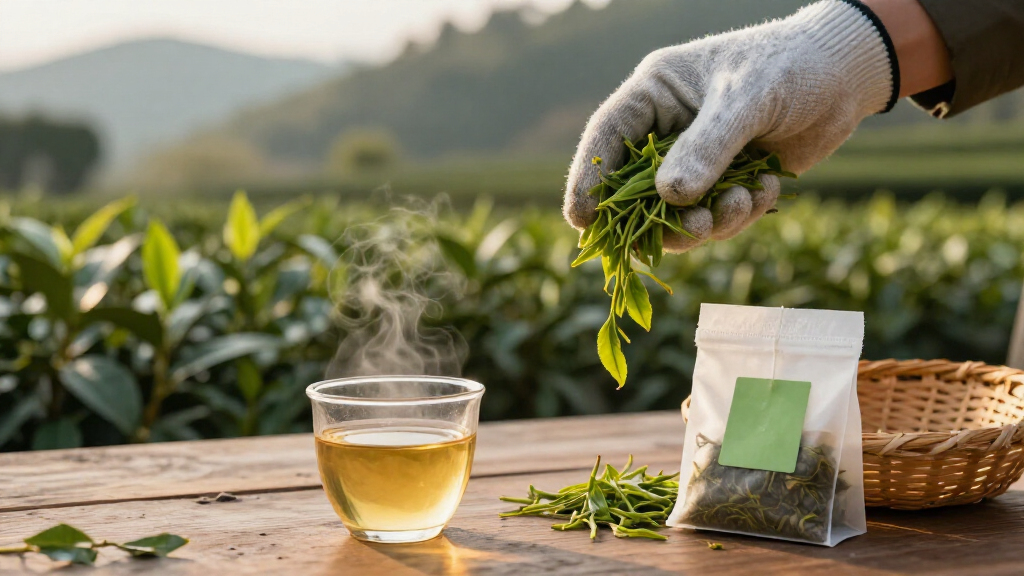
How We Picked
I compared the 13 products on the sustainability details a buyer can actually use: stated organic credentials, named third-party sourcing certifications, disclosed tea-bag materials, pack size, and whether the format fits repeated daily or batch brewing. I gave more weight to specific, product-level claims than to broad brand reputation, and treated a certification as evidence about its stated scope—not as proof that a product is impact-free. Since the lineup includes black, green, flavored, herbal, and iced tea, I also considered whether each option serves a distinct routine instead of ranking every tea by one narrow measure.
The order favors products that combine useful sourcing information with practical formats, while recognizing that public information is uneven and packaging can vary by market or over time. Organic labeling does not automatically mean compostable tea bags, and plant-based bag material does not by itself establish responsible farming. Large packs rank well for habitual drinkers but can be a poor fit for occasional tea drinkers. I treat the ranking as a guide to the evidence available for these specific products, not a complete lifecycle assessment or a guarantee of current packaging details.
Factors to Consider When Choosing Tea Sustainability Brands
A sustainability-minded tea choice involves more than picking an organic label. I recommend matching the evidence on sourcing and packaging to your own routine, then checking the current product packaging before buying because materials and certifications can change.
Read Certifications for Their Actual Scope
A certification can make a sourcing claim easier to verify, but each program addresses a defined set of standards rather than every environmental and labor issue. Check whether the claim applies to the tea leaves in the specific product, not just the parent brand or a separate product line. Organic certification speaks to agricultural production rules; it does not tell you whether workers receive fair pay or whether the bags are compostable. A sourcing seal such as Rainforest Alliance certification is a distinct signal, so compare its scope with your priorities instead of treating all seals as interchangeable. If a package uses broad words such as “natural” or “sustainable” without naming a standard, look for supporting details on the brand’s product page. For this roundup, that distinction is why Lipton’s certified iced tea has a different role from products identified as organic.
Check the Bag, String, Tag, and Wrapper
Tea bags are several components, and a claim about one part may not cover the whole sachet, string, tag, or individual wrapper. “Plant-based” describes a feedstock, but does not automatically mean home-compostable or accepted by local municipal programs. Ask whether the bag is sealed with plastic or another material, and whether the brand specifies industrial composting conditions. If packaging information is unclear, loose-leaf tea with a reusable infuser can reduce single-use components, though it may require a new brewing habit and a separate purchase. A paper-looking envelope or tea bag is not reliable proof of plastic-free construction. Verify the current package rather than relying on old product photos, especially when bag material is a deciding factor.
Choose Pack Size Around Your Real Consumption
Large packs can cut down on repeat orders and outer packaging per cup, but that advantage disappears if tea sits unused or loses flavor. Estimate how many cups you brew in a typical week and how long the package will take to finish before choosing a 50- or 100-bag option. High-volume formats such as Prince of Peace green tea or The Southern Standard iced tea make more sense for households with predictable demand. Smaller packs can be a lower-waste choice for someone testing a flavor or drinking tea only now and then. Store tea in an airtight container away from heat, light, and moisture to protect quality after opening. Treat pack size as a fit question, not an automatic sustainability score.
Match the Tea Format to Your Brewing Routine
A tea that fits your usual routine is more likely to be used fully, which matters more than choosing a format that looks greener but stays in the cupboard. Individual bags suit quick single cups, while family-size iced tea bags can make batch brewing simpler and avoid a pile of small servings. Pyramid bags may leave more room for whole or larger leaf pieces, but their shape alone says nothing about sourcing or disposal. Herbal blends also differ from traditional tea made from Camellia sinensis, so check ingredients if caffeine content or a specific plant is part of your decision. Buyers who make iced tea often should compare per-batch yield and storage needs rather than judging only by the number of bags. Pick for your actual brewing pattern first, then compare sustainability claims among products that meet it.
Separate Organic Claims from Broader Impact Claims
Organic status is useful information about how ingredients are produced under a certification standard, but it does not settle questions about transport, energy use, packaging, or working conditions. A brand may provide additional sourcing or packaging information, yet the detail can vary by product and region. Look for claims tied to the exact tea you plan to buy, plus explanations of how they are verified. Avoid assuming that a company’s general sustainability page applies equally to every blend in its range. When two products both carry organic claims, compare bag materials, certification scope, and pack size to find a meaningful difference. This keeps a single label from carrying more weight than the evidence supports.
Pay More Only for a Difference You Value
A higher-cost product is not automatically the more responsible choice, and this guide does not use price as a measure of impact. Decide which specific attribute matters most to you—such as organic sourcing, a named certification, plant-based bags, or a format that helps you avoid unused tea. Then check whether the product provides that attribute clearly and whether it changes your routine for the better. If a sustainability claim cannot be connected to a product detail or a defined standard, it may not justify choosing that option over a simpler alternative. For everyday drinkers, consistency and a pack size they can finish may matter more than an assortment of broad claims. For buyers with a particular concern, such as caffeine-free herbal tea, prioritize the relevant ingredient and sourcing information rather than chasing every label.
Frequently Asked Questions
Does organic tea automatically mean the tea bags are plastic-free?
No. Organic labeling concerns how agricultural ingredients are produced under the relevant standard; it does not, by itself, identify the material used for the bag, seal, string, tag, or wrapper. Check the exact product packaging or ask the brand for a component-by-component materials statement. If composting matters to you, confirm whether the product is home-compostable or requires industrial processing, and check local facility rules. The VAHDAM listing specifically describes plant-based pyramid bags, but that wording should not be treated as proof that every component is compostable. When materials are not disclosed, a reusable infuser with loose-leaf tea can be a more transparent route.
Which option is a better fit if I mainly want tea with a named sourcing certification?
Lipton Unsweetened Iced Tea Bags are the clearest match in this lineup because the product listing identifies Rainforest Alliance Certified tea leaves. That certification is a sourcing signal, not a blanket statement about every part of the product’s environmental footprint. Review the certification details and current package to see what applies to the tea and what remains outside its scope. If you mostly brew hot cups, compare it with certified or organic options that suit that format rather than choosing an iced-tea product solely for its seal. A specific certification is most useful when it addresses the concern you actually have.
Are large-count tea packs always the more sustainable choice?
No. A large pack may mean fewer repeat purchases and less outer packaging per cup, but only if you use the tea before it loses quality. Prince of Peace Organic Green Tea and VAHDAM Organic Himalayan Green Tea suit frequent drinkers better than someone who brews tea occasionally. The Southern Standard’s large iced-tea format is most relevant to households that make batches regularly. A smaller pack can prevent unused tea and flavor waste when you are still deciding what you like. Match the count to your household’s actual consumption rather than treating volume as a sustainability guarantee.
Should I choose bagged tea or loose-leaf tea for less waste?
Loose-leaf tea brewed in a reusable infuser can avoid individual tea bags and wrappers, but it may not be the best fit for every household. Bagged tea can be practical for quick cups, shared kitchens, or predictable portions, and a product with clearly disclosed materials may suit buyers who prefer that convenience. Compare the full package—bags, envelopes, box, and shipping—rather than judging by the tea format alone. The products in this roundup are bagged, so buyers seeking a fully reusable brewing setup may need to look beyond this selection. The lower-waste choice is often the format you can use consistently without throwing away tea or accessories.
How can I compare sustainability claims when brands disclose different amounts of information?
Start with product-specific, verifiable details: a named certification, a clear organic claim, and explicit information about bag and wrapper materials. Separate those facts from broad statements about a company’s goals, which may not describe the particular blend you are buying. If information is missing, treat that as uncertainty rather than assuming the product is either better or worse. You can contact the brand with focused questions about the tea’s certification, bag components, and disposal instructions. Comparing products on the same questions makes it easier to see why an option such as Clipper, VAHDAM, or Lipton may suit different priorities without claiming one is the most sustainable in every respect.
Conclusion
My best overall pick is Clipper Organic English Breakfast for buyers who want an everyday black tea with an organic focus; choose VAHDAM Organic Himalayan Green Tea instead if you brew often and value its stated plant-based pyramid bags and large count. For best value by routine, Prince of Peace Organic Green Tea is the high-volume choice for frequent green-tea drinkers, while Lipton’s Rainforest Alliance Certified iced tea is the better match for batch brewing and a named sourcing certification. Beginners can start with Taylors of Harrogate Pure Green Tea or PG Tips Black Tea for familiar styles and straightforward brewing, then verify packaging details if that is a deciding factor. For specific needs, choose Traditional Medicinals or Buddha Teas for caffeine-free herbal options, and The Southern Standard for regular large-batch iced tea. I would pick the option whose sourcing evidence, bag format, and pack size fit the habit you will actually maintain.