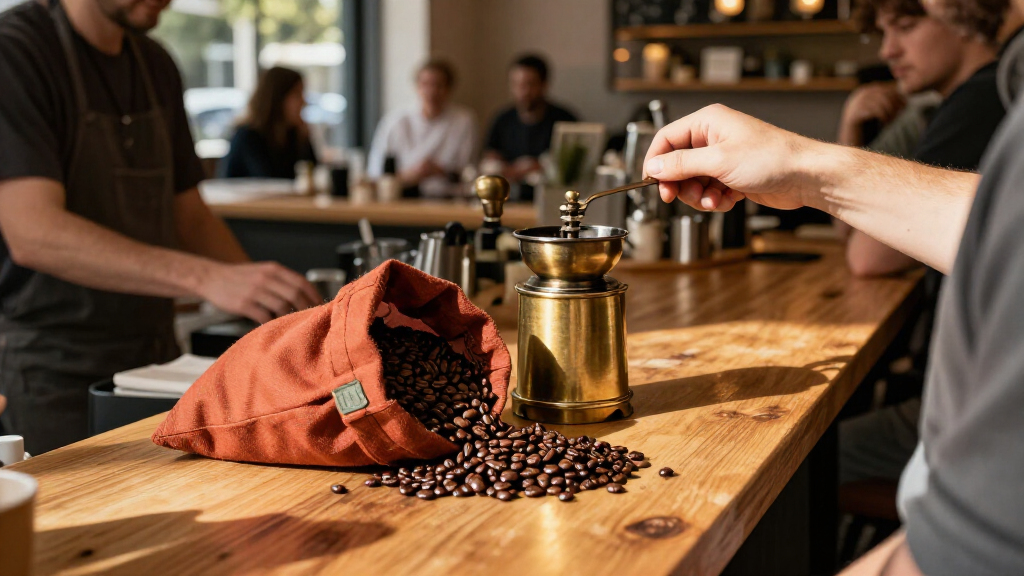

Single origin coffee beans can range from light, fruit-forward Ethiopian lots to balanced medium roasts from Peru, Colombia, and Guatemala. My best overall pick is GROUNDWORK Regenerative Organic Nicaragua for its combination of a clear origin, medium-roast versatility, and regenerative organic credentials. For a lighter, brighter cup, Whole Foods Market Ethiopia is a standout, while Mt. Comfort Organic Peru suits buyers who want a larger bag for regular brewing. The main tradeoffs are roast preference, how much origin detail and sourcing information a label provides, and whether you need a small bag or a bulk supply. Read on for the full comparison and guidance on choosing beans that fit your taste and routine.

Get coffee and tea gear delivered free with Prime
- Fast, free delivery on millions of items
- Prime Video, Amazon Music and more included
- Member-only deals all year
Complete the kit



Key Takeaways
- GROUNDWORK Nicaragua leads on sourcing distinction: its regenerative organic positioning gives it a stronger sustainability angle than options identified only as organic or Fair Trade.
- Ethiopia appears in both light and medium roasts: Whole Foods Market and Groundwork offer light-roast choices, while Bones offers a medium-roast alternative for shoppers who want the origin without a light roast.
- Peru covers two different buying needs: Amazon Fresh offers a 12-ounce organic Fair Trade bag, while Mt. Comfort’s 2.5-pound format is aimed at frequent drinkers who can use beans before freshness declines.
- Colombia has the broadest brand choice here: Bones and Jim’s both offer Colombian single-origin medium roasts, so buyers can compare brands while keeping origin and roast broadly similar.
- Origin labels do not provide equal detail: the lineup identifies countries and roast levels, but the supplied product information does not establish harvest dates, lot-level traceability, or tasting notes for every bag.


| single origin coffee bean | Origin | Roast | Flavor notes | Form |
|---|---|---|---|---|
| Amazon Fresh Organic Fair Trad | Peru | Medium | Brown sugar and chocolate | — |
| GROUNDWORK Regenerative Organi | Nicaragua | Medium | Cola and golden raisin | — |
| Whole Foods Market Ethiopia Si | Ethiopia | Light | Cocoa powder, dried berries, orange | Whole bean |
| Whole Foods Market Kenya Singl | Kenya | Light | Black currant, citrus, and stone fruit | Whole bean |
| Bones Coffee Company Colombia | Colombia, Huila region; description also mentions Brazil | Medium | Citrus | Whole bean |
| Jim’s Organic Coffee Colombian | Colombian | Medium | — | Whole bean |
| Groundwork Organic Ethiopia Wh | Ethiopia | Light | — | Whole bean |
| Mt. Comfort Coffee Organic Per | Peru | — | Nutty, chocolate, and citrus | — |
| Fresh Roasted Coffee Organic G | Huehuetenango, Guatemala | — | Milk chocolate and sweet orange | — |
| Bones Coffee Company Ethiopia | Ethiopia single-origin | Medium | Citrus, floral, and berries | Whole bean |
More Details on Our Top Picks
Amazon Fresh Organic Fair Trade Peru Whole Bean Coffee, Medium Roast, 12 oz
I’d choose this as a straightforward introduction to single-origin Peru when organic and Fair Trade sourcing matter alongside an approachable cup. Its medium roast and notes of brown sugar and chocolate point toward a smoother, less fruit-forward profile than Whole Foods Market Ethiopia, whose light roast highlights berries and orange. The 12-ounce bag also matches the size of several other picks here, including Bones Coffee Company Colombia, while this option’s stated certifications set it apart. The tradeoff is that the flavor description is less distinctive than the cola and golden raisin notes of GROUNDWORK Nicaragua, and the whole beans require a grinder. I’d rank it for buyers who prioritize clear sourcing credentials and familiar flavor over an especially unusual tasting profile.
Pros:- 100% Arabica beans identified as coming from Peru
- USDA Organic and Fair Trade certified
- Medium roast with described brown sugar and chocolate notes
- 12-ounce whole-bean bag
Cons:- Requires a grinder before brewing
- Flavor notes are less distinctive than the fruit-forward Ethiopia and Kenya options
- No specific brewing method or coffee-to-water ratio is provided
Best for: Coffee drinkers seeking a medium-roast Peru single origin with both USDA Organic and Fair Trade certifications and familiar chocolate-sugar notes.
Not ideal for: People without a grinder or buyers who want light-roast citrus and berry character rather than a smooth, medium-bodied cup.
- Origin:Peru
- Coffee:100% Arabica
- Roast:Medium
- Bean form:Whole bean
- Weight:12 oz
- Certifications:USDA Organic; Fair Trade
- Flavor notes:Brown sugar and chocolate
- Roasted and packed:U.S.A.
Our verdict“Choose this Peru bag if certified sourcing and an easygoing chocolate-and-sugar profile matter more to you than bright, fruit-led flavors.”
GROUNDWORK Regenerative Organic Nicaragua Whole Bean Coffee, Medium Roast, 10 oz
GROUNDWORK Nicaragua earns a distinct place for buyers who want a named producer and regenerative-organic sourcing, not just a country on the label. The medium roast is described with cola and golden raisin notes, giving it a more specific flavor cue than Amazon Fresh Peru’s brown sugar and chocolate profile. Its 1:15 coffee-to-water suggestion is also useful for dialing in a brew, while the Whole Foods Market Ethiopia and Kenya listings emphasize origins and tasting notes without a stated ratio. The main compromise is bag size: at 10 ounces, it contains less coffee than those 12-ounce alternatives. It is also whole bean, so a grinder is necessary, and tasting notes are subjective. I’d place it ahead of broader-origin picks for sourcing detail, but not for buyers who want a larger bag.
Pros:- Single-origin coffee sourced from Nicaragua’s SOPPEXCCA
- Regenerative Organic certification is specified
- Cola and golden raisin notes distinguish it from the more chocolate-led Peru option
- Suggested 1:15 coffee-to-water ratio gives a practical starting point
Cons:- 10-ounce package is smaller than the 12-ounce bags from several alternatives
- Whole beans require a grinder
- Tasting notes may not match every drinker’s palate
Best for: Buyers who value regenerative-organic sourcing, a named Nicaraguan producer, and a medium roast with specific tasting notes.
Not ideal for: Shoppers who need ready-ground coffee, prefer a 12-ounce bag, or want a flavor profile they can assess before brewing.
- Origin:Nicaragua
- Producer:SOPPEXCCA
- Certification:Regenerative Organic
- Roast:Medium
- Bean form:Whole bean
- Package size:10 oz
- Flavor notes:Cola and golden raisin
- Suggested coffee-to-water ratio:1:15
Our verdict“Pick GROUNDWORK Nicaragua if regenerative sourcing and a named producer outweigh the smaller bag and the need to grind at home.”
Whole Foods Market Ethiopia Single-Origin Whole Bean Coffee, Light Roast, 12 oz
For a light-roast single origin with several distinct flavor cues, this Ethiopian option is the most clearly layered pick in the group: cocoa powder, dried berries, and orange offer more than one direction in the cup. That makes it a sharper contrast to Amazon Fresh Peru’s smooth chocolate-and-brown-sugar description and Bones Colombia’s simpler citrus note. Whole Foods Market also specifies small-batch roasting and ethical sourcing from Ethiopian farms. Its certification wording is less precise than the Amazon Fresh Peru listing: the product description says packaged coffees meet one of several third-party standards but does not identify which one applies to this bag. The light roast may also be a poor match for drinkers who prefer fuller, darker-roast flavors. I’d choose it for tasting-note variety, not for a confirmed named certification.
Pros:- Ethiopian single origin with cocoa, dried berry, and orange notes
- Small-batch roasting is specified
- Ethically sourced from Ethiopian farms
- 12-ounce whole-bean bag with pour-over and French press listed as suitable methods
Cons:- Light roast may not suit drinkers who prefer darker coffee
- Whole beans require a grinder
- The listing does not identify which of the named third-party standards applies to this bag
Best for: Light-roast drinkers who want an Ethiopian single origin with berry, citrus, and cocoa notes, especially for pour-over or French press.
Not ideal for: People who prefer dark or fuller-bodied coffee, lack a grinder, or need the exact third-party certification for this individual bag to be named.
- Origin:Ethiopia
- Roast:Light
- Form:Whole bean
- Net weight:12 oz
- Flavor notes:Cocoa powder, dried berries, orange
- Sourcing:Ethically sourced from Ethiopian farms
- Roasting:Small-batch
- Suggested brewing methods:Pour-over; French press
- Certification information:Packaged coffees meet one of Rainforest Alliance, Fair Trade USA, or Fairtrade International; the specific standard for this bag is not stated
Our verdict“Choose this Ethiopia if you want a light roast with a broader fruit-and-cocoa profile and can accept certification details that are not specific to the bag.”
Whole Foods Market Kenya Single-Origin Whole Bean Coffee, Light Roast, 12 oz
This Kenya bag is the clearest choice for drinkers seeking bright, fruit-forward light-roast character: black currant, citrus, and stone fruit make its profile more overtly fruit-led than Whole Foods Market Ethiopia’s mix of cocoa, berries, and orange. The stated direct sourcing from Kenyan farmers adds origin detail, while a one-way valve bag is a practical packaging feature intended to help preserve freshness. It is specifically suited to pour-over, so the listing gives less brewing guidance than GROUNDWORK Nicaragua, which includes a coffee-to-water ratio. As with the Ethiopia listing, the certification language names possible standards without identifying which one applies to this particular bag. I’d rank Kenya for its focused flavor and packaging, but skip it if you favor medium roasts or need a clearly specified certification.
Pros:- Kenyan origin with distinctive black currant, citrus, and stone-fruit notes
- Sourced directly from Kenyan farmers
- One-way valve bag is designed to help preserve freshness
- Pour-over suitability is stated
Cons:- Light roast may not suit drinkers who prefer darker, heavier coffee
- Certification wording does not identify which standard applies to this bag
- Whole beans require a grinder
Best for: Pour-over drinkers who enjoy light-roast black currant, citrus, and stone-fruit notes and want coffee sourced directly from Kenyan farmers.
Not ideal for: People who prefer medium or dark roasts, want broad brewing instructions, or require the exact certification for the bag to be identified.
- Origin:Kenya
- Roast:Light
- Form:Whole bean
- Net weight:12 oz
- Flavor notes:Black currant, citrus, and stone fruit
- Packaging:One-way valve bag
- Sourcing:Directly from Kenyan farmers
- Suggested brewing method:Pour-over
- Certification information:Packaged coffees meet one of Rainforest Alliance, Fair Trade USA, or Fairtrade International; the specific standard for this bag is not stated
Our verdict“Choose this Kenya for a fruit-forward light-roast pour-over; choose the Ethiopia instead if you want cocoa notes alongside the fruit.”
Bones Coffee Company Colombia Single-Origin Whole Bean Coffee, Medium Roast, 12 oz
Bones Colombia is the practical pick for buyers who want a medium-roast single origin they can use across several brewing styles. The listing names French press, pour-over, and cold brew, while Whole Foods Market Kenya is specifically presented for pour-over and GROUNDWORK Nicaragua offers a ratio but fewer stated methods. Its resealable bag is another useful distinction for people who open a bag gradually. The flavor description is comparatively brief—citrus, medium body, and bright acidity—so it gives less flavor detail than the Ethiopia or Kenya options. There is also a sourcing inconsistency: the title and description identify Colombia’s Huila region, but the description reportedly mentions Brazil as well. That makes origin clarity a real drawback for a single-origin buyer. I’d choose it for brewing flexibility only if the Colombia labeling is clear on the bag.
Pros:- Arabica coffee identified with Colombia’s Huila region
- Medium roast with medium body, bright acidity, and citrus notes
- French press, pour-over, and cold brew are listed as suitable methods
- Resealable bag helps limit exposure after opening
Cons:- Product description also mentions Brazil, creating uncertainty about the stated origin
- Whole beans require a grinder
- Flavor description is less detailed than the Ethiopia and Kenya listings
Best for: Home brewers who want medium-roast whole beans for French press, pour-over, or cold brew and value resealable packaging.
Not ideal for: Strict single-origin shoppers who need unambiguous origin details, or drinkers seeking a richly described flavor profile rather than a citrus-led note.
- Origin:Colombia, Huila region; description also mentions Brazil
- Bean type:Arabica
- Roast:Medium
- Form:Whole bean
- Weight:12 oz
- Flavor notes:Citrus
- Body and acidity:Medium body; bright acidity
- Packaging:Resealable bag
- Suggested brewing methods:French press; pour-over; cold brew
Our verdict“Pick Bones Colombia for flexible brewing and resealable packaging only if you are comfortable checking the bag to resolve its conflicting origin details.”
Jim’s Organic Coffee Colombian Single-Origin Medium Roast Whole Bean Coffee, 12 oz
Jim’s Colombian is the clearest fit here for buyers who want a familiar, rounded medium roast rather than an especially bright or fruit-led single origin. Its milk chocolate notes give the cup an approachable direction, while 100% Arabica beans and whole-bean format let you set the grind for drip, French press, or pour-over. Compared with Bones Coffee Company Ethiopia, which emphasizes citrus, florals, and berries, this Colombian profile leans more toward cocoa and comfort. The one-way valve bag is intended to preserve freshness, and the coffee is artisan roasted in the USA. Its tradeoff is a less adventurous flavor description than the Ethiopian options, and you will need a grinder before brewing. Ethical sourcing and community support add appeal, though the supplied details do not specify a certification.
Pros:- Milk chocolate notes offer a familiar, rounded flavor direction
- 100% Arabica whole beans can be ground to suit different brewers
- Suitable for drip, French press, and pour-over
- Ethical sourcing and community support are part of the product description
Cons:- Requires a grinder before brewing
- Flavor details are less varied than the citrus, floral, and berry notes offered by some Ethiopian options
Best for: Drinkers seeking a medium-roast Colombian coffee with chocolate-led flavor for everyday drip, French press, or pour-over brewing.
Not ideal for: Buyers who prefer light roasts with pronounced citrus or berry character, or anyone without access to a coffee grinder.
- Origin:Colombian
- Roast:Medium
- Bean type:100% Arabica
- Form:Whole bean
- Net weight:12 oz
- Tasting notes:Milk chocolate
- Made in:USA
- Recommended brewing methods:Drip, French press, pour-over
Our verdict“Choose Jim’s Colombian if you want a versatile medium roast with a clear milk-chocolate emphasis rather than a brighter, fruit-forward cup.”
Groundwork Organic Ethiopia Whole Bean Coffee, Light Roast, 12 oz
Groundwork Organic Ethiopia is the most pointed choice in this group for buyers who want a light roast with multiple fruit and cocoa cues. Its citrus, dark fruit, and milk chocolate notes give it more range on paper than the simpler chocolate-led profile of Jim’s Colombian. The combination of washed and natural processing also distinguishes it from the fully washed Fresh Roasted Coffee Guatemala, offering a different processing story within a single-origin Ethiopian coffee. Organic, kosher, and non-GMO certifications, along with direct-trade and ethical-sourcing claims, may appeal to buyers who weigh sourcing attributes alongside flavor. Batch roasting is another stated feature. The tradeoff is its light roast: anyone seeking a deeper, more roast-led cup may prefer the medium-roast options. It is also whole bean, so a grinder is necessary.
Pros:- Citrus, dark fruit, and milk chocolate notes give the profile several distinct directions
- Certified Organic, Kosher, and Non-GMO
- Washed and natural processing are both specified
- Batch roasted daily, according to the product description
Cons:- Light roast may feel too bright or delicate for drinkers who favor darker coffee
- Whole beans require a grinder before brewing
- The flavor profile may be less familiar to buyers seeking a straightforward chocolate-led medium roast
Best for: Light-roast drinkers who want Ethiopian single-origin beans, layered fruit-and-citrus notes, and stated organic, kosher, and non-GMO certifications.
Not ideal for: People who prefer dark or roast-forward coffee, or buyers who need ready-ground beans and do not own a grinder.
- Origin:Ethiopia
- Roast:Light
- Form:Whole bean
- Net weight:12 oz
- Certifications:Certified Organic, Kosher, Non-GMO
- Processing:Washed and natural
- Sourcing:Directly traded and ethically sourced
- Tasting notes:Citrus, dark fruit, and milk chocolate
Our verdict“Pick Groundwork if a certified, fruit-accented Ethiopian light roast is more appealing than the rounder medium roasts elsewhere in the lineup.”
Mt. Comfort Coffee Organic Peru Medium Roast Whole Bean Coffee, 2.5 lb
Mt. Comfort Organic Peru stands apart primarily through its 2.5 lb bag: it suits households or shared spaces that brew often and want one single-origin coffee on hand. The medium roast is described as smooth and balanced, with nutty, chocolate, and citrus notes, making it a broader match for different preferences than the fruit-forward Groundwork Ethiopia. Its stated compatibility with drip, pour-over, French press, and espresso also gives it a wider brewing range than a coffee with fewer recommended methods. Small-batch roasting and organic whole beans round out the appeal. The main compromise is freshness management: occasional drinkers may take a long time to finish a bag this large. Unlike the 12 oz options, this purchase calls for enough storage space and a grinder capable of handling whole beans.
Pros:- 2.5 lb bag suits frequent brewing and shared spaces
- Nutty, chocolate, and citrus notes offer a balanced flavor profile
- Listed for drip, pour-over, French press, and espresso
- Organic whole beans are small-batch roasted
Cons:- Large bag may be inconvenient to store and use up for occasional drinkers
- Requires a grinder before brewing
- The product description does not specify a more detailed origin region or certifications
Best for: Frequent coffee drinkers, families, or shared workplaces that want organic Peruvian beans for several brewing styles and can use a large bag steadily.
Not ideal for: Occasional drinkers with limited storage, or anyone who wants small quantities to keep each bag in use for a shorter period.
- Origin:Peru
- Roast level:Medium
- Coffee type:Organic whole bean
- Bag weight:2.5 lb
- Flavor notes:Nutty, chocolate, and citrus
- Roasting:Small-batch
- Suitable brewing methods:Drip, pour-over, French press, espresso
Our verdict“Choose Mt. Comfort when you brew frequently and want a versatile organic medium roast in a large bag, not when you need a small, quickly consumed supply.”
Fresh Roasted Coffee Organic Guatemala Whole Bean Coffee, Medium Roast, 12 oz
Fresh Roasted Coffee Guatemala gives detail-minded buyers more stated sourcing, processing, and screening information than the other options here. The beans are identified as 100% Arabica from Huehuetenango, with Bourbon and Caturra varietals, high-altitude growing, and fully washed, patio-sun-dried processing. Organic, Fair Trade Certified, and OU Kosher credentials sit alongside screening for mold and several mycotoxins. These specifics make it a more documented choice than Jim’s Colombian, whose description focuses more on cup profile and artisan roasting. In the cup, milk chocolate and sweet orange balance a medium roast, though the mild citrus acidity may not suit people seeking a very low-acid profile. Its broad brewing compatibility is useful, but the 12 oz whole-bean bag still requires a grinder.
Pros:- Origin is specified as Huehuetenango, with Bourbon and Caturra varietals
- USDA Organic, Fair Trade Certified, and OU Kosher
- Screened for mold, mycotoxins, aflatoxin, and ochratoxin
- Compatible with a wide range of brewers, including espresso, AeroPress, and moka pot
Cons:- Mild citrus acidity may not suit people who prefer low-acidity coffee
- Whole beans require a grinder before brewing
- The additional origin and testing detail may matter less to buyers primarily choosing by roast or flavor
Best for: Buyers who want a medium-roast Guatemalan single origin with named varietals, multiple certifications, and stated screening for mold and mycotoxins.
Not ideal for: Drinkers who avoid citrus-like acidity, or buyers who want pre-ground coffee and do not have a grinder.
- Coffee type:100% Arabica, single-origin
- Origin:Huehuetenango, Guatemala
- Roast level:Medium
- Flavor notes:Milk chocolate and sweet orange
- Varietals:Bourbon and Caturra
- Growing altitude:Over 1,650 meters above sea level
- Processing:Fully washed and patio sun-dried
- Certifications and testing:USDA Organic, Fair Trade Certified, OU Kosher; screened for mold, mycotoxins, aflatoxin, and ochratoxin
- Brewing compatibility:Drip, espresso, pour-over, AeroPress, French press, moka pot, and percolator
Our verdict“Choose this Guatemala when origin detail, certifications, and stated screening are priorities and a gently citrusy medium roast fits your taste.”
Bones Coffee Company Ethiopia Single-Origin Medium Roast Whole Bean Coffee, 12 oz
Bones Coffee Company Ethiopia pairs Ethiopian origin with a medium roast and a stated smooth, low-acidity profile, setting it apart from Groundwork’s light-roast Ethiopia. That makes this a stronger fit for people who want citrus, floral, and berry notes without choosing the lineup’s most explicitly light-roast option. Its small-batch roasting and resealable bag suit buyers who want a whole-bean supply they can close between uses. Compared with Jim’s Colombian, the flavor cues are more fruit- and flower-led rather than centered on milk chocolate, although both are medium roasts. The tradeoff is limited specification detail: the description does not name a processing method or a more precise Ethiopian growing region. It also requires a grinder, as do the other whole-bean choices.
Pros:- Citrus, floral, and berry notes distinguish it from chocolate-led medium roasts
- Low-acidity description may suit drinkers who avoid sharper cups
- Resealable bag helps close the package between brewing sessions
- Suitable for drip, French press, pour-over, and cold brew
Cons:- Whole beans require a grinder before brewing
- No processing method or more specific Ethiopian growing region is provided
- Medium roast may be less appealing to buyers who specifically want a light-roast Ethiopian profile
Best for: Drinkers curious about Ethiopian citrus, floral, and berry flavors who want a medium roast described as smooth and low in acidity.
Not ideal for: Buyers seeking a light roast, detailed farm or processing information, or coffee that can be brewed without grinding.
- Origin:Ethiopia single-origin
- Bean type:Arabica
- Roast:Medium
- Flavor notes:Citrus, floral, and berries
- Acidity:Low
- Form:Whole bean
- Net weight:12 oz
- Packaging:Resealable bag
- Recommended brewing methods:Drip, French press, pour-over, cold brew
Our verdict“Pick Bones Ethiopia for fruit-and-floral character in a medium roast described as low-acidity, rather than Groundwork’s light-roast approach.”
How We Picked
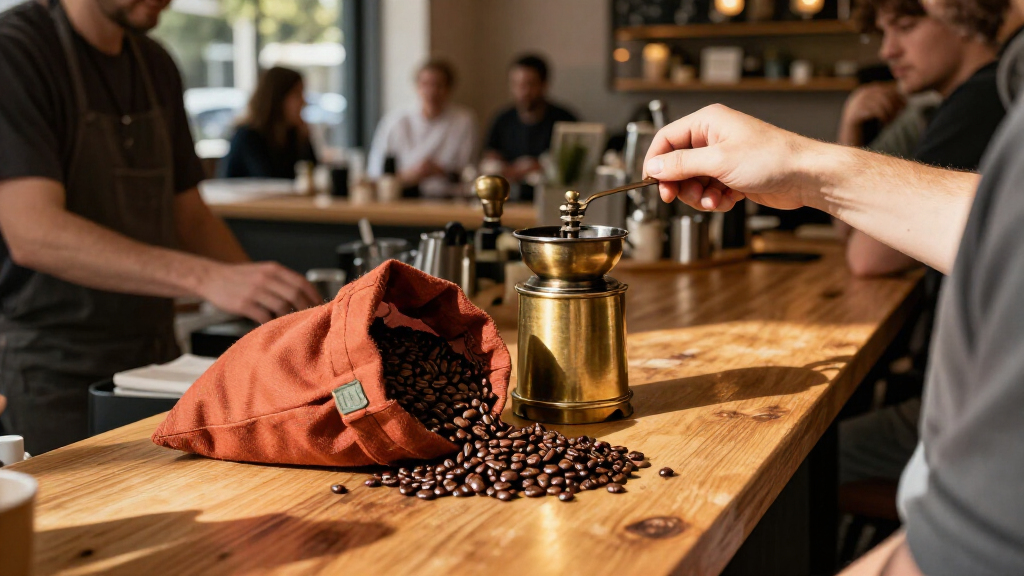
I compared the ten options through the needs specific to single-origin coffee buyers: how clearly each product identifies its country of origin, whether the roast gives buyers a meaningful way to choose a flavor direction, and what sourcing claims are provided. I also looked at practical fit, including whole-bean format, bag size, and whether a larger package could suit repeat brewing. Organic, Fair Trade, and regenerative organic claims matter as differentiators, but they are not substitutes for origin transparency or a roast that matches a buyer’s preference.
The ranking favors products that combine a clear origin with useful buying distinctions and a format that suits a range of routines. GROUNDWORK Nicaragua ranks first for its origin, medium roast, and regenerative organic positioning. Ethiopia options follow for buyers seeking a lighter profile, while Colombia, Peru, and Guatemala picks give medium-roast drinkers more variety. The order also reflects limits in the available product details: where harvest, processing, tasting notes, or sourcing specifics are not stated, I do not treat them as proven advantages.
| single origin coffee bean | Roast |
|---|---|
| Amazon Fresh Organic Fair Trad | Medium |
| GROUNDWORK Regenerative Organi | Medium |
| Whole Foods Market Ethiopia Si | Light |
| Whole Foods Market Kenya Singl | Light |
| Bones Coffee Company Colombia | Medium |
| Jim’s Organic Coffee Colombian | Medium |
| Groundwork Organic Ethiopia Wh | Light |
| Mt. Comfort Coffee Organic Per | — |
| Fresh Roasted Coffee Organic G | — |
| Bones Coffee Company Ethiopia | Medium |
Factors to Consider When Choosing Single Origin Coffee Beans
I’d choose single-origin beans by matching origin, roast, sourcing information, and bag size to the way I actually brew. These checks help separate a useful origin-led purchase from a label that offers too little detail to guide a repeat buy.
Match Roast Level to Your Brewing Preference
Roast level often shapes the cup as much as country of origin, so I would decide whether I prefer lighter or more developed flavors before choosing a region. Light-roast options in this group come from Ethiopia and Kenya, while the medium-roast choices span Nicaragua, Peru, Colombia, and Guatemala. A common mistake is to assume every coffee from one country tastes alike; roast, processing, and harvest conditions can make substantial differences. If I already know I prefer a fuller, less bright cup, a medium roast is a safer starting point than selecting by origin name alone. Buyers exploring lighter roasts should brew carefully and avoid changing grind, dose, and water temperature all at once. Compare beans using the same method so origin differences are easier to notice.
Check How Much Origin Information the Label Gives
A country name is a useful first step, but it does not tell me whether beans come from a particular farm, cooperative, or region within that country. More specific sourcing details can help buyers understand why one bag may differ from another and make repeat purchases easier. Do not confuse a single-country label with full traceability: the products in this roundup do not all provide harvest dates, processing methods, or lot-level details in the supplied information. If those details matter to you, check the current package or roaster’s product page before buying. A broader origin label can still be a reasonable choice for everyday brewing, especially when roast and certifications meet your priorities. The tradeoff is less ability to predict flavor from the label alone.
Treat Certifications as One Part of the Decision
Organic, Fair Trade, and regenerative organic claims speak to different sourcing priorities, so I would compare the exact claim rather than treating them as interchangeable. This lineup includes organic options, an organic Fair Trade Peru, and GROUNDWORK’s regenerative organic Nicaragua. A certification can help narrow choices when farming or trade practices matter to you, but it does not by itself establish freshness, flavor preference, or detailed farm traceability. Buyers sometimes pay attention to a seal and overlook whether the roast suits their brewing habits. I’d first decide which sourcing standards matter most, then compare the remaining coffees on roast, origin detail, and pack size. When a product description makes a broad claim without naming a standard, verify the package details.
Choose Bag Size Around Freshness and Use
Bag size is a practical quality decision: whole beans generally keep their character better when stored well and used promptly after opening. Most options here come in 10- or 12-ounce bags, while Mt. Comfort offers a 2.5-pound bag suited to households that brew often. A bulk bag can reduce how often you reorder, but it is a poor fit if you drink coffee slowly or want to compare several origins before committing. Consider how many cups you make each week and whether you can store unopened portions airtight and away from heat and light. Buying multiple smaller bags can preserve variety, though it may mean more packaging and more frequent purchases. I would prioritize a size I can use while the beans are still lively over a large format chosen only for convenience.
Buy for Your Brewing Method, Not Just the Origin
Whole beans let you adjust grind size for methods such as drip, pour-over, French press, and espresso, but the roast and brewing method still need to work together. A light roast can be rewarding in a pour-over, while a medium roast may offer an easier starting point across common home brewers. That is a tendency, not a rule: equipment, water, and recipe can change the result. Before rejecting a bag, adjust one variable at a time, such as grind size or brew ratio, rather than changing everything at once. If you make espresso, check whether the roaster gives guidance for espresso use; the product details listed here do not establish that every coffee is intended for it. Buyers without a grinder should also factor in the convenience of grinding whole beans at home versus purchasing ground coffee elsewhere.
Frequently Asked Questions
Is a single-country label enough to tell me how the coffee will taste?
No. Country of origin gives a helpful starting point, but it cannot specify the flavor of every coffee from that country. Roast level, growing region, processing, harvest conditions, and freshness all affect the cup. This roundup includes Ethiopian beans in both light and medium roasts, illustrating why origin alone does not determine your choice. When tasting notes or lot details are absent, use roast and brewing preference as additional clues rather than relying on the country name alone.
Should I choose a light or medium roast if I am new to single-origin coffee?
If you are unsure, a medium roast is often a flexible starting point because it suits a range of everyday brewing methods. This selection includes medium-roast options from Nicaragua, Peru, Colombia, and Guatemala, giving you several origins to explore without changing roast level. Choose a light roast if you already enjoy brighter or more delicate coffees and want to compare the Ethiopian or Kenyan choices. Brew one bag consistently before switching origins, since a changing recipe can make the comparison harder to interpret. Your own preference matters more than a rule about which roast is best for beginners.
Does organic or Fair Trade certification tell me which bag will taste best?
No. Certifications can help you choose based on sourcing priorities, but they do not predict which roast or origin you will enjoy most. The lineup includes organic coffees, an organic Fair Trade Peru, and GROUNDWORK’s regenerative organic Nicaragua, yet those claims answer different questions from taste preference. I would treat certifications as a filter, then compare origin, roast, freshness information, and package size. If a particular standard matters to you, verify the exact claim on the current bag rather than assuming similar wording means the same thing.
Is the 2.5-pound Peru bag a good choice if I want to sample different origins?
It is better suited to a household that already knows it enjoys Peru and brews often than to someone building a tasting rotation. A large bag can be convenient, but opening it slowly over an extended period may reduce the freshness of the remaining beans. For sampling, the 10- or 12-ounce bags in this roundup make it easier to compare origins without committing to a large quantity. If you choose the bulk format, consider dividing the beans into airtight portions and keeping them away from heat, light, and moisture. That approach can make the larger quantity more practical, though it does not replace buying a bag sized to your use.
What should I check if the package gives only the country and roast level?
Check the roast date or freshness guidance, the specific sourcing or certification language, and whether the roaster provides tasting or brewing information elsewhere. Country and roast level are useful, but they leave questions about region, processing, and traceability unanswered. If those details are not available, treat the coffee as a less predictable choice rather than assuming the missing information is favorable. You can still make a sensible purchase by choosing a familiar roast and a bag size you can finish promptly. Keep your brew method consistent so you can judge whether you want to buy the same origin again.
Conclusion
For the best overall balance, I’d choose GROUNDWORK Regenerative Organic Nicaragua, which pairs a clear origin and medium roast with a distinct regenerative organic claim. For value-minded everyday brewing, Amazon Fresh Organic Fair Trade Peru offers an accessible 12-ounce format with both organic and Fair Trade positioning, while Mt. Comfort Organic Peru is the better fit for frequent drinkers who can use a 2.5-pound bag. For beginners, I’d start with a medium roast such as the Nicaragua, Colombia, or Guatemala options before exploring lighter Ethiopian or Kenyan coffees. For a premium sourcing priority, choose GROUNDWORK Nicaragua for its regenerative organic positioning, while buyers seeking a lighter cup can compare the Ethiopia and Kenya picks. There is no single winner for every brewer: choose by roast preference, sourcing detail, and how quickly you will use the beans.