
Building a shared language for tea tasting helps you describe aroma, flavor, and nuances clearly, making conversations and assessments more meaningful. Use specific words like floral, fruity, nutty, or earthy to express your sensory experiences accurately. Understanding how factors like origin and processing influence taste allows you to refine your vocabulary. As you explore these descriptors and principles, you’ll enhance your confidence and appreciation—if you keep exploring, you’ll master this flavorful language.
Key Takeaways
- Establish common sensory descriptors for aroma, flavor, and aftertaste to facilitate clear communication among tea enthusiasts.
- Understand how factors like origin and processing influence aroma and flavor, enhancing descriptive accuracy.
- Use precise vocabulary such as floral, fruity, nutty, and earthy to articulate tea characteristics effectively.
- Develop awareness of how brewing techniques impact sensory profiles, refining tasting language and shared understanding.
- Promote mindful tasting practices that foster confidence and consistency in describing and discussing teas.

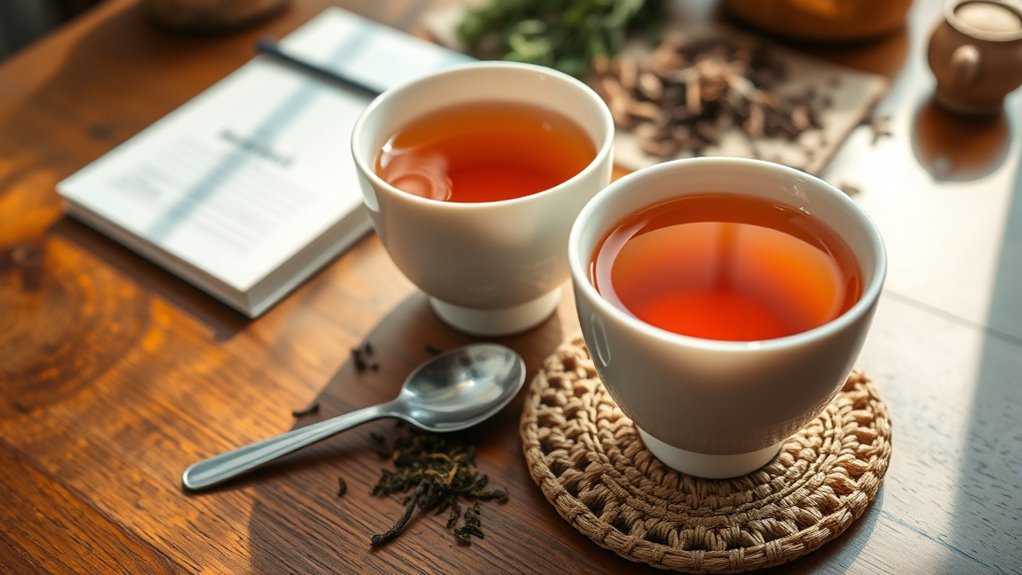
Have you ever wondered how to describe the nuanced flavors and aromas of tea? Developing a shared language for tea tasting allows you to communicate your experiences clearly and connect with others who share your passion. When you start exploring tea tasting vocabulary, one of the first things to focus on is understanding the tea aroma. The aroma is the first impression you get when you smell the tea, and it sets the stage for how you perceive its flavor profile. Describing the tea aroma involves noting whether it’s floral, fruity, nutty, roasted, or earthy. These descriptors help you articulate what makes each tea unique, whether it’s the delicate scent of jasmine or the robust, malty aroma of a dark roast. Recognizing these subtle differences sharpens your palate and enhances your appreciation for the complexity of tea.
Once you’ve identified the tea aroma, you can start to explore its flavor profile. The flavor profile encompasses more than just taste; it includes the overall sensory experience, combining taste, aroma, and aftertaste. When tasting tea, pay attention to the initial sip, noting whether it’s sweet, bitter, astringent, or umami. For example, a green tea might have a fresh, grassy flavor, while an oolong could offer a complex mix of floral and fruity notes. A black tea might deliver a bold, malty taste with hints of caramel. Describing these sensations with precise language helps build your vocabulary and makes it easier to compare different teas. It’s helpful to think of flavor profile as a spectrum, with various notes blending seamlessly or standing out distinctly. Additionally, understanding how different health benefits of juice can influence your overall well-being may motivate a more mindful approach to tea selection and tasting.
Building this shared language also involves understanding how different factors influence tea aroma and flavor profile. Variables such as origin, processing method, and brewing technique all play a role. For instance, a lightly oxidized tea will have a different aroma and flavor profile than a heavily oxidized one. Similarly, a well-steeped tea will reveal more nuanced notes than a poorly brewed cup. As you experiment, you’ll start to recognize these patterns and incorporate appropriate vocabulary to describe them accurately. Over time, your ability to articulate tea qualities will become more refined, allowing you to participate more confidently in tastings, discussions, and evaluations.

Tea Tasting Journal~Flavor Wheel~Color Meter~Origin~Aroma~Smell
As an affiliate, we earn on qualifying purchases.
As an affiliate, we earn on qualifying purchases.
Frequently Asked Questions
How Can I Improve My Tea Tasting Skills Quickly?
To improve your tea tasting skills quickly, focus on enhancing your tea aroma recognition by paying close attention to the scents in each sip. Practice identifying different aromas and flavors, and compare notes to develop your flavor profile recognition. Take notes on each tea you taste, and revisit them regularly. With consistent practice, you’ll sharpen your palate and build a more refined understanding of tea nuances in no time.
What Are Common Mistakes Beginners Make in Tea Tasting?
They say, “You never get a second chance to make a first impression,” and that’s true in tea tasting. Beginners often overlook the tea aroma, rushing through the process, or judge based only on leaf appearance. Take your time to smell and observe. Focus on all sensory details. Avoid rushing, and you’ll develop a more refined palate and better understanding of each tea’s unique qualities.
How Does Terroir Influence Tea Flavor Profiles?
Terroir greatly influences your tea’s flavor profile by shaping its aroma and taste. It encompasses factors like soil, climate, and elevation, which contribute to unique characteristics. You’ll notice that terroir also affects cultivation methods, impacting how teas develop their distinct qualities. When tasting, pay attention to these nuances, recognizing how the land and farming techniques combine to create the complex flavors and aromas in your cup.
Can Tea Tasting Vocabulary Vary Across Different Cultures?
You’ll find that tea tasting vocabulary varies across cultures, like a vibrant tapestry of regional flavor descriptors and tasting terms. As you explore different traditions, you’ll notice unique expressions capturing the aroma, body, and finish of teas. These regional tasting terminology add depth and richness to your experience, allowing you to appreciate the cultural nuances woven into each sip. Embrace this diversity to deepen your understanding and enjoyment of tea.
What Tools Are Essential for a Professional Tea Tasting Session?
For a professional tea tasting session, you need essential tools like a tasting tray, aroma cups, and a timer. These help you accurately evaluate tea aroma profiles and develop detailed tasting notes. Use a teapot or gaiwan for brewing, ensuring precise temperature control. Keep a notebook handy to document observations. Proper tools enable you to focus on nuanced flavors, aromas, and improve your overall tasting skill.

Tiesta Tea – Top 8 Favorites Sampler Set, Loose Leaf, Up to 80 Cups, High to No Caffeine, Hot & Iced, Tea Variety Pack with Green, Herbal, & Black, 8 Sample Pouches
DIVERSE TEA SELECTION: Dive into Tiesta Tea’s premium Loose Leaf Tea Set, featuring our most popular handcrafted blends….
As an affiliate, we earn on qualifying purchases.
As an affiliate, we earn on qualifying purchases.
Conclusion
So, armed with this refined vocabulary, you’re now ready to elevate your tea tastings from mere sips to sophisticated symphonies. Forget those amateurish guesses; you’ll confidently dissect floral nuances and earthy undertones like a true connoisseur. Just remember, with great vocabulary comes great responsibility—and perhaps a touch of pretension. But hey, if you’re going to judge a brew, might as well do it with eloquence and a dash of savoir-faire. Cheers to your newfound linguistic mastery!
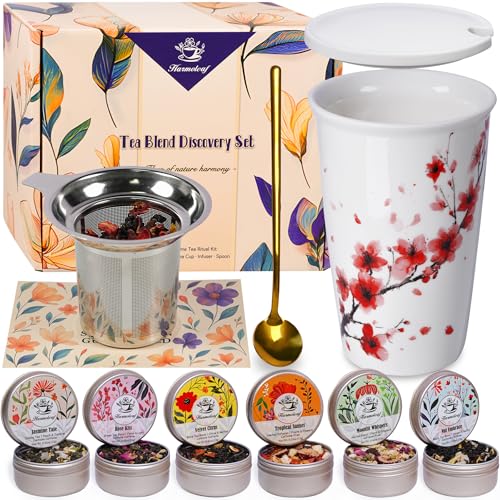
Harmoleaf Tea Gift Set for Women – 6 Herbal Loose Leaf Tea Blends, Insulated Ceramic Cup with Infuser & Lid | Birthday, Mother's Day, Anniversary & Retirement Gift for Her
🌸 Elegant Gift for Any Occasion: Packaged in a beautifully designed gift ready box, our tea discovery packs…
As an affiliate, we earn on qualifying purchases.
As an affiliate, we earn on qualifying purchases.

Tea Steeper, 2Pcs Mesh Tea Infuser Premium Tea Filter Tea Interval Diffuser with Extended Chain Hook for Brew Loose Leaf Tea and Spices & Seasonings
ENJOY YOURSELF: The perfect way to enjoy a cup of fresh brew tea! Filter your favorite loose tea…
As an affiliate, we earn on qualifying purchases.
As an affiliate, we earn on qualifying purchases.