Filter paper influences your coffee’s taste by controlling how oils, fine particles, and flavors pass through during brewing. Thinner filters let more oils and tiny particles pass, resulting in a richer, fuller body, while thicker filters trap these, making your coffee cleaner and lighter. Porosity affects water flow and extraction, impacting flavor clarity. By choosing the right filter, you can customize your brew’s aroma and body—exploring these factors can unleash new flavor possibilities.

Get coffee and tea gear delivered free with Prime
- Fast, free delivery on millions of items
- Prime Video, Amazon Music and more included
- Member-only deals all year
Key Takeaways
- Different filter materials and porosity levels affect how oils and fine particles pass through, altering flavor and body.
- Filter shape and size influence water flow and contact time, impacting extraction and taste.
- Filter porosity controls flow rate, affecting extraction speed and flavor clarity.
- Proper filter choice allows delicate oils and aromatics to pass, enhancing freshness and aroma.
- Filter paper can trap or let through flavors and oils, shaping the overall taste profile of the coffee.

When brewing coffee, the type of filter paper you use can considerably influence the flavor of your cup. Different filter papers have varying porosities, materials, and thicknesses, all of which can affect how the coffee interacts during extraction. A thinner filter allows more oils and fine particles to pass through, enriching the flavor and body of your brew, while a thicker or bleached filter might trap more of these elements, resulting in a cleaner, lighter taste. Beyond the material, the shape and size of the filter also matter, as they influence water flow and contact time with the coffee grounds. Choosing the right filter paper isn’t just about convenience; it plays a pivotal role in how your coffee tastes.
Additionally, the material composition of the filter paper can impact how much of the coffee’s oils and flavors are retained or allowed through, further affecting the overall profile of your brew. The porosity of the filter paper can also influence how quickly water passes through, impacting extraction time and flavor clarity. Using filters with appropriate porosity levels can help you better control the extraction process and achieve your desired flavor profile. Brewing temperature is another critical factor that works hand-in-hand with filter paper to determine flavor. When water is too hot, it can extract bitter compounds from the coffee, overshadowing the subtle, nuanced flavors. Conversely, if the temperature is too low, your coffee might lack richness and depth. The filter paper’s porosity can moderate how temperature affects extraction, with some papers insulating the grounds slightly and others allowing faster flow. Properly understanding the role of filter characteristics can help you optimize your brewing process for a more flavorful cup. Adjusting your brewing temperature while selecting the appropriate filter paper ensures you extract the optimum flavors without undesirable bitterness or weakness.
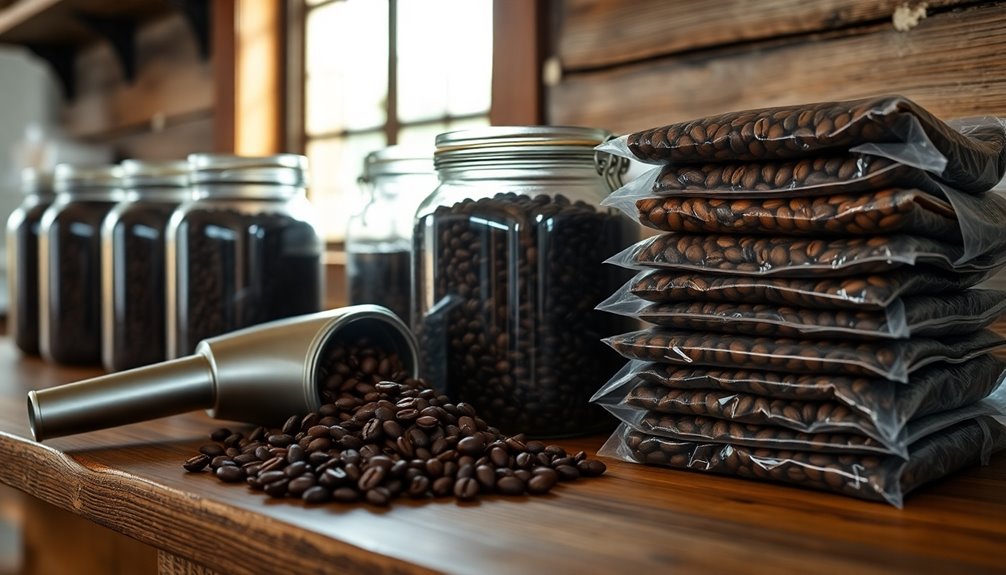
Coffee bean freshness is equally influential in shaping the final taste. Freshly roasted beans contain more volatile oils and aromatic compounds, which contribute to a vibrant, complex flavor profile. When using filter paper, fresher beans tend to produce a more aromatic and flavorful brew because the paper allows those delicate oils to pass through more readily, especially if the filter’s porosity is suitable. Older beans, on the other hand, have lost some of their aromatic oils and can produce a duller, flatter taste regardless of the filter used. In this way, the filter paper complements the french roasting process—enhancing the vibrant qualities of fresh beans or, if not chosen carefully, potentially dampening their full potential.
Ultimately, the combination of the filter paper you select, the brewing temperature, and the freshness of your beans creates a delicate balance that defines your coffee’s taste. Paying attention to these factors ensures that you get the most out of your beans, highlighting their unique flavors and aromas. As you experiment with different filter papers, you’ll discover how subtle changes can elevate your brewing process, making each cup a personalized experience. So, next time you brew, consider how your choice of filter paper can unlock new layers of flavor, and enjoy a richer, more satisfying coffee experience.
coffee filter paper for flavor enhancement
As an affiliate, we earn on qualifying purchases.
As an affiliate, we earn on qualifying purchases.
Frequently Asked Questions
Can Filter Paper Affect the Coffee’s Aroma?
Yes, filter paper can affect the coffee’s aroma. It influences aroma preservation by trapping some volatile compounds, which can diminish the coffee’s fragrant nuances. At the same time, a quality filter paper can enhance flavor by removing impurities that might mask delicate aromas. Choosing the right filter paper helps you enjoy a richer, more vibrant aroma and better overall flavor, elevating your coffee experience with each brew.
Does the Thickness of Filter Paper Change Flavor?
Yes, the thickness of filter paper can change the flavor of your coffee. Thicker filters may slow extraction, impacting flavor preservation and resulting in a different taste profile. They can also influence texture, making the coffee feel heavier or lighter on your palate. You might notice a smoother or more muted flavor with thicker paper, while thinner filters preserve more delicate notes and provide a brighter, more vibrant taste.
Are There Specific Filter Papers for Different Coffee Types?
Yes, there are specific filter paper types for different coffee brewing methods. For example, paper designed for pour-over brewing often has a thinner, more porous structure, enhancing flavor clarity, while filters for French press or drip coffee might be thicker to retain oils and body. Choosing the right filter paper type can improve extraction, highlighting unique coffee flavors and ensuring your brewing process delivers the best taste.
How Does Filter Paper Impact Coffee’s Acidity?
Filter paper impacts your coffee’s acidity by influencing the brew strength and filtering out certain acids. A finer filter material traps more compounds, resulting in a smoother, less acidic cup. Conversely, a coarser filter allows more acids through, boosting brightness and tanginess. So, the type of filter paper you use directly affects the acidity level, giving you control over your coffee’s flavor profile.
Is Biodegradable Filter Paper Better for Taste?
Biodegradable filter paper is better for taste because it offers superior flavor retention, allowing the coffee’s nuanced flavors to shine through without interference. Plus, its eco-friendly benefits appeal to your conscience, reducing plastic waste. You’ll notice a cleaner, more authentic cup, and feel good knowing you’re making an environmentally conscious choice. Overall, biodegradable filters enhance your coffee experience while supporting sustainability efforts.
Conclusion
Next time you brew coffee, think of filter paper as a gatekeeper, much like a bouncer at a club. It keeps out the unwanted, ensuring only the best flavors get through. I once watched a friend switch to unbleached filter paper, and her coffee suddenly tasted brighter, clearer—like a fog lifting from a mountain peak. Just as a good gatekeeper can change the vibe of a place, filter paper can transform your coffee experience into something truly delightful.
Halloween Picks
halloween
As an affiliate, we earn on qualifying purchases.