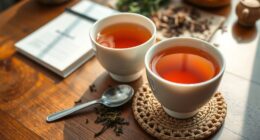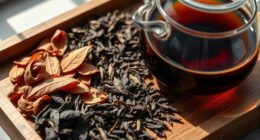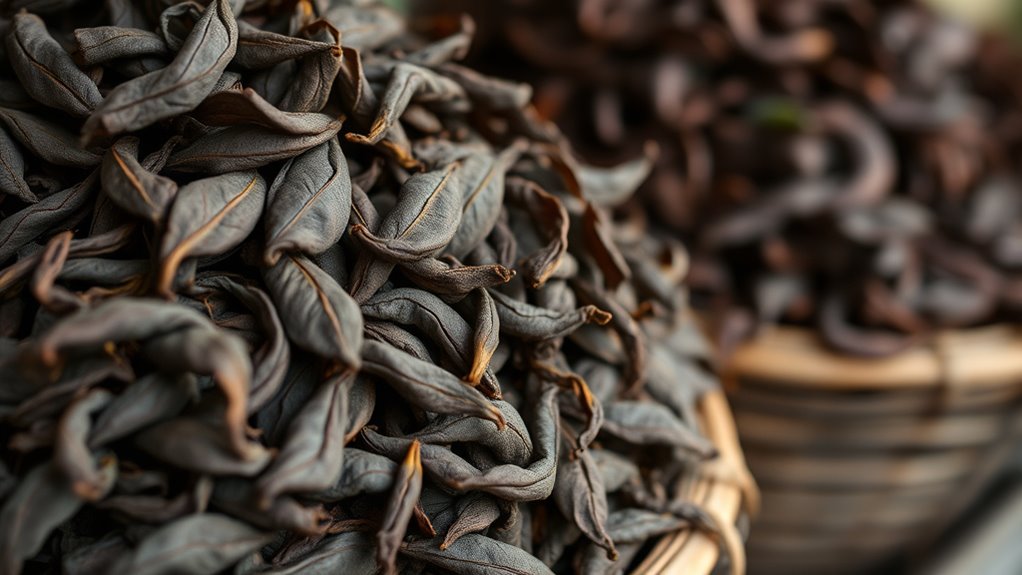

Exploring Pu-Erh tea means discovering a rich, fermented beverage from China’s Yunnan province with deep cultural roots. You’ll notice its earthy flavors, which develop through traditional fermentation and aging processes involving microbial activity and careful storage. With varieties like raw and ripe, Pu-Erh offers diverse tastes and health benefits, including antioxidants and digestive support. To fully appreciate its craftsmanship and flavor evolution, continue exploring these fascinating details and secrets behind this ancient tea tradition.
Key Takeaways
- Pu-Erh tea originates from China’s Yunnan province and is renowned for its unique fermented and aged flavor profiles.
- It involves traditional processing methods, including fermentation, pressing, and natural aging to develop complex flavors.
- Pu-Erh is available in raw (sheng) and ripe (shou) varieties, each with distinct taste characteristics and aging processes.
- Known for health benefits, it supports digestion, contains antioxidants, and promotes overall wellness through probiotics.
- Proper storage and brewing techniques enhance flavor, preserve quality, and allow the tea’s flavor to mature over time.
The Origins and Cultural Significance of Pu-Erh

Pu-Erh tea has a rich history rooted in China’s Yunnan province, where it’s been cultivated and enjoyed for centuries. It plays a crucial role in traditional tea ceremonies, symbolizing respect and harmony. During these rituals, Pu-Erh’s deep, earthy flavors enhance the experience, emphasizing mindfulness and connection. The tea’s cultural symbolism extends beyond ceremonies, representing good fortune, longevity, and health in Chinese society. Its unique fermentation process and aging transform it into a treasured commodity that reflects the region’s history and customs. As you partake in a Pu-Erh tea ceremony, you’re engaging with a centuries-old tradition that embodies respect for nature and cultural heritage. Additionally, the cultural content surrounding Pu-Erh emphasizes its significance in community and celebration. This deep-rooted symbolism elevates Pu-Erh beyond a simple beverage, making it an essential part of Chinese cultural identity. Moreover, understanding the fermentation process highlights the complex transformation that enhances its health benefits, enriching appreciation for its flavors and significance.
Traditional Methods of Producing Pu-Erh Tea
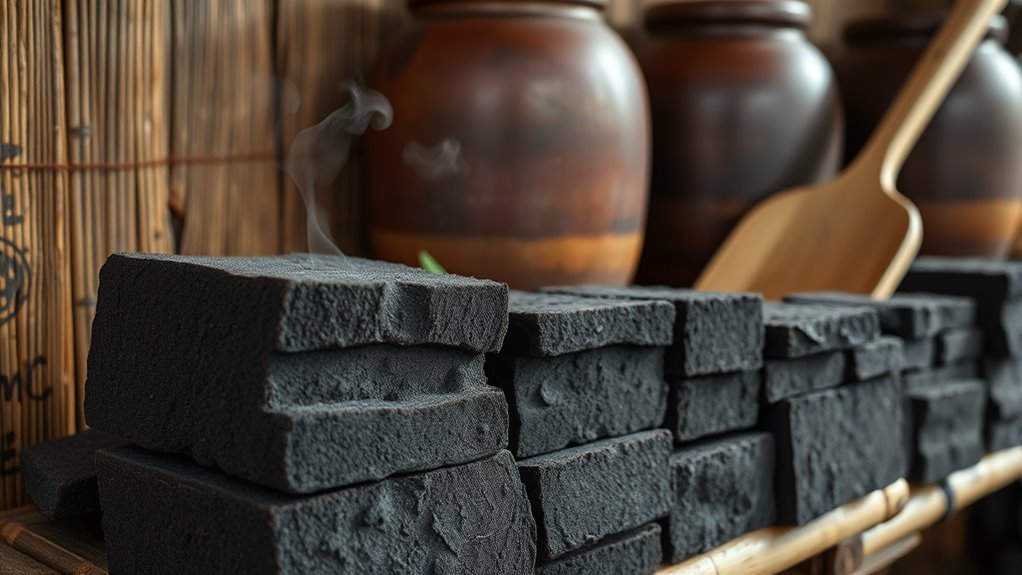
The traditional production of Pu-Erh tea involves a meticulous process that has been refined over centuries. You start by selecting high-quality tea leaves from a tea plantation, where the climate and soil influence flavor. After harvesting, the leaves are withered and then pan-fired to halt oxidation. Next, you shape the leaves into their characteristic form. The vital step involves fermenting the tea in a fermentation vessel, often a large heap or enclosed container, where microbial activity occurs. This fermentation process is closely monitored to develop the desired flavor profile. Once fermentation is complete, the tea is pressed into cakes or bricks and left to age naturally. These traditional methods preserve the essence of Pu-Erh, making each batch a unique expression of time-honored craftsmanship. Additionally, fermentation techniques play a crucial role in developing the tea’s distinctive taste and health benefits. Proper fermentation not only enhances flavor complexity but also influences the bioactive compounds, which are affected by microbial activity during fermentation, contributing to its health-promoting properties. The fermentation process also impacts the storage conditions, which are essential for aging and flavor development.
The Unique Fermentation and Aging Process

Fermentation and aging are what give Pu-Erh tea its distinctive character. During microbial fermentation, beneficial microbes break down tea leaves, developing complex flavors. The aging process further refines these flavors, often enhancing earthiness and depth. The table below shows key factors involved:
| Factor | Effect |
|---|---|
| Microbial fermentation | Develops unique aroma and flavor profiles |
| Temperature | Accelerates or slows fermentation |
| Humidity | Influences microbial activity |
| Age of tea | Enhances smoothness and complexity |
| Storage conditions | Affect overall quality and taste |
Your careful control over these factors determines whether the tea matures into a prized aged Pu-Erh or a less refined product. Natural materials like clay or wood containers are often used to optimize fermentation conditions, further influencing the tea’s development. Additionally, controlled environment plays a crucial role in maintaining optimal fermentation and aging conditions. Proper humidity management is essential for achieving the desired flavor profile during aging, and understanding the microbial activity involved can help in fine-tuning the process.
Varieties and Styles of Pu-Erh Tea

Among the various types of Pu-Erh tea, you’ll find distinct styles that cater to different tastes and preferences. The tea leaf varieties, mainly raw (sheng) and ripe (shou), define the fundamental differences in flavor and texture. Sheng Pu-Erh undergoes natural aging and fermentation over time, resulting in a complex, evolving profile. Ripe Pu-Erh, on the other hand, uses an accelerated fermentation process, creating a darker, earthier brew much sooner. Within these categories, you’ll also notice regional and processing variations, such as pressed cakes or loose leaves. Each style reflects specific fermentation methods, which influence aroma, body, and overall character. Understanding these varieties helps you choose the right Pu-Erh to suit your taste and experience the rich diversity of this ancient tea. Additionally, fermentation techniques play a crucial role in shaping the unique qualities of each style, highlighting the importance of processing methods in tea production. Proper storage conditions are also vital to preserve the tea’s quality and allow for optimal aging, further affecting flavor development. Moreover, aging potential varies among styles, offering different experiences as the tea matures over time.
Tasting Notes and Flavor Profiles
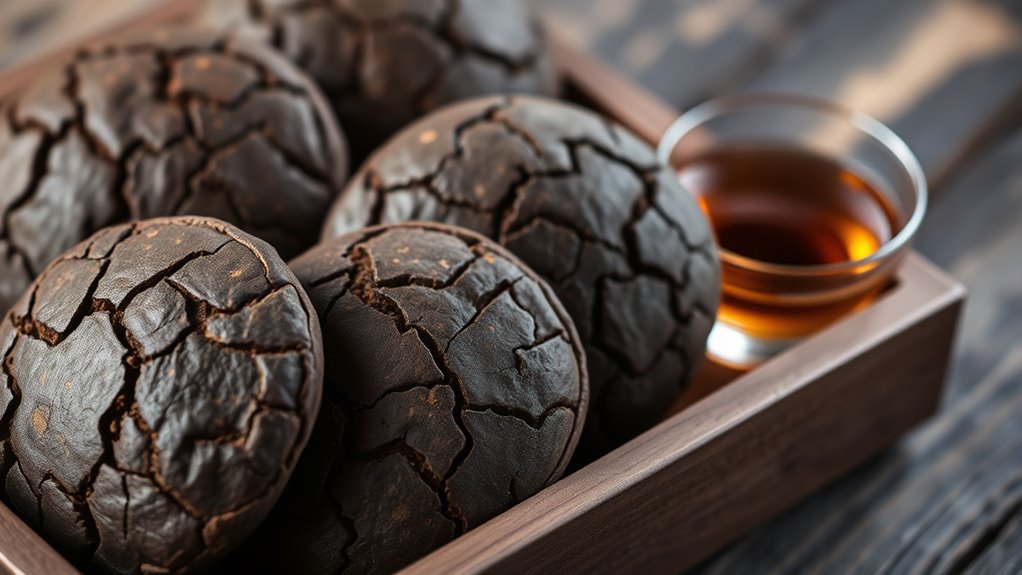
Pu-Erh tea offers a fascinating array of flavors that evolve with each sip, inviting you to explore its depth and complexity. As you taste it, you’ll notice the rich flavor complexity, blending earthy, woody, and sometimes sweet or fruity notes. The tasting nuances can vary depending on the age and processing method, revealing subtle hints of moss, leather, or dried fruit. You might experience a smooth, mellow finish or a more robust, lingering aftertaste. Each brew uncovers new layers, making every cup a unique experience. The interplay of fermentation and aging creates a dynamic flavor profile that rewards attentive tasting. Additionally, cheating in the context of tea preparation—such as adulteration or mislabeling—can impact the authenticity and quality of Pu-Erh, highlighting the importance of sourcing from reputable vendors. Sourcing from reliable vendors ensures the tea’s purity and proper aging process. With every sip, you deepen your appreciation for Pu-Erh’s intricate and evolving flavor landscape.
Benefits to Health and Well-being

Pu-Erh tea can support your digestive health, helping to soothe your stomach and improve digestion. It’s also packed with antioxidants that may protect your cells from damage. Incorporating it into your routine could boost your overall well-being and essentiality. Additionally, drinking Pu-Erh tea may promote vibrational energy and balance, aligning with your health and wellness goals. Its fermentation process involves beneficial microbes that can enhance gut flora, contributing further to digestive wellness. The fermentation process also produces bioactive compounds that may support metabolic health and aid in weight management. Proper brewing techniques can also maximize its beneficial properties, making it a versatile addition to your health regimen.
Digestive Health Boost
If you want to support your digestive health, incorporating Pu-Erh tea into your routine can be a beneficial choice. During traditional tea ceremonies, the careful leaf harvesting process guarantees only the best leaves are chosen, which enhances the tea’s health benefits. Pu-Erh’s fermentation process introduces beneficial probiotics that aid digestion by balancing gut bacteria. Drinking this tea after meals can help reduce bloating and improve nutrient absorption. Its natural compounds also stimulate gastric acid production, supporting smoother digestion. Additionally, the calming ritual of preparing and drinking Pu-Erh can reduce stress, which further benefits your gut health. The antioxidant properties of Pu-Erh contribute to overall well-being, complementing its digestive benefits. Proper practice timing and moderation are key to maximizing its advantages without overconsumption. Regular consumption aligns with local business hours, ensuring you can conveniently incorporate it into your daily schedule. Incorporating Pu-Erh tea into your diet can also support air purification, as the fermentation process enhances the tea’s beneficial qualities. Moreover, the aesthetic appeal of a well-prepared tea can enhance the mindfulness of your routine, promoting relaxation. By making Pu-Erh tea part of your routine, you’re not only enjoying a flavorful beverage but also nurturing your digestive system.
Antioxidant Powerhouse
Building on its digestive benefits, Pu-Erh tea also stands out as a potent source of antioxidants that support overall health and well-being. These antioxidants help combat free radicals, reducing oxidative stress and potentially lowering your risk of chronic diseases. During a traditional tea ceremony, you can appreciate how this cultural heritage enhances the experience, emphasizing mindfulness and health benefits. The antioxidants in Pu-Erh are linked to improved heart health, better skin, and increased energy levels. To deepen your understanding, consider this table highlighting key antioxidants:
| Antioxidant | Benefits | Food Sources |
|---|---|---|
| Catechins | Heart health, anti-inflammatory | Green tea, Pu-Erh |
| Theaflavins | Immune support, anti-aging | Black tea, Pu-Erh |
| Polyphenols | Cancer prevention, lowered cholesterol | Various teas, fruits |
This rich antioxidant profile makes Pu-Erh a true health-boosting delicacy rooted in Yunnan’s cultural heritage.
Proper Brewing Techniques

To achieve the best flavor from your Pu-Erh tea, it’s essential to master proper brewing techniques. Start by selecting the right tea accessories, like a gaiwan or a Yixing teapot, which help control the brewing process. Pay close attention to brewing temperature—ideally between 200°F and 212°F—to release the tea’s rich, earthy flavors without over-extracting bitterness. Use fresh, filtered water for guaranteed results. Rinse the leaves briefly with hot water to remove any impurities and awaken their aroma. Steep the tea for 20 to 30 seconds for the first infusion, then gradually increase the steeping time for subsequent infusions. Proper technique assures you get a smooth, balanced cup that highlights Pu-Erh’s unique character.
Collecting and Storing Pu-Erh Tea
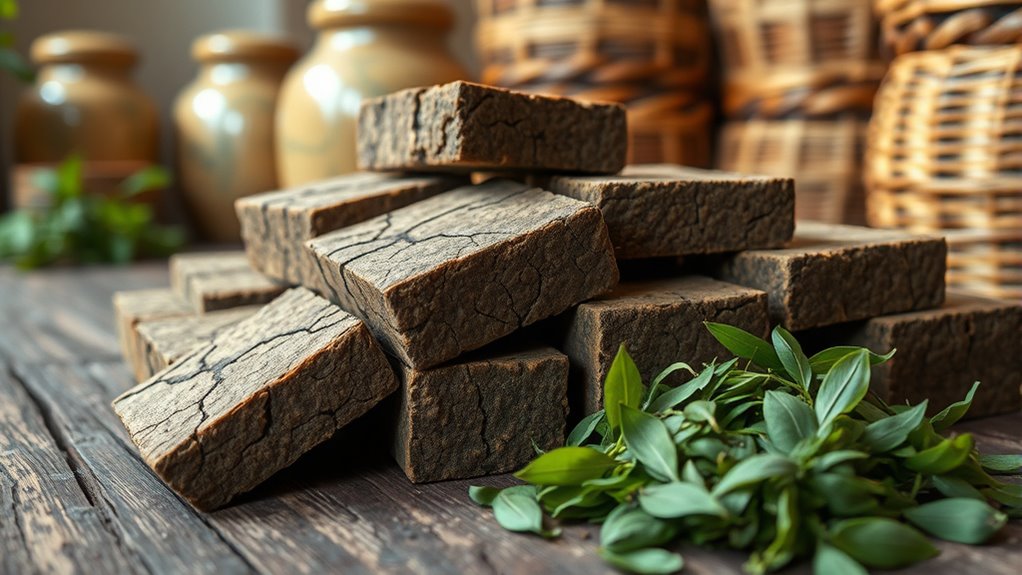
When collecting Pu-Erh tea, you want to choose high-quality leaves that will age well. Proper storage is key—keep your tea in a cool, dry, and well-ventilated environment. Understanding how aging and fermentation affect the tea helps you preserve its unique flavors over time.
Selecting Quality Leaves
Selecting high-quality leaves is essential for making excellent Pu-Erh tea, and it starts with choosing the right raw material. During tea leaf selection, focus on fresh, tender leaves harvested during the ideal harvest season, typically in spring or early summer. These leaves should be healthy, undamaged, and free from pests or disease. The timing of the harvest influences flavor and aroma, so paying attention to the season helps ensure quality. Look for leaves with a vibrant green color and a balanced mix of stems and buds, which contribute to the tea’s complexity. Proper selection at this stage lays the foundation for a well-fermented Pu-Erh, so take your time to choose only the best leaves for your process.
Proper Storage Environment
After choosing high-quality leaves, proper storage becomes key to preserving their flavor and aroma. You want a stable environment that prevents mold, odors, and humidity fluctuations. Consider using dedicated storage containers, like clay jars or wooden boxes, which allow the tea to breathe. Keep your Pu-Erh away from direct sunlight, strong odors, and excessive moisture. A cool, dark, and well-ventilated space enhances aging and maintains quality. During a tea ceremony, handling the tea with care helps prevent damage. Regularly check your storage conditions to ensure consistency. Proper storage not only preserves freshness but also enhances the tea’s unique character over time, making each sip a richer experience. Remember, good storage practices are essential for enjoying Pu-Erh at its best.
Aging and Fermentation
Aging and fermentation are vital processes that transform Pu-Erh tea into a complex, prized beverage. During the fermentation timeline, the tea undergoes chemical changes that develop its rich flavor and aroma. As you participate in a tea ceremony, you’ll notice how the tea’s qualities evolve over time, revealing deeper notes with age. Proper storage is essential to control fermentation, allowing the tea to mature gradually. You might start with fresh Sheng Pu-Erh, which matures slowly, or opt for ripe Pu-Erh, where fermentation is accelerated. The aging process can span years, and your patience will be rewarded with a truly unique drinking experience. By understanding the fermentation timeline, you can better appreciate how this ancient practice enhances the tea’s complexity.
The Future of Pu-Erh in Global Tea Culture

As global interest in diverse tea traditions grows, Pu-Erh tea is poised to carve out a more prominent place in the international market. Its unique fermentation process and rich history make it appealing beyond Yunnan. Expect increased market expansion as tea enthusiasts worldwide embrace its depth and complexity. Cultural integration will deepen, blending Pu-Erh into modern tea rituals and wellness practices globally. You’ll see it featured in specialty cafes, health stores, and online platforms, expanding its reach. As more people discover its benefits and flavor nuances, Pu-Erh’s reputation will grow. This evolution promises a fusion of tradition and innovation, ensuring its place in the future of global tea culture. The journey toward wider appreciation is just beginning.
Frequently Asked Questions
How Does Pu-Erh Tea Compare to Other Fermented Teas Worldwide?
You’ll find that pu-erh tea stands out among fermented teas worldwide due to its unique fermentation process, which involves microbial aging. This process develops complex flavor profiles, ranging from earthy and mellow to rich and smoky. Compared to other fermented teas like kombucha or kvass, pu-erh offers a deeper, more nuanced taste experience, making it a prized choice for tea enthusiasts seeking a distinctive, well-aged beverage.
Are There Any Environmental Impacts Associated With Pu-Erh Tea Production?
You should know that pu-erh tea production can impact the environment, but sustainable farming practices help mitigate these effects. When farmers prioritize biodiversity preservation, they protect local ecosystems and minimize deforestation. Choosing tea from producers committed to eco-friendly methods ensures you’re supporting environmentally conscious cultivation. While some concerns exist, responsible harvesting and processing make pu-erh tea a more sustainable choice for eco-aware consumers.
Can Pu-Erh Tea Be Aged Indefinitely Like Fine Wine?
You might wonder if pu-erh tea can age forever like fine wine. While it has a notable aging potential, it doesn’t last indefinitely. Over time, its flavor evolves, becoming smoother and more complex, but there’s a limit. Factors like storage conditions and tea type influence its aging process. Properly cared for, you can enjoy a richer flavor, but eventually, the tea’s quality may decline if not stored correctly.
What Are Common Misconceptions About the Health Benefits of Pu-Erh?
Imagine peeling back layers of fog to see the truth clearly—that’s myth busting health myths about pu-erh. Many believe it’s a miracle cure, but that’s a misconception; its benefits are gentle, like a steady river shaping the landscape. You shouldn’t see it as a magical fix, but rather as part of a balanced diet. Don’t fall for exaggerated claims; enjoy pu-erh responsibly, knowing its true value.
How Is Pu-Erh Tea Integrated Into Modern Culinary Practices?
You can integrate pu-erh tea into modern culinary practices by experimenting with tea cocktails and culinary infusions. It adds a unique depth of flavor to drinks like tea-based cocktails, offering a smoky, earthy profile. You might also infuse desserts or savory dishes with pu-erh for a complex, fermented taste. Its versatility makes it a creative ingredient in contemporary gastronomy, elevating both beverages and dishes with its rich, distinctive character.
Conclusion
As you savor pu-erh tea’s rich complexity, imagine revealing a centuries-old secret in every sip. Its deep fermentation, like a story woven through time, invites you to explore a world where tradition and flavor intertwine. By appreciating its unique process and health benefits, you become part of a living heritage. Embrace the journey, and let pu-erh’s timeless allure transform your tea experience into a mesmerizing adventure.

Noah, the Editor-in-Chief at Cappuccino Oracle, plays a pivotal role in shaping the voice and vision of our renowned platform. With an unwavering passion for coffee, coffee alternatives, and tea, Noah leads Cappuccino Oracle towards new horizons in the realm of coffee journalism.
Noah’s upbringing immersed him in the distinct aromas of artisanal coffee roasters, sparking a fascination that continues to fuel his professional journey. He joined Cappuccino Oracle as a senior editor and later assumed the position of Editor-in-Chief. Under his guidance, our platform has flourished into a trusted source for coffee, coffee alternatives, and tea lovers worldwide.