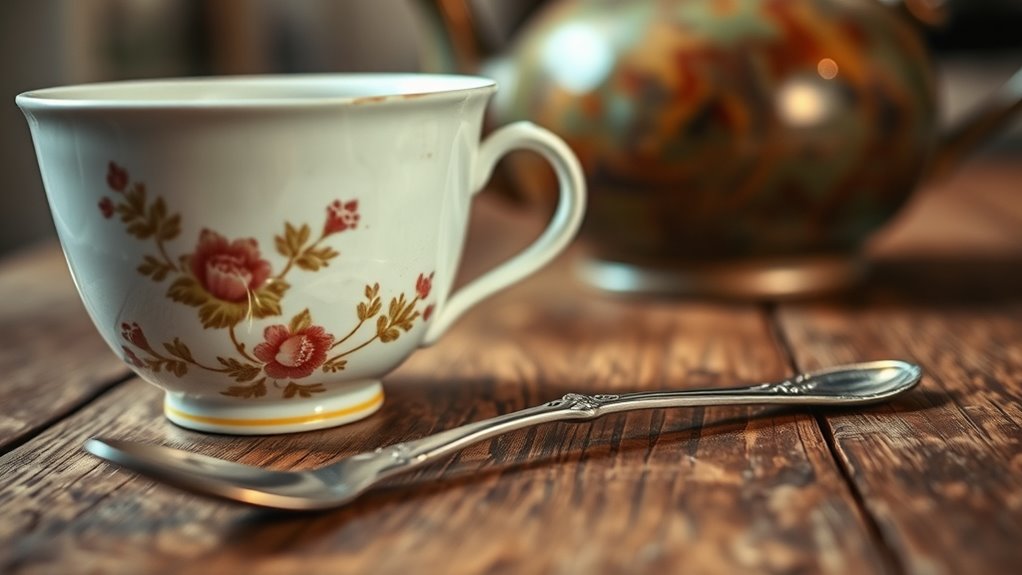

As tea ages, its flavor undergoes subtle yet impactful changes. Over time, chemical reactions soften tannins and develop aromatic complexity, transforming a simple brew into a layered, richer experience. Proper storage in cool, dark, airtight containers helps this process, allowing earthy, woody, and sweet notes to emerge. The longer the tea ages, the more nuanced and mellow its flavor becomes. If you want to explore how these transformations unfold, keep going for a deeper understanding.

Get coffee and tea gear delivered free — and shop member deals
- Fast, free delivery on millions of items
- Access to Prime Big Deal Days deals on October 6–7
- Prime Video, Amazon Music and more included
Key Takeaways
- Aging transforms tea’s flavor, developing earthy, woody, and complex notes over time.
- Proper storage in a cool, dark, airtight environment enhances flavor development and slows spoilage.
- Fermentation during processing and storage deepens chemical changes, creating richer taste layers.
- Chemical reactions over time soften tannins and increase aromatic complexity, enriching the flavor profile.
- Each period of aging allows flavors to meld, resulting in a more nuanced and mature tea experience.
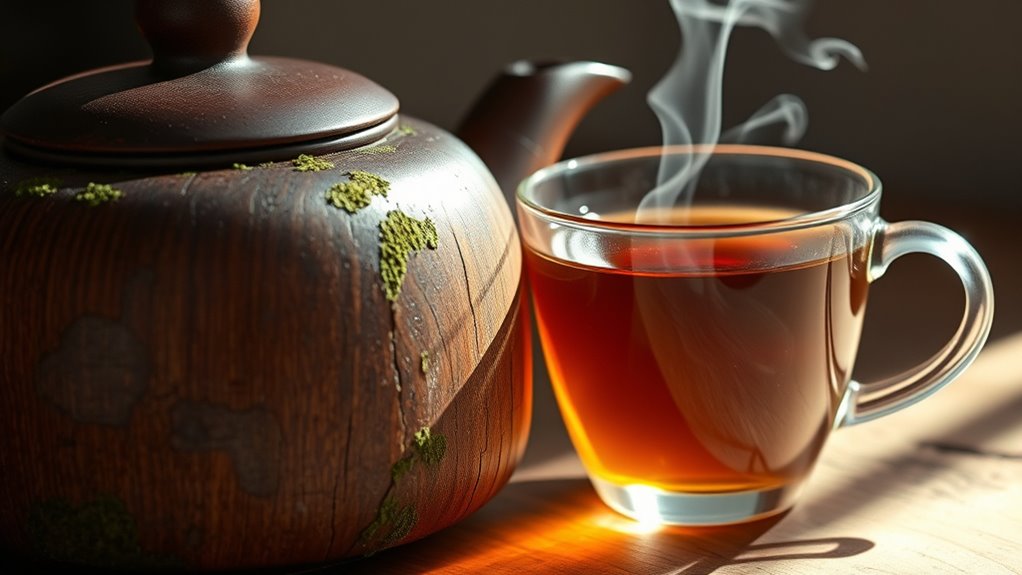
Have you ever noticed how a simple cup of tea can transform an ordinary moment into something special? It’s incredible how the same loose leaf or bag can taste so different depending on its age. As tea ages, it undergoes subtle changes that impact its aroma and flavor, turning a fresh brew into a complex experience worth savoring. This transformation is largely influenced by the fermentation process and how it contributes to flavor development over time.
When tea is processed, especially in varieties like oolong or pu-erh, fermentation plays a pivotal role. Fermentation isn’t about bugs or mold—it’s a controlled oxidation process that modifies the chemical compounds in tea leaves. During fermentation, enzymes react with polyphenols, releasing new aromatic compounds and altering the leaf’s flavor profile. As the tea ferments, these chemical changes deepen, creating richer, more layered tastes. The fermentation process is what allows certain teas to develop complexity, making aged tea far more intriguing than its fresh counterpart.
Fermentation in tea is a controlled oxidation that deepens flavor and enhances complexity over time.
As the tea ages, its flavor profile evolves through ongoing chemical transformations. You might notice that an aged tea, especially one that’s been properly stored, takes on earthy, woody, or even slightly sweet notes that weren’t present when it was new. This flavor development can take years, and the key to appreciating it lies in understanding how these changes happen. The longer the tea remains stored, the more its aroma compounds and taste components meld and mature. This is why some connoisseurs seek out vintage teas—they offer a depth of flavor that’s impossible to find in freshly produced leaves.
Storage conditions heavily influence how tea ages. Keep it in a cool, dark, and airtight container to slow down undesirable oxidation or spoilage. When stored properly, the fermentation process continues at a slow pace, encouraging the development of more nuanced flavors. Over time, the tea’s tannins soften, and its aromatic complexity increases, transforming a simple beverage into a refined tasting experience. You might find that a tea that once seemed straightforward or sharp now reveals layers of subtlety and richness that only come with age.
Additionally, the aging process of tea can be compared to the way electric bikes or dirt bikes evolve over time, gaining more character and depth as they are used and maintained properly. In essence, aging tea is a delicate dance of chemistry and time, where proper fermentation and storage reveal a world of flavor development. When you brew an aged tea, you’re experiencing not just a drink but a journey through its evolving character. Each cup becomes a reflection of the evolving fermentation process, showcasing how time enhances aroma, taste, and complexity. So next time you sip your tea, consider how its age has shaped its flavor—what once was fresh and simple now holds a story in every drop.
As an affiliate, we earn on qualifying purchases.
Frequently Asked Questions
How Does Aging Affect the Caffeine Content in Tea?
Aging generally has minimal effects on caffeine stability in tea. You’ll find that caffeine content remains relatively consistent over time, as caffeine is a stable compound. However, aging effects can cause subtle changes in the tea’s flavor and aroma, but caffeine levels usually stay the same. So, if you’re concerned about your caffeine intake, aging isn’t likely to considerably alter the amount of caffeine in your tea.
Can Different Tea Varieties Age Differently Over Time?
Yes, different tea varieties age differently over time. During tea fermentation, microbial activity influences flavor maturation, causing unique changes in each type. For example, black teas develop richer, more complex flavors, while green teas retain a lighter profile. Your stored teas’ aging process depends on their fermentation level, so you’ll notice distinct flavor evolution, making some teas more desirable as they mature. Proper storage enhances this natural aging process.
What Storage Conditions Best Preserve Tea Flavor With Age?
You should store your tea in a cool, dark, and dry environment to best preserve its flavor and aroma over time. Avoid exposure to light, heat, and moisture, which can degrade quality. Use airtight containers to prevent aroma loss and keep the tea’s fresh essence. By maintaining a suitable storage environment, you ensure your tea’s flavor remains vibrant and aromatic as it ages, enhancing your tasting experience.
Does Aging Influence the Health Benefits of Tea?
Aging can influence the health benefits of tea by altering its antioxidant levels, often reducing them over time. The fermentation process plays a key role; for example, aged black teas might develop different antioxidants compared to fresh ones. While some aged teas may retain or even enhance certain benefits, generally, fresher tea preserves higher antioxidant levels, making it more potent for health purposes. So, if you’re after maximum benefits, enjoy your tea sooner rather than later.
At What Age Does Tea Reach Its Peak Flavor Profile?
You’ll find that tea reaches its peak flavor profile around 3 to 5 years old, depending on the type. During this time, tea fermentation and flavor development enhance its complexity, bringing out richer, deeper notes. As it ages, the fermentation process continues to evolve, mellowing sharpness and developing nuanced flavors. Proper storage is key, so keep your tea in a cool, dark place to maximize its aging potential and enjoy its full flavor.
Conclusion
Just like a fine wine, tea evolves with age, revealing new layers of flavor over time. Imagine your favorite tea as a storyteller, whispering secrets from its past with each passing year. One friend swears aged oolong tastes like a gentle walk through autumn leaves—rich, warm, and nostalgic. Embrace patience, because in tea, as in life, the best moments often come with a little time. Let your tea age, and discover what stories it has to tell.
Fall Picks
fall essentials
As an affiliate, we earn on qualifying purchases.