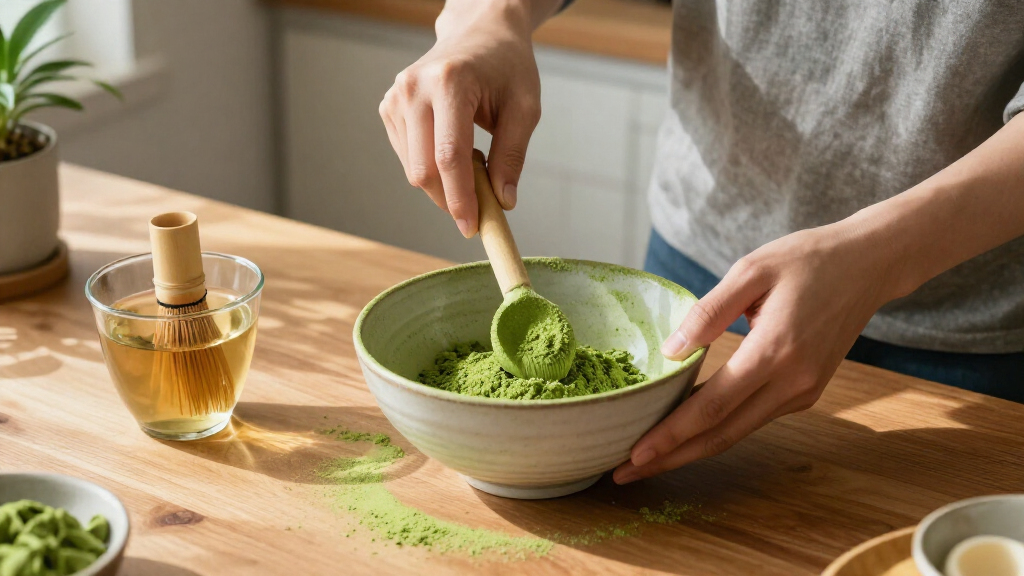

For a versatile starting point, Naoki Matcha Superior Blend is my best overall pick because its blend is positioned for drinking as tea while also suiting lattes. Jade Leaf Ceremonial Grade Matcha is the premium choice for buyers focused on whisked tea, while Jade Leaf Original Matcha Latte Mix offers a simpler route to a sweetened drink. The main tradeoffs are grade and intended use, ingredient simplicity, and package size: a bulk culinary powder may suit baking but can be awkward for occasional tea drinkers. Read on for how the 15 options compare and which format fits your routine.

Get coffee and tea gear delivered free with Prime
- Fast, free delivery on millions of items
- Prime Video, Amazon Music and more included
- Member-only deals all year
Complete the kit


Key Takeaways
- Naoki Superior Blend is the most balanced tea-focused option in this lineup, with 40 g and 100 g packages for different usage rates.
- Jade Leaf Ceremonial Grade is the clearest premium choice for whisked tea; culinary powders are better matched to recipes and milk-based drinks.
- Several products come in one-pound or two-pound bags, including multiple similarly named culinary powders; bulk formats suit regular use better than occasional cups.
- Jade Leaf Original Matcha Latte Mix is designed for convenience, while plain matcha powders give buyers more control over sweetness and add-ins.
- Ito En Unsweetened and FGO Organic offer smaller bags than the largest culinary picks, a more manageable format for buyers who want to use matcha gradually.
| Ito En Unsweetened Japanese Matcha Green Tea Powder, 2 oz |  | Best for Flexible Everyday Drinks | Type: Matcha green tea powder | Origin: Japan | Sweetener: Unsweetened | VIEW LATEST PRICE | See Our Full Breakdown |
| Naoki Matcha Superior Blend, 40 g |  | Best for Beginner-Friendly Tea | Origin: Uji, Kyoto, Japan | Grade: Ceremonial | Harvest: First harvest | VIEW LATEST PRICE | See Our Full Breakdown |
| Organic Culinary Grade Matcha Green Tea Powder, 2 lb |  | Best for Bulk Cooking | Weight: 2 lb (907 g) | Grade: Culinary | Source: Japanese tea plants | VIEW LATEST PRICE | See Our Full Breakdown |
| Jade Leaf Organic Culinary Grade Matcha Powder, 100 g |  | Best for Certified Japanese Origin | Net weight: 100 g (3.53 oz) | Grade: Culinary | Ingredients: 100% Japanese green tea leaf | VIEW LATEST PRICE | See Our Full Breakdown |
| Matcha DNA Organic Matcha Green Tea Powder, 16 oz |  | Best for Tested Organic Versatility | Weight: 16 oz | Certification: USDA Certified Organic | Packaging: Certified BPA-free | VIEW LATEST PRICE | See Our Full Breakdown |
| Organic Culinary Grade Matcha Green Tea Powder, 2 lb |  | Best for High-Volume Cooking | Weight: 2 lb | Servings: 302 | Serving size: 1 scoop | VIEW LATEST PRICE | See Our Full Breakdown |
| Naoki Matcha Superior Blend, 100 g |  | Best for Versatile First-Harvest Matcha | Product type: Matcha green tea powder | Grade: Ceremonial | Origin: Uji, Kyoto, Japan | VIEW LATEST PRICE | See Our Full Breakdown |
| Jade Leaf Organic Culinary Grade Matcha Powder, 30 g (1.06 oz) |  | Best Small Organic Trial | Brand: Jade Leaf | Product type: Matcha green tea powder | Grade: Culinary | VIEW LATEST PRICE | See Our Full Breakdown |
| Organic Culinary Matcha Green Tea Powder, 1 lb |  | Best for Allergen-Aware Bulk Cooking | Weight: 1 lb (454 g) | Servings: 151 | Serving suggestion: 1 scoop daily | VIEW LATEST PRICE | See Our Full Breakdown |
| Micro Ingredients Organic Japanese Matcha Green Tea Powder, First Harvest, Culinary Grade, 1 lb |  | Best First-Harvest Culinary Pick | Type: Matcha green tea powder | Grade: Culinary | Harvest: First harvest | VIEW LATEST PRICE | See Our Full Breakdown |
| Organic Japanese Matcha Green Tea Powder, Culinary Grade, 1 lb |  | Best for Bulk Cooking | Weight: 1 lb (454 g) | Origin: Japanese tea plants | Grade: Culinary | VIEW LATEST PRICE | See Our Full Breakdown |
| Jade Leaf Original Matcha Latte Mix, 150 g |  | Best for Quick Single Servings | Flavor: Original | Net weight: 150 g (5.3 oz) | Matcha origin: Uji and Kagoshima, Japan | VIEW LATEST PRICE | See Our Full Breakdown |
| FGO Organic Matcha Green Tea Powder, 4 oz Resealable Bag |  | Best Small Pack for Everyday Recipes | Weight: 4 oz | Certifications: USDA Organic, Non-GMO | Ingredients: Whole-leaf green tea | VIEW LATEST PRICE | See Our Full Breakdown |
| Jade Leaf Original Matcha Latte Mix, 500 g |  | Best for Regular Latte Drinkers | Net weight: 500 g (17.6 oz) | Servings: Approximately 50 | Serving size: 2 teaspoons | VIEW LATEST PRICE | See Our Full Breakdown |
| Jade Leaf Ceremonial Grade Matcha Powder 50g (1.76 oz) |  | Best for Traditional Matcha Preparation | Weight: 50 g (1.76 oz) | Grade: Ceremonial | Harvest: First harvest (Ichibancha), early spring shade-grown leaves | VIEW LATEST PRICE | See Our Full Breakdown |
| matcha tea powder | Grade | Weight |
|---|---|---|
| Ito En Unsweetened Japanese Ma | — | — |
| Naoki Matcha Superior Blend | Ceremonial | — |
| Organic Culinary Grade Matcha | Culinary | 2 lb (907 g) |
| Jade Leaf Organic Culinary Gra | Culinary | — |
| Matcha DNA Organic Matcha Gree | — | 16 oz |
| Organic Culinary Grade Matcha | Culinary | 2 lb |
| Naoki Matcha Superior Blend | Ceremonial | — |
| Jade Leaf Organic Culinary Gra | Culinary | 30 g (1.06 oz) |
| Organic Culinary Matcha Green | — | 1 lb (454 g) |
| Micro Ingredients Organic Japa | Culinary | — |
| Organic Japanese Matcha Green | Culinary | 1 lb (454 g) |
| Jade Leaf Original Matcha Latt | — | — |
| FGO Organic Matcha Green Tea P | — | 4 oz |
| Jade Leaf Original Matcha Latt | — | — |
| Jade Leaf Ceremonial Grade Mat | Ceremonial | 50 g (1.76 oz) |
More Details on Our Top Picks
Ito En Unsweetened Japanese Matcha Green Tea Powder, 2 oz
Unsweetened Japanese matcha in a small 2 oz pack gives buyers room to adjust sweetness and use the powder in hot or cold drinks. It suits lattes and smoothies, where other ingredients can soften matcha’s flavor. Compared with Naoki Matcha Superior Blend, which specifies first-harvest leaves and ceremonial grade, Ito En’s description gives less detail about harvest and grade. That makes it a more straightforward pick for mixed drinks than for buyers choosing matcha primarily for a carefully specified tea preparation. The compact quantity also makes it easier to try than the 2 lb Organic Culinary Grade Matcha, though frequent users will replenish it sooner. Its flexibility comes with limited detail about sourcing beyond Japan and no stated serving count.
Pros:- Unsweetened powder lets buyers control sweetness
- Can be prepared hot or cold
- Works in lattes and smoothies
- Finely milled green tea leaves
Cons:- No grade or harvest information is provided
- The 2 oz pack may run out quickly for regular use
Best for: People who want unsweetened Japanese matcha for occasional hot or iced lattes and smoothies
Not ideal for: Buyers seeking specified ceremonial grade, harvest details, or a large supply for daily use
- Type:Matcha green tea powder
- Origin:Japan
- Sweetener:Unsweetened
- Net weight:2 oz
- Preparation:Hot or cold
- Suggested uses:Tea, lattes, and smoothies
Our verdict“Choose Ito En for a small, unsweetened Japanese matcha suited to flexible drinks rather than grade-focused tea preparation.”
Naoki Matcha Superior Blend, 40 g
First-harvest, shade-grown leaves from Uji give this ceremonial-grade matcha more sourcing detail than the Ito En Unsweetened Japanese Matcha. Its described smooth, balanced flavor is suited to someone learning to prepare matcha as tea, while the powder can also go into lattes and recipes. The 40 g tin holds about 20 servings at 2 g each, a defined portion that helps a new buyer plan use without committing to a large pouch like the 2 lb Organic Culinary Grade Matcha. The tradeoff is a smaller supply for frequent cooking, and the product information does not describe caffeine per serving. Its specified grade and harvest make it the clearest fit here for buyers prioritizing tea preparation over bulk versatility.
Pros:- Ceremonial grade from first-harvest leaves
- Shade-grown matcha from Uji, Kyoto
- Smooth, balanced flavor described as beginner-friendly
- About 20 servings with a stated serving size
Cons:- 40 g supply is limited for frequent cooking or daily use
- Caffeine content per serving is not specified
Best for: New matcha drinkers who want a specified ceremonial grade and measured servings for tea, lattes, or recipes
Not ideal for: Frequent bakers or high-volume matcha drinkers who need a large pouch, or caffeine-sensitive buyers
- Origin:Uji, Kyoto, Japan
- Grade:Ceremonial
- Harvest:First harvest
- Net weight:40 g (1.4 oz)
- Servings:About 20
- Serving size:2 g (1 tsp)
- Ingredients:Matcha green tea powder
- Dietary attributes:Gluten-free and sugar-free
Our verdict“Pick Naoki for a measured, first-harvest ceremonial matcha that supports learning to prepare tea.”
Organic Culinary Grade Matcha Green Tea Powder, 2 lb
Bulk culinary-grade matcha is the defining advantage here: the 2 lb pouch is listed as 302 servings at 3 g each, giving frequent bakers and smoothie makers a large supply. Its unflavored powder has no added sugar or dairy, so buyers can control the recipe themselves. Compared with Jade Leaf Organic Culinary Grade Matcha, this pouch offers much more product and states a serving count, while Jade Leaf provides named Japanese regions and USDA Organic certification. This listing says the matcha is organic and sourced from Japanese tea plants, but gives less detail on regional origin. Culinary grade and caffeine make it a better fit for recipes and everyday mixed drinks than for buyers seeking ceremonial-grade tea. The large quantity also asks buyers to store and use a substantial pouch.
Pros:- Large 2 lb supply with 302 stated servings
- Organic, unflavored powder with no added sugar or dairy
- Suitable for drinks, shakes, and baking
- Third-party lab tested
Cons:- Culinary grade may not suit buyers seeking ceremonial matcha
- Large pouch may be impractical for occasional use
- Caffeine may not suit sensitive drinkers
Best for: Frequent home bakers, smoothie makers, and households that use matcha in recipes regularly
Not ideal for: Tea-focused buyers seeking ceremonial grade, or occasional users unlikely to finish a 2 lb pouch
- Weight:2 lb (907 g)
- Grade:Culinary
- Source:Japanese tea plants
- Serving size:3 g (1 scoop)
- Servings per pouch:302
- Sugar:0 g
- Dietary attributes:Non-GMO, gluten-free, dairy-free, egg-free, peanut-free, and soy-free
- Testing:Third-party lab tested
Our verdict“Choose this pouch for frequent recipe use when a large supply matters more than ceremonial-grade tea preparation.”
Jade Leaf Organic Culinary Grade Matcha Powder, 100 g
USDA Organic certification and named growing regions give this culinary matcha a clearer sourcing story than the 2 lb Organic Culinary Grade Matcha, whose listing names Japanese tea plants but not specific regions. Jade Leaf identifies Uji and Kagoshima, and its single-ingredient powder is described as stone-ground from shade-grown leaves. That combination suits buyers who want Japanese matcha for drinks and cooking but do not need ceremonial grade. The 100 g package is a more manageable commitment than the 2 lb pouch, though it offers less supply for frequent baking. Compared with Naoki Matcha Superior Blend, Jade Leaf is positioned for broad culinary use rather than specified first-harvest ceremonial tea. Its culinary grade is the key limitation for buyers focused on drinking matcha on its own.
Pros:- USDA Organic certified by CCOF
- 100% Japanese green tea leaf with no additives
- Sourced from Uji and Kagoshima
- Versatile for drinks and cooking
Cons:- Culinary grade is less suited to buyers seeking ceremonial tea
- 100 g package is smaller than the bulk 2 lb option
Best for: Organic-focused buyers who want Japanese culinary matcha for drinks, oatmeal, smoothies, and baking
Not ideal for: Buyers seeking ceremonial-grade matcha or a large pouch for frequent, high-volume recipes
- Net weight:100 g (3.53 oz)
- Grade:Culinary
- Ingredients:100% Japanese green tea leaf
- Origin:Uji and Kagoshima, Japan
- Certification:USDA Organic by CCOF
- Dietary attributes:Vegan, gluten-free, dairy-free, keto-friendly, and non-GMO
- Sugar:Zero sugar
- Additives:None
Our verdict“Pick Jade Leaf for certified organic Japanese culinary matcha in a moderate pack suited to drinks and recipes.”
Matcha DNA Organic Matcha Green Tea Powder, 16 oz
Organic certification and third-party impurity testing are the clearest reasons to choose Matcha DNA, while the 16 oz package gives it more capacity for repeat use than the 100 g Jade Leaf Organic Culinary Grade Matcha. Tea, lattes, smoothies, and baking are all listed uses, so it can serve a kitchen that moves between drinks and recipes. The product description also specifies BPA-free certified packaging. By comparison, Jade Leaf gives more detail about its Japanese origins and culinary grade; Matcha DNA’s supplied information does not state grade, origin, serving size, or a flavor profile. That makes it harder to match to buyers seeking a particular tea style. It is a versatile choice when certification and testing are priorities, with limited detail for those comparing matcha by harvest or region.
Pros:- USDA Certified Organic
- Third-party tested for impurities
- Certified BPA-free packaging
- Listed for tea, lattes, smoothies, and baking
Cons:- Grade and origin are not stated in the supplied product details
- No serving size or serving count is provided
Best for: Organic-minded households wanting a mid-size supply for varied drinks and baking, with stated impurity testing
Not ideal for: Buyers who need a stated grade, Japanese growing region, harvest, or serving count before choosing
- Weight:16 oz
- Certification:USDA Certified Organic
- Packaging:Certified BPA-free
- Testing:Third-party tested for impurities
- Uses:Tea, lattes, smoothies, baking, and recipes
Our verdict“Choose Matcha DNA for a tested organic powder across drinks and baking when origin and grade details are not your priority.”
Organic Culinary Grade Matcha Green Tea Powder, 2 lb
The 2 lb format makes this the lineup’s clearest choice for households or small kitchens that use matcha often in baking, smoothies, and lattes. Its culinary grade is suited to recipes where matcha is mixed with other ingredients, while the early spring Japanese leaves and stone grinding describe how the powder is made. Compared with the Jade Leaf Organic Culinary Grade Matcha Powder, 30 g, this supply is built for repeat use rather than a small trial. The tradeoff is commitment: 302 servings can be excessive for occasional drinkers, and culinary grade may not satisfy buyers seeking a delicate bowl of matcha on its own. Its unsweetened formula and third-party lab testing add practical details, but the supplied information does not describe a specific flavor profile.
Pros:- Large 2 lb supply with 302 listed servings
- Culinary grade suits baking, smoothies, teas, and lattes
- Unsweetened with zero sugar
- Described as third-party lab tested
Cons:- Bulk quantity may be difficult to use up for occasional matcha drinkers
- Culinary grade may be less suited to buyers focused on drinking matcha plain
- No specific taste notes are provided
Best for: Frequent matcha bakers and households that regularly make drinks or smoothies with culinary-grade powder
Not ideal for: Occasional drinkers or buyers seeking ceremonial-grade matcha for drinking plain
- Weight:2 lb
- Servings:302
- Serving size:1 scoop
- Grade:Culinary
- Harvest:Early spring
- Source:Japanese green tea leaves
- Sugar:Zero
- Dietary attributes:Vegan; gluten-free; GMO-free
- Testing:Third-party lab tested
Our verdict“Choose this large culinary-grade supply if matcha is a regular ingredient in your kitchen; skip it if you only make an occasional cup.”
Naoki Matcha Superior Blend, 100 g
First-harvest leaves from Uji, Kyoto and a ceremonial-grade designation set this apart from the culinary powders in the lineup. The described flavor is smooth and balanced, with umami and a hint of bitterness, giving buyers a clearer idea of what to expect than the Organic Culinary Grade Matcha Green Tea Powder, 1 lb, whose taste notes are not specified. At about 50 servings, this 100 g package also offers a larger format than Naoki’s 40 g blend for drinkers who already know they enjoy matcha. Its suggested uses extend to lattes, smoothies, and recipes, though the ceremonial-grade positioning makes it a more natural fit for tea and lighter preparations. The tradeoff is the stated bitterness and the need to learn whisking and preparation if matcha is new to you.
Pros:- Ceremonial-grade powder made from first-harvest Uji tea leaves
- Described as smooth and balanced, with umami
- About 50 servings in a 100 g package
- Airtight packets are described as helping preserve freshness
Cons:- The flavor includes a hint of bitterness
- Preparation may take some learning for matcha beginners
- Ceremonial grade may be more than needed for recipes that mask the tea flavor
Best for: Matcha drinkers who want a Uji first-harvest powder for tea and occasional lattes, with enough supply for regular use
Not ideal for: Beginners who want detailed preparation guidance or buyers who primarily need an economical baking powder
- Product type:Matcha green tea powder
- Grade:Ceremonial
- Origin:Uji, Kyoto, Japan
- Harvest:First harvest
- Net weight:100 g (3.5 oz)
- Servings:About 50
- Serving size:1 tsp (2 g)
- Dietary information:Gluten-free, sugar-free
Our verdict“Pick this for a larger supply of Uji first-harvest matcha suited to tea and versatile preparations, provided you are comfortable with a little bitterness and whisking.”
Jade Leaf Organic Culinary Grade Matcha Powder, 30 g (1.06 oz)
A 30 g package makes this Jade Leaf a practical entry point for cooks who want to try organic matcha without committing to a bulk bag. The product is described as USDA-certified organic, made from pure shade-grown leaves with no added ingredients, and finely ground for use in drinks or recipes. Compared with the Organic Culinary Grade Matcha Green Tea Powder, 2 lb, it offers a much smaller commitment; the larger bag makes more sense for households that already use matcha routinely. Its culinary grade and listed uses across tea, lattes, smoothies, and baking give it flexibility, but buyers seeking ceremonial-grade powder for plain tea should look elsewhere. The supplied details don’t give a serving count or specific flavor notes, so it’s harder to judge how long the package will last.
Pros:- USDA-certified organic
- Pure shade-grown green tea leaves with no added ingredients
- Fine grind is described as suitable for smooth drinks and recipes
- Small package limits the commitment for occasional use
Cons:- Culinary grade may not suit buyers seeking ceremonial matcha
- No serving count is provided
- No specific taste notes are supplied
Best for: Curious home cooks who want a small, certified-organic culinary matcha package for occasional drinks and baking
Not ideal for: Frequent matcha users seeking a large supply, or tea drinkers specifically looking for ceremonial grade
- Brand:Jade Leaf
- Product type:Matcha green tea powder
- Grade:Culinary
- Weight:30 g (1.06 oz)
- Certification:USDA Organic
- Ingredients:Pure shade-grown green tea leaves
- Dietary attributes:Vegan, naturally gluten-free
- Sourcing regions:Uji and Kagoshima, Japan
Our verdict“Choose this small organic culinary matcha to try in drinks and recipes, but look to a larger bag if matcha is already a regular kitchen staple.”
Organic Culinary Matcha Green Tea Powder, 1 lb
One pound and 151 listed servings put this powder between the 30 g Jade Leaf trial package and the 2 lb bulk option. That middle ground suits cooks who use matcha often but don’t need the largest format. Its organic, unsweetened Japanese green tea is described as finely stone-ground for culinary use, with suggested applications spanning drinks and baking. The listed exclusions cover several common allergens, which may help households comparing ingredient labels; unlike the Micro Ingredients Organic Japanese Matcha Green Tea Powder, this listing also specifically describes early spring leaves and third-party lab testing. The tradeoff is limited product detail: no taste profile or nutritional breakdown is supplied, so buyers have less to judge beyond the stated ingredients and uses.
Pros:- One-pound supply with 151 listed servings
- Organic, unsweetened Japanese green tea powder
- Described as third-party lab tested
- Listed as free from several common allergens and fillers
Cons:- No detailed nutritional information is provided
- No flavor description or taste feedback is supplied
- Bulk size may be excessive for infrequent use
Best for: Frequent home cooks who want a mid-size organic matcha supply and check for common allergens in ingredient claims
Not ideal for: Buyers who need detailed flavor or nutrition information, or those who only use matcha occasionally
- Weight:1 lb (454 g)
- Servings:151
- Serving suggestion:1 scoop daily
- Type:Culinary grade matcha green tea powder
- Ingredients:Organic Japanese green tea
- Sugar:Zero sugar
- Testing:Third-party lab tested
- Dietary claims:Vegan; free from GMOs, gluten, soy, dairy, wheat, eggs, fish, shellfish, tree nuts, and fillers
Our verdict“This is a sensible mid-size culinary bag for regular, label-conscious cooking if you can decide without detailed flavor or nutrition information.”
Micro Ingredients Organic Japanese Matcha Green Tea Powder, First Harvest, Culinary Grade, 1 lb
First-harvest Japanese leaves give this culinary-grade powder a sourcing detail not listed for the Organic Culinary Matcha Green Tea Powder, 1 lb. The one-pound format and 151 servings make it a substantial supply for recipes, smoothies, and lattes, while the USDA organic designation and matcha-only ingredient list keep the stated composition straightforward. The two one-pound picks share a similar role in the kitchen, but this one’s harvest information may help buyers who prioritize that detail; the other listing instead calls out third-party lab testing and a broader set of allergen exclusions. The tradeoff here is that no taste description or testing claim is included in the supplied data. It also contains caffeine, so it may not suit people avoiding caffeinated drinks.
Pros:- Made from first-harvest Japanese tea leaves
- USDA organic
- One-pound supply with 151 listed servings
- Made without soy, dairy, gluten, or tree nuts
Cons:- Contains caffeine
- No specific flavor profile is provided
- No third-party testing claim is included in the supplied product details
Best for: Home cooks and smoothie makers who want a one-pound organic culinary matcha with first-harvest sourcing stated
Not ideal for: People avoiding caffeine or buyers who require a stated third-party testing claim
- Type:Matcha green tea powder
- Grade:Culinary
- Harvest:First harvest
- Origin:Japan
- Organic:USDA organic
- Net weight:1 lb
- Servings:151
- Ingredients:Matcha green tea
- Allergen exclusions:Soy, dairy, gluten, and tree nuts
Our verdict“Choose this if first-harvest sourcing and a large organic culinary supply matter most, and caffeine is acceptable for you.”
Organic Japanese Matcha Green Tea Powder, Culinary Grade, 1 lb
For buyers who use matcha across drinks and recipes, the 1 lb bag of organic culinary-grade powder offers room to experiment without switching ingredients. Its unflavored, additive-free profile gives you control over sweetness and lets the tea work in smoothies, lattes, shakes, and baking. Compared with FGO Organic Matcha Green Tea Powder, this pack is substantially larger and lists 151 servings, but its culinary grade is aimed at mixing into recipes rather than highlighting matcha on its own. Third-party lab testing is a useful product detail, though the supplied information does not specify what was tested. The tradeoff is commitment: matcha can lose freshness after opening, so this quantity suits regular users better than occasional drinkers. It also contains caffeine.
Pros:- Organic, unflavored powder with no added sugar or dairy
- Culinary grade suits drinks, shakes, and baked goods
- Large 1 lb package lists 151 servings
- Third-party lab tested
Cons:- Culinary grade may taste less suited to drinking on its own than ceremonial matcha
- Large package may be difficult to use while the powder is at its freshest
- Contains caffeine
Best for: Frequent home cooks and latte makers who want unsweetened matcha in a large, versatile package
Not ideal for: Occasional drinkers or people seeking ceremonial-grade powder for traditional tea preparation
- Weight:1 lb (454 g)
- Origin:Japanese tea plants
- Grade:Culinary
- Serving size:3 g (1 scoop)
- Servings:151
- Sugar:0 g
- Dietary attributes:Organic, non-GMO, gluten-free, dairy-free, egg-free, peanut-free, soy-free, wheat-free, yeast-free, tree-nut-free
- Testing:Third-party lab tested
Our verdict“Choose this large bag if you regularly use unsweetened culinary matcha in recipes and drinks, and skip it if you want a small pack for occasional traditional tea.”
Jade Leaf Original Matcha Latte Mix, 150 g
This pre-sweetened latte mix is for buyers who want a quick matcha drink without measuring sugar or blending a plain powder into milk. Made with matcha from Uji and Kagoshima and organic cane sugar, it can be mixed with hot water or milk and served hot or iced. That convenience sets it apart from the unsweetened FGO Organic Matcha Green Tea Powder, which gives drinkers more control over sweetness and works in baking. Here, the sugar is already part of the blend, so each cup follows its intended lightly sweet profile; buyers who prefer unsweetened tea cannot adjust that separately. Its 150 g pack is also a smaller commitment than Jade Leaf’s 500 g latte mix, making it a more manageable choice for trying a prepared blend.
Pros:- Quick to prepare with hot water or milk
- Made with Japanese matcha from Uji and Kagoshima
- Organic cane sugar is already blended in
- Works for hot or iced drinks with dairy or plant-based milk
Cons:- Added sweetness cannot be adjusted independently of the matcha
- Latte mix is less versatile than plain matcha for baking and other recipes
Best for: Busy matcha drinkers who want a lightly sweetened hot or iced latte mix with minimal measuring
Not ideal for: People who want plain matcha, need to control sugar separately, or plan to use the powder in recipes
- Flavor:Original
- Net weight:150 g (5.3 oz)
- Matcha origin:Uji and Kagoshima, Japan
- Sweetener:Organic cane sugar
- Certification:USDA Organic
- Preparation:Mix with hot water or milk
- Serving options:Hot or iced drinks
Our verdict“Pick this smaller latte mix for fast, lightly sweetened drinks, but choose plain matcha if you want control over sugar or broader recipe use.”
FGO Organic Matcha Green Tea Powder, 4 oz Resealable Bag
The 4 oz resealable bag makes this a practical middle ground for buyers who want plain matcha for drinks and cooking without committing to a bulk-size pack. The powder is described as fine and smooth, and the whole-leaf ingredient list has no fillers or additives. Compared with the Organic Japanese Matcha Green Tea Powder, 1 lb, FGO comes in a smaller package that may be easier for occasional users to finish, though it provides less supply for frequent baking or latte making. Its resealable packaging helps limit exposure after opening, but the supplied details do not provide preparation instructions or serving information, so new matcha drinkers will need to work out their own ratio. Choose it for flexibility, not for a specified traditional preparation or grade.
Pros:- USDA Organic and Non-GMO verified
- Whole-leaf green tea with no fillers or additives
- Fine powder is described as mixing smoothly
- Resealable bag helps protect the powder between uses
Cons:- No grade or specific preparation instructions are provided
- Smaller quantity may not suit frequent users who bake or make lattes often
Best for: Home cooks and occasional latte makers who want a small, plain organic matcha bag for several types of recipes
Not ideal for: Buyers who need serving guidance, a stated grade, or a bulk supply for daily high-volume use
- Weight:4 oz
- Certifications:USDA Organic, Non-GMO
- Ingredients:Whole-leaf green tea
- Additives:No fillers or additives
- Packaging:Resealable bag
- Uses:Lattes, smoothies, and baking
Our verdict“Choose FGO for a modest supply of additive-free matcha across drinks and recipes, provided you are comfortable choosing your own preparation method.”
Jade Leaf Original Matcha Latte Mix, 500 g
For households that make matcha lattes often, this 500 g organic mix pairs a larger supply with a ready-sweetened recipe: mix two teaspoons with warm water, then add milk. The blend is designed to mix and froth smoothly, and its stated 20–30 mg of caffeine per serving helps buyers compare it with stronger caffeinated drinks. Unlike the Organic Japanese Matcha Green Tea Powder, 1 lb, this is not plain matcha for flexible use in baking or unsweetened tea; organic cane sugar is already included, and a full latte calls for milk. The larger size makes more sense for repeat latte routines than Jade Leaf’s 150 g mix, but it is a less convenient trial size if you are unsure you like sweetened matcha.
Pros:- 500 g package lists approximately 50 servings
- Designed to mix smoothly and froth without clumping
- Can be served hot or iced with dairy or plant-based milk
- USDA Organic with no artificial flavors or preservatives
Cons:- Contains added organic cane sugar
- A full latte-style serving requires milk
- Larger pack may be a poor fit for occasional drinkers
Best for: Regular latte drinkers who want a larger supply of a lightly sweetened matcha blend for hot or iced milk drinks
Not ideal for: People who want unsweetened matcha, need a milk-free preparation, or only drink matcha occasionally
- Net weight:500 g (17.6 oz)
- Servings:Approximately 50
- Serving size:2 teaspoons
- Caffeine:Approximately 20–30 mg per serving
- Sweetener:Organic unrefined cane sugar
- Certification:USDA Organic
- Dietary attributes:Plant-based, gluten-free, dairy-free, GMO-free
- Preparation:Mix with warm water, then add milk; serve hot or iced
Our verdict“Choose the 500 g mix if sweetened matcha lattes are a regular part of your routine; choose plain matcha if you want unsweetened flexibility.”
Jade Leaf Ceremonial Grade Matcha Powder 50g (1.76 oz)
This first-harvest ceremonial-grade matcha is the lineup’s clearest choice for buyers who want to taste the tea itself, whether prepared as usucha or koicha. Early spring shade-grown leaves and a described smooth, nutty flavor with balanced umami give it a different purpose from the Organic Japanese Matcha Green Tea Powder, 1 lb, whose culinary grade and larger format suit recipes and mixed drinks. Jade Leaf also lists latte use, but a 50 g pouch is a compact supply for a daily latte habit, and the powder is best used within 30–60 days after opening to maintain flavor and potency. Its 20–40 mg caffeine range per serving may appeal to buyers seeking a gentler option, though the serving basis behind the pouch’s high preparation estimates is not specified.
Pros:- Ceremonial grade with a described smooth, nutty flavor and balanced umami
- First-harvest, early spring shade-grown leaves
- Suitable for traditional tea, lattes, and other beverages
- Lists 20–40 mg of natural caffeine per serving
Cons:- Small 50 g pouch offers less supply than the culinary powders and latte mixes
- Best used within 30–60 days of opening to maintain flavor and potency
- Serving basis for the stated preparation estimates is not specified
Best for: Matcha drinkers who want first-harvest powder for traditional usucha or koicha and occasional lattes
Not ideal for: Frequent latte makers, bulk cooks, or buyers who want a large package they can use slowly
- Weight:50 g (1.76 oz)
- Grade:Ceremonial
- Harvest:First harvest (Ichibancha), early spring shade-grown leaves
- Caffeine per serving:20–40 mg
- Servings per pouch:Approximately 225 lattes or up to 450 usucha/koicha
- Flavor:Smooth, nutty flavor with balanced umami
- Packaging:Resealable vacuum-packed pouch
- Freshness guidance:Best used within 30–60 days after opening
Our verdict“Choose this pouch when traditional preparation and a first-harvest flavor profile matter more than bulk quantity or recipe versatility.”

How We Picked
I compared the products by intended use, grade or blend positioning, ingredient format, package size, and how much flexibility each gives the buyer. For matcha tea powder, the key distinction is whether a product is presented for whisked tea, cooking, or ready-made latte preparation: those uses affect what a buyer should expect from its flavor and convenience. I also treated package size as a practical factor, since matcha is best bought in an amount the buyer expects to use while it is fresh.
The ranking favors products with a clear role and broader usefulness for their intended buyer. Tea-focused options rank ahead for readers seeking matcha to whisk, while culinary bags rank higher for frequent cooking or bulk use, not because a large bag makes better tea. Latte mix ranks for convenience rather than flexibility, and duplicate or similar bulk culinary listings are separated by their stated size and positioning. Where product details do not establish flavor, origin beyond the listing, or freshness after opening, I do not assume those qualities.
| matcha tea powder | Grade |
|---|---|
| Ito En Unsweetened Japanese Ma | — |
| Naoki Matcha Superior Blend | Ceremonial |
| Organic Culinary Grade Matcha | Culinary |
| Jade Leaf Organic Culinary Gra | Culinary |
| Matcha DNA Organic Matcha Gree | — |
| Organic Culinary Grade Matcha | Culinary |
| Naoki Matcha Superior Blend | Ceremonial |
| Jade Leaf Organic Culinary Gra | Culinary |
| Organic Culinary Matcha Green | — |
| Micro Ingredients Organic Japa | Culinary |
| Organic Japanese Matcha Green | Culinary |
| Jade Leaf Original Matcha Latt | — |
| FGO Organic Matcha Green Tea P | — |
| Jade Leaf Original Matcha Latt | — |
| Jade Leaf Ceremonial Grade Mat | Ceremonial |
Factors to Consider When Choosing Matcha Tea Powder
Before choosing a bag, decide how you will prepare matcha most often. Grade labels, sweetened mixes, and package sizes can point toward different routines, but none alone tells the whole story. These factors help connect the product format to the cup or recipe you actually want.
Match the grade to the preparation
Think about whether you will whisk matcha with water, blend it into milk, or add it to food. Ceremonial and tea-focused labels signal a product intended for drinking, while culinary grade is commonly positioned for recipes and mixed drinks. A cooking powder can be a sensible latte choice, but its listing may not promise the same tea-drinking profile as a premium tea-focused option. Grade names are not a universal quality scale, so check the product’s stated use rather than relying on the label alone. If you mainly bake, paying extra for a tea-focused grade may not improve the result enough to justify the choice. For traditional whisked tea, start with a product explicitly presented for that purpose.
Choose plain powder or a latte mix
Plain matcha lets you decide how much sweetener, milk, or other ingredients go into the cup. A latte mix is quicker to prepare, but the convenience comes with less control over the finished drink and its sweetness. Read the ingredient list before buying a mix, especially if you are limiting added sugar or specific ingredients. Buyers who want to adjust sweetness from cup to cup may prefer plain powder even when they usually make lattes. If speed matters more than customization, a prepared mix can remove a few steps. Decide based on your regular routine, not on an occasional drink you might make.
Buy a package size you can use
A large bag can make sense for households that use matcha often, particularly when it goes into baking, smoothies, and drinks. Occasional tea drinkers may find smaller packs easier to finish while the powder is still in good condition. Matcha can lose freshness after opening, so a bulk format brings a storage commitment alongside any convenience. Check whether the package is resealable and plan to close it tightly between uses. If you are new to matcha, a modest quantity lets you learn your preferred preparation before committing to a large bag. Choose bulk only when your expected use supports it.
Look beyond organic and origin labels
Organic certification and Japanese origin can matter to buyers, but neither tells you exactly how the powder will taste in your preferred drink. A listing’s harvest or grade language may add useful context, yet it should be read alongside intended use and ingredient details. Avoid treating one label as a substitute for all the others: organic status does not automatically mean ceremonial grade, and culinary grade does not by itself describe origin. Compare the claims each product actually makes rather than assuming similar wording means identical sourcing. If a detail matters to your purchase, look for it in the product information instead of inferring it from the brand or category.
Account for preparation and storage
Fine powder can clump when it meets water, so a small sieve and whisk can make preparation smoother. A shaker or blender may be more practical for cold drinks and quick lattes, while a traditional whisk suits buyers who want a more hands-on cup. Keep opened matcha sealed and away from heat, light, and moisture to slow quality loss. Think about where you will store the package before choosing a large format. A product that fits your routine is more useful than one that requires equipment or storage you will not maintain. If you want the simplest setup, favor a format you can prepare with tools you already own.
Frequently Asked Questions
Can I use culinary matcha for a daily latte?
Yes, culinary matcha is commonly positioned for mixed drinks and recipes, so it can suit a latte. Milk and other ingredients change how matcha comes through, making a cooking-oriented powder a practical choice for that preparation. If you also plan to drink it whisked with water, compare it with a tea-focused blend or ceremonial-grade option. The best fit depends on which preparation you make most often. Check the listing’s stated use and ingredient information before deciding.
Should I choose a large bag or a smaller matcha package?
Choose based on how often you expect to use the powder and how many preparations you make with it. A one- or two-pound bag may suit frequent cooking or a household that uses matcha daily, but it can be excessive for occasional cups. Smaller formats such as the 30 g or 40 g options in this roundup make it easier to try a product without a large quantity on hand. Once opened, matcha needs careful storage and can lose quality over time. If you are unsure of your routine, start with a smaller pack.
Is ceremonial grade worth choosing over culinary grade?
It can be, if your main goal is to whisk matcha with water and drink it on its own. This roundup’s Jade Leaf Ceremonial Grade is the tea-focused premium option, while the culinary powders are more clearly suited to cooking and mixed preparations. The label alone does not guarantee a particular flavor, so review the product’s stated use and details. If matcha will mostly go into a latte or baked goods, culinary grade may be the more fitting format. Choose based on the cup you plan to make rather than the label’s prestige.
What should I pick if I want a sweet matcha latte with minimal prep?
A latte mix such as Jade Leaf Original Matcha Latte Mix is the most direct option in this roundup for convenience. It is designed for latte preparation, which reduces the need to combine plain powder with separate ingredients. That convenience also means less control over sweetness and the final recipe than using plain matcha. Check the ingredient list if you have preferences or restrictions. If you want to adjust the drink yourself, choose a plain powder instead.
Can one matcha powder work for both tea and baking?
A versatile blend can serve more than one role, but the compromise depends on which use matters most. Naoki Superior Blend is the lineup’s balanced tea-focused option, while the large culinary bags are more clearly aimed at recipes and frequent mixed use. Using a premium tea-focused powder in baking may not be worthwhile if its subtle qualities will be masked by other ingredients. A culinary powder can work in lattes, though it may not be the first choice for plain whisked tea. If both uses are equally important, prioritize the preparation you make most often and choose the package size accordingly.
Conclusion
For the broadest tea-focused fit, I recommend Naoki Matcha Superior Blend as best overall, with the 40 g size better for trying it and the 100 g size for regular use. Best value by format goes to the large culinary powders for buyers who bake or make matcha drinks often; best premium is Jade Leaf Ceremonial Grade for whisked tea. Beginners who want room to adjust each cup can start with a smaller plain powder such as Ito En Unsweetened, while beginners who prize speed may prefer Jade Leaf Original Matcha Latte Mix. For baking and bulk use, choose a one- or two-pound culinary bag; for a smaller pantry commitment, consider FGO Organic or Jade Leaf’s 30 g pack. Let your main preparation and expected use determine the bag you bring home.