

If you notice yourself reaching for caffeine more often, or if your usual dose no longer keeps you alert, your habit might be drifting upward. Pay attention to changes in your sleep, such as trouble falling asleep or waking up unrefreshed, which can increase your caffeine reliance. You may also feel more nervous, jittery, or physically tense. Spotting these signs early helps you keep control—if you want to learn more, keep going.

Get coffee and tea gear delivered free with Prime
- Fast, free delivery on millions of items
- Prime Video, Amazon Music and more included
- Member-only deals all year
Key Takeaways
- You start needing more caffeine to feel the same level of alertness.
- Notice increased difficulty falling asleep or feeling unrefreshed after sleep.
- Experience heightened anxiety symptoms like jitteriness or rapid heartbeat.
- Rely on additional cups or doses to maintain energy throughout the day.
- Observe a pattern of tolerating higher amounts without feeling as effective.
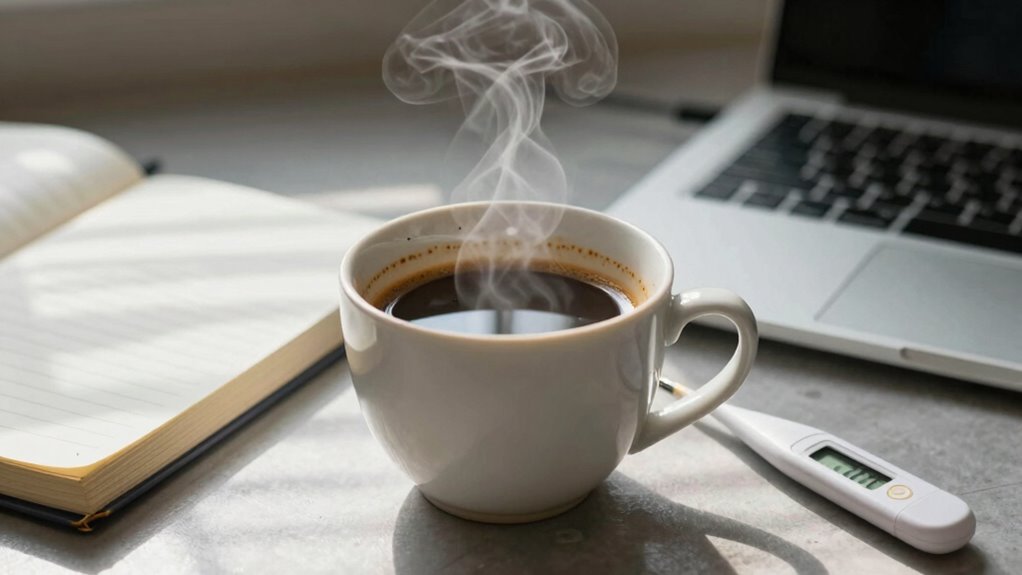
If you’ve noticed yourself reaching for caffeine more often or feeling like your usual dose isn’t enough, it might be a sign that your caffeine intake is creeping upward. You may start to rely on that extra cup or two just to get through the day, but pay attention to how it’s affecting your body. One clear sign is sleep disruption. Caffeine is a stimulant that blocks adenosine, a chemical that helps you feel sleepy, so increasing your intake can make it harder to fall asleep or cause restless, shallow sleep. If you find yourself lying awake longer than usual or waking up feeling unrefreshed, it’s worth considering whether your caffeine habits have shifted. You might also notice that even when you do sleep, it’s not as restorative, which can create a vicious cycle—more caffeine to combat fatigue, further sleep problems, and heightened dependence.
Another indicator is an increase in anxiety. As your caffeine consumption grows, you may start to feel more jittery, anxious, or on edge, even in situations where you normally wouldn’t. Caffeine stimulates the central nervous system, and too much can trigger a fight-or-flight response, leading to feelings of nervousness or panic. You might notice your heart pounding more than usual or that your thoughts race uncontrollably. A small amount of caffeine can boost alertness, but once your intake exceeds your tolerance, it can amplify feelings of anxiety, sometimes even causing physical symptoms like sweating or trembling. Over time, this heightened anxiety can become a persistent issue, making it harder to relax or focus without even realizing that your caffeine habits are contributing. Additionally, understanding your tolerance levels can help prevent overconsumption and its associated effects.
As an affiliate, we earn on qualifying purchases.
Frequently Asked Questions
Can Increasing Caffeine Intake Improve Workout Performance?
Increasing your caffeine intake can boost workout performance temporarily by elevating your energy levels, helping you push harder. However, your caffeine metabolism varies, so too much may cause jitters or a crash. Pay attention to how your body responds, and don’t rely solely on caffeine for energy. Moderation is key; a slight increase might improve performance, but overdoing it can lead to negative effects and disrupt your natural energy balance.
How Does Caffeine Dependence Develop Over Time?
Caffeine dependence develops like a slow tide, gradually pulling you in. With regular intake, your tolerance buildup causes your body to need more to achieve the same alertness, leading to dependency development. Over time, you might find yourself reaching for caffeine not out of desire but necessity. This cycle can make it harder to function without your daily dose, turning a simple pick-me-up into a reliance you hardly notice until it’s ingrained.
Are There Specific Signs of Caffeine Withdrawal?
You’ll notice withdrawal symptoms like headaches, fatigue, and irritability when your caffeine dependency signs emerge. You might also feel less alert or have difficulty concentrating without your usual caffeine intake. These signs indicate your body has developed a dependence, and missing your usual dose triggers these symptoms. If these symptoms become persistent, it’s a clear signal that your caffeine habit is increasing, and you may need to reassess your consumption.
What Are Safe Daily Caffeine Limits for Adults?
You should keep your daily consumption within safe limits—generally up to 400 milligrams of caffeine, roughly four cups of coffee. Your caffeine metabolism varies, so listen to your body’s signals. Going beyond this might lead to sleep issues or increased tolerance. Stick to these guidelines, and you’ll enjoy your caffeine without risking dependence or adverse effects. Stay alert, but don’t push past what’s safe.
How Does Caffeine Affect Sleep Quality Long-Term?
Caffeine can cause sleep disruption long-term, affecting your overall sleep quality and health. Consuming it later in the day may lead to difficulty falling asleep or staying asleep, which over time can impair your immune system and cognitive function. You might not notice immediate effects, but persistent sleep issues can negatively impact your long-term health. Reducing caffeine intake, especially in the afternoon and evening, helps protect your sleep quality and well-being.
Conclusion
So, next time you find yourself reaching for that extra cup, remember—your caffeine habit might be climbing faster than you think. Ironically, what starts as a harmless boost can quietly turn into a dependency you never planned. Keep an eye on your intake before it sneaks past your awareness. After all, the real buzz isn’t just in the coffee; it’s in catching yourself before you’re hooked. Stay mindful, and enjoy your java without losing control.
Fall Picks
fall essentials
As an affiliate, we earn on qualifying purchases.