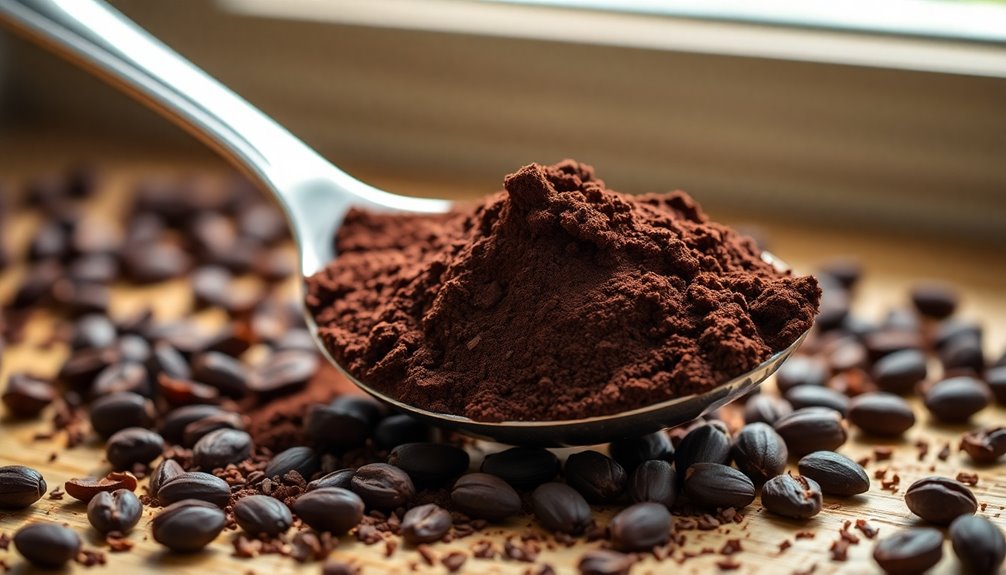
Many believe coffee dehydrates you, but it actually contributes to your hydration since it contains water. While caffeine has a mild diuretic effect, regular drinkers build tolerance, making dehydration less likely. Moderate coffee intake can support your fluid balance alongside water and other beverages. Overdoing caffeine might cause fluid loss, but for most, the myth of coffee causing dehydration isn’t true. Keep exploring to discover the full picture behind coffee’s role in hydration.
Key Takeaways
- Coffee contains water and can contribute to daily hydration when consumed in moderation.
- The diuretic effect of caffeine is mild for regular drinkers and does not cause significant dehydration.
- Drinking water alongside coffee helps maintain proper hydration levels.
- The myth that coffee dehydrates is inaccurate for most habitual consumers.
- Overall hydration depends on total fluid intake, not just coffee consumption.

Have you ever wondered if your favorite morning coffee actually hydrates or dehydrates you? It’s a common question, especially for those who rely on their daily caffeine fix to start the day. The truth is, coffee does contain water, so in small amounts, it can contribute to your hydration. However, the presence of caffeine complicates the picture. Caffeine is a stimulant, and it influences how your body absorbs and processes fluids, which can affect your hydration balance.
When you drink coffee, caffeine is quickly absorbed into your bloodstream through your digestive system. This process, known as caffeine absorption, happens relatively fast, usually within an hour of drinking. Once in your system, caffeine acts on your central nervous system, providing that familiar boost of alertness. But caffeine also has a diuretic effect, which means it promotes increased urine production. This is where the myth that coffee dehydrates you often comes from. The diuretic effect can cause you to lose more fluid than you’ve taken in, especially if you’re not a regular coffee drinker or if you consume large amounts. However, research shows that for most people, the diuretic effect is mild and doesn’t outweigh the fluid you get from the coffee itself.
This interplay between caffeine absorption and hydration balance is key. While caffeine does stimulate urine production, your body adjusts over time if you drink coffee regularly. For habitual coffee drinkers, the diuretic effect diminishes, meaning coffee’s contribution to dehydration is less significant. So, the hydration balance isn’t as cut and dry as once thought. Your coffee intake can still help maintain your hydration levels, especially if you’re drinking it in moderation.
Additionally, hydration balance depends on your overall fluid intake and lifestyle. While caffeine can have mild diuretic effects, it doesn’t negate the water content in coffee, especially when consumed in moderation.
In essence, your coffee habit isn’t likely to cause dehydration if you’re consuming reasonable amounts daily. It’s important to contemplate the overall picture: if you’re drinking plenty of water throughout the day, a cup or two of coffee won’t undo that effort. Just keep in mind that excessive caffeine intake can tip the scales, leading to more fluid loss than gain. Moderation is key. So, next time you reach for your favorite brew, rest assured that it can count toward your hydration, even if it’s not the sole source. Your hydration balance depends on your entire fluid intake, not just your coffee cup.

The Clean Hydration Company Coffee Mug Travel Mug Insulated 12 Oz | Ceramic Lined Travel Cup with Lid | Reusable Office Mug Double Wall Vacuum Eco-Friendly BPA-Free (Gray)
PREMIUM CERAMIC INSULATED COFFEE MUG – Designed as a ceramic insulated 12 oz coffee mug with double wall…
As an affiliate, we earn on qualifying purchases.
As an affiliate, we earn on qualifying purchases.
Frequently Asked Questions
Does Coffee Dehydrate You More Than Water?
No, coffee doesn’t dehydrate you more than water. While caffeine absorption can have a mild diuretic effect, it’s generally not enough to impact your hydration markers considerably. Drinking coffee contributes to your daily fluid intake, and the water content helps keep you hydrated. So, you can enjoy your coffee without worrying about dehydration, as long as you balance it with enough water throughout the day.
How Much Coffee Is Safe for Hydration?
You can enjoy about 3-4 cups of coffee daily without harming your hydration balance. While coffee’s antioxidants offer health benefits, too much can tip the scales. Remember, moderate intake helps maintain hydration, as the diuretic effect isn’t strong enough to cause dehydration. Keep your coffee consumption in check, and you’ll benefit from its antioxidants without risking your body’s hydration needs.
Can Caffeine Tolerance Affect Hydration Levels?
Yes, caffeine tolerance can affect your hydration levels. When you develop caffeine dependency, your body becomes more accustomed to its diuretic effects, which might lead to dehydration if you don’t balance your intake with water. As your tolerance rises, you may notice less of a dehydrating effect, but it’s still important to monitor your hydration balance and not rely solely on caffeinated drinks for fluid needs.
Does Adding Milk or Sugar Change Coffee’s Hydration Effect?
Adding milk or sugar to coffee doesn’t considerably change its hydration effects. Studies show that about 75% of coffee’s water content still contributes to your daily hydration, regardless of extras. Milk adds some nutrients but also slightly increases calorie intake, while sugar impacts blood sugar levels more than hydration. So, whether you add milk or sugar, your coffee still helps keep you hydrated, just with different flavor and nutritional tweaks.
Are There Specific Times to Avoid Coffee for Hydration?
You should avoid drinking coffee during late evening or right before bed, as its caffeine can interfere with your sleep and hydration. Timing considerations suggest limiting caffeine intake after mid-afternoon to maintain ideal hydration levels. Incorporate hydration tips by balancing your coffee consumption with plenty of water throughout the day, especially if you notice signs of dehydration. Staying mindful of when you drink coffee helps support your overall hydration and health.

Owala SmoothSip Slider Insulated Stainless Steel Coffee Tumbler, Reusable Iced Coffee Cup, Hot Coffee Travel Mug, BPA Free 12 oz, Vanilla Bean
12-ounce insulated stainless-steel tumbler with a completely leak-proof lid
As an affiliate, we earn on qualifying purchases.
As an affiliate, we earn on qualifying purchases.
Conclusion
So, as it turns out, that morning coffee isn’t the hydration villain many believed. Sometimes, it’s funny how a simple drink can blur lines between myth and reality, isn’t it? You might find yourself reaching for that cup, thinking it’ll dehydrate you, yet it’s more nuanced. Next time you sip, remember, the truth often sneaks in when you least expect it—just like this little coincidence, reminding you to see the bigger picture.

BlenderBottle Strada Shaker Cup Insulated Stainless Steel Water Bottle with Wire Whisk, 24-Ounce, Black
Stainless Steel Construction: Spill-proof shaker bottle made of BPA-free stainless steel for mixing supplements and smoothies.
As an affiliate, we earn on qualifying purchases.
As an affiliate, we earn on qualifying purchases.
Wellness Enthusiast Coffee Mug – Hydration Signals Explained Infographic – 11 oz White Ceramic – Fresh and Clean Design
EDUCATIONAL INFOGRAPHIC DESIGN: Features a clear, colorful chart explaining hydration signals including urine color, thirst levels, skin elasticity,…
As an affiliate, we earn on qualifying purchases.
As an affiliate, we earn on qualifying purchases.