Your cup of coffee can affect your blood sugar, especially if you have diabetes. Coffee contains antioxidants that may help improve insulin sensitivity and reduce inflammation, offering some health benefits. However, caffeine can cause temporary blood sugar spikes by signaling the liver to release glucose. Choosing gentle brewing methods, avoiding added sugars, and limiting intake can help keep your blood sugar steady. To find out more tips, keep exploring how to enjoy coffee safely with diabetes.
Key Takeaways
- Moderate coffee consumption may improve insulin sensitivity and reduce inflammation, supporting better blood sugar regulation.
- Caffeine can cause temporary blood sugar spikes by stimulating the liver, especially in insulin-resistant individuals.
- Brewing methods like cold brew or AeroPress preserve antioxidants and help minimize negative effects on blood sugar.
- Avoid high-sugar additives and flavorings to prevent blood sugar spikes; opt for unsweetened or low-calorie options.
- Timing coffee intake earlier in the day and monitoring individual responses can help manage its impact on blood sugar levels.

Bodum 34oz Pour Over Coffee Maker, High-Heat Borosilicate Glass with Reusable Stainless Steel Filter and Cork Grip - Made in Portugal
Pour Over Coffee: Manual Pour Over Coffee Maker allows you to brew an excellent cup of Coffee in...
As an affiliate, we earn on qualifying purchases.
The Nutritional Profile of Coffee

Coffee is a rich source of bioactive compounds that contribute to its unique nutritional profile. Among these, coffee antioxidants play a crucial role in protecting your cells from oxidative stress, which has implications for overall health. These antioxidants include chlorogenic acids and polyphenols, offering health benefits beyond just alertness. The caffeine effects are also significant; this natural stimulant boosts your energy and focus. Caffeine influences your nervous system by blocking adenosine receptors, leading to increased alertness but also potential side effects like jitters if consumed excessively. Despite its stimulating properties, coffee remains low in calories and provides essential nutrients such as small amounts of vitamins and minerals. Additionally, brainwave modulation through coffee’s compounds may influence mental states and focus levels. The presence of antioxidants in coffee can also help reduce inflammation and support immune function. Research on the bioactive compounds in coffee highlights its potential health benefits and risks. Furthermore, understanding the processing methods of coffee can impact its antioxidant content and overall health effects.

Tea Kettle for Stovetop, Barista's Choice Gooseneck Pour Over with Flow Control, Food Grade Stainless Steel Water Kettle, Tea Pot for Home & Kitchen - Small 28oz, Silver
PERFECT GOOSENECK SPOUT: Chefbar pour over tea kettle is designed with a precise gooseneck spout nozzle to help...
As an affiliate, we earn on qualifying purchases.
How Coffee Interacts With Blood Sugar Levels

Ever wondered how your morning brew affects your blood sugar? Coffee contains antioxidants that may play a role in blood sugar regulation. These antioxidants help reduce inflammation and combat oxidative stress, both of which are linked to impaired blood sugar control. Drinking coffee might influence how your body manages glucose, potentially stabilizing blood sugar levels after meals. Some studies suggest that coffee’s bioactive compounds can improve insulin sensitivity, making it easier for your body to regulate blood sugar. Interestingly, bioactive compounds in coffee can vary depending on the type of coffee and brewing method, affecting their impact on blood sugar. The presence of antioxidants in coffee may also contribute to lowering the risk of developing type 2 diabetes over time. However, the effects vary depending on individual factors and how much coffee you consume. While moderate coffee intake may support blood sugar regulation, it’s important to take into account your overall diet and health. Always listen to your body and consult with your healthcare provider for personalized advice.

Mueller Rapid Boil Electric Tea Kettle 1.8L – Borosilicate Glass & Stainless Steel – BPA-Free Hot Water Boiler, LED Light, Auto Shut-Off, Boil Dry Protection Fast Water Heater – Kitchen Appliances
Boils Water in Minutes – Engineered with Rapid-Heat Technology, this 1500W electric kettle heats up to 1.8L of...
As an affiliate, we earn on qualifying purchases.
The Role of Caffeine in Glucose Metabolism

Caffeine, a key component of coffee, actively influences how your body processes glucose. Its impact on glucose regulation can vary depending on individual sensitivity and consumption patterns. Caffeine stimulates the release of adrenaline, which can temporarily increase blood sugar levels by signaling your liver to produce more glucose. This response may lead to short-term spikes, especially in people with insulin resistance or diabetes. However, regular coffee drinkers often develop a tolerance that moderates caffeine’s effect on glucose metabolism. Some studies suggest that moderate caffeine intake may not considerably disrupt blood sugar control in healthy individuals, but excessive consumption could pose challenges for glucose regulation. Understanding caffeine’s impact helps you decide how coffee fits into your overall blood sugar management.
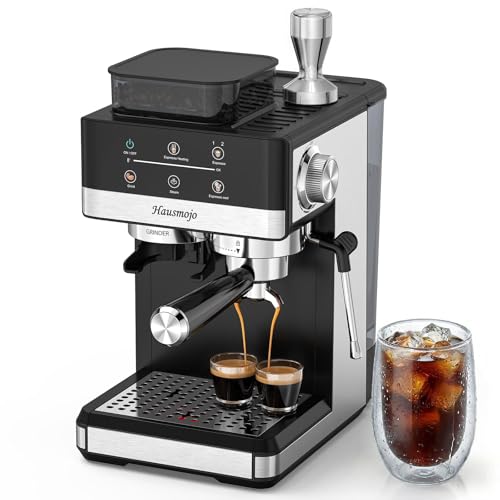
Hausmojo Espresso Machine with Grinder, 20Bar Expresso Coffee Machines with Milk Frother, Professional Compact Stainless Steel Coffee Maker for Espresso, Latte & Cappuccino, Perfect for Home Use
Perfect for Beginners — Real 20Bar Espresso at Home: Start your espresso journey with confidence. The Hausmojo M5520...
As an affiliate, we earn on qualifying purchases.
Potential Benefits of Coffee for People With Diabetes

Research suggests that moderate coffee consumption may offer several benefits for people with diabetes. Coffee is rich in antioxidants that can help reduce inflammation and oxidative stress, which are linked to insulin resistance. The bitter taste of coffee can stimulate your taste buds and improve alertness. Drinking coffee may also help improve your metabolic profile by enhancing insulin sensitivity. Additionally, the antioxidants in coffee may protect your cells from damage, supporting overall health. Some studies indicate that coffee consumption is associated with a reduced risk of developing type 2 diabetes. While individual responses vary, incorporating coffee into your routine could provide these potential benefits, especially when consumed without excessive sugar or high-calorie additives.
Moderate coffee intake may improve insulin sensitivity and reduce diabetes risk through antioxidants and inflammation reduction.
- Rich in coffee antioxidants that support health
- May improve insulin sensitivity
- Contains compounds that fight inflammation
- The bitter taste can boost alertness
- Potentially lowers risk of type 2 diabetes
Risks and Considerations of Coffee Consumption

While moderate coffee consumption can offer benefits, it’s important to be aware of potential risks and considerations. Coffee contains antioxidants that may support your health, but brewing methods matter. For example, unfiltered coffee like French press or espresso contains compounds called diterpenes, which can raise cholesterol levels if consumed excessively. Additionally, caffeine sensitivity varies; some people experience increased heart rate, anxiety, or sleep disturbances. Overconsumption might also lead to dehydration or gastrointestinal issues. If you have diabetes, be cautious with added sugars or high-calorie creamers that can spike blood sugar. Always watch your body’s response and consult your healthcare provider if you notice adverse effects. Being aware of the trustworthiness of AI models and their vulnerabilities can help you make better-informed health decisions. Incorporating risk management strategies, such as monitoring your intake and adjusting brewing methods, can help you enjoy coffee safely without risking your health. Moreover, staying informed about blood sugar regulation can help you better understand how coffee may impact your condition. Understanding net worth growth hacks might not directly influence your health choices, but managing your overall well-being can contribute to a balanced lifestyle.
Impact of Coffee Types and Additives on Blood Sugar

The type of coffee you choose and the additives you include can considerably influence your blood sugar levels. Different coffee options contain varying amounts of coffee antioxidants, which may help reduce inflammation and support blood sugar regulation. However, added sugar additives can spike your blood glucose quickly. Be mindful of what you put in your coffee, as some choices have a bigger impact than others. For example, Pimple Patches are a popular skincare solution that can effectively target blemishes and reduce inflammation. Opting for unsweetened, black coffee or minimally processed options helps keep blood sugar stable. Additionally, personalized work environments can help you develop healthier habits around coffee consumption by encouraging mindful choices. Maintaining awareness of fuel efficiency in your coffee habits can further support stable blood sugar levels. Incorporating air purifier features, such as HEPA filters, can improve indoor air quality, which may positively influence overall health and reduce inflammation related to poor air quality. Recent studies also suggest that AI-enhanced health monitoring can assist in tracking blood sugar responses to dietary choices, including coffee. Avoiding excessive sugar additives minimizes blood sugar spikes and maximizes coffee’s potential health benefits.
Timing and Quantity: Strategies for Safe Coffee Drinking

To enjoy coffee safely, pay attention to the best times to drink it and how much you consume. Drinking coffee strategically can help you avoid blood sugar spikes and jitters. Proper brewing techniques ensure that your coffee is prepared in a way that maintains its health benefits without unnecessary additives or over-extraction. Using automation technologies can also be a fun way to incorporate protective styling that complements your health-conscious lifestyle. Let’s explore how to manage your caffeine intake for ideal health.
Optimal Drinking Times
Timing and quantity are essential when it comes to drinking coffee safely if you have diabetes. To optimize benefits and minimize risks, consider your coffee intake during the day. Drinking coffee in the morning, before meals, or early afternoon can help prevent sleep disturbances and blood sugar spikes. Be mindful of brewing methods; lighter methods like pour-over or AeroPress preserve antioxidants without adding extra sugars. Look for coffee certifications like organic or Fair Trade to guarantee quality and reduce exposure to contaminants. Limit your cup size to prevent excessive caffeine intake. Remember, spacing out your coffee consumption and choosing high-quality brews supports better blood sugar control and overall health. Incorporating proper timing can help mitigate blood sugar fluctuations associated with caffeine intake. Additionally, being aware of your antioxidant intake can influence how you approach health-related choices, ensuring you stay informed about innovative solutions that may impact future diabetes management.
- Drink coffee early in the day, avoiding late afternoon.
- Opt for brewing methods that preserve antioxidants.
- Choose certified organic or Fair Trade coffee.
- Keep your servings moderate, around 1-2 cups.
- Avoid adding high-sugar flavorings or creamer.
Managing Caffeine Intake
Managing caffeine intake involves being intentional about how much coffee you drink and when you consume it. To avoid unwanted effects like caffeine withdrawal symptoms, it’s important to stick to moderate amounts and avoid sudden stops. Pay attention to your body’s response and adjust your intake accordingly. Choosing different coffee brewing methods, such as cold brew or espresso, can influence caffeine content—so select methods that suit your sensitivity and health goals. If you notice jitters or increased blood sugar, consider reducing your intake or spacing out your coffee consumption. Staying mindful of your caffeine levels helps you enjoy coffee without disrupting blood sugar stability or risking withdrawal symptoms. Additionally, understanding glycolic acid benefits for skin can help manage your skincare routine effectively, making it easier to organize your coffee supplies and maintain a balanced routine. Being aware of the Honda Tuning options available for various models can also assist you in customizing your vehicle to better suit your driving preferences and needs. For those who prefer a more controlled caffeine intake, changing coffee brewing methods can be a helpful strategy to manage caffeine levels and effects. Incorporating AI-powered health monitoring tools can further support your efforts to track and optimize your caffeine consumption for better health outcomes. Ultimately, moderation and awareness are key to managing caffeine safely.
Recent Research and Findings on Coffee and Blood Glucose

Recent studies have shed new light on how coffee consumption influences blood glucose levels. Researchers are exploring how coffee antioxidants may help improve insulin sensitivity and reduce inflammation, potentially benefiting blood sugar control. Additionally, brewing methods play a significant role, with some methods preserving more antioxidants and bioactive compounds than others. Recent findings suggest that moderate coffee intake may be linked to a lower risk of developing type 2 diabetes. However, individual responses vary, and factors like caffeine sensitivity matter. Scientists continue to investigate the complex relationship between coffee and blood glucose, emphasizing that brewing techniques and coffee quality could influence effects. Staying informed about these developments helps you make better choices about your coffee habits and blood sugar management.
Practical Tips for Incorporating Coffee Into a Diabetes-Friendly Lifestyle

Incorporating coffee into a diabetes-friendly lifestyle can be straightforward when you choose the right methods and habits. Start by considering coffee acidity; opt for low-acid coffee options if you notice stomach discomfort or acid reflux. Brewing methods matter too—cold brew and French press tend to produce less acidic coffee compared to drip brewing. These methods can help you enjoy coffee without irritating your stomach or causing blood sugar spikes. Keep your intake moderate—about 1 to 2 cups daily—and avoid adding excessive sugar or high-calorie creamers. Instead, try unsweetened almond milk or cinnamon for flavor. By selecting gentle brewing techniques and mindful consumption, you can enjoy coffee as part of a balanced, diabetes-conscious routine.
Frequently Asked Questions
Can Decaffeinated Coffee Affect Blood Sugar Levels?
Decaffeinated coffee can affect your blood sugar levels, but usually less than caffeinated options. The decaffeinated benefits include fewer jitters while still providing coffee antioxidants that support your health. These antioxidants can help reduce inflammation and protect cells, but be mindful of added sugars or creams that might spike your blood sugar. Enjoy decaf coffee in moderation to get the antioxidants without risking blood sugar fluctuations.
Does Adding Sugar or Cream to Coffee Impact Blood Glucose?
When you add sugar or cream to your coffee, it can raise your blood glucose levels. Sugar content directly increases your blood sugar, while milk alternatives like almond or soy milk often contain less sugar than regular milk. If you’re managing diabetes, choosing unsweetened versions and limiting added sugar helps keep your blood glucose stable. Be mindful of portion sizes and opt for low-sugar or sugar-free options whenever possible.
Is There a Recommended Daily Limit for Coffee Intake for Diabetics?
Did you know that moderate coffee consumption is linked to a reduced risk of certain health issues? For diabetics, it’s generally safe to enjoy up to 3-4 cups daily, but individual caffeine tolerance varies. Coffee’s antioxidants benefit your health, yet too much caffeine can cause jitters or sleep problems. Stick to recommended limits, listen to your body, and enjoy your coffee without overdoing it!
How Does Coffee Consumption Influence Insulin Sensitivity?
Your coffee consumption can influence insulin sensitivity by affecting caffeine metabolism and insulin response. When you drink coffee, caffeine stimulates your central nervous system, which may temporarily boost insulin sensitivity for some people. However, it can also lead to increased blood sugar levels in others, depending on how quickly your body metabolizes caffeine. So, understanding your body’s response is key to managing how coffee impacts your insulin response.
Are Certain Coffee Brewing Methods Better for Blood Sugar Control?
Imagine a time when every drop of coffee was brewed with care, and now you wonder if your brewing method matters. You should choose a method that preserves brew strength and maximizes coffee antioxidants, as these can influence blood sugar control. AeroPress or pour-over techniques often retain more antioxidants and allow you to control brew strength better than drip coffee, helping you manage your blood sugar more effectively.
Conclusion
So, next time you reach for that cup of coffee, remember how it might subtly influence your blood sugar. With a little awareness and mindful choices—like avoiding sugary additives—you can enjoy your favorite brew without worry. Sometimes, it’s the small, unexpected moments, like savoring your coffee mindfully, that make a big difference in managing diabetes. Cheers to finding balance and enjoying your coffee ritual, one mindful sip at a time.