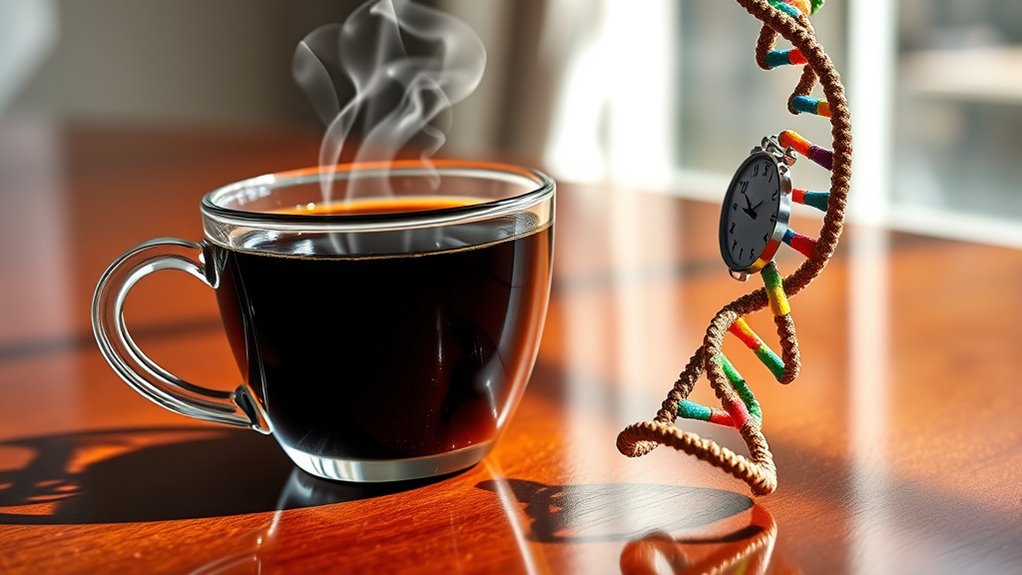

Your body’s ability to process caffeine varies based on your genetics, especially the activity of the CYP1A2 enzyme. Faster metabolizers clear caffeine in about 3 hours, while slower ones may take 6 or more hours. This affects how long caffeine’s effects last and how you feel, including jitteriness or alertness. Understanding your genetic makeup can help you tailor your intake. If you keep exploring, you’ll uncover more about how these differences influence your caffeine experience.
Key Takeaways
- Genetic variations, especially in the CYP1A2 gene, influence how quickly individuals metabolize caffeine.
- Fast metabolizers typically clear caffeine within about 3 hours, while slow metabolizers may take 6 hours or more.
- The enzyme CYP1A2 activity levels determine caffeine’s half-life and duration of effects.
- Genetic differences affect individual sensitivity, including effects on alertness, sleep, and side effects.
- Personal genetic makeup guides tailored caffeine consumption to optimize benefits and reduce adverse reactions.
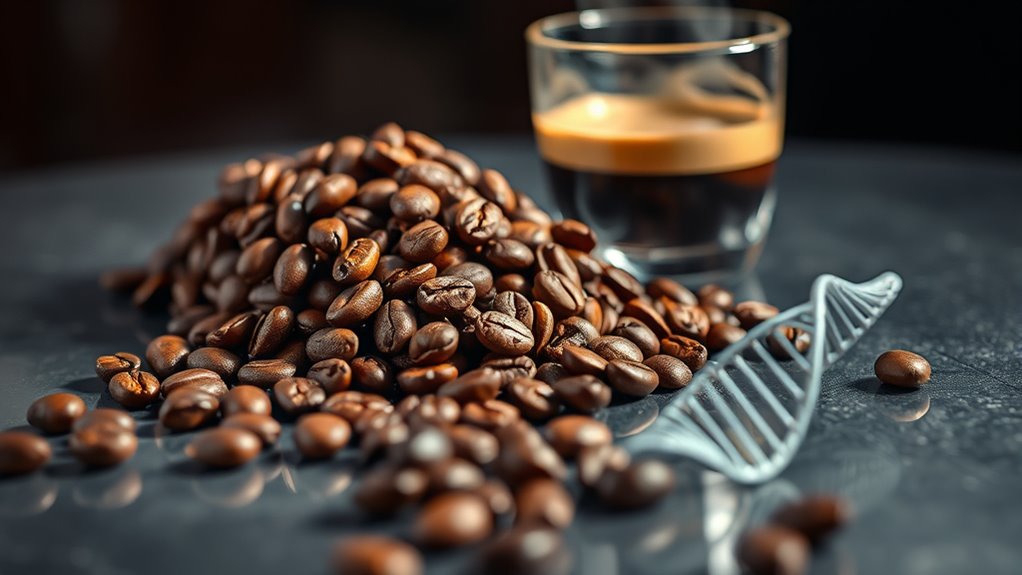
Caffeine metabolism refers to how your body processes and breaks down caffeine after you consume it. When you drink a cup of coffee or tea, your body doesn’t just absorb caffeine; it also works to eliminate it efficiently. The speed and manner in which your body does this depend heavily on your genetic makeup. Genetic variations play a vital role in determining your metabolic rate—the speed at which your body converts caffeine into metabolites. Some people have genetic differences that make them process caffeine quickly, while others do so more slowly. This variation can affect how long caffeine stays in your system and how strongly it influences your alertness or jitteriness.
Your metabolic rate, influenced by genetics, directly impacts the half-life of caffeine—the time it takes for your body to eliminate half of the caffeine you’ve consumed. For some, this half-life can be as short as three hours, meaning they clear caffeine quickly. For others, it can extend to six hours or more, causing caffeine to linger in their system longer. These differences are primarily due to variations in genes responsible for encoding enzymes like CYP1A2, which is pivotal in caffeine metabolism. If you have a version of this gene that codes for a highly active enzyme, you’ll likely process caffeine faster. Conversely, a less active enzyme results in slower clearance, increasing caffeine’s duration in your bloodstream.
Genetic differences in CYP1A2 influence whether caffeine stays in your system for three hours or more.
This genetic variability explains why some individuals can have a late-afternoon coffee without disrupting their sleep, while others find even a morning cup keeps them awake at night. Your genetic makeup doesn’t just influence how long caffeine remains in your system but also how intensely you feel its effects. Faster metabolizers might experience a quick boost of energy that fades rapidly, whereas slower metabolizers could feel the effects more intensely and for a longer duration. It’s important to recognize these differences because they can help you understand your own response to caffeine and tailor your intake accordingly.
Understanding the role of genetic variations in caffeine metabolism can also shed light on why some people are more prone to caffeine-related side effects like anxiety or heart palpitations. Knowing your metabolic rate can guide you in adjusting your caffeine consumption to suit your body’s unique processing speed. Additionally, individual genetic factors can influence how your body reacts to caffeine, making personalized approaches to intake more effective. In essence, your genetic makeup shapes how caffeine interacts with your body—affecting both its half-life and the overall impact caffeine has on you. Recognizing these individual differences empowers you to make smarter choices about when and how much caffeine to consume, optimizing its benefits while minimizing potential downsides.

AffinityDNA DNA Test for Caffeine Metabolism | CYP1A2 Gene | at Home Cheek Swab Sample Collection Kit | Results in 7-10 Working Days | No Extra Fees
ACCURATE DNA TEST: The genetic analysis examines the CYP1A2 gene. The test evaluates the speed of metabolisation of…
As an affiliate, we earn on qualifying purchases.
As an affiliate, we earn on qualifying purchases.
Frequently Asked Questions
How Does Age Influence Caffeine Metabolism Rates?
As you age, your caffeine metabolism slows down due to genetic factors and metabolic variations. Younger people typically process caffeine faster, leading to shorter-lasting effects. In contrast, older adults often experience prolonged stimulation because their bodies metabolize caffeine more slowly. This change can increase sensitivity to caffeine’s effects and potential side effects, so you might need to adjust your intake accordingly to avoid sleep disturbances or jitters.
Are There Gender Differences in Caffeine Processing?
Yes, gender differences can influence how you process caffeine. Hormonal influences, especially fluctuating estrogen levels in women, can slow down caffeine metabolism, making it stay in your system longer. Men generally metabolize caffeine faster due to higher levels of certain enzymes. These differences mean that your gender and hormonal state can affect how quickly you feel the effects and how long caffeine stays active in your body.
Can Liver Health Affect Caffeine Half-Life?
Yes, liver health can affect your caffeine half-life. When liver enzyme variability decreases due to impaired hepatic detoxification, caffeine stays in your system longer. Conversely, healthy liver function speeds up metabolism, reducing caffeine’s duration. You can improve your caffeine processing by maintaining good liver health through balanced diet, regular exercise, and avoiding excessive alcohol. By supporting hepatic detoxification, you help your body efficiently clear caffeine, reducing its lingering effects.
Do Certain Medications Alter Caffeine Metabolism?
Yes, certain medications can alter your caffeine metabolism by affecting enzyme activity. Genetic variations influence how quickly your body processes caffeine, but medications like antibiotics or antifungals can either inhibit or boost these enzymes. When enzyme activity is slowed, caffeine stays in your system longer, increasing its effects. Conversely, increased enzyme activity can speed up caffeine clearance, reducing its stimulating effects. Always check with your healthcare provider about medication interactions with caffeine.
How Does Caffeine Tolerance Develop Over Time?
You might find that your sensitivity to caffeine gradually diminishes, as tolerance buildup quietly takes hold. Genetic variations influence how your body processes caffeine, making some people more prone to developing tolerance than others. Over time, consistent caffeine intake signals your system to adjust, reducing its response. This adaptation often leads to needing more caffeine for the same effect, subtly shifting your usual energy boost into a more subdued, familiar rhythm.

H. Pylori,Helicobacter Pylori Detection 2 Test kit, 10-15 Minutes of Quick Home Testing, The Result is Highly Accurate, Easy to use and Read
Get reliable results in just 10-15 minutes.
As an affiliate, we earn on qualifying purchases.
As an affiliate, we earn on qualifying purchases.
Conclusion
Understanding how your body handles caffeine can be quite enlightening. While it’s tempting to rely on that morning boost, keep in mind that everyone’s metabolism is a little different—some process caffeine more gently than others. Being mindful of your unique response helps you enjoy your favorite beverages without overdoing it. So, consider this a gentle nudge to listen to your body’s signals and savor your coffee in a way that feels just right for you.
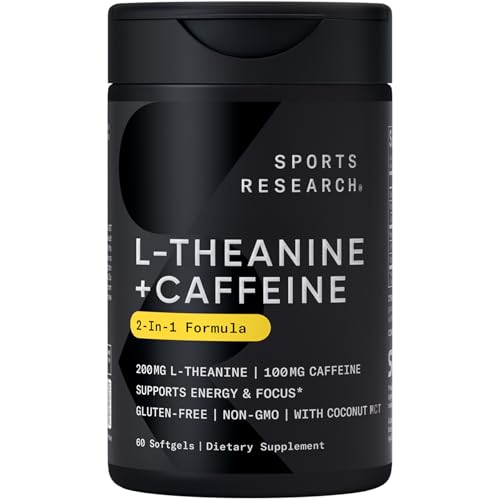
Sports Research L-Theanine Supplement with Caffeine & Coconut MCT Oil – Focused Energy, Alertness & Relaxation Without Drowsiness – 200mg L Theanine, 100mg Organic Caffeine – 60 Liquid Softgels
BETTER TOGETHER: Sports Research L-theanine and Caffeine offer 2-in-1 support by boosting mental focus and alertness while promoting…
As an affiliate, we earn on qualifying purchases.
As an affiliate, we earn on qualifying purchases.

Genovate DNA Caffeine Sensitivity Test – Discover Your Body's Response to Caffeine
YOUR CAFFEINE METABOLISM: Discover your unique caffeine metabolism with the DNA Caffeine Sensitivity Test. Understand how your genes…
As an affiliate, we earn on qualifying purchases.
As an affiliate, we earn on qualifying purchases.