🔍 Read the full analysis: Amaro 101: Italy's Bittersweet After-Dinner Tradition on Mad Tasting

Get coffee and tea gear delivered free with Prime
- Fast, free delivery on millions of items
- Prime Video, Amazon Music and more included
- Member-only deals all year
TL;DR
Amaro is a broad category of sweetened Italian bitter liqueurs, commonly served in a small pour after a meal. Its flavor and strength vary by producer; tasting a modest pour neat, then chilled or over ice, offers a way to explore the range.
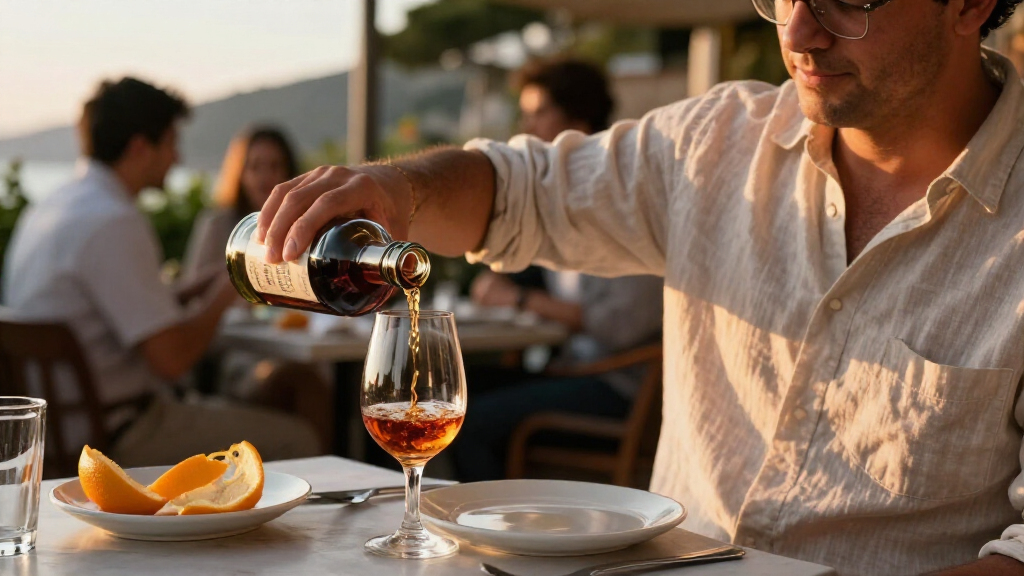
Amaro, the broad category of sweetened Italian bitter liqueurs, is traditionally served in a small pour after a meal as a digestivo. A guide from Mad Tasting describes how producers’ botanical blends and regional influences create styles that range from bright and citrusy to earthy, minty, or sharply bitter, and offers suggestions for tasting and choosing a bottle.
There is no single recipe for amaro. Producers may steep or infuse ingredients such as gentian, wormwood, rhubarb, citrus peel, angelica, fennel, mint, flowers, and other herbs in alcohol. The infusion is sweetened and may be aged; exact botanical blends are often closely guarded. Sweetness can soften the bitterness, but it does not make every amaro taste alike.
A sip can begin with sweetness or citrus, develop into root, spice, or herbal notes, and finish with lingering bitterness. The guide says many bottles are around 20–35% alcohol by volume, while some fall outside that range. Drinkers should check each label: a small pour still contains alcohol, and a rounded, sweet flavor can make a spirit’s strength less apparent.
For a first tasting, the guide suggests pouring a modest amount—an ounce or less for someone new to the category—and smelling it before sipping. Try it neat at room temperature as a baseline, then compare a chilled pour or one served with ice. There is no universal serving temperature; if chilling seems to mute the aroma, let the glass sit briefly.
Amaro 101 Italy’s bittersweet after-dinner tradition
Amaro is a broad category of sweetened Italian bitter liqueurs, traditionally enjoyed in a small pour after a meal. Its flavor and strength vary by producer.
A category, not one flavor
Botanical blends and regional influences create a wide range of tastes.
Bright and aromatic
Citrus peel can lead into herbal or bitter notes.
Earthy or minty
Roots, herbs, and mint bring distinct finishes.
Sweetness with a bite
Sweetness may soften bitterness, but bottles still differ.
Place offers clues
Regional associations are broad tendencies, not guarantees about a bottle.
- Often resinous and herbal
- Producers’ blends can vary
- May foreground citrus or spice
- Local plants may shape the profile
Try a first tasting
A simple comparison helps reveal how serving temperature changes the aroma and taste.
Ask a knowledgeable seller about sweetness and finish.
Smell it first, then taste it at room temperature.
If chilling mutes the aroma, let the glass sit briefly.
Check the bottle
Flavor descriptions and appearance do not confirm alcohol strength.
- Check the label for the specific bottle’s ABV.
- A sweet, rounded taste can make strength less apparent.
- “Digestivo” describes an after-meal custom, not a medical benefit.
A Tradition With Many Flavor Profiles
Amaro matters to diners and drinkers because the word describes a wide range of spirits, not one predictable flavor. Knowing whether a bottle is citrus-forward, minty, earthy, or intensely bitter can help people choose a style they are more likely to enjoy and understand why two bottles may taste very different.
The after-dinner custom also gives the drink a place at the table beyond cocktails. A small pour can serve as a closing drink after a meal, but the guide cautions against treating the tradition as medical advice: “digestivo” describes its role after dinner, not evidence that alcohol improves digestion. Amaro remains an alcoholic drink, so serving size and the label’s ABV matter.
Products Worth Considering

Instant Pot Pro 6-Quart 10-in-1 Electric Pressure Cooker

Breville Barista Express Espresso Machine with Built-In Grinder, Black Truffle

KitchenAid Classic Series 4.5-Quart Tilt-Head Stand Mixer, Onyx Black
As an affiliate, we earn on qualifying purchases.
How Place Shapes the Pour
Regional identity can offer clues, though it cannot determine exactly what is in a bottle. The guide describes mountain styles as often resinous and herbal, while some southern Italian styles may foreground citrus, spice, or local plants. These are broad flavor associations, not fixed rules or guarantees about every producer.
That variation makes the label a starting point rather than a full tasting note. Bottles from the same broad region can differ in sweetness, bitterness, color, and alcohol strength. A darker appearance does not necessarily mean a stronger taste, and a bright citrus profile does not necessarily mean a low-ABV drink. A seller’s description of the finish—such as sharp, minty, or earthy—may be more useful than color alone.
“Amaro (plural amari) is a category of Italian bitter liqueur traditionally enjoyed after a meal.”
— Mad Tasting guide
What Labels Cannot Tell You
The source does not identify a particular new product, producer, or change in Italian drinking customs; it is a general consumer guide. It also does not give a complete list of brands, precise regional boundaries, or standardized recipes. Many producers keep their botanical blends private, so the exact ingredients and proportions in an individual bottle may remain unknown.
Descriptions such as “mountain” or “southern” are broad tendencies, not assurances about a specific bottle. The guide gives an approximate ABV range for many amari but notes that some fall outside it. The individual label is needed to confirm a bottle’s alcohol content.
A Practical First Tasting
For readers trying amaro, the guide’s next step is to choose by familiar flavors. Someone who likes orange peel might start with a citrus-led profile; a fan of mint tea could look for a minty or herbal one. Ask a knowledgeable seller about sweetness and finish, then check the bottle’s ABV and serving information.
At home, compare a small neat pour with a chilled one or a pour over ice, and pair it with the end of a meal if desired. Keep the bottle sealed and away from heat and direct sunlight. There is no special temperature requirement for serving it; the relevant considerations are the drink’s alcohol content and responsible service.
Key Questions
What is amaro?
Amaro is a category of sweetened Italian bitter liqueurs made with botanical ingredients. It is traditionally served in a small pour after a meal.
What does amaro taste like?
It varies by producer. Flavors can include citrus, roots, herbs, mint, spice, or pronounced bitterness; sweetness often rounds some of the bitter notes.
How should I serve amaro?
Start with a small neat pour at room temperature, then compare it chilled or over ice. There is no universal serving temperature, and a bottle’s label should guide you on alcohol strength.
How strong is amaro?
The guide says many bottles are around 20–35% ABV, but some are outside that range. Check the specific bottle, pour modestly, and remember that amaro is alcoholic even when it tastes sweet.
Does amaro aid digestion?
The term digestivo refers to a drink served after a meal. The guide presents this as a custom, not a medical claim that alcohol improves digestion.
Source: Mad Tasting