TL;DR

Get coffee and tea gear delivered free with Prime
- Fast, free delivery on millions of items
- Prime Video, Amazon Music and more included
- Member-only deals all year
A Good Housekeeping report highlights seven hobbies that experts say may support focus, mental engagement and a sense of productivity: gardening, walking, knitting or other needlecraft, reading, volunteering, cooking and journaling. The article also begins a section on yoga and related mind-body practices, but the supplied source text cuts off before giving its full guidance. The reported benefits are expert explanations, not proof that these activities improve productivity for everyone.
A Good Housekeeping report recommends hobbies including gardening, walking, knitting, reading, volunteering, cooking and journaling as ways people may support focus and a sense of productivity. The article draws on comments from health and brain experts, but the supplied material does not establish that any one hobby reliably improves productivity for everyone.
The recommendations center on activities that involve attention, movement, social contact, planning or making something tangible. Neuropsychologist Sanam Hafeez describes gardening as a mix of movement, focus and sensory engagement. Caring for plants can give people a sense of purpose and reward, she says, while producing flowers or food offers a visible result. The source also cites outdoor exposure as associated with reduced stress, improved focus and better sleep, though it provides no study details or effect sizes for those claims.
Walking requires little equipment and can be done alone or with another person. Expert Mannis says it engages breathing, balance, motor planning and coordination, and suggests that a conversation during a walk adds social connection. For knitting, crocheting and sewing, Isip emphasizes the tactile experience and the sense of progress that comes from making something stitch by stitch. The report presents these as potential benefits, not as a substitute for treatment or a guaranteed route to better work performance.
Hafeez calls reading “exercise for the brain”, saying it engages abilities tied to memory, language and emotional awareness. The report also points to volunteering as a way to try unfamiliar tasks and build social ties. Cooking, meanwhile, can require planning, timing, memory and decisions; Hafeez says the finished meal can provide a satisfying, tangible reward. Journaling is presented as a way to put thoughts into words and build self-awareness and emotional regulation. The provided source starts a section on yoga, Pilates and Tai Chi but ends before its expert comments or full recommendations appear.
How Hobbies Can Support Daily Focus
The report’s practical point is that a sense of productivity does not have to come only from completing work tasks. Hobbies can offer structured attention, small goals and visible progress, while some also add movement or social interaction. Those features may help people feel engaged and mentally refreshed, which can matter when work or daily responsibilities leave little room for activities that feel rewarding in themselves.
The advice is framed around feeling more productive, not a measured increase in output. The source does not compare the hobbies, set a recommended schedule or show that they deliver the same effects for different people. Readers can treat the list as a menu of options: a short walk, a few minutes of journaling or a simple cooking project may be more realistic than taking on a demanding new commitment. The relevant test is whether the activity is enjoyable and sustainable, rather than whether it becomes another performance target.
Products Worth Considering

KitchenAid Classic Series 4.5-Quart Tilt-Head Stand Mixer, Onyx Black
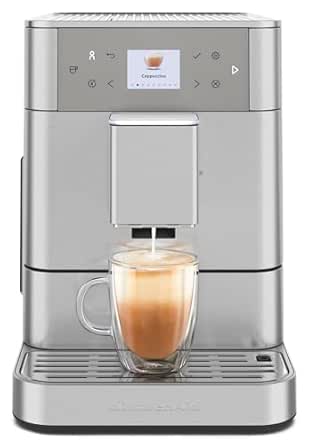
KitchenAid KF6 Fully Automatic Espresso Machine, Stainless Steel

Cuisinart Grind & Brew Single-Serve Coffee Maker, DGB-30
As an affiliate, we earn on qualifying purchases.
The Seven Hobbies in the Report
The list combines familiar pastimes with activities that engage different parts of daily life. Gardening and walking bring movement and, when done outdoors, contact with nature. Needlecraft and reading can provide quieter, focused time, though they draw on different kinds of attention: one involves repeated hand movements and making an object, while the other involves following written material.
Volunteering and cooking can bring planning and interaction into a hobby, while journaling focuses on reflection and putting thoughts into words. The article attributes specific explanations to Hafeez, Mannis and Isip. Its claims about research are broad in the supplied text: no named studies, participant numbers, dates or methods are included. That means the report is best read as expert-informed lifestyle guidance, rather than a detailed review of scientific evidence.
Limits of the Productivity Claims
The supplied report does not provide the study references, measurements or time frames behind several research-related statements, including claims about reading, cooking, journaling and outdoor exposure. It is therefore unclear how large or lasting any benefit might be, or whether particular activities have stronger evidence than others. The expert comments describe possible mechanisms and experiences; they do not establish that the hobbies cause higher productivity at work.
The available source text is also incomplete: it begins discussing yoga, Pilates and Tai Chi, then stops. The full recommendation, expert attribution and any qualifications for that section cannot be confirmed from the material provided. The report also does not specify how often or how long someone should pursue any hobby to notice a change.
Choosing a Hobby to Try
The report offers options rather than a prescribed program. Readers interested in trying its suggestions can start with an activity that fits their time, interests and circumstances, then notice whether it helps them feel more focused or engaged. A brief walk, a manageable recipe or a few lines in a journal may offer a low-commitment starting point; gardening, needlecraft and volunteering can be scaled to the time and resources available.
No follow-up study or additional reporting is identified in the supplied source. The next useful development would be access to the underlying research cited in the article, along with more detail on how the reported effects were measured. Until then, the recommendations remain expert-informed suggestions, and individual results may differ.
Key Questions
Which hobbies does the report recommend?
The supplied material covers gardening, walking, knitting and other needlecraft, reading, volunteering, cooking and journaling. It begins a section on yoga, Pilates and Tai Chi, but the text provided ends before that section is complete.
Does the report prove these hobbies increase work productivity?
No. It reports expert explanations for how these activities may support focus, mental engagement or a sense of reward. The supplied text does not provide evidence that they reliably raise work output for everyone.
What does the article say about walking with someone?
Mannis says walking can support focus and memory, and suggests that walking while talking with a friend adds social connection. These are expert comments reported by Good Housekeeping, not a guarantee of a particular result.
How could cooking feel productive?
Cooking can involve planning, timing, memory and decision-making, while producing a meal as a tangible result. Hafeez describes those demands as mentally engaging; the report does not say that cooking will improve productivity for every person.
Source: goodhousekeeping.com