Your coffee may taste flat if your beans are old or poorly stored, losing their fresh oils and aroma. Brewing at incorrect temperatures can also weaken flavor—too low leaves it weak, too high causes bitterness. Dirty equipment or inconsistent techniques can dull taste as well. Plus, coffee gets dull quickly if it sits too long. Paying attention to freshness, brewing temperature, and proper maintenance will help restore vibrant flavor—keep going to discover more tips.
Key Takeaways
- Coffee beans may have lost freshness due to prolonged storage or exposure to heat and light.
- Using stale or improperly stored beans results in dull, flat flavors.
- Brewing with water that’s too cold, too hot, or inconsistent temperature impairs extraction.
- Equipment buildup or poor cleaning dulls aromatic oils, affecting flavor.
- Coffee sitting too long after brewing causes oxidation, reducing vibrancy and flavor.
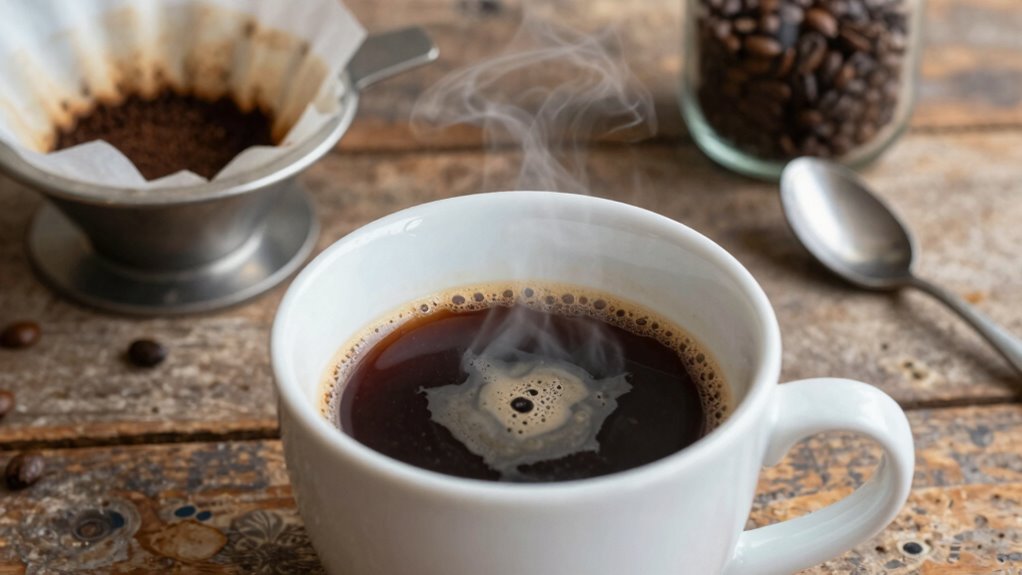
If your coffee tastes flat, it’s often because something in the brewing process or storage has compromised its freshness and flavor. Coffee freshness plays a significant role in how your brew turns out, and when beans sit too long or aren’t stored properly, they lose their vibrant oils and aromatic compounds. When these essential elements diminish, your coffee won’t have the lively, complex taste you’re after. Instead, it can come across dull and lifeless, making it seem like something’s missing. To prevent this, always buy fresh beans, store them in an airtight container away from heat and light, and grind just before brewing. This ensures you’re extracting the maximum flavor and aroma from your coffee.
Fresh beans, proper storage, and grinding just before brewing preserve vibrant flavor and aroma, preventing flat-tasting coffee.
Brewing temperature is another key factor that influences the taste of your coffee. If the water isn’t hot enough, the extraction process won’t be thorough, resulting in a weak or flat flavor. Conversely, if it’s too hot, it can over-extract, leading to bitterness and a dull profile. The optimal brewing temperature typically falls between 195°F and 205°F (90°C to 96°C). Using water within this range helps unlock the full potential of your coffee beans without overdoing it. Many home brewers overlook the importance of temperature, but it’s one of the quickest ways to elevate your coffee’s flavor. A simple thermometer or temperature-controlled kettle can make a big difference, ensuring your water hits that perfect spot every time.
Additionally, the method you choose to brew your coffee has a significant impact on its freshness perception. For instance, drip machines or pour-over methods tend to preserve more delicate flavors, while prolonged steeping in a French press might extract more bitter notes if not carefully timed. If your coffee suddenly tastes flat, consider whether your brewing process has shifted—maybe you’re using a different machine, or the grind size has changed. Even minor variations in grind coarseness or brewing time can affect how well the flavors develop. Paying attention to brewing consistency and making small adjustments can help maintain the rich flavor profile you desire. Proper technique and attention to detail are essential for achieving optimal results. Recognizing the importance of freshness in the brewing process can also help you troubleshoot and improve your coffee experience. Additionally, understanding the role of storage conditions can help preserve coffee’s vibrant oils and aromatic qualities for a longer period, ensuring a better-tasting brew each time. Also, incorporating clean brewing equipment can prevent the buildup of residues that might dull the flavor of your coffee.
Finally, if your coffee has been sitting on the stove or in a thermal carafe for too long, it can lose its vibrancy and taste dull. Coffee is best enjoyed fresh, ideally within 30 minutes of brewing. Beyond that, it starts to oxidize and lose its aromatic qualities. To keep your coffee tasting lively, brew small batches more frequently and serve immediately. When you pay attention to these details—freshness, brewing temperature, and proper timing—you’ll notice a significant improvement in flavor, turning flat, uninspired coffee into a rich, satisfying cup every time.

Veken Coffee Canister, 39OZ Large, Airtight Stainless Steel Food Storage Container for 2.2lbs Coffee Beans,Ground, Sugar,Espresso,Rice,Tea,Flour, Cereal,Home Kitchen Pantry Bar Accessories, Gifts,Gray
【Fantastic Christmas Gifts for Coffee Lovers】A perfect gift for coffee enthusiasts, family, and friends. With its elegant design,…
As an affiliate, we earn on qualifying purchases.
As an affiliate, we earn on qualifying purchases.
Frequently Asked Questions
Can Water Quality Affect Coffee Taste?
Yes, water quality can substantially affect your coffee’s taste. Water mineral content, like high levels of calcium or magnesium, can alter flavor and aroma. Using water filtration systems helps remove impurities and balance mineral levels, ensuring a cleaner, more consistent flavor. Poor water quality can make your coffee taste flat or off, so investing in good filtration can dramatically improve your brewing results.
Does Coffee Storage Impact Flavor?
Yes, coffee storage impacts flavor. When you store your beans properly, you preserve their coffee aroma and freshness. Use airtight storage containers to keep out moisture, light, and air, which can degrade the beans quickly. Avoid storing coffee in the fridge or freezer, as moisture affects flavor. Proper storage guarantees your coffee retains its rich aroma and taste, making every cup as fresh and flavorful as when you first brewed it.
How Does Coffee Grind Size Matter?
Imagine the perfect brew slipping away, all because of uneven grind size. Your grind consistency and particle size directly influence extraction, making your coffee either vibrant or flat. If the particles are too coarse, water flows too quickly, leaving behind dull flavors. Too fine, and it over-extracts, creating bitterness. Achieving the grind size just right ensures a balanced, flavorful cup that truly awakens your senses.
Do Brewing Time and Temperature Matter?
Brewing time and temperature are essential because they directly impact the extraction process in your brewing method. If you brew too long or at too high a temperature, you risk over-extracting, making your coffee bitter. Conversely, too short or too cool, and you’ll under-extract, resulting in a flat taste. Adjust these variables carefully to optimize flavor, ensuring your coffee’s richness and balance shine through.
Can Cleaning Equipment Improve Coffee Flavor?
Did you know that unclean coffee equipment can cause up to a 50% loss in flavor? Cleaning your coffee machine regularly is essential because residue buildup can alter taste and reduce extraction quality. Proper coffee machine maintenance and upgrading your brewing equipment guarantee flavors stay fresh and vibrant. By keeping everything clean and updated, you’ll enjoy richer, more consistent coffee every time, making your home brew taste just as good as café-quality.
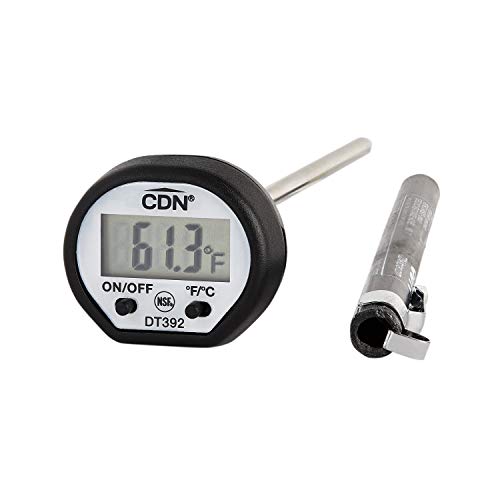
CDN Waterproof Instant Read Digital Thermometer | NSF Certified | ProAccurate® | 5" Stem with Protective Sheath | For Meat, Poultry, Candy | Easy One-Button Operation | DT392
Measurement Range: -50 to +392°F/-45 to +200°C
As an affiliate, we earn on qualifying purchases.
As an affiliate, we earn on qualifying purchases.
Conclusion
So, next time your coffee lacks that vibrant kick, remember it’s often about freshness and storage. Did you know that coffee beans start losing their flavor within just 15 minutes of grinding? Keeping beans airtight and grinding just before brewing can make all the difference. Don’t settle for flat-tasting coffee—by paying attention to these details, you’ll enjoy a richer, more aromatic cup every time. Your taste buds will thank you!
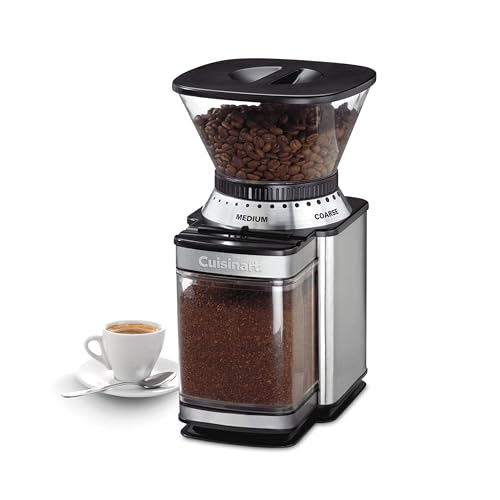
Cuisinart Coffee Grinder, Electric One-Touch Automatic Burr Coffee Grinder with 18-Position Grind Selector, Cup Size Selector for 4 – 18 Cups, DBM-8P1, Black Stainless
ENJOY OPTIMUM FLAVOR: The Cuisinart Coffee Grinder with 18-position slide-dial grind selector provides a uniform grind from ultra-fine…
As an affiliate, we earn on qualifying purchases.
As an affiliate, we earn on qualifying purchases.

Elite Gourmet 1.7L Dual Wall Cool Touch Electric Tea Kettle, Borosilicate Glass, 304 Stainless Steel Interior, Programmed Digital Touchscreen, Keep Warm, Auto Off & Audible Indicator, Black
ADJUSTABLE TEMPERATURES & REAL-TIME DISPLAY: Designed for style, performance and convenience, the Electric Kettle has touch-screen controls with…
As an affiliate, we earn on qualifying purchases.
As an affiliate, we earn on qualifying purchases.