
Mate de coca is deeply rooted in Andean culture, used for energy, altitude sickness relief, and social bonding. Sharing it fosters community and shows hospitality. However, its legal status varies worldwide due to alkaloid content, with many countries viewing it as a controlled substance. While respected locally, international laws can pose challenges. If you keep exploring, you’ll uncover more about its cultural importance and legal nuances around the world.
Key Takeaways
- Mate de coca is a traditional Andean beverage used for energy, altitude sickness relief, and social bonding.
- It holds cultural significance, symbolizing hospitality and community among indigenous peoples.
- Legally, coca leaves are controlled outside the Andes due to their alkaloid content linked to cocaine production.
- Travelers should be aware of international laws, as possession or consumption may lead to legal issues.
- Respect for cultural practices and understanding local regulations are essential for responsible engagement with mate de coca.

Mate de coca holds a significant place in Andean culture, where it’s traditionally used to boost energy, alleviate altitude sickness, and strengthen social bonds. For centuries, indigenous communities have relied on this herbal infusion not just as a daily stimulant, but as part of their social and spiritual practices. When you partake in mate de coca, you’re engaging in a tradition that connects you to generations of Andean peoples who have valued its natural properties. The plant’s leaves contain alkaloids similar to those found in stimulants, which help combat fatigue and improve your stamina at high elevations. Many travelers to the Andes find that sipping mate de coca makes their acclimatization smoother, easing symptoms like headaches and nausea caused by altitude sickness. Beyond its physical benefits, sharing mate de coca often plays a essential role in fostering community and hospitality. It’s common to see people offering the brew to friends, family, or visitors as a gesture of welcome and friendship. This social aspect underscores the importance of mate de coca in maintaining communal ties in Andean society.
However, despite its deep-rooted cultural significance, the legal landscape surrounding mate de coca is complex and often controversial. In many countries outside the Andes, the plant’s leaves are classified as a controlled substance due to their alkaloid content. This legal controversy stems from international drug regulations that aim to curb the production and trafficking of cocaine, which is chemically derived from coca leaves. While traditional use in the Andes is often protected and respected, travelers and tourists sometimes face legal issues if they attempt to carry or consume mate de coca in countries where it’s banned. Authorities may seize the leaves or impose penalties, even if your intent is purely cultural or medicinal. This tension highlights the challenge of balancing respect for indigenous practices with international drug control policies. Some nations have begun to recognize the cultural importance of coca leaves and have made exceptions, but the legal status remains uncertain in many jurisdictions. As someone interested in the cultural history and traditional uses of mate de coca, it’s essential to understand these legal controversies to avoid misunderstandings or legal trouble while appreciating its cultural significance. Being aware of local laws helps you respect the traditions of the Andes and supports cultural preservation without risking unintended legal complications.
Additionally, staying informed about legislative changes related to personal debt forgiveness bills and other policies can influence your ability to access financial relief and support, which might be relevant when planning travels or cultural experiences abroad.
Frequently Asked Questions
How Is Mate De Coca Traditionally Prepared?
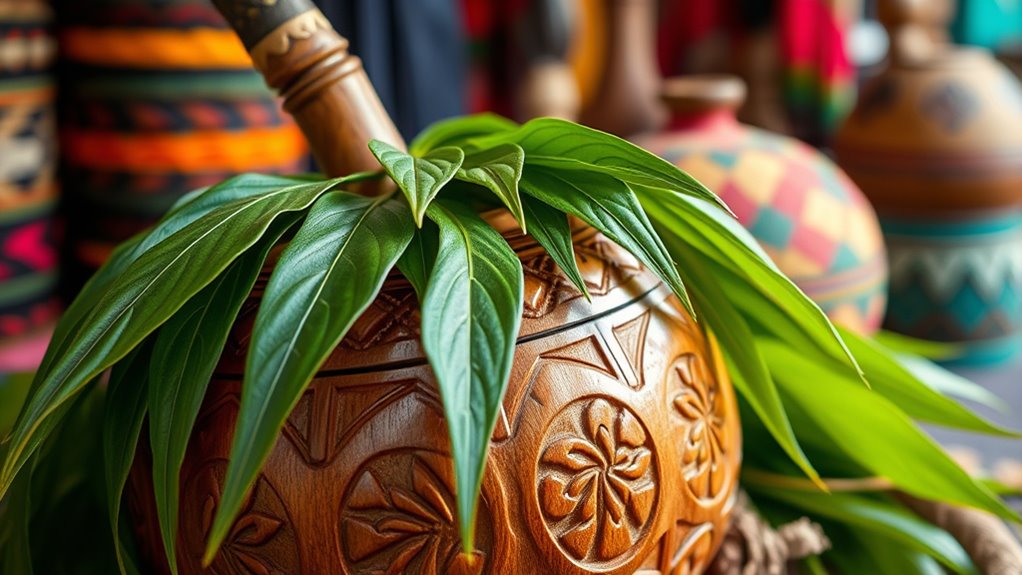
You prepare mate de coca by placing fresh coca leaves into a gourd, then adding hot (not boiling) water. You sip it through a metal straw called a bombilla. This drink holds deep cultural significance, often part of traditional rituals that promote social bonding and well-being. Its preparation reflects respect for indigenous customs, connecting you to centuries of tradition while offering a invigorating, energizing experience.
What Are the Health Benefits of Drinking Mate De Coca?
Drinking mate de coca offers several health benefits. You’ll enjoy its nutritional benefits, including vitamins and minerals that boost your energy and immune system. Additionally, it provides stimulant effects that can help reduce fatigue and improve focus. Many find it helpful for altitude sickness and digestion. Just remember, while it has these benefits, it’s essential to consume it responsibly, especially if you’re sensitive to stimulants.
Are There Any Cultural Ceremonies Involving Mate De Coca?
A tradition is a treasure chest, and you’ll find mate de coca woven into indigenous rituals and traditional ceremonies. You might participate in sacred gatherings where chewing coca leaves or drinking mate de coca symbolizes respect, unity, and spiritual connection. These ceremonies honor ancestors, invoke blessings, and celebrate nature’s gifts. By engaging in these rituals, you’re keeping alive a rich cultural heritage that’s been passed down through generations.
How Do International Laws Differ Regarding Coca Leaf Products?
International regulations on coca leaf products vary considerably. You’ll find strict bans in countries like the U.S. and European nations, where legal distinctions treat coca leaves as controlled substances. However, in countries like Bolivia and Peru, laws recognize traditional uses and permit coca leaf consumption. You should always check local laws, as these legal distinctions influence both cultural practices and commercial trade of coca products worldwide.
Can Travelers Legally Carry Mate De Coca Across Borders?
You can’t legally carry mate de coca across borders due to legal restrictions, even if it’s culturally accepted in some countries like Bolivia and Peru. Authorities often view coca products as illegal drugs, so carrying mate de coca might lead to confiscation or legal trouble. Be aware of local laws and customs, and respect restrictions to avoid issues. It’s best to leave mate de coca behind when traveling internationally.
Conclusion
You now understand that mate de coca isn’t just a simple beverage; it’s a cultural powerhouse with roots so deep, they’re practically woven into the fabric of Andean life. Ignoring its significance is like dismissing the entire history of a civilization. Whether for tradition or legality, this tea holds more power than the strongest storm, reminding you that sometimes, a humble leaf can carry the weight of centuries. Don’t underestimate its cultural and legal might!