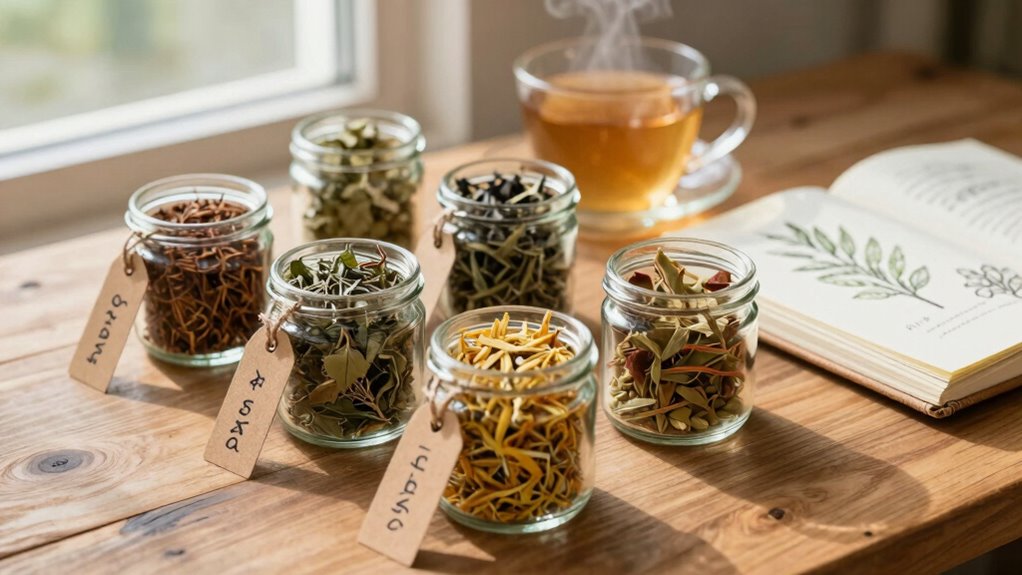

To think about adaptogens without the buzzwords, focus on their traditional uses and what science suggests. They have been used for centuries in Ayurveda and Chinese medicine to support energy, reduce fatigue, and improve mental clarity. While some studies show promising effects on stress and hormones, the evidence isn’t definitive. It’s best to examine them as part of a balanced approach to health, and if you keep exploring, you’ll understand their real potential and limitations better.

Get coffee and tea gear delivered free — and shop member deals
- Fast, free delivery on millions of items
- Access to Prime Big Deal Days deals on October 6–7
- Prime Video, Amazon Music and more included
Key Takeaways
- Focus on the scientific evidence rather than marketing claims or trendy terminology.
- Understand that traditional use suggests potential benefits but doesn’t guarantee proven effects.
- Recognize adaptogens as plant-based options that may support stress management when used responsibly.
- Consider their limitations and the need for higher-quality research to confirm health claims.
- Prioritize proven health strategies like sleep, diet, and exercise over reliance on supplements alone.
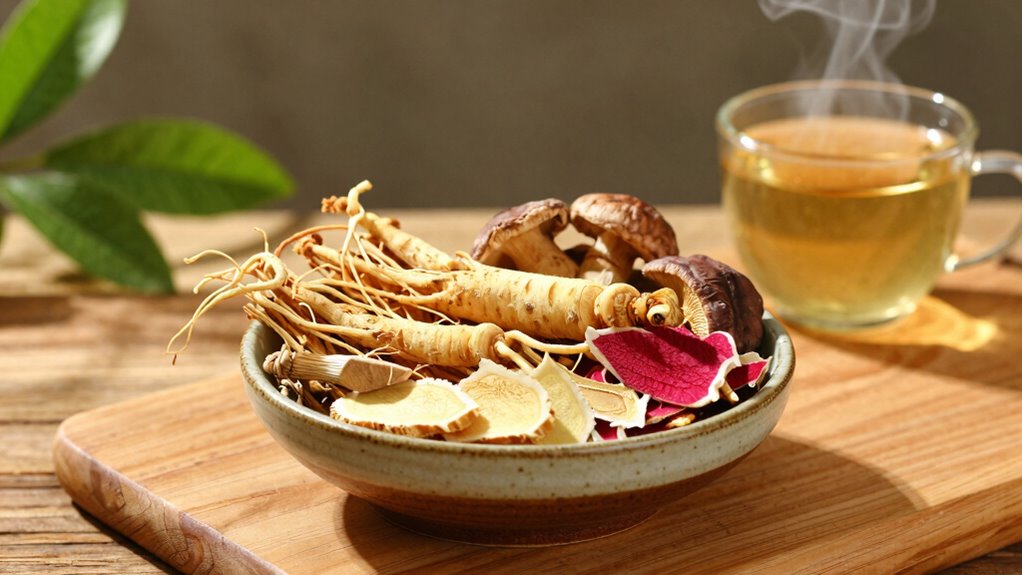
In recent years, adaptogens have become a buzzword in health circles, but understanding what they truly are can be confusing amidst the hype. To cut through the noise, it helps to look at their historical origins and the scientific evidence supporting their use. Adaptogens are not a modern invention; they trace back centuries to traditional medicine systems like Ayurveda and Traditional Chinese Medicine. These cultures used plants like ashwagandha, ginseng, and rhodiola to help balance the body’s response to stress and improve resilience. Historically, these herbs were valued not just for their medicinal properties but for their role in maintaining overall energy. Over time, practitioners noticed that certain plants seemed to boost energy, reduce fatigue, and promote mental clarity, which eventually led to their classification as adaptogens.
Understanding their history offers a foundation for evaluating their relevance today. However, the key question remains: do they work? Scientific evidence provides some insights, but it’s often limited. While there are studies suggesting that adaptogens may help modulate the stress response by influencing the adrenal glands and hormonal pathways, the quality and scale of these studies vary. Some research shows promising results — for instance, ashwagandha might reduce cortisol levels, and ginseng could improve mental performance. But many of these studies have small sample sizes or lack rigorous controls, which makes it hard to draw definitive conclusions. The scientific community remains cautious, emphasizing the need for more thorough, high-quality research to confirm these benefits. Additionally, understanding the traditional uses of these herbs can help inform their potential application today. Recognizing the scientific limitations behind current studies encourages a balanced perspective on their actual effectiveness. It’s also important to consider the plant-based nature of these herbs and how that influences their safety and potential interactions with other medications. Moreover, the historical context of adaptogen use reveals their significance in holistic health practices across cultures.
As someone interested in these herbs, it’s important to approach them with a critical eye. Recognize that their historical use doesn’t automatically guarantee efficacy, and that scientific evidence, while promising, isn’t conclusive. Instead of falling for marketing buzzwords, look at the actual studies and understand their limitations. Adaptogens may have potential, but they shouldn’t replace proven strategies like proper sleep, balanced diet, and regular exercise. Think of them as complementary tools, not miracle cures. When considering supplementation, consult healthcare professionals and prioritize evidence-based approaches. By understanding their roots and the current scientific landscape, you can make more informed decisions about whether adaptogens fit into your health routine, avoiding the trap of hype and focusing on what’s supported by credible research.
ashwagandha supplement for stress
As an affiliate, we earn on qualifying purchases.
As an affiliate, we earn on qualifying purchases.
Frequently Asked Questions
Are Adaptogens Safe for Everyone to Use?
Adaptogens are generally safe for most people, but you should consider herbal interactions and dosage considerations. If you’re pregnant, nursing, or have health conditions, consult your healthcare provider first. Stick to recommended dosages to avoid potential side effects or interactions with medications. Everyone’s different, so listen to your body and adjust accordingly. When used correctly, adaptogens can support your resilience without unnecessary risks.
How Long Does It Take to See Benefits From Adaptogens?
You’ll notice adaptogen benefits typically within a few days to a few weeks. Like tuning a guitar, consistent dosage timing and herbal combinations matter. One person found clarity after a week of daily use, while others see stress reduction after three weeks. Stick with your routine, and give your body time to adjust. Patience and proper herbal blends are key to revealing adaptogens’ full potential.
Can Adaptogens Replace Traditional Medication?
Adaptogens aren’t meant to replace traditional medication but can support your overall health. They work through herbal synergy and stress modulation, helping your body adapt to stressors naturally. If you’re considering replacing a medication, talk to your healthcare provider first. Incorporating adaptogens might enhance your wellness routine, but they shouldn’t be a substitute for prescribed treatments. Use them as complementary tools alongside medical advice for the best results.
What Are the Most Common Side Effects of Adaptogens?
You might experience mild side effects from adaptogens, like digestive issues or headaches. Herbal interactions can occur, especially if you’re taking other medications, so it’s crucial to take these interactions into account. Always pay attention to dosage considerations—taking too much can lead to unwanted effects. Start with small amounts, monitor your body’s response, and consult a healthcare professional to guarantee safe use.
How Should I Choose the Right Adaptogen for Me?
Picture yourself standing at a vibrant herbal marketplace, each adaptogen offering unique energy. To choose the right one, consider herbal synergy—how different herbs amplify each other’s effects. Pay attention to dosage considerations, starting low and adjusting as your body responds. Listen closely to your body’s signals and consult a healthcare professional. This personalized approach guarantees you find an adaptogen that aligns with your needs and supports your well-being naturally.
Conclusion
You now see that adaptogens aren’t magic cures but tools to support your well-being. Instead of falling for buzzwords, focus on how they fit into your lifestyle and individual needs. Did you know that 76% of people report feeling less stressed after incorporating adaptogens into their routines? By approaching them thoughtfully, you can make informed choices that genuinely benefit your health—without the hype. Keep questioning, stay curious, and trust what works for you.
Halloween Picks
halloween
As an affiliate, we earn on qualifying purchases.