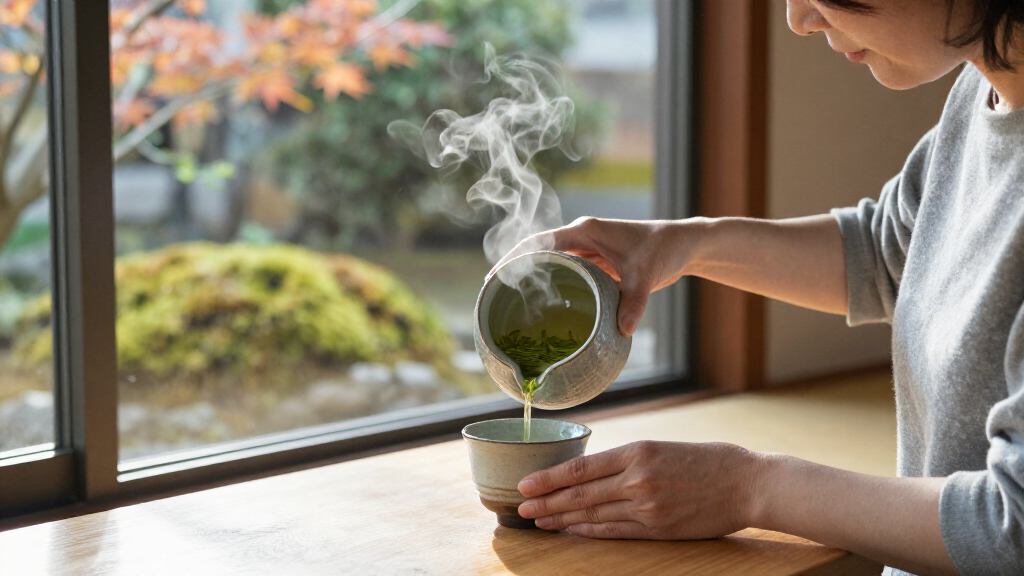
Finding the best sencha green tea requires balancing freshness, origin, and brewing convenience. My top recommendation is the YAMASAN KYOTO UJI Japanese Sencha for its exceptional first-harvest quality and authentic Uji flavor profile. For those prioritizing ease of use without sacrificing taste, the Harney & Sons Japanese Sencha offers a reliable, well-blended option in both loose leaf and sachet forms. The main tradeoff you will face is between the superior complexity of high-grade loose leaf teas and the practical convenience of pre-portioned sachets or tea bags. Continue reading for a detailed breakdown of these 15 selections, including specific notes on astringency, umami levels, and ideal brewing methods for each.
Complete the kit




Get coffee and tea gear delivered free with Prime
- Fast, free delivery on millions of items
- Prime Video, Amazon Music and more included
- Member-only deals all year
Key Takeaways
- Loose leaf sencha from single-origin Uji producers like Yamasan consistently delivers higher umami notes compared to blended commercial brands.
- Sachet formats from Rishi and Harney & Sons offer a middle ground, providing better leaf quality than standard tea bags but less complexity than loose leaf.
- First-harvest (Shincha) teas command a premium due to their sweeter, less astringent profile, making them ideal for beginners who dislike bitterness.
- Organic certification does not guarantee flavor quality; some non-organic conventional teas from reputable Japanese estates outperform certified organic blends.
- Storage method significantly impacts longevity; tin containers preserve freshness far better than plastic pouches, especially for delicate first-harvest leaves.


| sencha green tea | Origin | Certification |
|---|---|---|
| YAMASAN KYOTO UJI Japanese Sen | Kyoto Uji, Japan | — |
| Harney & Sons Japanese Sencha | Shizuoka, Japan | — |
| Rishi Organic Japanese Sencha | Kyushu Island, Japan | — |
| BJDesign HAJIME Organic Japane | Kagoshima, Japan | Organic |
| Harney & Sons Classic Japanese | Shizuoka, Japan | Kosher |
| Harney & Sons Japanese Sencha | Japan | — |
| VitalForest Organic Sencha Gre | China | USDA Organic |
| Organic Japanese Sencha Green | Kagoshima, Japan | USDA Organic |
| Fukamushi Sencha Green Tea | Shizuoka, Japan | — |
| Harney & Sons Japanese Sencha | Central Shizuoka Province, Japan | — |
| Davidson’s Organics Sencha Loo | — | USDA Organic |
| Ocha & Co. Organic Sencha | Shizuoka, Japan | Organic |
| Yamasan Kyoto Uji Organic Fuka | Uji, Japan | — |
| FGO Organic Sencha Green Tea | Japan | USDA Organic (CCOF) |
| YAMASAN KYOTO UJI Japanese Org | Uji, Kyoto, Japan | JONA & JAS Organic |
More Details on Our Top Picks
YAMASAN KYOTO UJI Japanese Sencha Green Tea, First-Harvest Leaf, 2.8 oz
This selection stands out for its commitment to first-harvest shincha, a distinction that elevates it above standard sencha options like the Harney & Sons Japanese Sencha. The use of Yabukita variety leaves from Uji ensures a complex profile where sweetness, umami, and mild bitterness coexist in precise balance. While most bulk options prioritize volume, this tea prioritizes the bright yellow-green liquor and refined aroma that define top-tier Japanese tea. The tradeoff is evident in the small 2.8 oz package, which suits connoisseurs savoring the experience rather than daily volume drinkers. It requires careful brewing to maintain its delicate character, making it less forgiving than robust, lower-grade blends.
Pros:- 100% first-harvest shincha offers superior freshness and aroma
- Balanced profile of sweetness, umami, and mild bitterness
- Versatile for both hot and cold brewing methods
- High-quality Yabukita variety known for refined taste
Cons:- Small 2.8 oz package runs out quickly for regular drinkers
- Loose leaf format requires separate strainer or teapot
Best for: Tea connoisseurs seeking authentic Uji terroir and complex first-harvest flavors
Not ideal for: High-volume daily drinkers who need more than a few ounces of premium leaf
- Leaf Quality:100% First-Harvest (Shincha)
- Tea Variety:Yabukita
- Origin:Kyoto Uji, Japan
- Form:Loose Leaf
- Net Weight:2.8 oz
- Flavor Profile:Sweet, Umami, Mild Bitterness
Our verdict“Choose this if you prioritize the nuanced complexity of first-harvest Uji leaves over bulk quantity.”
Harney & Sons Japanese Sencha Loose Leaf Green Tea, 16 oz
This 16-ounce resealable bag redefines value by providing approximately 140–150 cups of tea, a yield that dwarfs the Rishi Organic Sencha sachets. Sourced from Shizuoka, it delivers mild vegetal flavors with subtle citrus and toast notes, making it approachable for those who find stronger senchas too astringent. The loose leaf format allows for traditional brewing, though it demands more effort than sachet options. While it lacks the specific organic certification found in some competitors, the sheer volume and consistent quality make it a practical staple. The tradeoff is the lack of premium harvest specifications, positioning it as a reliable everyday drinker rather than a special occasion tea.
Pros:- High yield of 140–150 cups per bag offers excellent economy
- Resealable packaging maintains freshness over time
- Mild flavor profile with citrus and toast notes is easy to drink
- Sourced from Shizuoka, a renowned tea-growing region
Cons:- Not organic certified unlike some competitors
- Brewing yield varies significantly based on personal strength preference
Best for: Households or offices needing large quantities of approachable daily sencha
Not ideal for: Those who prefer organic certification or the convenience of single-serve sachets
- Origin:Shizuoka, Japan
- Net Weight:16 oz (1 lb)
- Estimated Yield:Approximately 140–150 cups
- Flavor Notes:Mild vegetal, citrus, and toast
- Packaging:Resealable bag
- Suggested Brewing:175°F water for 3 minutes
- Caffeine:Contains caffeine
Our verdict“This is the sensible choice for those who want to drink sencha daily without worrying about running out.”
Rishi Organic Japanese Sencha Green Tea Sachets, 30 Count
This option bridges the gap between quality and ease by offering USDA Organic sencha in BPA-free sachets. Unlike the Harney & Sons loose leaf options, these sachets eliminate the need for strainers, making them ideal for busy mornings. The tea features a sweet, full-bodied flavor with savory umami notes, derived from medium-steamed (chumushi) leaves from Kyushu Island. While the 30-count box is smaller than bulk bags, the convenience factor is significant for travelers or office workers. The tradeoff is the limitation on leaf expansion compared to loose leaf, which can slightly mute the complexity found in products like YAMASAN KYOTO UJI.
Pros:- USDA Organic and Non-GMO certified for peace of mind
- BPA-free sachets offer convenient, mess-free brewing
- Sweet, full-bodied flavor with distinct umami notes
- Medium-steamed leaves provide a balanced texture
Cons:- Sachet format limits leaf expansion compared to loose leaf
- Requires strict attention to water temperature for best results
Best for: Busy professionals who want organic quality without the hassle of loose leaf cleanup
Not ideal for: Purists who believe sachets restrict leaf expansion and flavor depth
- Origin:Kyushu Island, Japan
- Certifications:USDA Organic, Non-GMO, Gluten-free
- Sachet Material:BPA-free
- Harvest:First and second flush
- Steaming:Medium-steamed (chumushi)
- Count:30 sachets
- Brewing Instructions:8 oz water at 160°F for 2 minutes
Our verdict“Select this for a certified organic sencha that fits seamlessly into a fast-paced routine.”
BJDesign HAJIME Organic Japanese Sencha Green Tea, Loose Leaf, 80 g
Designed with versatility in mind, this organic Kagoshima sencha excels at cold brewing, a method that highlights its mellow umami without extracting bitterness. While the YAMASAN KYOTO UJI offers more complex hot-brew nuances, this tea’s refined aroma shines when steeped in cold water for four hours. The 80g loose leaf format allows for multiple infusions, typically yielding 2–3 steeps, which adds value for slow sippers. The tradeoff is the preparation time; it is not a quick hot cup solution like the Rishi sachets. It requires careful storage away from humidity to maintain the delicate organic quality.
Pros:- Organic leaves from Kagoshima with mellow umami flavor
- Optimized for cold brewing over 4 hours for smooth taste
- Leaves can be re-steeped 2–3 times for extended value
- Refined aroma suitable for both hot and cold preparations
Cons:- Cold brew method requires hours of waiting time
- Must be stored carefully to avoid humidity damage
Best for: Enthusiasts who enjoy making homemade cold brew tea and appreciate umami depth
Not ideal for: Those who need a quick hot cup of tea within minutes
- Origin:Kagoshima, Japan
- Certification:Organic
- Net Weight:80 g
- Cold Brew Time:About 4 hours
- Re-steeps:Typically 2–3
- Hot Brew Temp:176–194°F
- Flavor Profile:Mellow umami, refined aroma
Our verdict“This tea is the ideal choice for those who prefer the smooth, sweet profile of cold-brewed sencha.”
Harney & Sons Classic Japanese Sencha Green Tea, 20 Sachets
Housed in a decorative tin, this option prioritizes presentation and portability, making it a superior gift compared to the utilitarian bags of Harney & Sons 16 oz sencha. The 20 pyramid sachets from Shizuoka offer a smooth, fresh finish with delicate vegetal notes, suitable for those who appreciate aesthetics alongside flavor. Each sachet brews a single 12 oz cup, ensuring consistency without measurement guesswork. However, the 20-count limit means frequent drinkers will go through this quickly. While it is Kosher certified, the limited quantity and higher per-cup cost make it less practical for daily bulk consumption than loose leaf alternatives.
Pros:- Decorative tin makes it an attractive gift or desk accessory
- Pyramid sachets allow for better leaf expansion than flat bags
- Certified Kosher for dietary compliance
- Smooth, fresh flavor with delicate vegetal notes
Cons:- Only 20 sachets per tin, leading to frequent restocking
- Higher cost per cup compared to bulk loose leaf options
Best for: Individuals looking for an elegant, ready-to-gift tea tin for small households
Not ideal for: Large families or daily heavy drinkers who need more than 20 cups
- Origin:Shizuoka, Japan
- Quantity:20 pyramid sachets
- Brewing Yield:One 12 oz. cup per sachet
- Certification:Kosher
- Packaging:Decorative tin
- Caffeine:Naturally caffeinated
- Flavor Profile:Delicate vegetal, smooth finish
Our verdict“Buy this for its beautiful packaging and consistent single-serve quality, especially as a thoughtful present.”
Harney & Sons Japanese Sencha Green Tea, 50 Tea Bags
This option stands out for ease of use in a category dominated by complex loose-leaf preparations. While the VitalForest Organic Sencha offers superior leaf integrity, it demands temperature control and equipment. Harney’s pre-portioned bags eliminate guesswork, delivering a light, delicate flavor consistent enough for daily routines. The individually wrapped packaging preserves freshness better than bulk sachets, making it ideal for offices or travel. However, the tradeoff is flavor depth; broken leaf particles in the bags cannot match the full-bodied complexity of the Fukamushi Sencha. If you prioritize speed and consistency over nuanced tasting notes, this is a solid choice. It lacks the vibrant umami of higher-grade leaves but wins on accessibility.
Pros:- Individually wrapped bags preserve freshness and prevent cross-contamination of flavors.
- Pre-portioned format eliminates measuring errors and simplifies cleanup.
- Consistent light flavor profile suitable for sensitive palates.
- Supports environmental causes through 1% for the Planet membership.
Cons:- Broken leaf particles result in less complex flavor compared to loose leaf.
- Paper bags may impart a slight papery taste if steeped too long.
- Less control over tea strength compared to loose leaf options.
Best for: Busy professionals or travelers who need a quick, mess-free cup without brewing equipment.
Not ideal for: Tea enthusiasts seeking deep umami profiles and willing to manage water temperature and steep times.
- Format:Tea Bags
- Quantity:50 Count
- Origin:Japan
- Caffeine:Yes
- Flavor Profile:Light, Delicate, Clean
- Packaging:Individually Wrapped
- Sustainability:1% for the Planet Member
Our verdict“Choose this for hassle-free daily drinking, but skip it if you want to explore the full spectrum of sencha flavors.”
VitalForest Organic Sencha Green Tea Loose Leaf, 100g
This tea offers a USDA Organic certification at an accessible price point, making it a strong competitor for budget-conscious buyers. Compared to the Organic Japanese Sencha (B0G7Y78QBC), which also holds organic status, VitalForest provides a smaller 100g tin that is less likely to go stale before consumption. The steam-fixing process preserves antioxidants and maintains a bright green hue, resulting in a mild umami taste. However, the origin is listed as China, which means it lacks the specific terroir characteristics of Japanese-grown varieties like the Fukamushi Sencha. While it offers versatility for hot and cold brewing, the smaller quantity means frequent reordering for daily drinkers. It is a reliable, clean-tasting option, but it does not offer the regional specificity that connoisseurs often seek.
Pros:- USDA Organic certification ensures no synthetic pesticides or chemicals.
- Steam-fixing method retains vibrant color and antioxidant levels.
- Versatile for both hot brewing and cold steeping methods.
- Recyclable canister packaging helps maintain leaf freshness.
Cons:- Origin is China, lacking the distinct terroir of Japanese sencha.
- Small 100g quantity may require frequent repurchasing for daily users.
- Requires precise water temperature control to avoid bitterness.
Best for: Health-conscious beginners who want certified organic tea without committing to large bulk quantities.
Not ideal for: Buyers who prioritize Japanese origin and specific regional flavor profiles over organic certification alone.
- Weight:100g (3.53oz)
- Type:Loose Leaf Green Tea
- Certification:USDA Organic
- Origin:China
- Processing:Steam-Fixed
- Brewing Temp:160–175°F
- Brewing Time:1–2 minutes (Hot)
Our verdict“A solid, organic starter pack for those prioritizing purity and small-batch freshness over regional origin.”
Organic Japanese Sencha Green Tea, Loose Leaf, 8 oz
This 8 oz bag is designed for daily drinkers who want organic certification without frequent restocking. Sourced from Kagoshima, Japan, it delivers a fresh, grassy profile with a crisp finish that distinguishes it from the milder, Chinese-origin VitalForest Organic Sencha. The absence of fillers and artificial flavors ensures a pure vegetal taste, though this intensity may overwhelm those accustomed to the delicate Harney & Sons tea bags. While the Fukamushi Sencha offers a deeper, steamed sweetness, this option provides a more traditional, crisp sencha experience. The bulk format offers excellent value per ounce, but it demands proper storage to prevent staleness, a challenge not faced by the smaller tins or single-serve bags. It is a straightforward, high-volume choice for organic purists.
Pros:- Sourced from Kagoshima, Japan, ensuring authentic regional characteristics.
- USDA Organic and Non-GMO certified for maximum purity.
- Large 8 oz volume offers excellent value for frequent drinkers.
- No fillers, artificial flavors, or preservatives.
Cons:- Large quantity can lose freshness quickly if not stored properly.
- Strong grassy notes may be too intense for delicate palates.
- Requires loose-leaf brewing equipment, adding to setup time.
Best for: Households with multiple tea drinkers who consume sencha daily and prefer organic, Japanese-sourced leaves.
Not ideal for: Sporadic drinkers who risk letting the large 8 oz quantity go stale before finishing.
- Tea Type:Japanese Sencha Green Tea
- Origin:Kagoshima, Japan
- Form:Loose Leaf
- Weight:8 oz
- Certification:USDA Organic
- Attributes:Non-GMO, Vegan, Gluten-Free
- Flavor:Fresh, Grassy, Lightly Sweet
Our verdict“The go-to bulk option for organic lovers who drink sencha enough to finish it before freshness fades.”
Fukamushi Sencha Green Tea, 180g Loose Leaf
This Fukamushi (deep-steamed) sencha from Shizuoka offers a distinct departure from standard steamed teas like the Harney & Sons Loose Leaf. The extended steaming process breaks down leaf cells, releasing more umami and creating a vibrant, cloudy green liquor with a smooth, full-bodied texture. While the VitalForest option is lighter and grassier, this Fukamushi is richer and sweeter, requiring shorter steeping times to avoid bitterness. The first-flush spring leaves contribute to a gentle richness that appeals to those who find typical sencha too astringent. However, the finer leaf particles can make filtration difficult compared to the larger leaves in the Kagoshima Organic Sencha. It is a premium taste experience that rewards careful brewing with a complex, savory depth.
Pros:- Deep-steaming process creates a smooth, full-bodied, and sweet flavor.
- Made from high-quality first-flush spring leaves for superior aroma.
- Vibrant green color and rich umami profile distinguish it from standard sencha.
- Versatile for both hot winter brewing and cold summer infusions.
Cons:- Fine leaf particles can create sediment and require fine-mesh strainers.
- High umami content can turn bitter quickly if steeped too long.
- More expensive per ounce than standard sencha varieties.
Best for: Flavor-focused drinkers who prefer a creamy, umami-rich texture over light, grassy notes.
Not ideal for: Those who dislike cloudy tea or struggle with filtering fine tea particles.
- Weight:180g (6.3oz)
- Origin:Shizuoka, Japan
- Type:Fukamushi Sencha
- Form:Loose Leaf
- Ingredient:Japanese Green Tea
- Harvest:First-Flush Spring
- Processing:Deep-Steamed
Our verdict“Select this for a luxurious, savory depth that standard sencha cannot match, provided you manage steep times carefully.”
Harney & Sons Japanese Sencha Loose Leaf Green Tea, 8 oz Tin
Housed in a decorative tin, this loose-leaf sencha from Central Shizuoka balances aesthetics with substance. It shares the regional origin with the Fukamushi Sencha but offers a lighter, medium-bodied profile with vegetal and spinach notes. Unlike the Harney & Sons tea bags, this loose leaf allows for precise control over strength and multiple infusions. The tin packaging is superior to the plastic or cardboard containers of competitors like VitalForest, offering better protection against light and air. However, the flavor profile is more subdued than the rich Fukamushi, leaning towards a classic, clean sencha taste. It is a refined choice for gift-giving or for those who appreciate elegant storage solutions, though it requires the same brewing attention as other loose-leaf options.
Pros:- Elegant decorative tin provides excellent protection from light and air.
- Sourced from Central Shizuoka, ensuring high-quality Japanese leaves.
- Medium body with mild vegetal and roasted notes for balanced drinking.
- Loose leaf format allows for multiple infusions per batch.
Cons:- Tin packaging adds bulk compared to resealable pouches.
- Flavor is milder than deep-steamed Fukamushi varieties.
- Requires separate strainer or infuser for brewing.
Best for: Gift buyers or tea drinkers who value attractive, reusable storage alongside quality tea.
Not ideal for: Minimalists who prefer simple, low-profile packaging over decorative tins.
- Tea Type:Japanese Sencha Green Tea
- Origin:Central Shizuoka Province, Japan
- Form:Loose Leaf
- Net Weight:8 oz
- Flavor Notes:Vegetal, Spinach, Lightly Roasted
- Caffeine:Caffeinated
- Packaging:Decorative Tin
Our verdict“A sophisticated pick for those who want a balance of quality sencha and beautiful, functional packaging.”
Davidson’s Organics Sencha Loose Leaf Green Tea, 16 oz
This 16-ounce bag stands out for sheer volume and accessibility. While smaller tins like the Yamasan Kyoto Uji Organic Fukamushi offer niche, deep-steamed profiles, Davidson’s provides a standard, traditional sencha experience at a fraction of the cost per cup. The needle-shaped leaves indicate a classic processing style, resulting in a lighter body and a clean, astringent finish that appeals to those who prefer subtlety over intensity.
However, the large packaging means freshness degradation is a real risk if you do not consume it quickly. Unlike vacuum-sealed options such as Ocha & Co., this loose leaf sits in a standard bag that may allow air exposure over time. It is a pragmatic choice for daily drinkers who prioritize quantity over the delicate, fleeting aromatics of premium harvests.
Pros:- Cost-effective per ounce due to large 16 oz bulk packaging
- USDA certified organic and sustainably sourced
- Traditional needle-leaf shape ensures a clean, light brew
- Widely available and easy to store in pantry settings
Cons:- Large volume risks loss of freshness if not consumed quickly
- Astringent profile may be too sharp for those sensitive to tannins
- Lacks the nuanced umami depth found in premium Uji senchas
Best for: Households or offices needing a large supply of daily-drinking tea without breaking the budget.
Not ideal for: Connoisseurs seeking peak aromatic complexity or those who drink tea slowly, as the 16 oz size may go stale before finishing.
- Tea Type:Sencha Green Tea
- Form:Loose Leaf
- Package Size:16 ounces
- Certification:USDA Organic
- Leaf Shape:Needle-shaped
- Flavor Profile:Sweet and Astringent
Our verdict“A solid, no-frills bulk option for everyday sencha drinkers who value quantity over premium freshness.”
Ocha & Co. Organic Sencha – Loose Leaf Japanese Green Tea – High Grade Sencha Green Tea – Mild, Rich & Refreshing Premium Tea, 100g/3.5oz.
The vacuum-sealed packaging is this product’s defining feature, directly addressing the biggest enemy of sencha: oxidation. Compared to the open-bag format of Davidson’s Organics, Ocha & Co. ensures that the delicate floral notes and vibrant green color remain intact for longer. Sourced from Shizuoka, a region renowned for balanced climate conditions, this tea offers a mild, earthy profile that lacks the aggressive bitterness sometimes found in lower-grade leaves.
While it delivers a smoother cup than the FGO Organic Sencha tea bags, the 100g size is modest, requiring more frequent repurchases for heavy drinkers. The flavor is intentionally gentle, making it an excellent entry point for those intimidated by strong green teas, but it may feel too thin for enthusiasts seeking the robust umami punch of deep-steamed varieties like the Yamasan Fukamushi.
Pros:- Vacuum-sealed packaging extends shelf life significantly
- Grown in Shizuoka, known for mild, balanced climate effects
- Smooth, earthy taste with low bitterness
- Small batch ordering ensures recent harvest dates
Cons:- 100g quantity is small for daily heavy drinkers
- Mild profile may lack complexity for advanced palates
- Higher price per ounce compared to bulk options
Best for: Drinkers who prioritize shelf-life and consistent freshness in every cup.
Not ideal for: Those seeking intense umami or heavy body, as the mild Shizuoka profile is lighter than Uji deep-steamed teas.
- Origin:Shizuoka, Japan
- Form:Loose Leaf
- Weight:100g / 3.5oz
- Packaging:Vacuum-Sealed
- Certification:Organic
- Flavor Profile:Mild, Earthy, Fragrant
Our verdict“The best choice for those who want to guarantee freshness and avoid the staleness common in larger bags.”
Yamasan Kyoto Uji Organic Fukamushi Green Tea, 2.8 oz
This Fukamushi (deep-steamed) sencha is engineered for smoothness. By steaming the leaves for 60–80 seconds, Yamasan breaks down the cell walls to release amino acids, resulting in a vivid green liquor with reduced astringency. This contrasts sharply with the lighter, more astringent cup of Davidson’s Organics, making it a superior choice for those who find standard sencha too sharp or grassy.
The tradeoff is texture; the leaves are finer and more broken, which can make straining difficult without a fine mesh filter. While Ocha & Co. offers a mild profile through origin selection, this tea achieves mildness through processing, delivering a thicker, more viscous body. It is versatile enough for cold brewing, where the broken leaves release flavor quickly, offering a different utility than the whole-leaf styles in the roundup.
Pros:- Deep-steaming process significantly reduces bitterness
- Produces a vibrant, opaque green color
- Excellent for cold brewing due to broken leaf surface area
- Sourced from Uji, a historic premium tea region
Cons:- Fine leaf particles can pass through standard mesh strainers
- Shorter shelf life due to increased oxidation surface area
- Can become cloudy if over-steamed
Best for: People sensitive to bitterness or those who prefer a rich, opaque, and smooth cup.
Not ideal for: Tea purists who prefer clear, golden liquor and intact leaf structures, as the fine particles can make straining messy.
- Tea Type:Fukamushi Sencha
- Origin:Uji, Japan
- Steaming Time:60-80 seconds
- Harvest:First and Second
- Form:Loose Leaf (Fine)
- Weight:2.8 oz
- Brewing:Hot or Cold
Our verdict“Ideal for drinkers who want a robust, smooth, and low-bitterness experience with a striking visual appeal.”
FGO Organic Sencha Green Tea, 100 Count, Eco-Conscious Tea Bags, Resealable Bag, Sourced From Japan, Packaging May Vary (Pack of 1)
If you value speed over ritual, this product delivers 100 eco-conscious tea bags in one resealable package. Unlike the loose leaf varieties from Yamasan Kyoto Uji or Ocha & Co., which require measuring, steeping, and straining, FGO offers a grab-and-go solution. The use of Abacá hemp fiber paper avoids the plastic taste sometimes associated with synthetic sachets, ensuring a cleaner flavor profile.
However, the tradeoff is flavor depth. Tea bags generally contain smaller leaf particles (fannings or dust), which infuse quickly but lack the complexity and lingering aftertaste of whole leaves like those in the Davidson’s Organics bag. It is a functional choice for busy mornings or office environments, but it sacrifices the nuanced aroma and visual beauty of a traditional sencha preparation.
Pros:- Extremely convenient with 100 pre-portioned bags
- Eco-friendly Abacá hemp fiber bags are biodegradable
- Resealable packaging helps maintain freshness between uses
- No straining or measuring required
Cons:- Smaller leaf particles result in less complex flavor
- Lacks the visual appeal of whole leaf sencha
- Quick infusion can lead to bitterness if over-stepped
Best for: Busy professionals or students who need a quick, mess-free cup of organic green tea.
Not ideal for: Tea enthusiasts who appreciate the ritual of loose leaf brewing and seek complex, layered flavors.
- Count:100 Tea Bags
- Material:Abacá Hemp Fiber Paper
- Certification:USDA Organic (CCOF)
- Origin:Japan
- Packaging:Resealable Foil-lined Kraft Bag
- Features:No Staples, Strings, or Glue
Our verdict“The pragmatic choice for those who want organic sencha without the hassle of loose leaf preparation.”
YAMASAN KYOTO UJI Japanese Organic Sencha Green Tea Loose Leaf 2.82oz
This tea distinguishes itself through far-infrared roasting, a technique that enhances sweetness and umami while preserving the leaf’s natural nutrients. Compared to the milder, unroasted profile of Ocha & Co., Yamasan’s Kyoto Uji sencha offers a fuller, warmer body with greater aromatic complexity. The use of Yabukita and Saemidori cultivars from the first harvest ensures a premium quality that justifies its position as a top-tier daily drinker.
The 2.82 oz quantity is small, making it a luxury rather than a bulk staple like Davidson’s Organics. While the Yamasan Fukamushi variant offers a smoother, less astringent experience, this standard Uji sencha retains a balanced structure that appeals to those who want both sweetness and a pleasant, traditional bite. It is the best option for drinkers who want to experience the specific terroir of Uji with added depth from the roasting process.
Pros:- Far-infrared roasting enhances umami and sweetness
- Sourced from Uji, Kyoto, with a 350-year plantation history
- Uses premium Yabukita and Saemidori cultivars
- Balanced profile suitable for both hot and cold brewing
Cons:- Small 2.82 oz quantity requires frequent reordering
- Higher price point than standard loose leaf options
- Requires precise brewing temperatures to avoid masking delicate notes
Best for: Discerning tea drinkers seeking high-umami, complex sencha with a distinct roasted sweetness.
Not ideal for: Those looking for a large-volume, everyday budget option, as the small tin runs out quickly.
- Origin:Uji, Kyoto, Japan
- Weight:2.82 oz
- Cultivars:Yabukita and Saemidori
- Processing:Far-Infrared Roasted
- Certification:JONA & JAS Organic
- Harvest:First Harvest
- Brewing:Hot or Cold (Mizudashi)
Our verdict“A premium choice for those who want to taste the distinct terroir and roasted depth of authentic Uji sencha.”
How We Picked
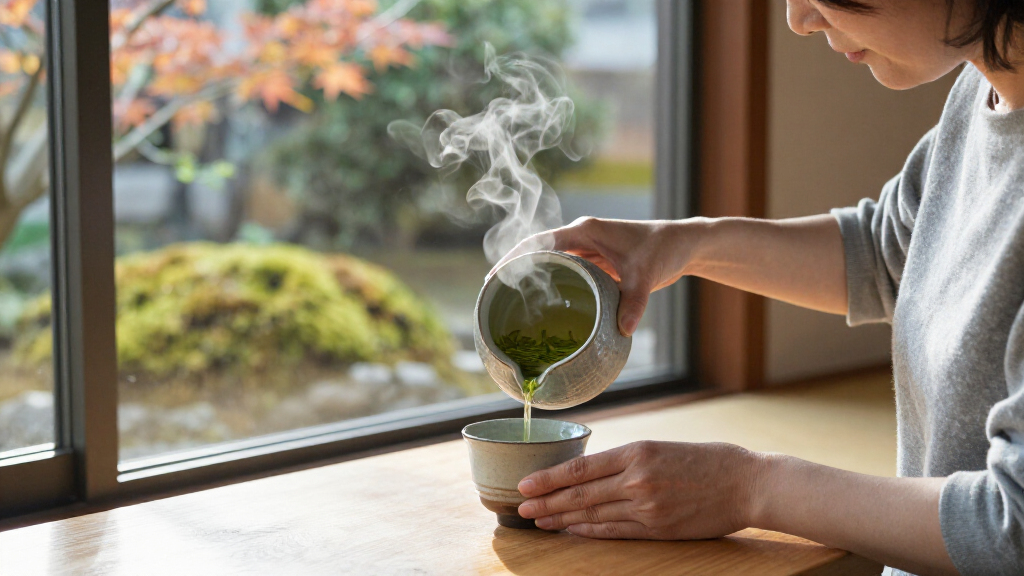
To determine the best sencha green tea, I evaluated these 15 products based on origin authenticity, leaf integrity, and flavor complexity. Sencha is defined by its steaming process and needle-like shape, so I prioritized options that clearly specify their Japanese region of origin, particularly Uji or Shizuoka, where traditional methods are still practiced. I also assessed the leaf grade, distinguishing between first-harvest (shincha) and later harvests, as this directly impacts sweetness and astringency levels.
Convenience was the secondary filter. I categorized products into loose leaf, sachets, and tea bags to serve different user needs. A high-ranking loose leaf tea must demonstrate clear brewing instructions and freshness indicators, while sachet options were judged on whether they contained whole or broken leaves. I excluded products with vague sourcing information or those that appeared to be generic blends lacking specific cultivar or harvest data, ensuring that every recommendation offers a genuine sencha experience rather than a generic green tea approximation.
| sencha green tea | Certification |
|---|---|
| YAMASAN KYOTO UJI Japanese Sen | — |
| Harney & Sons Japanese Sencha | — |
| Rishi Organic Japanese Sencha | — |
| BJDesign HAJIME Organic Japane | Organic |
| Harney & Sons Classic Japanese | Kosher |
| Harney & Sons Japanese Sencha | — |
| VitalForest Organic Sencha Gre | USDA Organic |
| Organic Japanese Sencha Green | USDA Organic |
| Fukamushi Sencha Green Tea | — |
| Harney & Sons Japanese Sencha | — |
| Davidson’s Organics Sencha Loo | USDA Organic |
| Ocha & Co. Organic Sencha | Organic |
| Yamasan Kyoto Uji Organic Fuka | — |
| FGO Organic Sencha Green Tea | USDA Organic (CCOF) |
| YAMASAN KYOTO UJI Japanese Org | JONA & JAS Organic |
Factors to Consider When Choosing Best Sencha Green Tea
Choosing the right sencha involves more than just picking a brand; it requires understanding how processing and harvest timing affect the cup. This guide breaks down the technical factors that separate a mediocre green tea from a premium one.Harvest Timing and Grade
The harvest time determines the chemical composition of the tea leaves. First-harvest (Shincha) leaves, picked in spring, contain higher levels of amino acids like L-theanine, resulting in a sweeter, more umami-rich cup with lower bitterness. Later harvests, often labeled as second or third flush, tend to be more astringent and robust, making them better suited for cold brewing or pairing with food. If you prefer a delicate, sweet profile, prioritize spring-harvest options. If you enjoy a stronger, grassier kick, later harvests offer better value and intensity. Misunderstanding this distinction leads many buyers to blame the brand for bitterness when the issue is actually the harvest grade.
Leaf Form: Loose Leaf vs. Sachets vs. Tea Bags
Leaf size and integrity drastically impact extraction speed and flavor clarity. Loose leaf sencha allows full leaf expansion, releasing complex aromatic compounds and offering the most nuanced flavor profile, though it requires a teapot or infuser. Sachets typically contain cut leaves, offering a balance of convenience and quality, suitable for office use or quick brewing. Tea bags often contain fannings or dust, which extract quickly but can become bitter if steeped too long and lack the depth of larger leaves. For the truest sencha experience, loose leaf is unmatched, but high-quality sachets from reputable brands are a valid compromise for busy lifestyles.
Origin and Processing Methods
Japan’s primary sencha regions include Uji (Kyoto), Shizuoka, and Yame (Fukuoka). Uji sencha is renowned for its deep umami and shading techniques, while Shizuoka produces the bulk of Japan’s tea, often characterized by a balanced, grassy profile. Some products may be blended from multiple regions, which can create consistency but may dilute distinct regional characteristics. Look for specific prefecture names on the packaging. Additionally, Fukamushi (deep-steamed) sencha is processed longer, resulting in finer particles and a thicker, more opaque infusion with a bolder flavor, whereas traditional Asamushi (light-steamed) offers clearer, lighter liquor. Knowing your preference for boldness versus clarity helps narrow down the origin choice.
Storage and Freshness Indicators
Green tea is perishable. Oxidation degrades the fresh, vegetal notes, turning them stale or yellowish. Airtight, opaque containers like tins or foil-lined bags are superior to clear plastic, which exposes leaves to light and air. Check for harvest dates rather than just ‘best by’ dates; a tea harvested six months ago is fresher than one harvested two years ago with a long shelf life. If a product does not specify a harvest year, assume it is older stock. For optimal flavor, store your sencha in the refrigerator if you do not consume it within a few weeks, as cool temperatures slow down the degradation of chlorophyll and amino acids.
Brewing Temperature and Time
Sencha is sensitive to heat. Using boiling water (100°C/212°F) burns the delicate leaves, extracting excessive tannins and causing harsh bitterness. The ideal temperature for most sencha is 70-80°C (158-176°F). First-harvest teas often require even lower temperatures, around 60-70°C, to preserve their sweetness. Steeping time should be short, typically 1-2 minutes for the first infusion. Many beginners mistake bitterness for poor quality, when it is often a brewing error. Investing in a thermometer or a kettle with temperature control can transform the experience of even mid-range sencha, making it a worthwhile consideration alongside the tea purchase itself.
Frequently Asked Questions
Why is my sencha green tea bitter?
Bitterness in sencha is almost always caused by water that is too hot or steeping times that are too long. Sencha leaves contain catechins and caffeine, which extract rapidly at high temperatures, creating a sharp, bitter taste. To fix this, cool your boiled water for 2-3 minutes before pouring it over the leaves, aiming for a temperature between 70°C and 80°C. Additionally, limit your first steep to just 60 seconds. If the tea remains bitter despite correct brewing, it may be a lower-grade leaf or an older harvest, which naturally has higher astringency.What is the difference between Sencha and Matcha?
Sencha and Matcha are both made from the Camellia sinensis plant, but they differ in processing and consumption. Sencha involves steaming whole leaves and rolling them into needle-like shapes, which are then steeped in water and discarded. Matcha involves shading the plants, removing stems and veins, and grinding the remaining leaves into a fine powder that is whisked into water, meaning you consume the entire leaf. Sencha offers a lighter, more refreshing cup with lower caffeine content per serving compared to the concentrated, umami-heavy experience of Matcha.Is organic sencha better than conventional?
Organic certification guarantees the absence of synthetic pesticides and fertilizers, but it does not automatically equate to superior flavor. Many prestigious Japanese tea gardens use conventional methods to achieve precise flavor profiles, and their quality often surpasses generic organic blends. If you are sensitive to chemical residues, choose organic. However, if your primary goal is taste and aroma, prioritize the reputation of the producer and the harvest quality over the organic label alone. Always check for a specific harvest date, as freshness impacts flavor more than farming method.How long does sencha green tea stay fresh?
Unopened sencha typically retains peak freshness for 6 to 12 months if stored in a cool, dark place. Once opened, it is best consumed within 1 to 2 months to enjoy its vibrant green color and vegetal aroma. Exposure to air, light, heat, and moisture accelerates oxidation, leading to a dull, yellowish liquor and flat taste. To extend freshness, store the tea in an airtight container in the refrigerator, especially if you live in a humid climate. Always allow refrigerated tea to reach room temperature before opening the container to prevent condensation from dampening the leaves.Can I reuse sencha tea leaves for a second cup?
Yes, high-quality sencha is excellent for multiple infusions, a practice known as rebrewing. The second steep typically lasts 30-45 seconds at a slightly higher temperature or longer time, depending on your preference. The second cup often reveals different flavor notes, such as deeper umami or sweetness, as the leaves fully expand. Most good sencha can be steeped 3 to 4 times. However, lower-grade teas or tea bags may lose flavor after the first infusion, so this technique is most rewarding with loose leaf varieties.Conclusion
Choosing the right sencha depends on your brewing habits and flavor preferences. For the best overall experience, the YAMASAN KYOTO UJI Japanese Sencha stands out for its authentic Uji profile and high-quality first-harvest leaves. If you need a reliable daily driver with convenient packaging, Harney & Sons Japanese Sencha offers a consistent, approachable cup that minimizes brewing errors. Those seeking a premium, umami-rich experience should look toward the Yamasan Kyoto Uji Organic Fukamushi Green Tea, which delivers a bold, thick infusion distinct from standard sencha. For beginners wary of bitterness, the Rishi Organic Japanese Sencha Sachets provide a forgiving, easy-to-brew option that still respects the integrity of the leaf. Finally, for value-conscious buyers who don’t mind handling loose leaves, the Davidson’s Organics Sencha offers a generous quantity of decent quality tea. Prioritize freshness and brewing temperature over brand prestige to get the most out of your green tea.