The best matcha powder for most buyers is Jade Leaf Ceremonial Grade: its familiar Japanese style and practical 50 g pack make it a versatile starting point. For a focused single-origin option, Nami Matcha Okumidori First Harvest offers a smaller, more specialized choice, while Naoki Matcha Barista Blend suits latte drinkers who want a larger-format powder. The main tradeoff is between delicate flavor for drinking straight and stronger, more practical matcha for milk or recipes. Pack size, cultivar, and intended use can matter as much as a ceremonial or culinary label. Read on for the full comparison and a match for your routine.

Get coffee and tea gear delivered free with Prime
- Fast, free delivery on millions of items
- Prime Video, Amazon Music and more included
- Member-only deals all year
Complete the kit


Key Takeaways
- Jade Leaf Ceremonial Grade is the broadest-use pick: its 50 g pack sits between the small 30 g tins and larger bags in this lineup.
- First-harvest and named-cultivar powders offer a more specific buying proposition: Nami Okumidori, Nami Yame, and the FKRO Saemidori and Okumidori options make origin or cultivar a central distinction.
- Matcha for milk and recipes need not be the same as matcha for straight whisking: Naoki Barista Blend and Jade Leaf Culinary Grade serve practical, different uses.
- Pack size changes the value equation: Matcha DNA’s 16 oz bag, Naoki‘s 100 g Barista Blend, and Harney & Sons’ 80 g pack offer more volume than the many 30–40 g options, but only make sense if you will use the powder regularly.
- The labels are not interchangeable quality guarantees: grade terms vary across brands, so intended use, origin details, pack size, and the seller’s product information are better comparison points than a label alone.
| Matcha DNA Organic Matcha Green Tea Powder, 16 oz |  | Best for Bulk Everyday Use | Weight: 16 oz | Certification: USDA Certified Organic | Packaging: BPA-free packaging | VIEW LATEST PRICE | See Our Full Breakdown |
| Nami Matcha Okumidori First Harvest Organic Matcha Powder, 30 g |  | Best for Balanced Traditional Sipping | Tea variety: Okumidori | Harvest: First harvest | Net weight: 30 g | VIEW LATEST PRICE | See Our Full Breakdown |
| YUZUKI Ceremonial Grade Matcha Powder from Uji, Kyoto, 40 g |  | Best for Traditional Preparation | Grade: Ceremonial | Origin: Uji, Kyoto, Japan | Ingredients: 100% Japanese green tea powder | VIEW LATEST PRICE | See Our Full Breakdown |
| Jade Leaf Ceremonial Grade Matcha Powder, 50 g |  | Best for a Practical Daily Ceremonial Routine | Product type: Ceremonial-grade matcha powder | Origin: Japan | Harvest: First harvest | VIEW LATEST PRICE | See Our Full Breakdown |
| FKRO Organic Saemidori Ceremonial Grade Matcha Green Tea Powder, 30 g Tin |  | Best Single-Cultivar Organic Pick | Tea type: Ceremonial-grade matcha green tea powder | Cultivar: Saemidori | Harvest: First harvest | VIEW LATEST PRICE | See Our Full Breakdown |
| Jade Leaf Organic Culinary Grade Matcha Green Tea Powder, 30 g |  | Best for Organic Everyday Cooking | Brand: Jade Leaf | Grade: Culinary | Organic certification: USDA Organic | VIEW LATEST PRICE | See Our Full Breakdown |
| Naoki Matcha Superior Blend Japanese Matcha Powder, 40 g |  | Best for Beginner-Friendly Traditional Tea | Type: Matcha green tea powder | Blend: Superior blend | Grade: Ceremonial grade | VIEW LATEST PRICE | See Our Full Breakdown |
| Chaism Organic Ceremonial-Grade Matcha Powder |  | Best for Organic Chinese-Origin Matcha | Origin: Hangzhou, China | Grade: Ceremonial | Certification: USDA Organic | VIEW LATEST PRICE | See Our Full Breakdown |
| Naoki Matcha Barista Blend, Premium Grade Matcha Powder, 100 g |  | Best for High-Volume Lattes and Baking | Brand: Naoki | Grade: Premium-grade barista blend | Net weight: 100 g (3.5 oz) | VIEW LATEST PRICE | See Our Full Breakdown |
| Nami Matcha First Harvest Japanese Green Tea Powder, Yame Single Origin, 30 g |  | Best for Single-Origin Yame Matcha | Origin: Yame, Fukuoka, Japan | Harvest: First harvest; early spring | Cultivars: Okumidori and Saemidori | VIEW LATEST PRICE | See Our Full Breakdown |
| Umami Leaf Organic Japanese Ceremonial Matcha Powder, 1.4 oz (40 g) |  | Best Organic Uji Pick for Mixed Uses | Grade: Ceremonial | Origin: Uji, Kyoto, Japan | Harvest: First spring harvest | VIEW LATEST PRICE | See Our Full Breakdown |
| Kiyo Matcha Classic Grade Hatsumukashi Ceremonial Uji Matcha, 40 g |  | Best for Beginners and Lattes | Grade: Classic Grade | Matcha type: Hatsumukashi | Origin: Uji, Japan | VIEW LATEST PRICE | See Our Full Breakdown |
| Akira Organic Premium Ceremonial Japanese Matcha, 30 g (1 oz) |  | Best for a Refined Traditional Cup | Grade: Premium ceremonial | Origin: Uji, Kyoto, Japan | Harvest: First harvest | VIEW LATEST PRICE | See Our Full Breakdown |
| FKRO Organic Okumidori Ceremonial Matcha Green Tea Powder, 30g |  | Best Single-Cultivar, Low-Bitterness Pick | Tea cultivar: Okumidori | Origin: Kagoshima, Japan | Harvest: Spring, first harvest | VIEW LATEST PRICE | See Our Full Breakdown |
| Harney & Sons Supreme Uji Matcha Green Tea Powder, 80 g |  | Best Larger Tin for Everyday Use | Origin: Uji, Japan | Net weight: 80 g (2.82 oz) | Ingredients: Green tea | VIEW LATEST PRICE | See Our Full Breakdown |
| matcha powder | Net weight | Origin | Harvest | Ingredients |
|---|---|---|---|---|
| Matcha DNA Organic Matcha Gree | — | — | — | — |
| Nami Matcha Okumidori First Ha | 30 g | — | First harvest | — |
| YUZUKI Ceremonial Grade Matcha | 40 g (1.4 oz) | Uji, Kyoto, Japan | First spring harvest | 100% Japanese green tea powder |
| Jade Leaf Ceremonial Grade Mat | 50 g (1.76 oz) | Japan | First harvest | — |
| FKRO Organic Saemidori Ceremon | — | Tenryu, Shizuoka, Japan | First harvest | 100% pure green tea leaf; no fillers, sugar, or additives |
| Jade Leaf Organic Culinary Gra | 30 g (1.06 oz) | — | — | Pure shade-grown green tea leaves |
| Naoki Matcha Superior Blend Ja | 40 g (1.4 oz) | Uji, Kyoto, Japan | First harvest | — |
| Chaism Organic Ceremonial-Grad | 1.06 oz | Hangzhou, China | First harvest; hand-picked leaves | 100% organic matcha powder |
| Naoki Matcha Barista Blend | 100 g (3.5 oz) | Kagoshima, Japan | — | — |
| Nami Matcha First Harvest Japa | 30 g | Yame, Fukuoka, Japan | First harvest; early spring | 100% Japanese green tea powder |
| Umami Leaf Organic Japanese Ce | 1.4 oz (40 g) | Uji, Kyoto, Japan | First spring harvest | Pure matcha powder; no additives |
| Kiyo Matcha Classic Grade Hats | 40 g (1.41 oz) | Uji, Japan | First harvest | — |
| Akira Organic Premium Ceremoni | 30 g (1 oz) | Uji, Kyoto, Japan | First harvest | Matcha green tea powder |
| FKRO Organic Okumidori Ceremon | — | Kagoshima, Japan | Spring, first harvest | 100% matcha green tea powder; no fillers, sugar, or additives |
| Harney & Sons Supreme Uji Matc | 80 g (2.82 oz) | Uji, Japan | — | Green tea |
More Details on Our Top Picks
Matcha DNA Organic Matcha Green Tea Powder, 16 oz
The 16 oz size makes Matcha DNA the practical choice for frequent matcha drinkers, smoothie makers, and cooks who want one powder for several uses. It is USDA Certified Organic, third-party tested for impurities, and packaged in BPA-free material; the unsweetened, additive-free formula also leaves the flavor and sweetness up to you. Compared with Jade Leaf Ceremonial Grade, Matcha DNA offers far more powder for routine use, but gives less guidance for buyers seeking a traditional sipping matcha: grade and origin are not specified. That missing detail makes it harder to predict flavor or judge how it will perform whisked with water. I’d choose it for flexible, high-volume recipes, not for a carefully sourced ceremonial tea experience.
Pros:- USDA Certified Organic
- Third-party tested for impurities
- Large 16 oz package suits frequent use and recipes
- Gluten-free, vegan, unsweetened, and free of additives
Cons:- Matcha grade and origin are not specified
- The large package may be a poor fit for occasional drinkers concerned about keeping powder fresh
- Without a stated flavor profile, it offers less guidance for traditional tea preparation
Best for: Frequent matcha users who want an organic, unsweetened powder for lattes, smoothies, baking, and other recipes.
Not ideal for: Buyers focused on traditional whisked tea who want a stated grade, cultivar, or Japanese growing region.
- Weight:16 oz
- Certification:USDA Certified Organic
- Packaging:BPA-free packaging
- Dietary features:Gluten-free, vegan, unsweetened, no additives
- Testing:Third-party tested for impurities
- Suggested uses:Tea, lattes, smoothies, baking, and recipes
Our verdict“Choose Matcha DNA for a large, versatile supply of organic matcha, but pick a product with a stated origin and grade for traditional tea drinking.”
Nami Matcha Okumidori First Harvest Organic Matcha Powder, 30 g
Nami Matcha’s first-harvest, shade-grown Okumidori gives this small-format powder a clear advantage for buyers who want a defined tea character rather than an all-purpose pantry supply. Its described creamy umami with floral and nutty notes points to a balanced cup that can be whisked with warm water or softened with milk. Compared with YUZUKI’s Uji matcha, Nami specifies its cultivar and organic certification, while YUZUKI supplies more detail about stone-milling and traditional preparations. The 30 g pouch is better suited to focused tasting than frequent latte-making, and it requires whisking or blending rather than a truly effortless preparation. I’d favor Nami for drinkers who want an organic, cultivar-specific matcha with a gentle flavor profile.
Pros:- First-harvest, shade-grown Okumidori leaves
- USDA Organic certification
- Described as creamy and balanced, with umami, floral, and nutty notes
- Can be prepared with water or blended with milk
Cons:- 30 g package may run short for frequent use
- Requires whisking or blending to prepare smoothly
- Product details do not specify the milling method
Best for: Matcha drinkers who want to explore a named Japanese cultivar and prefer smooth, balanced tea for whisking or milk drinks.
Not ideal for: Frequent matcha latte makers who need a larger supply or buyers who want a preparation that needs no whisking or blending.
- Tea variety:Okumidori
- Harvest:First harvest
- Net weight:30 g
- Certification:USDA Organic
- Growing method:Shade-grown
- Flavor notes:Creamy, umami, floral, and nutty
- Preparation:Whisk ½ tsp with warm water or blend with milk
Our verdict“Pick Nami for a small, organic, cultivar-specific matcha with a described smooth flavor, rather than for bulk daily latte use.”
YUZUKI Ceremonial Grade Matcha Powder from Uji, Kyoto, 40 g
YUZUKI is the most clearly specified pick here for buyers who want matcha with a traceable traditional profile: it names Uji, Kyoto as its origin and describes first-spring-harvest, shade-grown leaves that are traditionally stone-milled. Those details suit usucha or koicha preparation, while the stated smooth, mellow character also leaves room for lattes. Compared with Jade Leaf Ceremonial Grade, YUZUKI offers a named origin and milling method; Jade Leaf provides a larger 50 g pouch and more explicit storage guidance. YUZUKI’s 40 g package is therefore better for focused drinking than for a high-volume routine, and its traditional positioning may be more than a casual latte maker needs. The protective pouch and outer box also make it a considered gift option.
Pros:- Uji, Kyoto origin and first spring harvest are specified
- Shade-grown leaves are traditionally stone-milled
- Suitable for usucha, koicha, and lattes
- Aluminum-sealed pouch and outer box provide protective, gift-ready packaging
Cons:- 40 g package may be limited for frequent use
- Traditional-grade details may matter less to buyers who mainly use matcha in strongly flavored recipes
- Storage instructions are not specified in the supplied product details
Best for: Traditional matcha drinkers who want a stated Uji origin, first-harvest leaves, and powder suited to usucha or koicha.
Not ideal for: Daily high-volume latte drinkers who would rather have a larger package and do not need origin and milling details.
- Grade:Ceremonial
- Origin:Uji, Kyoto, Japan
- Ingredients:100% Japanese green tea powder
- Harvest:First spring harvest
- Processing:Traditionally stone-milled
- Net weight:40 g (1.4 oz)
- Packaging:Aluminum-sealed pouch with Japanese-style outer box
- Suggested uses:Usucha, koicha, and matcha lattes
Our verdict“Choose YUZUKI for traditional preparations and clearly stated Uji sourcing, but favor Jade Leaf Ceremonial Grade if you want more powder and storage guidance.”
Jade Leaf Ceremonial Grade Matcha Powder, 50 g
Jade Leaf’s 50 g pouch gives ceremonial-grade matcha drinkers a little more room for regular use than the 30 g Nami Matcha and FKRO tins. Its first-harvest Japanese leaves are shade-grown, and the lightly nutty flavor with balanced umami is presented as versatile enough for warm-water tea or milk drinks. The vacuum-packed, resealable pouch is useful for storage, though the product calls for refrigeration in an airtight container after opening and recommends use within 30–60 days for best taste and potency. That makes this a better fit for a consistent routine than for occasional cups spread over months. Compared with YUZUKI, Jade Leaf offers more powder and clearer post-opening guidance, while YUZUKI names Uji and stone-milling.
Pros:- First-harvest, shade-grown Japanese matcha
- Lightly nutty flavor with balanced umami
- 50 g package offers more powder than the 30 g Nami and FKRO options
- Vacuum-packed, resealable pouch with specific storage guidance
Cons:- Recommended use within 30–60 days after opening may not suit occasional drinkers
- Requires careful airtight refrigerated storage to preserve freshness
- Product details do not name a specific Japanese region or milling method
Best for: Regular matcha drinkers who want a 50 g first-harvest powder for both whisked tea and lattes and can store it carefully.
Not ideal for: Occasional drinkers who may take longer than 30–60 days to finish an opened pouch, or buyers seeking a stated regional origin and milling method.
- Product type:Ceremonial-grade matcha powder
- Origin:Japan
- Harvest:First harvest
- Net weight:50 g (1.76 oz)
- Packaging:Vacuum-packed resealable pouch
- Suggested serving:½–1 tsp
- Flavor notes:Lightly nutty with balanced umami
- Storage:Refrigerate in an airtight container after opening; avoid light, heat, and moisture
- Recommended use after opening:30–60 days for optimal taste and potency
Our verdict“Choose Jade Leaf for a larger ceremonial-grade pouch and clear storage advice if you drink matcha regularly and can refrigerate it after opening.”
FKRO Organic Saemidori Ceremonial Grade Matcha Green Tea Powder, 30 g Tin
FKRO makes its case through Saemidori specificity: the first-harvest, shade-grown leaves come from a family farm in Tenryu, Shizuoka, and are stone-ground in small batches. USDA Organic and JAS certification add a clear sourcing distinction, while the described natural sweetness and low bitterness suit buyers who prefer a gentler cup. Compared with Nami Matcha Okumidori, FKRO offers two organic certifications and a stated small-batch milling method; Nami gives a more detailed flavor description, including floral and nutty notes. FKRO’s 30 g tin is compact but may not last long, and its pure, unsweetened powder leaves all flavor adjustments to the drinker. The same flexibility works in water, lattes, smoothies, and baking, though recipes may mask the qualities that set this cultivar apart.
Pros:- Single-cultivar Saemidori from Tenryu, Shizuoka
- USDA Organic and JAS certified
- First-harvest, shade-grown leaves are stone-ground in small batches
- No fillers, sugar, or additives; works in tea, lattes, smoothies, and baking
Cons:- 30 g tin may be limiting for frequent matcha drinkers
- Pure powder contains no sweeteners or other ingredients for buyers seeking a ready-made mix
- Using it in strongly flavored recipes may obscure its described sweet, low-bitterness character
Best for: Organic-focused matcha drinkers who want a named cultivar, Japanese farm origin, and a naturally sweet profile for whisking or mixed drinks.
Not ideal for: Buyers who need a larger supply or prefer a ready-sweetened matcha blend instead of pure green tea powder.
- Tea type:Ceremonial-grade matcha green tea powder
- Cultivar:Saemidori
- Harvest:First harvest
- Origin:Tenryu, Shizuoka, Japan
- Growing method:Shade-grown
- Certifications:USDA Organic and JAS
- Processing:Stone-ground in small batches
- Package size:30 g tin
- Ingredients:100% pure green tea leaf; no fillers, sugar, or additives
Our verdict“Choose FKRO for certified organic, single-cultivar matcha with a stated Japanese origin, but pick Jade Leaf if you need a larger pouch for a regular routine.”
Jade Leaf Organic Culinary Grade Matcha Green Tea Powder, 30 g
For buyers who want organic matcha for recipes rather than a powder reserved for sipping plain, Jade Leaf’s culinary grade is the practical pick. Its ingredient list is just shade-grown green tea leaves, and the fine grind suits lattes, smoothies, and baking as well as whisked tea. Compared with the more sipping-focused Naoki Superior Blend, this one puts versatility and USDA Organic certification at the center, not first-harvest ceremonial positioning. The tradeoff is the grade: shoppers seeking a dedicated ceremonial-style bowl may prefer Naoki or Nami Matcha’s first-harvest Yame powder. The 30 g size is also a modest amount for frequent baking, and traditional preparation still calls for whisking with hot water.
Pros:- USDA Organic certification and a single ingredient
- Fine powder works across drinks and recipes
- Shade-grown leaves sourced from Uji and Kagoshima
- Naturally gluten-free and vegan
Cons:- Culinary grade is less suited to buyers prioritizing ceremonial-style plain tea
- The 30 g package may run short for regular baking
- Traditional tea preparation requires whisking
Best for: Organic-focused home cooks who want one matcha for lattes, smoothies, and occasional baking
Not ideal for: People seeking a ceremonial-grade powder primarily for drinking plain, or frequent bakers who need a larger package
- Brand:Jade Leaf
- Grade:Culinary
- Organic certification:USDA Organic
- Ingredients:Pure shade-grown green tea leaves
- Net weight:30 g (1.06 oz)
- Sourcing regions:Uji and Kagoshima, Japan
- Dietary attributes:Naturally gluten-free and vegan
Our verdict“Choose Jade Leaf for certified-organic versatility in the kitchen, but choose a first-harvest ceremonial option for a more dedicated plain-tea ritual.”
Naoki Matcha Superior Blend Japanese Matcha Powder, 40 g
Naoki’s Superior Blend is the most direct fit here for someone learning to drink matcha plain: it pairs first-harvest, shade-grown Uji leaves with a flavor described as smooth and balanced. Grinding shortly before export and sealing the powder in airtight packets helps protect freshness, while the 2 g serving guidance gives beginners a simple starting point. Compared with Jade Leaf’s culinary-grade powder, Naoki is more specifically positioned for traditional tea; compared with Nami Matcha’s single-origin Yame option, it offers a blend from Uji rather than a named single origin. Its drawbacks are the slight bitterness and a tin that yields about 20 servings, so frequent drinkers may finish it quickly.
Pros:- First-harvest, shade-grown leaves from Uji, Kyoto
- Ground shortly before leaving Japan and sealed in airtight packets
- Balanced flavor suited to beginners
- Can be used for tea, lattes, smoothies, and recipes
Cons:- About 20 servings per 40 g tin
- A slight bitterness may stand out when served plain
- The blend is less specifically traceable to one cultivar or single-origin source than Nami Matcha Yame
Best for: New matcha drinkers who want a first-harvest Japanese powder for plain tea and occasional lattes
Not ideal for: High-volume daily drinkers or anyone who wants a notably mellow, bitterness-free cup
- Type:Matcha green tea powder
- Blend:Superior blend
- Grade:Ceremonial grade
- Origin:Uji, Kyoto, Japan
- Harvest:First harvest
- Net weight:40 g (1.4 oz)
- Serving size and count:2 g (1 tsp); about 20 servings
- Dietary information:Gluten-free and sugar-free
Our verdict“Pick Naoki Superior Blend for an approachable first-harvest Uji matcha, provided its modest serving count and slight bitterness suit your routine.”
Chaism Organic Ceremonial-Grade Matcha Powder
Chaism stands apart from the Japanese-origin choices in this lineup: it is a USDA Organic, first-harvest matcha from Hangzhou, China. That makes it a useful fit for shoppers who want organic certification and are open to matcha beyond Japan. The powder is described as fine-ground with mellow umami, and its airtight reusable metal tin is a practical freshness feature. Compared with Naoki Superior Blend, Chaism shares a first-harvest, ceremonial-grade positioning but differs in origin; compared with Jade Leaf, it is aimed more at ceremonial-style tea than culinary use. The package contains 15 servings, so it is not the strongest choice for high-volume drinkers. It also contains caffeine, which may rule it out for caffeine-sensitive buyers.
Pros:- USDA Organic and single-ingredient powder
- First-harvest, hand-picked leaves
- Airtight reusable metal tin helps protect freshness
- Fine-ground powder suits tea, lattes, and smoothies
Cons:- Hangzhou origin differs from the Japanese sourcing of Naoki and Nami Matcha
- The 1.06 oz tin provides 15 servings
- Contains caffeine
Best for: Organic-minded matcha drinkers open to Chinese-grown tea who want a compact tin for tea and mixed drinks
Not ideal for: Buyers set on Japanese-origin matcha, people avoiding caffeine, or households that use matcha daily in large quantities
- Origin:Hangzhou, China
- Grade:Ceremonial
- Certification:USDA Organic
- Ingredients:100% organic matcha powder
- Harvest:First harvest; hand-picked leaves
- Packaging:Airtight reusable metal tin
- Net weight:1.06 oz
- Servings:15
Our verdict“Choose Chaism if organic certification and Chinese origin fit your preferences; skip it if Japanese sourcing or a larger serving supply is a priority.”
Naoki Matcha Barista Blend, Premium Grade Matcha Powder, 100 g
When matcha is mainly an ingredient in milk drinks or recipes, Naoki Barista Blend offers the lineup’s clearest large-format, kitchen-first choice: 100 g, or about 50 servings at 2 g each. Its earthy, smooth profile is intended for lattes, smoothies, and baking, where the powder is described as retaining vibrant color and bold taste. Compared with Jade Leaf’s 30 g culinary-grade powder, this package gives frequent cooks more to work with; compared with Naoki Superior Blend, its role is less about a beginner’s plain cup and more about mixing into other ingredients. That focus is also its limitation: the suggested fit for sweetened lattes may not suit drinkers who want a delicate, unsweetened bowl. The premium-grade label does not make it a universal stand-in for ceremonial-style matcha.
Pros:- 100 g package provides approximately 50 servings
- Kagoshima origin and stone-ground tencha
- Earthy, smooth flavor designed to work in lattes and recipes
- Described as retaining vibrant color and bold taste in baked goods
Cons:- Designed especially for sweetened lattes, which may not suit plain-tea preferences
- Barista-focused flavor may be less suited to a delicate ceremonial-style cup
- A larger package may be unnecessary for occasional matcha drinkers
Best for: Frequent latte makers and home bakers who want a larger supply of matcha suited to recipes
Not ideal for: People who mainly drink unsweetened matcha plain or prefer a powder selected for ceremonial preparation
- Brand:Naoki
- Grade:Premium-grade barista blend
- Net weight:100 g (3.5 oz)
- Origin:Kagoshima, Japan
- Processing:Tencha, stone-ground before export
- Serving size:2 g (1 tsp)
- Servings per package:Approximately 50
- Suggested uses:Matcha tea, lattes, smoothies, and baking
Our verdict“Choose Naoki Barista Blend for regular lattes and baking; choose Naoki Superior Blend if plain tea is your main use.”
Nami Matcha First Harvest Japanese Green Tea Powder, Yame Single Origin, 30 g
Nami Matcha is the lineup’s clear choice for buyers who value a named Japanese growing area and cultivar detail: this first-harvest, single-origin powder comes from Yame, Fukuoka, and uses Okumidori and Saemidori leaves. Its smooth profile, with light nuttiness and a hint of sweetness, gives plain-tea drinkers a different direction from Naoki Superior Blend’s slight bitterness. Unlike Chaism, which is also first-harvest and ceremonial-grade but comes from Hangzhou, Nami keeps the sourcing specifically Japanese. The resealable tin helps protect the powder between uses, though its 30 g quantity is small beside Naoki Barista Blend’s 100 g package. Buyers seeking USDA Organic certification should also note that no organic certification is listed in the provided product details.
Pros:- Single-origin matcha from Yame, Fukuoka, Japan
- First-harvest, early-spring, shade-grown leaves
- Okumidori and Saemidori cultivars are specified
- Resealable tin helps keep the powder fresh
Cons:- 30 g package is a relatively small quantity
- No organic certification is listed in the provided product details
- Its specific sourcing may matter less to buyers who mainly need matcha for baking
Best for: Matcha drinkers who prioritize Japanese single-origin sourcing and want a smooth powder for whisking or blending
Not ideal for: Frequent users who need a larger package or shoppers who require a stated organic certification
- Origin:Yame, Fukuoka, Japan
- Harvest:First harvest; early spring
- Cultivars:Okumidori and Saemidori
- Ingredients:100% Japanese green tea powder
- Additives:None
- Net weight:30 g
- Packaging:Resealable tin
- Suggested uses:Whisking or blending
Our verdict“Choose Nami Matcha for traceable Yame origin and a gently nutty, sweet-leaning profile, but look elsewhere for a larger supply or stated organic certification.”
Umami Leaf Organic Japanese Ceremonial Matcha Powder, 1.4 oz (40 g)
Umami Leaf suits buyers who want organic Uji matcha that can move between a bowl of tea and everyday recipes. Its first-harvest, shade-grown, hand-picked leaves give it a more ceremony-oriented profile than Harney & Sons Supreme Uji Matcha, which comes in a larger 80 g tin and is better suited to frequent use. Here, USDA Organic certification and a single-ingredient formula are the main reasons to choose it, while the tin helps protect the powder between servings. It can also go into lattes, smoothies, or cooking, so the purchase isn’t limited to traditional preparation. The tradeoff is its 40 g package: regular latte makers may use it up faster than Harney & Sons. It contains caffeine, too, and is not a caffeine-free tea option.
Pros:- USDA-certified organic, with no additives
- First-harvest, shade-grown, hand-picked leaves from Uji, Kyoto
- Versatile for traditional tea, lattes, smoothies, and recipes
- Tin packaging helps protect freshness
Cons:- The 40 g package may run short for regular daily use
- Contains caffeine
- The description gives no cultivar-specific flavor detail
Best for: Buyers who want USDA-certified organic Uji matcha for occasional traditional tea and a range of kitchen uses.
Not ideal for: Frequent latte drinkers seeking a larger supply, or anyone avoiding caffeine.
- Grade:Ceremonial
- Origin:Uji, Kyoto, Japan
- Harvest:First spring harvest
- Growing and picking:Shade-grown and hand-picked
- Certification:USDA Organic
- Ingredients:Pure matcha powder; no additives
- Net weight:1.4 oz (40 g)
- Packaging:Tin
Our verdict“Choose Umami Leaf if organic Uji provenance and kitchen versatility matter more to you than getting a larger supply.”
Kiyo Matcha Classic Grade Hatsumukashi Ceremonial Uji Matcha, 40 g
Kiyo is the lineup’s approachable, flexible Uji option: its Classic Grade Hatsumukashi is intended for lattes and cold brews as well as usucha, making it easier to use across different routines than a more ceremony-focused choice like Akira Organic Premium Ceremonial Matcha. The powder is made from first-harvest, shade-grown leaves and stone-milled, and its bright green appearance gives beginners a familiar starting point. An airtight inner bag inside a screw-top can also helps keep the powder protected after opening. The compromise is flavor refinement: the supplied description notes bitterness and astringency, and the entry-level grade may disappoint buyers seeking a softer, more polished cup. Compared with FKRO Organic Okumidori, which emphasizes mellow umami and low bitterness, Kiyo is the more practical choice for mixing, not the gentler one for sipping plain.
Pros:- Works for lattes, cold brews, and usucha
- Made from shade-grown first-harvest Uji leaves
- Stone-milled into a bright green powder
- Airtight bag and pull-top screw can help protect freshness
Cons:- Bitterness and astringency may stand out when prepared with water alone
- Entry-level grade may lack the refinement sought by experienced matcha drinkers
- The 40 g package is modest for frequent latte use
Best for: New matcha drinkers who plan to make lattes or cold brews and want one powder that can also be prepared as usucha.
Not ideal for: Buyers seeking a refined, low-bitterness matcha primarily for drinking plain.
- Grade:Classic Grade
- Matcha type:Hatsumukashi
- Origin:Uji, Japan
- Harvest:First harvest
- Processing:Shade-grown, steamed, de-stemmed, deveined, and stone-milled
- Net weight:40 g (1.41 oz)
- Packaging:Airtight bag inside a pull-top screw can
- Suggested uses:Latte, cold brew, and usucha
Our verdict“Pick Kiyo if you want a versatile starting point for milk drinks and can accept a more assertive taste when drinking it plain.”
Akira Organic Premium Ceremonial Japanese Matcha, 30 g (1 oz)
Akira is the most focused pick here for buyers who want premium ceremonial matcha for a simple cup rather than a powder chosen mainly for recipe flexibility. Its first-harvest Uji leaves are shade-grown for at least three weeks, and the powder has no added sugar, leaving the tea itself to define the drink. That emphasis contrasts with Kiyo Matcha Classic Grade, whose bitterness and astringency are a more explicit part of its profile and whose suggested uses lean toward lattes and cold brews. Akira’s stated 1 g serving size helps buyers portion a small pack, but the 30 g package still offers less supply than the 40 g options from Kiyo and Umami Leaf. The description supplies less detail about processing and packaging than some alternatives, so buyers wanting those specifics may prefer FKRO Organic Okumidori.
Pros:- Organic matcha from Uji, Kyoto
- Made from first-harvest leaves shade-grown for at least three weeks
- No added sugar
- A stated 1 g serving size makes portioning straightforward
Cons:- Small 30 g package limits the supply
- Description does not specify packaging or milling method
- Less use guidance is provided than for Kiyo Matcha Classic Grade
Best for: Matcha drinkers who prefer traditional preparation, want an organic first-harvest Uji powder, and value a defined serving size.
Not ideal for: Buyers who need a larger supply, detailed processing information, or a matcha selected chiefly for lattes and cooking.
- Grade:Premium ceremonial
- Origin:Uji, Kyoto, Japan
- Harvest:First harvest
- Growing method:Shade-grown for at least three weeks
- Ingredients:Matcha green tea powder
- Sugar:No added sugar
- Net weight:30 g (1 oz)
- Serving size:1 g (1/2 tsp)
Our verdict“Choose Akira for a small, sugar-free supply aimed at traditional matcha preparation rather than broad everyday use.”
FKRO Organic Okumidori Ceremonial Matcha Green Tea Powder, 30g
FKRO makes its case through single-cultivar Okumidori rather than a broad, unspecified matcha profile. The description points to mellow umami, soft natural sweetness, and low bitterness, which makes it more inviting for plain whisked tea than Kiyo Matcha Classic Grade, whose listed flavor includes bitterness and astringency. Its USDA and JAS organic certifications, hand-picked first-harvest leaves, and small-batch stone grinding add useful detail about sourcing and processing. It is also unusually adaptable: traditional tea, cold brews, lattes, smoothies, and baking are all suggested. The main limitation is supply: 30 g yields about 15 servings, so a regular drinker may finish it quickly. Traditional preparation also calls for sifting and whisking, unlike simply mixing matcha into a smoothie or latte.
Pros:- Single-cultivar Okumidori with mellow umami and low bitterness
- USDA Organic and JAS Organic certified
- Hand-picked, shade-grown first-harvest leaves, stone-ground in small batches
- Suitable for traditional tea, cold brews, lattes, smoothies, and baking
Cons:- 30 g package provides approximately 15 servings
- Traditional preparation requires sifting and whisking
- The stated serving is 1–2 g, so portions may vary
Best for: Buyers who value a named Japanese cultivar, organic certification, and a mellow cup across both traditional and mixed preparations.
Not ideal for: High-volume matcha drinkers, or anyone unwilling to sift and whisk powder for traditional tea.
- Tea cultivar:Okumidori
- Origin:Kagoshima, Japan
- Harvest:Spring, first harvest
- Growing method:Organic and shade-grown for roughly three weeks
- Processing:Hand-picked and stone-ground in small batches
- Certifications:USDA Organic and JAS Organic
- Ingredients:100% matcha green tea powder; no fillers, sugar, or additives
- Package and servings:30 g resealable tin; approximately 15 servings
Our verdict“Choose FKRO if a mellow, clearly identified cultivar matters more than getting a large package or skipping whisking.”
Harney & Sons Supreme Uji Matcha Green Tea Powder, 80 g
Harney & Sons stands apart on package size: its 80 g resealable tin holds twice the matcha of the 40 g Umami Leaf and Kiyo options, making it a better fit for households that prepare matcha often. The powder is unsweetened, shade-grown, and stone-milled, so buyers can control sweetness and use it in hot tea, iced drinks, smoothies, or lattes. A suggested preparation temperature of 175°F gives a useful starting point for making it as tea. Compared with Akira Organic Premium Ceremonial Matcha, Harney & Sons offers more powder and broader everyday flexibility, but its description does not specify a ceremonial grade, harvest, cultivar, or organic certification. It still needs whisking or mixing, and 80 g is the package size—not a reason to expect effortless preparation.
Pros:- 80 g package offers more powder than the 30 g and 40 g alternatives here
- Unsweetened, so sweetness can be adjusted to taste
- Shade-grown, stone-milled powder from Uji
- Works for traditional tea, iced drinks, smoothies, and lattes
Cons:- Requires whisking or mixing to disperse the powder
- No grade, cultivar, harvest, or organic certification is specified
- The stated 175°F preparation temperature may require a thermometer or careful cooling
Best for: Regular matcha drinkers and households that want an unsweetened Uji powder in a larger resealable tin for drinks and smoothies.
Not ideal for: Buyers who specifically require ceremonial-grade labeling, organic certification, or detailed harvest and cultivar information.
- Origin:Uji, Japan
- Net weight:80 g (2.82 oz)
- Ingredients:Green tea
- Sweetened:No
- Processing:Shade-grown tencha, stone-milled
- Packaging:Resealable tin
- Suggested preparation temperature:175°F
- Suggested uses:Traditional matcha, iced drinks, smoothies, and lattes
Our verdict“Choose Harney & Sons if you want a larger, versatile supply and do not need ceremonial-grade or organic claims.”
How We Picked
I ranked these 15 powders by how clearly each option serves a buyer need: everyday whisking, a first matcha purchase, lattes, cooking, a distinctive origin or cultivar, or a larger supply. I gave more weight to products with a clear intended use and useful details such as a stated origin, harvest, cultivar, grade, or pack size. Those details help buyers compare what is actually being offered rather than relying on broad ceremonial or premium wording.
The ranking favors versatility first, then more specialized choices, and finally options whose appeal depends on a particular use or buying preference. A larger package is not automatically better value if it is likely to sit unused, and a premium-sounding grade does not automatically make a powder a better latte choice. Since the supplied product information does not provide consistent independent tasting, sourcing, or freshness data for every item, I avoid claiming unverified flavor differences and rank on the distinctions buyers can compare.
| matcha powder | Harvest | Grade |
|---|---|---|
| Matcha DNA Organic Matcha Gree | — | — |
| Nami Matcha Okumidori First Ha | First harvest | — |
| YUZUKI Ceremonial Grade Matcha | First spring harvest | Ceremonial |
| Jade Leaf Ceremonial Grade Mat | First harvest | — |
| FKRO Organic Saemidori Ceremon | First harvest | — |
| Jade Leaf Organic Culinary Gra | — | Culinary |
| Naoki Matcha Superior Blend Ja | First harvest | Ceremonial grade |
| Chaism Organic Ceremonial-Grad | First harvest; hand-picked leaves | Ceremonial |
| Naoki Matcha Barista Blend | — | Premium-grade barista blend |
| Nami Matcha First Harvest Japa | First harvest; early spring | — |
| Umami Leaf Organic Japanese Ce | First spring harvest | Ceremonial |
| Kiyo Matcha Classic Grade Hats | First harvest | Classic Grade |
| Akira Organic Premium Ceremoni | First harvest | Premium ceremonial |
| FKRO Organic Okumidori Ceremon | Spring, first harvest | — |
| Harney & Sons Supreme Uji Matc | — | — |
Factors to Consider When Choosing Best Matcha Powder
Choosing matcha is easier when you start with how you will use it, then check the package details and buying pace. These broader considerations can help avoid paying for a style you will not enjoy or buying more powder than you can use.
Choose the use before the grade label
Decide whether you mainly want to whisk matcha with water, make lattes, or add it to food. A powder marketed for ceremonial preparation is generally positioned for drinking on its own, while culinary and barista blends are meant to hold their place in recipes or milk. These labels are not governed by one universal standard, so do not treat them as a guarantee of taste or quality. If you only make sweetened lattes, paying extra for a delicate straight-drinking profile may not improve your cup. For someone who wants to try both styles, a modest package can be a safer first purchase than a large bag. Match the product’s stated use to your actual routine, not an idealized one.
Read origin and cultivar as clues, not promises
Named origins such as Uji or Yame and cultivars such as Okumidori or Saemidori give a matcha a more specific identity. They can help narrow a comparison when two products otherwise use similar grade language. But origin or cultivar alone does not tell you how fresh the powder is, how it was processed, or whether its flavor will suit you. Look for clear, consistent product details and be wary of assuming that a particular place name automatically means a better cup. When information is limited, prioritize a seller with straightforward product and storage guidance. Treat provenance as one useful clue among several rather than a quality shortcut.
Buy a pack size you can finish while it stays fresh
Matcha is sensitive to air, light, heat, and moisture, so package size should fit your drinking pace. A 30–40 g tin can make sense for occasional use or for testing an unfamiliar cultivar, even if a bigger bag appears more economical per serving. Larger packs such as 80 g, 100 g, or 16 oz suit frequent drinkers and households that share matcha, but they demand careful storage and regular use. Once opened, close the package tightly and follow the maker’s storage directions. Avoid buying a bulk format simply because you drink matcha every now and then. The best quantity is the one you can use before aroma and freshness decline.
Think about preparation effort and equipment
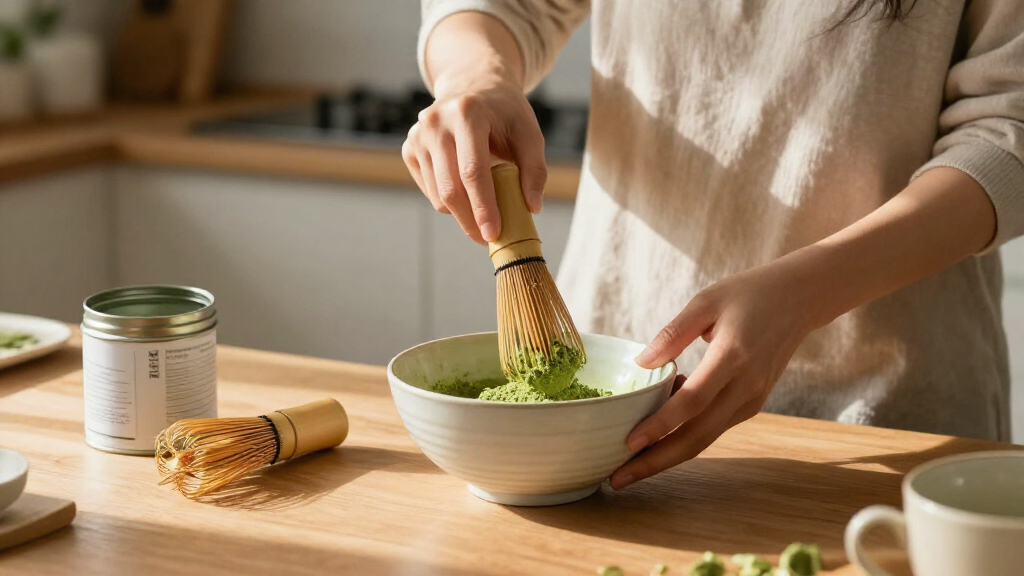
Whisked matcha needs a little more attention than a quick latte made with a shaker or frother. Sifting the powder and mixing it with a small amount of water first can help reduce clumps, regardless of the brand. If you plan to drink matcha straight, a bowl and bamboo whisk can make the process easier, but they are not a reason to delay trying a small pack. For milk drinks, a handheld frother or tightly sealed shaker may fit a busy routine better. Powder that works well with your tools and habits is more useful than one chosen only for an aspirational preparation style. Decide how much time you want to spend before choosing a product meant for a specific ceremony or recipe.
Compare the whole purchase, not just the package size
Package weight is only one part of value: servings depend on how much powder you use per cup, and the product’s intended use affects how satisfying that cup may be. A larger culinary or barista pack can be practical for daily lattes, while a smaller single-origin tin may suit occasional straight preparation. Compare the listed net weight and serving guidance when available, rather than assuming that two tins of similar size provide the same number of cups. Also check whether the package can be resealed and whether storage instructions are clear. If you are still learning what flavors and uses you prefer, a smaller commitment can reduce waste. Once your routine is settled, larger formats may make more sense.
Treat freshness and storage details as buying criteria
Powdered tea has a large surface area exposed to air once opened, which makes freshness especially relevant. A sealed, opaque, resealable container and clear storage instructions can make day-to-day handling easier. Check product listings for harvest, packing, or best-before information where available, but do not assume that every brand provides the same level of detail. After opening, keep matcha sealed and away from light, heat, and moisture; follow any specific refrigeration guidance from the maker and avoid condensation entering the package. Buying from a source with clear product information can help when freshness details matter to you. If those details are absent, a smaller pack is often the lower-risk choice.
Frequently Asked Questions
Should I buy ceremonial or culinary matcha for daily lattes?
For frequent lattes, a powder marketed for barista or culinary use is often the more practical starting point because it is intended for drinks or recipes mixed with other ingredients. A ceremonial-style powder can also be used in milk, but its positioning may suit straight whisking better than a sweetened latte routine. In this lineup, Naoki Matcha Barista Blend is the clearest large-format latte-oriented option, while Jade Leaf Culinary Grade is the cooking-focused alternative. If you drink matcha both plain and with milk, try a smaller pack before committing to a large format. Choose based on the cup you actually make most often.
Is a named origin or cultivar worth choosing over a general ceremonial blend?
A named origin or cultivar can make a product easier to distinguish, but it does not guarantee that you will prefer its flavor. Nami’s Okumidori and Yame options and FKRO’s Saemidori and Okumidori powders give buyers specific identifiers to compare. A general ceremonial blend may be a simpler choice if you want an everyday powder and do not care about tracing those distinctions. Look for clear product information and buy a small amount when testing an unfamiliar style. Pay more attention to your intended use and freshness details than to a place or cultivar name alone.
Is a larger bag a better buy than a 30–40 g tin?
Only if you use matcha often enough to finish it while it is still fresh. Matcha DNA’s 16 oz bag, Naoki Barista Blend’s 100 g pack, and Harney & Sons’ 80 g pack provide more powder than the smaller tins, which can suit daily drinkers or households sharing a pack. A smaller tin is often a safer first purchase if you are testing a new origin, cultivar, or preparation style. Once opened, protect the powder from air, light, heat, and moisture, and follow its storage directions. Choose quantity by expected use, not package size alone.
Can I use one matcha powder for whisked tea, lattes, and baking?
You can use one powder for multiple preparations, but the results may not suit every purpose equally well. A versatile ceremonial-style option can cover straight whisking and occasional lattes, while a culinary or barista product is a more direct fit for recipes and milk-based drinks. Strong flavors in milk or baked goods can make subtle distinctions harder to appreciate, so a delicate powder may be wasted in heavily flavored recipes. If you make all three regularly, compare the cost and pack size of a general-purpose choice with keeping separate powders for drinking and cooking. Start with a small pack before setting up a two-product routine.
What should I check if the listing does not say when the matcha was harvested?
Look for other freshness clues, such as packing or best-before information, a sealed opaque package, and clear storage guidance. If those details are missing too, consider choosing a smaller pack so you are not relying on a large supply with uncertain turnover. A named first harvest is useful product information, but it does not replace clear handling and storage details. After opening, seal the powder promptly and keep it away from heat, light, and moisture. When freshness information matters to your decision, favor listings that answer more of those practical questions.
Conclusion
For the best overall balance, choose Jade Leaf Ceremonial Grade if you want a familiar, versatile option in a middle-sized pack. For value through volume, consider Matcha DNA Organic Matcha if you drink matcha regularly and can use its 16 oz bag while maintaining freshness; for a latte-focused large format, Naoki Barista Blend is the more targeted fit. For a premium, more specific purchase, look at Nami Okumidori First Harvest or the named-cultivar FKRO options, with the understanding that the smaller packs are better for exploration than bulk use. For beginners, Jade Leaf’s 50 g ceremonial option offers a straightforward starting point, while a smaller 30–40 g pack can limit commitment if you are uncertain about your preferred style. For cooking, choose Jade Leaf Culinary Grade; for lattes, choose Naoki Barista Blend. Let your usual preparation and expected pace of use decide the final pick.