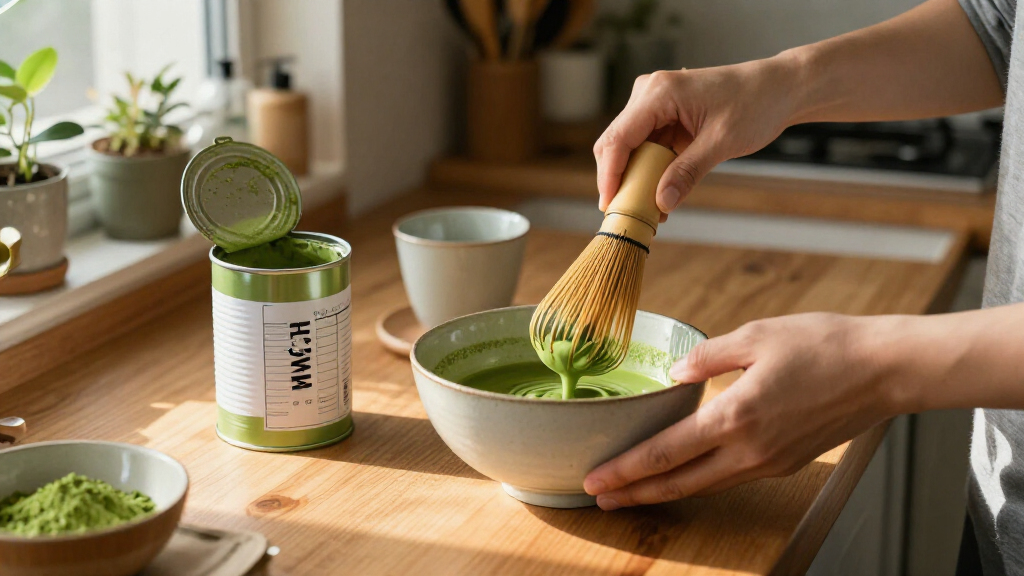
For most buyers, Naoki Matcha Superior Blend in the 40 g size is the best overall matcha tea powder in this lineup: its smaller package suits traditional preparation without committing to a large supply. Encha Organic Ceremonial Grade stands out for buyers seeking a dedicated sipping option, while Micro Ingredients Organic Japanese Matcha offers a large-format choice for frequent lattes and recipes. The central tradeoff is whether to prioritize a matcha meant for whisked tea or a larger, generally more practical powder for mixing and cooking. Sweetened powders add convenience but limit control over sweetness, while bulk bags can be harder to use up while fresh. Continue reading for the full breakdown and recommendations by use.

Get coffee and tea gear delivered free with Prime
- Fast, free delivery on millions of items
- Prime Video, Amazon Music and more included
- Member-only deals all year
Complete the kit


Key Takeaways
- The 40 g Naoki Superior Blend is the most measured starting point for traditional matcha: it offers a smaller commitment than the 100 g version.
- Encha and Naoki’s First Spring options suit buyers prioritizing ceremonial-style preparation, while culinary-grade powders better fit milk drinks and recipes.
- Micro Ingredients, Matcha DNA, and the two-pound culinary powder offer bulk formats, but their larger packages make freshness and storage more consequential.
- Ito En’s sweetened powder trades control over sweetness for convenience; choose an unsweetened powder if you want to adjust each drink yourself.
- Package size should follow your routine: a small tin or pouch is easier to finish promptly, while a pound or more makes sense only for regular, varied use.
| Ito En Sweetened Matcha Green Tea Powder, 17.5 oz |  | Best for Sweetened Drinks | Product type: Sweetened matcha green tea powder | Net weight: 17.5 oz | Pack size: 1 | VIEW LATEST PRICE | See Our Full Breakdown |
| Naoki Matcha Superior Blend, Ceremonial Grade Matcha Powder, 100g (3.5 oz) |  | Best Larger Ceremonial Pack | Product type: Matcha green tea powder | Grade: Ceremonial | Origin: Uji, Kyoto, Japan | VIEW LATEST PRICE | See Our Full Breakdown |
| Micro Ingredients Organic Japanese Matcha Green Tea Powder, First Harvest, Culinary Grade, 1 lb |  | Best Bulk Organic Culinary Matcha | Net weight: 1 lb | Servings: 151 | Origin: Japan | VIEW LATEST PRICE | See Our Full Breakdown |
| Encha Organic Ceremonial Grade Matcha Powder, 60 g |  | Best for Traditional Preparation | Weight: 60 g (2.12 oz) | Grade: Ceremonial | Harvest: First harvest | VIEW LATEST PRICE | See Our Full Breakdown |
| Naoki Organic First Spring Blend Matcha, 40 g |  | Best Mild Ceremonial Matcha | Weight: 40 g (1.4 oz) | Grade: Ceremonial | Certification: JAS organic | VIEW LATEST PRICE | See Our Full Breakdown |
| Organic Culinary Grade Matcha Green Tea Powder, 1 lb |  | Best for Allergy-Aware Batch Cooking | Weight: 1 lb (454 g) | Approximate servings: 151 | Serving size: 1 scoop | VIEW LATEST PRICE | See Our Full Breakdown |
| Organic Matcha Green Tea Powder, Culinary Grade, 2 lb |  | Best for High-Volume Recipe Use | Weight: 2 lb | Ingredient: Organic green tea powder | Harvest: First harvest | VIEW LATEST PRICE | See Our Full Breakdown |
| Navitas Organics Premium Culinary Grade Matcha Powder, 3 oz |  | Best Small Pack for Recipe Variety | Ingredient: 100% shade-grown green tea leaves (Camellia sinensis) | Grade: Premium culinary | Origin: Japan | VIEW LATEST PRICE | See Our Full Breakdown |
| Matcha DNA USDA Organic Matcha Green Tea Powder, 16 oz |  | Best for Buyers Prioritizing Packaging and Testing Details | Brand: Matcha DNA | Product type: Matcha green tea powder | Net weight: 16 oz | VIEW LATEST PRICE | See Our Full Breakdown |
| Jade Leaf Organic Culinary Grade Matcha Powder, 30 g |  | Best Starter Pack | Type: Matcha green tea powder | Grade: Culinary | Weight: 30 g (1.06 oz) | VIEW LATEST PRICE | See Our Full Breakdown |
| Naoki Organic First Spring Blend Ceremonial Matcha, 100 g |  | Best for Mild, Low-Bitterness Matcha | Net weight: 100 g (3.5 oz) | Approximate servings: 50 | Serving size: 1 tsp (2 g) | VIEW LATEST PRICE | See Our Full Breakdown |
| Naoki Matcha Superior Blend, 40 g |  | Best Small Tin for Trying Multiple Uses | Origin: Uji, Kyoto, Japan | Grade: Ceremonial | Harvest: First harvest | VIEW LATEST PRICE | See Our Full Breakdown |
| matcha tea powder | Grade | Net weight | Origin | Certification |
|---|---|---|---|---|
| Ito En Sweetened Matcha Green | — | 17.5 oz | — | — |
| Naoki Matcha Superior Blend | Ceremonial | 100 g (3.5 oz) | Uji, Kyoto, Japan | — |
| Micro Ingredients Organic Japa | Culinary | 1 lb | Japan | USDA organic |
| Encha Organic Ceremonial Grade | Ceremonial | — | Uji, Japan | USDA organic |
| Naoki Organic First Spring Ble | Ceremonial | — | Kagoshima, Japan | JAS organic |
| Organic Culinary Grade Matcha | — | — | — | — |
| Organic Matcha Green Tea Powde | Culinary | — | — | Certified organic by Organic Certifiers |
| Navitas Organics Premium Culin | Premium culinary | 3 oz | Japan | — |
| Matcha DNA USDA Organic Matcha | — | 16 oz | — | USDA Organic |
| Jade Leaf Organic Culinary Gra | Culinary | — | — | USDA Organic |
| Naoki Organic First Spring Ble | Ceremonial | 100 g (3.5 oz) | Kirishima, Kagoshima, Japan | JAS organic |
| Naoki Matcha Superior Blend | Ceremonial | 40 g (1.4 oz) | Uji, Kyoto, Japan | — |
More Details on Our Top Picks
Ito En Sweetened Matcha Green Tea Powder, 17.5 oz
Pre-sweetened and versatile, Ito En is the straightforward choice for buyers who want matcha powder ready to mix into lattes, smoothies, iced drinks, or recipes. Its 17.5-ounce package is much larger than the smaller ceremonial options here, including Encha Organic Ceremonial Grade Matcha, but that larger format comes with a flavor tradeoff: the added sweetness gives you less control over how sweet each drink turns out. The description identifies finely milled Japanese matcha, though it does not specify a grade, harvest, or origin region. I’d choose it for convenience in milk-based drinks and recipes, not for traditional unsweetened tea. Buyers who want to set their own sweetness should pick an unsweetened powder instead.
Pros:- Already sweetened for quick drink preparation
- Finely milled Japanese green tea leaves
- Works in lattes, smoothies, iced drinks, and recipes
- 17.5-ounce package suits frequent use
Cons:- Added sweetness limits control over each recipe
- Grade and harvest details are not provided
- Less suited to traditional unsweetened matcha preparation
Best for: People who regularly make sweet matcha lattes, smoothies, or iced drinks and prefer a ready-sweetened mix.
Not ideal for: Matcha drinkers who want unsweetened tea, control over sweetness, or clearly stated harvest and grade details.
- Product type:Sweetened matcha green tea powder
- Net weight:17.5 oz
- Pack size:1
- Tea:Finely milled Japanese green tea leaves
- Suggested uses:Lattes, smoothies, iced drinks, and recipes
- Sweetening:Sweetened
Our verdict“Choose Ito En for convenient sweet matcha drinks, but pick Encha or another unsweetened powder if you want control over sweetness or a traditional bowl.”
Naoki Matcha Superior Blend, Ceremonial Grade Matcha Powder, 100g (3.5 oz)
Naoki Superior Blend pairs ceremonial grade with a 100 g tin, making it a practical pick for regular drinkers who want more than a small trial-size bag. Its shade-grown, first-harvest leaves from Uji are ground shortly before leaving Japan and portioned into airtight packets, a packaging detail that helps limit repeated exposure to air. The flavor is described as smooth and balanced, with umami and a hint of bitterness; compared with the milder Naoki Organic First Spring Blend, that edge may appeal to drinkers who like a more pronounced tea character. The powder is sugar-free and can go into tea, lattes, or recipes. One serving is about 2 g, so expect modest latte portions rather than oversized drinks.
Pros:- Shade-grown, first-harvest leaves from Uji, Kyoto
- Ground shortly before leaving Japan
- Airtight packets inside the tin help protect the powder
- Sugar-free and suitable for tea, lattes, and recipes
Cons:- Flavor includes a hint of bitterness
- A 2 g serving is described as making a small latte
- Larger package may be more than occasional drinkers need
Best for: Frequent matcha drinkers who want a larger supply of ceremonial-grade powder for tea and occasional lattes.
Not ideal for: People who strongly dislike bitterness, want an especially mellow profile, or make large lattes from a single serving.
- Product type:Matcha green tea powder
- Grade:Ceremonial
- Origin:Uji, Kyoto, Japan
- Tea harvest:First harvest
- Net weight:100 g (3.5 oz)
- Approximate servings:50
- Serving size:2 g (1 tsp)
- Packaging:Airtight packets in a tin
- Dietary attributes:Gluten-free and sugar-free
Our verdict“Pick Naoki Superior Blend if you want a larger ceremonial matcha supply with balanced umami, and choose the milder First Spring Blend if bitterness is a concern.”
Micro Ingredients Organic Japanese Matcha Green Tea Powder, First Harvest, Culinary Grade, 1 lb
Micro Ingredients is the bulk-use choice: its one-pound bag and culinary grade make more sense for smoothies, baking, and everyday mixed drinks than for a small, carefully prepared bowl. The powder is made from first-harvest Japanese leaves and described as fine, which should make it easier to blend into recipes. Unlike Encha Organic Ceremonial Grade Matcha, it is not positioned around traditional water preparation or a subtly sweet standalone cup; its naturally earthy flavor is better suited to recipes where other ingredients share the stage. USDA organic certification, third-party lab testing, and exclusions including soy, dairy, gluten, and tree nuts add useful sourcing and dietary details. The tradeoffs are its large format, earthy taste, and caffeine content.
Pros:- One-pound format supports frequent recipe use
- USDA organic and third-party lab tested
- Fine powder is intended for mixing into drinks and recipes
- Made from first-harvest Japanese leaves and excludes several common allergens
Cons:- Naturally earthy flavor may be too strong for some drinkers
- Culinary grade is less suited to a delicate standalone tea
- Large package may be inconvenient for occasional users
Best for: Home cooks and smoothie drinkers who use matcha often, want a large organic supply, and prefer clearly stated dietary exclusions.
Not ideal for: People seeking a small amount of mellow ceremonial matcha for traditional preparation, or anyone avoiding caffeine.
- Net weight:1 lb
- Servings:151
- Origin:Japan
- Harvest:First harvest
- Grade:Culinary
- Certification:USDA organic
- Flavor:Unflavored; naturally earthy
- Form:Fine powder
- Testing and dietary exclusions:Third-party lab tested; free from soy, dairy, gluten, and tree nuts
Our verdict“Choose Micro Ingredients for bulk organic matcha in smoothies and recipes, but choose Encha for a smaller ceremonial powder intended for drinking with water.”
Encha Organic Ceremonial Grade Matcha Powder, 60 g
Encha is the lineup’s water-first ceremonial pick, with first-harvest, shade-grown leaves from Uji that are stone-ground into fine powder. Its smooth, subtly sweet flavor and low bitterness suit buyers who want matcha to stand on its own, rather than relying on milk or recipe ingredients to soften an earthy profile. Compared with Micro Ingredients Organic Japanese Matcha, Encha comes in a much smaller format and is better aimed at a carefully prepared cup than bulk cooking. The resealable bag and stated preparation method—one teaspoon with five ounces of water at 160°F—give buyers a clear starting point. The tradeoff is flexibility: the product is primarily intended for water preparation, and its naturally occurring caffeine may not suit every routine.
Pros:- USDA organic and third-party tested
- First-harvest, shade-grown leaves from Uji
- Stone-ground fine powder with a smooth, subtly sweet flavor
- Resealable bag and clear water-preparation directions
Cons:- Primarily intended for preparation with water
- 60 g package is smaller than bulk culinary options
- Contains naturally occurring caffeine
Best for: People who want certified organic, first-harvest matcha for traditional water preparation and prefer a smooth, subtly sweet cup.
Not ideal for: Bulk users who want a large culinary supply, people who mainly make sweetened milk drinks, or those avoiding caffeine.
- Weight:60 g (2.12 oz)
- Grade:Ceremonial
- Harvest:First harvest
- Origin:Uji, Japan
- Certification:USDA organic
- Processing:Shade-grown and stone-ground
- Caffeine per serving:60 mg
- L-theanine per serving:24 mg
- Preparation and servings:Approximately 30 servings; mix 1 tsp with 5 oz water at 160°F and whisk for 15 seconds
Our verdict“Choose Encha for a mellow organic matcha you plan to whisk with water, while Micro Ingredients is a better fit for bulk smoothies and recipes.”
Naoki Organic First Spring Blend Matcha, 40 g
Naoki First Spring Blend favors a mellow cup, with a mild profile and raw cacao notes that may appeal to drinkers who find more assertive matcha too bitter or astringent. It is organic ceremonial-grade powder made from first-harvest leaves grown in Kagoshima’s Kirishima region, and it suits tea, usucha, and lattes. Compared with Naoki Matcha Superior Blend, which is described as having umami and a hint of bitterness, this blend is the gentler choice; its 40 g package is also smaller than Superior’s 100 g tin. That makes it a more focused option for someone prioritizing flavor over volume. The product details do not give preparation instructions or a serving count, so buyers new to whisking matcha have less guidance than they get with Encha.
Pros:- Organic ceremonial-grade matcha
- First-harvest leaves from the Kirishima region of Kagoshima
- Mild flavor with raw cacao notes and little unpleasant bitterness
- Suitable for tea, usucha, and lattes
Cons:- Preparation instructions are not specified
- 40 g package is smaller than Naoki Superior Blend’s 100 g pack
- Serving count is not provided
Best for: Matcha drinkers who want an organic ceremonial powder with a mild, mellow taste for tea, usucha, or lattes.
Not ideal for: Beginners who need explicit preparation directions or frequent users who want a larger package and stated serving count.
- Weight:40 g (1.4 oz)
- Grade:Ceremonial
- Certification:JAS organic
- Origin:Kagoshima, Japan
- Growing region:Kirishima
- Harvest:First harvest
- Flavor:Mild and mellow, with raw cacao notes
- Suggested uses:Matcha lattes, tea, and usucha
Our verdict“Choose First Spring Blend for a mild, organic ceremonial cup, but opt for Encha if you want clearer preparation directions or Superior Blend if you need more powder.”
Organic Culinary Grade Matcha Green Tea Powder, 1 lb
This one-pound culinary matcha makes sense for cooks who regularly add green tea powder to several kinds of recipes. Its fine stone-ground texture is suited to mixing into lattes, smoothies, and baked goods, while the unsweetened formula leaves control of sweetness to you. Compared with Jade Leaf Organic Culinary Grade Matcha, this pack supplies far more powder for repeat use, though Jade Leaf’s smaller format may suit a first-time buyer better. The listing also specifies third-party lab testing and a broad set of free-from claims, useful details for households checking ingredients. The tradeoff is its culinary focus: buyers seeking matcha primarily for a traditional bowl of tea may prefer a product presented for that use. You’ll also need to measure and mix it rather than simply steeping a bag.
Pros:- One-pound format supports frequent cooking and drink preparation
- Fine stone-ground powder can be used in drinks and recipes
- Unsweetened and contains zero sugar
- Third-party lab tested, with a long list of stated allergen exclusions
Cons:- Culinary grade is less specifically suited to traditional tea preparation
- Large quantity may be excessive for occasional matcha drinkers
- Requires measuring and mixing into a drink or recipe
Best for: Home cooks and latte makers who use unsweetened matcha often and want a large, clearly specified pack with broad allergen exclusions.
Not ideal for: Traditional-tea drinkers who want a product focused on ceremonial preparation, or occasional users unlikely to finish a one-pound bag.
- Weight:1 lb (454 g)
- Approximate servings:151
- Serving size:1 scoop
- Type:Culinary grade matcha green tea powder
- Source:Japanese green tea plant
- Processing:Fine stone-ground
- Dietary attributes:Organic, vegan, unsweetened, zero sugar
- Testing:Third-party lab tested
- Free from:GMOs, gluten, soy, dairy, wheat, eggs, fish, shellfish, tree nuts, and fillers
Our verdict“Choose this large, unsweetened pack for frequent recipe use and specified allergen exclusions, but skip it if you mainly want traditional tea or need a small amount.”
Organic Matcha Green Tea Powder, Culinary Grade, 2 lb
The two-pound size sets this apart for households or food projects that go through matcha steadily: the listed yield is about 302 servings at roughly 3 g each. Its single-ingredient, first-harvest powder has no added flavors, fillers, or sugar, so it can go into recipes without adding sweetness. Compared with the Organic Culinary Grade Matcha Green Tea Powder, 1 lb, this pack offers double the stated weight, but it asks buyers to commit to an even larger supply. Organic certification and non-GMO status add useful sourcing details, and the description notes third-party testing. One practical limitation applies to both products: this is powder, not leaves for a steep-and-remove method. Mix it directly into liquid, and choose a smaller pack if your matcha use is occasional.
Pros:- Two-pound pack with about 302 servings at the stated serving size
- Single ingredient with no added flavors, fillers, or sugar
- First-harvest powder is certified organic and non-GMO
- Description specifies third-party testing for safety, purity, and potency
Cons:- Large quantity may be hard to use up for occasional matcha drinkers
- Must be mixed into liquid rather than steeped and removed
- Culinary grade is geared more toward flexible preparation than a dedicated ceremonial offering
Best for: Frequent matcha bakers, smoothie makers, or shared households that want a large supply of single-ingredient organic powder.
Not ideal for: Occasional users with limited storage or buyers who want tea leaves to steep and remove rather than powder mixed into the drink.
- Weight:2 lb
- Ingredient:Organic green tea powder
- Harvest:First harvest
- Grade:Culinary
- Serving size:About 1 scoop (3 g)
- Approximate servings:302
- Certification:Certified organic by Organic Certifiers
- GMO status:Non-GMO
- Free from:Gluten, dairy, soy, and tree nuts
Our verdict“Pick this for high-volume cooking and drinks when you want a certified-organic single ingredient, but choose a smaller pack if your matcha use is sporadic.”
Navitas Organics Premium Culinary Grade Matcha Powder, 3 oz
Navitas Organics’ 3-ounce pack is a practical middle ground for cooks who want Japanese matcha for several uses without buying a pound or more. The product is made from shade-grown leaves, gently dehydrated, and finely milled, and its listed uses range from tea and lattes to smoothies and baking. Compared with Matcha DNA USDA Organic Matcha, Navitas gives more concrete detail on origin and processing; Matcha DNA, by contrast, comes in a much larger 16-ounce tin. Its organic, non-GMO, kosher, vegan, and gluten-free claims may also fit varied pantry needs. The main compromise is the culinary grade: this is positioned for flexible kitchen use, not as a ceremonial-grade pick. At three ounces, it also won’t suit anyone who makes matcha in large batches.
Pros:- Three-ounce pack is more manageable than the one- and two-pound options
- Made from shade-grown Japanese green tea leaves
- Gently dehydrated and finely milled
- Organic, non-GMO, kosher, vegan, and gluten-free
Cons:- Culinary grade is not the ceremonial-grade option in this lineup
- Smaller quantity may not suit frequent or batch cooking
- Contains naturally occurring caffeine, which may not suit those avoiding caffeine
Best for: Buyers who want a modest amount of Japanese culinary matcha for rotating among tea, lattes, smoothies, and desserts.
Not ideal for: High-volume bakers or households who prefer a large supply, and buyers specifically seeking ceremonial-grade matcha.
- Ingredient:100% shade-grown green tea leaves (Camellia sinensis)
- Grade:Premium culinary
- Origin:Japan
- Processing:Gently dehydrated and finely milled
- Net weight:3 oz
- Certifications and diet:USDA Organic, non-GMO, kosher, vegan, gluten-free
- Other diet compatibility:Keto and paleo friendly
- Naturally occurring components:Caffeine, EGCG, and L-theanine
Our verdict“Choose Navitas for a clearly sourced, versatile Japanese culinary matcha in a moderate pack, but look elsewhere for ceremonial grade or bulk supply.”
Matcha DNA USDA Organic Matcha Green Tea Powder, 16 oz
Matcha DNA’s 16-ounce tin pairs a substantial amount of powder with two details that are not specified for every option here: BPA-free packaging and third-party testing for impurities. It is USDA Organic, unsweetened, vegan, and described as having no additives, with uses spanning tea, lattes, smoothies, and baking. Compared with Navitas Organics Premium Culinary Grade Matcha, Matcha DNA offers a much larger package, while Navitas provides more information about Japanese origin, shade-growing, and processing. That contrast matters because the supplied Matcha DNA details do not identify a grade or flavor profile. Buyers who want a specific culinary or ceremonial style may prefer a product with clearer grade information. For flexible everyday recipes, the large pack and testing details make this a distinct option.
Pros:- 16-ounce quantity suits regular drinks and recipe use
- USDA Organic, vegan, gluten-free, and unsweetened with no additives
- Packaging is described as certified BPA-free
- Third-party tested for impurities
Cons:- Grade is not specified in the supplied product details
- Origin and flavor profile are not provided
- Large pack may be more than occasional users need
Best for: Buyers seeking a large organic matcha supply who value stated BPA-free packaging and third-party impurity testing over detailed grade information.
Not ideal for: Shoppers who need a specified culinary or ceremonial grade, or want stated origin and flavor details before choosing.
- Brand:Matcha DNA
- Product type:Matcha green tea powder
- Net weight:16 oz
- Certification:USDA Organic
- Packaging:Certified BPA-free
- Testing:Third-party tested for impurities
- Dietary claims:Gluten-free, vegan, unsweetened, no additives
- Listed uses:Tea, lattes, smoothies, baking, and recipes
Our verdict“Choose Matcha DNA for a large organic supply with stated packaging and testing details, but skip it if grade and origin guide your matcha choice.”
Jade Leaf Organic Culinary Grade Matcha Powder, 30 g
Jade Leaf’s 30 g pouch is the easiest commitment for someone trying culinary matcha before stocking up. It contains 100% matcha green tea, is USDA Organic, and is described as finely ground for smooth flavor; the listed source regions are Uji and Kagoshima in Japan. That origin detail gives it more specificity than Matcha DNA USDA Organic Matcha, whose supplied information does not name a grade or source. Jade Leaf can be whisked into tea or used in lattes, smoothies, and baking, so a small pack still allows a few different preparations. The obvious tradeoff is capacity: frequent drinkers will run through 30 g quickly and may be better served by one of the larger bags. Its culinary grade also isn’t aimed specifically at ceremonial preparation.
Pros:- Compact 30 g amount limits the commitment for new users
- 100% matcha green tea with no added ingredients
- USDA Organic and sourced from Uji and Kagoshima, Japan
- Can be whisked into tea or used in recipes and drinks
Cons:- Small package is likely to run out quickly with regular use
- Culinary grade is not specifically positioned for ceremonial preparation
- Supplied details do not state a serving count
Best for: First-time matcha buyers who want a small organic pack to try in tea, lattes, smoothies, or baking before committing to bulk.
Not ideal for: Frequent matcha drinkers, batch bakers, or buyers seeking a product specifically presented for ceremonial preparation.
- Type:Matcha green tea powder
- Grade:Culinary
- Weight:30 g (1.06 oz)
- Certification:USDA Organic
- Ingredients:100% matcha green tea
- Dietary attributes:Vegan, naturally gluten-free
- Source regions:Uji and Kagoshima, Japan
- Processing:Finely ground
Our verdict“Start with Jade Leaf if you want a small, clearly sourced organic culinary matcha, but choose a larger pack for everyday use.”
Naoki Organic First Spring Blend Ceremonial Matcha, 100 g
Mellow flavor is the defining reason to pick this matcha: its raw cacao notes and low bitterness make it approachable as whisked tea, while still fitting lattes. The leaves are first-harvest and shade-grown in Kirishima, Kagoshima, and the matcha carries JAS organic certification. Compared with the Naoki Matcha Superior Blend 40 g, this blend is described as gentler and comes in a larger package, making it a better fit for regular cups rather than a small trial tin. That extra quantity is also the tradeoff: around 50 servings may be more than an occasional drinker can use at their preferred freshness. The ceremonial grade and mild profile suit tea-focused drinkers, but its flavor description alone cannot guarantee a particular energy or focus effect.
Pros:- JAS-organic ceremonial-grade matcha
- First-harvest, shade-grown leaves from Kirishima, Kagoshima
- Mild raw cacao notes and little described bitterness
- Suitable for whisked tea as well as lattes
Cons:- The 100 g package may be more than occasional drinkers need
- The claimed energy and focus effects can vary by person
Best for: Regular matcha drinkers seeking an organic, first-harvest powder with a mild profile for both traditional tea and lattes.
Not ideal for: Occasional matcha drinkers who want a small amount to try, since the 100 g package contains about 50 servings.
- Net weight:100 g (3.5 oz)
- Approximate servings:50
- Serving size:1 tsp (2 g)
- Grade:Ceremonial
- Certification:JAS organic
- Harvest:First harvest
- Origin:Kirishima, Kagoshima, Japan
- Processing:Shade-grown leaves processed into tencha, then ground into matcha
Our verdict“Choose this larger organic blend if you make matcha regularly and prefer a mellow cup over a more bitter flavor.”
Naoki Matcha Superior Blend, 40 g
This 40 g tin offers a measured way to try ceremonial matcha without committing to the larger Naoki Organic First Spring Blend 100 g package. Its smooth, balanced umami with slight bitterness can work as whisked tea, but the powder is also suited to lattes, smoothies, and recipes. The Uji, Kyoto origin and first-harvest, shade-grown leaves distinguish its sourcing; grinding shortly before export is another stated processing detail. Compared with the First Spring Blend, this option has a smaller supply and a flavor profile that includes some bitterness rather than emphasizing a particularly mild cup. That makes it a flexible pick for someone who wants to use matcha in more than one format, though the 20-serving tin may run short for frequent drinkers. The description also points to recipes where matcha is the main ingredient, so it is less compelling as a powder for occasional, minor add-ins.
Pros:- Airtight tin contains a manageable 40 g quantity
- Smooth, balanced umami with a slight bitterness
- First-harvest, shade-grown tea leaves from Uji, Kyoto
- Versatile for tea, lattes, smoothies, and recipes
Cons:- The tin provides about 20 servings
- Slight bitterness may not suit buyers seeking the gentlest flavor
- The description favors recipes where matcha is a main ingredient
Best for: New or occasional matcha drinkers who want a small tin for testing tea, lattes, smoothies, and matcha-forward recipes.
Not ideal for: Frequent drinkers seeking a larger supply, or buyers who want a particularly mild, low-bitterness profile.
- Origin:Uji, Kyoto, Japan
- Grade:Ceremonial
- Harvest:First harvest
- Processing:Shade-grown; ground shortly before export
- Net weight:40 g (1.4 oz)
- Servings:20
- Serving size:2 g (1 tsp)
- Packaging:Airtight tin
Our verdict“Pick this compact Uji blend if you want to sample ceremonial matcha across drinks and recipes before buying a larger package.”
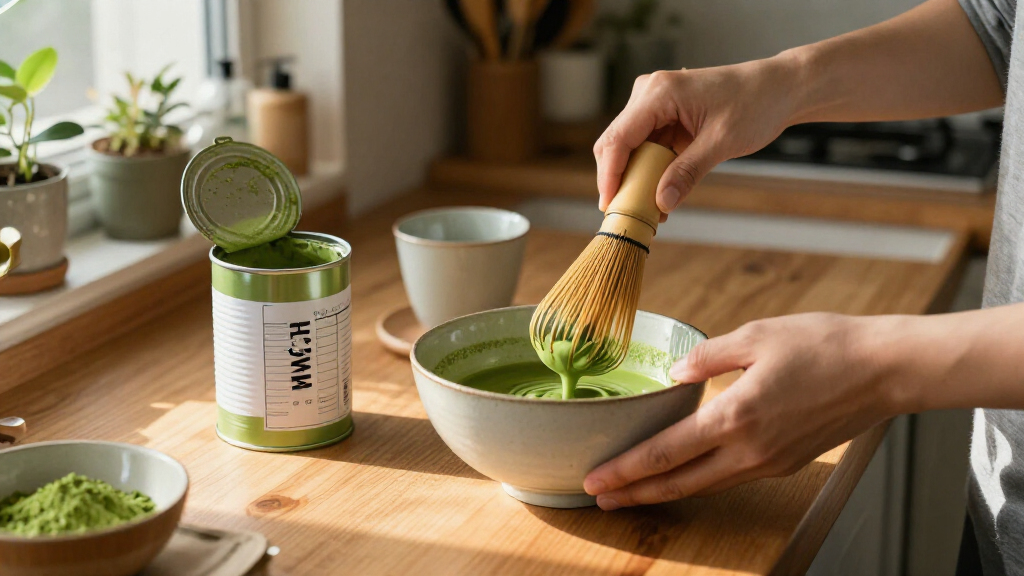
How We Picked
I ranked these matcha tea powders by how well their stated grade, format, and package size fit common buyer needs: whisked tea, lattes, cooking, and frequent bulk use. I gave more weight to clear fit and manageable commitment than to package size alone, since a large bag can be poor value if a buyer cannot finish it while the powder is fresh. Organic labeling and Japanese sourcing claims helped distinguish options where supplied, but I did not treat either as proof of flavor or quality.
The order reflects practical differences across the lineup. Smaller ceremonial-oriented packs rank ahead for first-time traditional preparation, while larger culinary options are better suited to recipes and repeated use. Sweetened powder ranks as a convenience choice rather than a flexible all-purpose pick. Product names and supplied details do not establish tasting results or identical sourcing standards, so I avoid making claims beyond what those details support.
| matcha tea powder | Grade | Origin | Certification | Processing |
|---|---|---|---|---|
| Ito En Sweetened Matcha Green | — | — | — | — |
| Naoki Matcha Superior Blend | Ceremonial | Uji, Kyoto, Japan | — | — |
| Micro Ingredients Organic Japa | Culinary | Japan | USDA organic | — |
| Encha Organic Ceremonial Grade | Ceremonial | Uji, Japan | USDA organic | Shade-grown and stone-ground |
| Naoki Organic First Spring Ble | Ceremonial | Kagoshima, Japan | JAS organic | — |
| Organic Culinary Grade Matcha | — | — | — | Fine stone-ground |
| Organic Matcha Green Tea Powde | Culinary | — | Certified organic by Organic Certifiers | — |
| Navitas Organics Premium Culin | Premium culinary | Japan | — | Gently dehydrated and finely milled |
| Matcha DNA USDA Organic Matcha | — | — | USDA Organic | — |
| Jade Leaf Organic Culinary Gra | Culinary | — | USDA Organic | Finely ground |
| Naoki Organic First Spring Ble | Ceremonial | Kirishima, Kagoshima, Japan | JAS organic | Shade-grown leaves processed into tencha, then ground into matcha |
| Naoki Matcha Superior Blend | Ceremonial | Uji, Kyoto, Japan | — | Shade-grown; ground shortly before export |
Factors to Consider When Choosing Matcha Tea Powder
Choosing matcha is less about finding one powder for every task and more about matching the powder and package to how you will prepare it. These broader checks can help you avoid paying for a style you rarely use or buying more than you can keep fresh.
Choose a preparation style before a grade label
Start by deciding whether you will drink matcha with water, add it to milk, or use it in food. A powder labeled ceremonial is positioned for whisked tea, where the powder itself is the focus, while culinary-grade products are commonly chosen for recipes and mixed drinks. Those labels are useful signals, not a universal grading system, so they do not guarantee a particular flavor. If you mostly make lattes, a dedicated ceremonial powder may be more than your routine needs. For plain tea, a culinary powder may not deliver the experience you are seeking. Buy for your most frequent preparation, not an imagined use you may rarely try.
Treat package size as a freshness decision
A large pouch can suit households that use matcha regularly across drinks and cooking, but it also means more powder is exposed to air over time. Smaller packs reduce that commitment and make sense if you are still deciding whether matcha belongs in your routine. Before choosing a bulk format, estimate how often you will use it and whether you can store the opened package securely. Buying the largest size is not automatically the economical choice if much of it sits unused. If more than one person drinks matcha or you bake with it often, bulk may be a practical fit. Match your pack size to actual weekly use rather than the number of servings suggested on the package alone.
Check sweetening and ingredient flexibility
Sweetened matcha simplifies preparation, especially for someone who wants a quick, consistent drink. The tradeoff is reduced control over how sweet the finished cup tastes and less flexibility when using the powder in savory or lightly flavored recipes. An unsweetened option lets you add sugar, honey, or another sweetener to taste. It also gives you more control when blending matcha into smoothies, batters, or milk. Read the ingredient list rather than assuming every product labeled matcha is plain powder. If you share a container with people who prefer different sweetness levels, unsweetened matcha is usually easier to adapt.
Read origin and organic claims precisely
Origin and organic labeling can help narrow choices, but they answer different questions. A Japanese-origin claim describes where the tea is sourced, while an organic claim concerns how it was produced under the relevant certification standards. Neither label alone tells you whether a powder will suit your palate or preferred recipe. Check the exact wording on the package, especially when a product name includes Japanese matcha but the available details do not specify the full sourcing chain. Avoid treating words such as first harvest or ceremonial as interchangeable guarantees of quality. Use these claims as selection criteria only when they matter to your priorities.
Plan for storage and serving tools
Matcha is a finely milled powder, so storage and preparation affect how convenient it is to use. Keep an opened pack sealed and away from heat, light, and moisture, following the package directions for refrigeration if provided. Let a chilled container reach room temperature before opening it to limit condensation. A fine sieve can help break up clumps, and a whisk or a tightly sealed shaker can make mixing easier. These tools do not change the powder’s grade, but they can reduce a gritty or uneven cup. If you want a quick drink with minimal equipment, account for that routine before choosing a preparation style.
Spend more only when the use calls for it
A premium-leaning ceremonial option makes the most sense when you plan to drink matcha plain and want the powder to carry the cup. For recipes, lattes, or frequent sweetened drinks, a culinary-grade product may be a more sensible match because those preparations bring other flavors into play. Bigger packages can also suit repeat users, but only when regular use and suitable storage support the quantity. Organic certification or a particular origin may justify a narrower shortlist if those factors matter to you. Do not pay for a label that does not connect to your daily use. Put your budget toward the quality, format, or sourcing detail you will actually notice in your chosen preparation.
Frequently Asked Questions
Should I choose ceremonial or culinary matcha for lattes?
For lattes, a culinary-grade powder is often the practical starting point because milk and other ingredients share the flavor spotlight. A ceremonial-oriented powder can still work if you prefer to drink it plain as well as use it in milk. The label does not establish a universal taste or quality standard, so check the product’s stated use and ingredient list. If you are unsure, a smaller package limits the risk of buying more than you enjoy. Choose based on how you make matcha most often, not the grade name alone.
Is a one-pound or two-pound bag a good first matcha purchase?
Usually, a large bag is a difficult first choice unless you already drink matcha often or plan to use it in recipes. It requires a reliable storage routine and regular use after opening. A smaller package gives you room to learn whether you prefer plain tea, lattes, or cooking before committing to a larger supply. If you do choose bulk, divide the powder into airtight portions where practical and follow the package storage instructions. The right size is the one you can use while keeping the powder properly stored.
Does organic labeling mean the matcha will taste better?
No: organic labeling refers to production standards, not a promised flavor profile. Taste can vary with the tea, processing, freshness, and preparation, and the label does not replace those details. If organic certification matters to you, use it to narrow the options after deciding how you will prepare the powder. For plain tea, you may also want to prioritize a product positioned for whisked drinking and a package you can finish promptly. For baking or lattes, your preferred ingredient list and use may matter more than certification alone.
Should I buy sweetened matcha or unsweetened powder?
Sweetened powder suits buyers who want a fast, consistent drink and are comfortable with the sweetness built into the mix. Unsweetened powder gives you more control over each serving and works across a broader range of recipes. It can also be easier to share with people who have different preferences. Check the ingredient list to confirm what is included rather than relying on the front label alone. If you have not settled on a preferred sweetness level, unsweetened matcha leaves more room to adjust.
How can I choose between the two Naoki Superior Blend package sizes?
Choose the 40 g pack if you are new to the blend, drink matcha occasionally, or want a smaller commitment for plain preparation. The 100 g size makes more sense when you already use matcha regularly and can store an opened pack well. Both are listed as Superior Blend, so package size is the clearest supplied difference between these two options. A larger pack is not automatically the better fit if it will take a long time to finish. Let your routine, not the package’s apparent volume advantage, guide the choice.
Conclusion
For the best overall fit, choose Naoki Matcha Superior Blend in 40 g if you want a smaller pack for exploring whisked matcha. For a premium-leaning plain-tea choice, consider Encha Organic Ceremonial Grade, while Naoki’s First Spring options are alternatives for buyers drawn to that stated blend. For value through frequent use, look at the larger culinary formats, especially Micro Ingredients or Matcha DNA, but buy bulk only if you can use and store it well. Beginners who want easy preparation and less commitment should start with a smaller unsweetened pack; Ito En is the more convenient route if you specifically prefer a sweetened mix. For baking and regular lattes, a culinary-grade option is the better match. The right choice comes down to your main preparation, desired control over sweetness, and how quickly you will finish the package.
Black Friday Picks

De'Longhi Rivelia Fully Automatic Espresso Machine with Milk Frother, Black
As an affiliate, we earn on qualifying purchases.