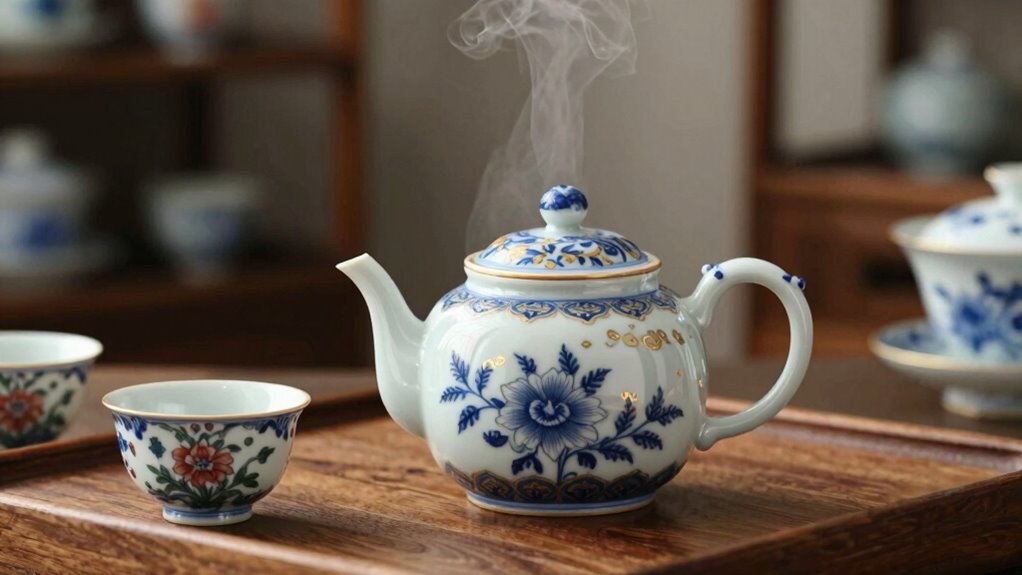

Tea ware shapes your brewing rituals by embodying cultural values and guiding precise techniques that elevate the experience. Small cups and special teapots help you focus on aroma, flavor, and mindfulness. The design and materials of your tea ware reflect regional aesthetics and philosophies, turning everyday tea into a meaningful ceremony. If you keep exploring, you’ll discover how these tools deepen your connection to tradition and artistic expression.

Get coffee and tea gear delivered free with Prime
- Fast, free delivery on millions of items
- Prime Video, Amazon Music and more included
- Member-only deals all year
Key Takeaways
- The design and material of tea ware influence the specific steps and techniques used in traditional brewing rituals.
- Cultural aesthetics of tea ware reflect regional philosophies, shaping the form and conduct of ceremonies.
- Rituals involve precise utensil choices, such as small cups or specialized bowls, to enhance sensory and symbolic significance.
- The interaction with different materials, like Yixing clay or glass, deepens mindfulness and personal connection during brewing.
- The aesthetic and functional qualities of tea ware elevate everyday tea drinking into a meaningful, artistic ritual.
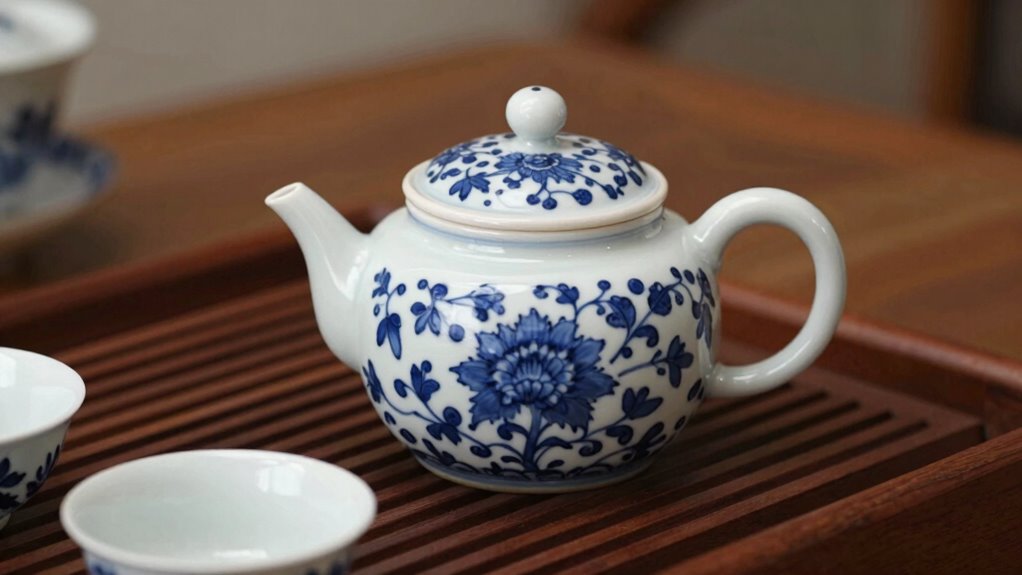
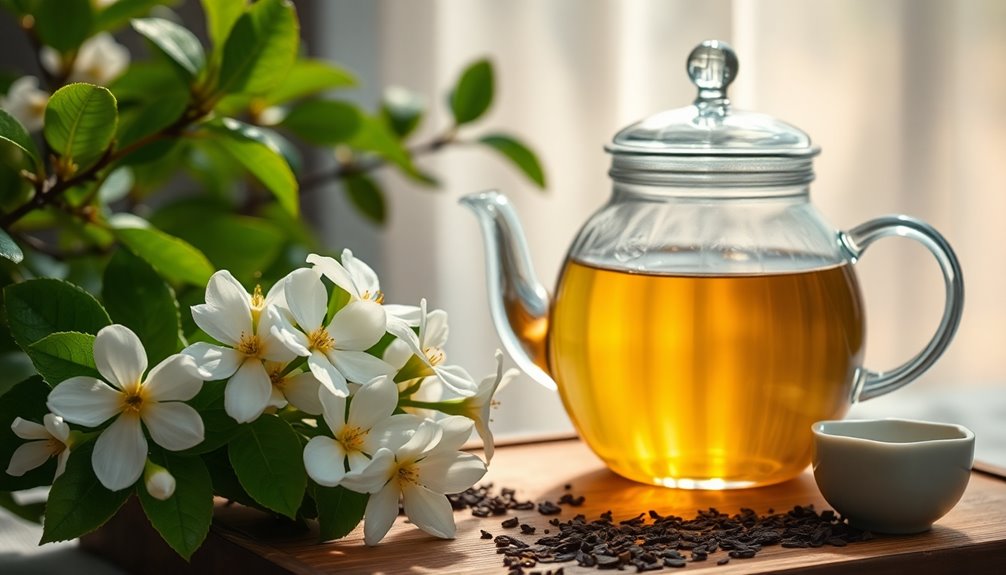
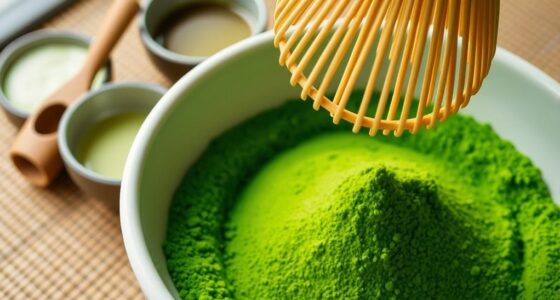
Cultural brewing traditions are deeply embedded in the design of tea ware. In Chinese tea ceremonies, small gaiwans and tiny cups emphasize a gentle, meditative process that celebrates aroma and flavor. These traditions often involve specific steps, such as rinsing the leaves or pouring with a particular technique, which are reflected in the utensils used. Conversely, Japanese tea ceremonies employ chawan bowls and chasen whisks, emphasizing harmony, respect, and precision. The choice of tea ware in these settings isn’t arbitrary; it’s rooted in deep cultural values that influence how you approach each brewing session. The ritualistic aspect of using particular teapots and cups helps you connect with the history and philosophy behind the tradition, transforming a simple act into a meaningful experience. Additionally, the design of tea ware can reflect regional aesthetics and philosophies, enriching the cultural significance of the brewing process. Recognizing the cultural significance behind different styles of tea ware can deepen your appreciation and understanding of these traditions. Your selection of tea ware also impacts your interaction with the tea itself. For instance, a clay teapot like Yixing absorbs flavors over time, creating a personalized brewing vessel that evolves with your taste. Meanwhile, glass teapots allow you to watch the leaves unfurl, adding visual enjoyment to the process. The tactile experience—whether it’s the warmth of a ceramic cup or the cool smoothness of porcelain—can heighten your appreciation and mindfulness. These details aren’t incidental; they are part of the ritual that elevates everyday tea drinking into a moment of reflection and connection. In summary, the aesthetics of your tea ware and respect for cultural brewing traditions shape not just how you make tea, but how you experience it—turning a simple beverage into an art form.
As an affiliate, we earn on qualifying purchases.
Frequently Asked Questions
How Does Tea Ware Influence the Flavor of Brewed Tea?
Your choice of tea ware directly influences the flavor of brewed tea by affecting tea infusion and flavor extraction. Porcelain, for example, preserves delicate flavors, while clay pots enhance earthy notes through better heat retention. The material and shape of your teaware control how water interacts with tea leaves, impacting infusion speed and flavor release. Using the right ware helps you achieve a richer, more balanced taste in every cup.
Are There Cultural Differences in Tea Ware Preferences Worldwide?
Cultural differences in tea ware preferences are like unique fingerprints, reflecting rich traditions worldwide. You’ll notice regional craftsmanship deeply influences design, shape, and materials, shaping each culture’s tea experience. For example, Chinese porcelain symbolizes elegance, while Japanese yunomi cups emphasize simplicity. These choices embody cultural symbolism, highlighting local values and aesthetics. Embracing these differences lets you appreciate how each culture’s craftsmanship and symbolism enrich your tea-drinking journey.
What Materials Are Most Commonly Used in Traditional Tea Ware?
Traditional tea ware most commonly uses materials like porcelain, clay, and glass, each with a rich material history. Porcelain’s delicate craftsmanship techniques create elegant, durable pieces, while clay, especially Yixing clay, is prized for its porous nature that enhances flavor. Glass allows you to observe brewing, showcasing craftsmanship techniques like hand-blown methods. These materials influence the brewing experience, reflecting cultural values and artisanal mastery.
How Does Tea Ware Size Affect Brewing Time and Strength?
Think of your tea ware as a vessel of balance; its size influences brewing time and strength. A smaller capacity concentrates flavors quickly, offering a robust brew, while larger vessels allow gentle, prolonged steeping for nuanced tastes. The shape also guides extraction—wide, shallow shapes encourage swift brews, while narrow, tall ones deepen flavors. By choosing the right tea ware capacity and shape, you craft each sip to echo your desired harmony.
Can Using Different Tea Ware Types Change the Overall Tea Experience?
Yes, using different tea ware types can profoundly change your tea experience. Elegant tea ware aesthetics enhance your enjoyment by creating a calming atmosphere, while ergonomic designs make brewing and pouring more comfortable. For example, a delicate porcelain cup may highlight subtle flavors, whereas a sturdy clay teapot retains heat better. Choosing the right tea ware allows you to tailor your ritual, making each cup more enjoyable and memorable.
Conclusion
Your choice of tea ware deeply influences your brewing experience, shaping the rituals you cherish. Curiously, a study found that 68% of tea enthusiasts believe that the right vessel enhances flavor and aroma. By selecting the right teapot or cup, you not only honor tradition but also elevate each sip. So, next time you brew, remember that your tea ware isn’t just functional—it’s an essential part of the ritual, transforming simple tea into a meaningful moment.
Halloween Picks
halloween
As an affiliate, we earn on qualifying purchases.