Matcha is a traditional Japanese green tea rooted in 12th-century Zen practices and the tea ceremony, symbolizing mindfulness and cultural heritage. It’s made from shade-grown, hand-harvested leaves ground into a fine powder, available as ceremonial or culinary types. To prepare, whisk it with hot water until frothy. Rich in antioxidants and natural caffeine, matcha offers health benefits like improved focus and immune support. Keep exploring to discover how this vibrant tea fits into your wellness routine.
Key Takeaways
- Matcha originated in 12th-century Japan, used in Zen meditation and traditional tea ceremonies emphasizing mindfulness and cultural values.
- It is made from shade-grown tea leaves, carefully harvested, steamed, dried, and stone-ground into a fine powder.
- Preparation involves whisking matcha with hot water using a bamboo chasen to create a frothy, flavorful beverage.
- Rich in antioxidants like EGCG, matcha offers health benefits such as immune support and sustained energy without crashes.
- Proper storage in airtight containers preserves freshness, flavor, and health properties over time.

Midori Spring Organic Authentic Japanese Ceremonial Matcha Powder Emerald, USDA Organic, Kosher, Vegan
Ceremonial Versatile Matcha - Great for beginner Matcha drinkers. Emerald offers a balance of premium taste with unrivaled...
As an affiliate, we earn on qualifying purchases.
The Origins of Matcha in Japanese Culture

Matcha’s roots in Japanese culture date back to the 12th century, when Zen Buddhist monks began using powdered green tea in their meditation practices. Over time, matcha became integral to the traditional tea ceremony, known as chanoyu, which emphasizes harmony, respect, purity, and tranquility. During these ceremonies, every movement and utensil holds cultural symbolism, reflecting Zen principles and fostering mindfulness. As you participate in a tea ceremony, you’re not just drinking matcha—you’re engaging in a ritual that embodies centuries of spiritual and cultural values. This deep connection elevates matcha beyond a simple beverage, turning it into a symbol of discipline, aesthetic appreciation, and cultural heritage in Japanese society. Understanding the history of matcha enhances appreciation for its significance and the cultural practices surrounding it. Additionally, the ritualistic aspects of the tea ceremony contribute to its role as a form of meditative practice, emphasizing mindfulness and inner peace.

Japanese Ceremonial Grade Matcha Powder – USDA Organic | 3oz Tin | Smooth Taste with Low Bitterness | Calm, Clear Energy | Pure Matcha
✓ Crafted in the spirit of Japanese ceremonial matcha: In Uji, where the tradition of ceremonial matcha took...
As an affiliate, we earn on qualifying purchases.
The Traditional Cultivation and Harvesting Process
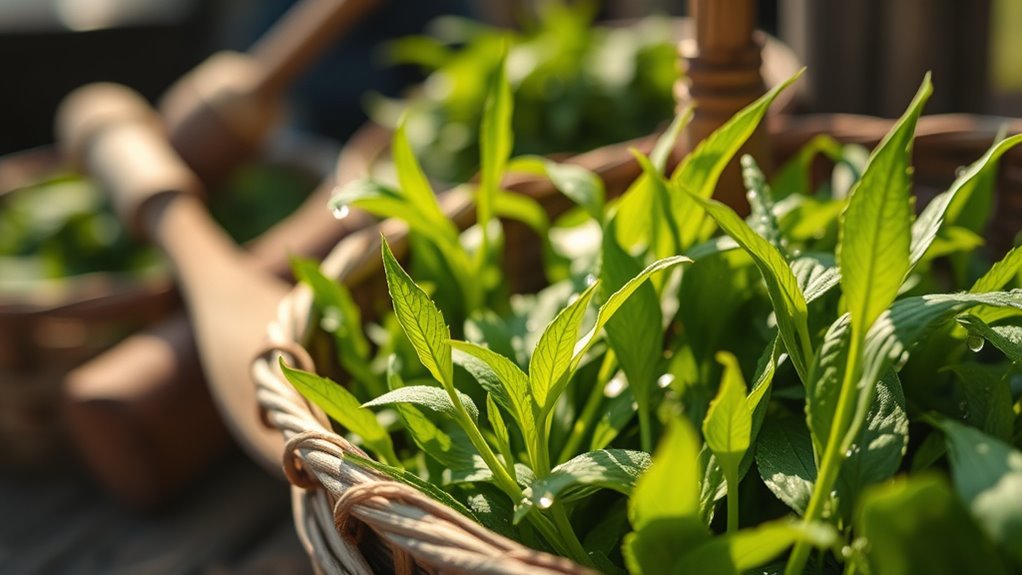
You’ll notice that matcha cultivation begins with shade growing techniques, where tea plants are covered to boost flavor and color. Once the leaves are ready, skilled harvesters hand-pick only the youngest, most tender leaves. These leaves then undergo careful processing to preserve their vibrant green hue and rich taste. To ensure the highest quality, growers often employ sustainable farming practices that protect soil health and promote biodiversity. Proper harvesting techniques are essential to maintain leaf quality and maximize flavor. Additionally, some growers incorporate preppy dog names into their branding to appeal to a sophisticated market segment. Modern cultivation methods also emphasize infidelity exposure techniques to identify potential issues early, ensuring the integrity of the harvest process. Implementing vertical storage solutions can also help in organizing harvested leaves efficiently before processing.
Shade Growing Techniques
Shade growing techniques are a crucial part of traditional matcha cultivation, involving the careful covering of tea plants with shade cloths or natural coverings to alter their growing environment. This process reduces direct sun exposure, encouraging the plants to develop a richer, more umami flavor. It also boosts chlorophyll levels, giving the leaves a vibrant green hue. As you observe, shade growing impacts several key aspects of the tea’s quality: Enhanced flavor profile** with less bitterness and more sweetness, Deeper green coloration indicating higher chlorophyll content, Slowed growth rate**, allowing for more concentrated nutrients in each leaf. Incorporating natural materials in the shading process can further influence the tea’s flavor and quality. Additionally, this technique aligns with traditional cultivation methods that have been refined over centuries to produce high-quality matcha.
Hand-Picking and Processing
Hand-picking tea leaves is a meticulous process that guarantees only the highest quality foliage makes it into traditional matcha. Skilled harvesters select young, tender leaves, preserving the matcha flavor’s delicate nuances. After harvesting, leaves are quickly steamed to prevent oxidation, then carefully dried and sorted. Processing involves removing stems and veins, leaving fine powder-ready leaves. This attention to detail enhances ceremonial significance, as each step preserves the tea’s purity and flavor. To better understand, here’s a quick overview:
| Step | Purpose | Result |
|---|---|---|
| Hand-Picking | Selects premium leaves | Highest quality foliage |
| Steaming | Stops oxidation | Fresh, vibrant flavor |
| Drying | Preserves leaves | Ready for processing |
| Sorting | Removes stems and veins | Fine matcha powder |
| Grinding | Finely grinds leaves | Smooth, flavorful matcha |
Additionally, traditional cultivation methods play a vital role in maintaining the authenticity and quality of matcha.

Pique Organic Sun Goddess Matcha - Ceremonial Grade Matcha Green Tea Powder, Supports Radiant Skin, Calm Energy - 28 Single Serve Sticks (Pack of 1)
[Healthy, Nutritious Superfood]: Antioxidants (like EGCG), vitamins, minerals and chlorophyll help firm and brighten skin while supporting skin...
As an affiliate, we earn on qualifying purchases.
How Matcha Is Processed and Produced

Have you ever wondered how matcha transforms from lush green leaves into the vibrant powder you enjoy? The process begins after hand-picking, where leaves are shade-grown for a few weeks, intensifying flavor profiles. These leaves are then steamed to prevent oxidation, preserving their bright color and fresh taste. Next, they’re dried and ground into a fine powder using traditional stone mills, ensuring a smooth, silky texture. This meticulous process highlights the importance of quality in the tea ceremony, where each step enhances flavor and aroma. To deepen your understanding:
- Shade-growing boosts chlorophyll and amino acids
- Steaming locks in vibrant color and fresh flavor
- Stone grinding creates a fine, delicate powder
- Aboriginal art dot techniques are sometimes incorporated into modern tea ceremonies to honor cultural traditions.
This careful production process elevates matcha from simple leaves to a revered, sensory-rich experience.

HAYASHIYA Matcha Powder Ceremonial Grade in Tin - Organic Japanese Green Tea from Kyoto 30g - First Harvest Stone-Ground for Lattes, Smoothies, Baking - Superfood Antioxidant Clean Energy Boost
Ceremonial Quality from Kyoto, Japan: Our ceremonial grade matcha powder is made from the first harvest of tender...
As an affiliate, we earn on qualifying purchases.
Different Types of Matcha and How to Choose the Right One

With so many types of matcha available, choosing the right one depends on your intended use and taste preferences. Ceremonial matcha is ideal for traditional tea ceremonies, offering a smooth, delicate flavor and vibrant color. Culinary matcha, on the other hand, is more robust and versatile, perfect for recipes like smoothies, lattes, or baked goods. When selecting your matcha, consider the quality and grade—ceremonial grade for sipping, culinary grade for cooking. Using the right matcha accessories, such as a bamboo whisk and bowl, enhances your experience and helps you prepare it properly. If you’re new, start with a high-quality ceremonial matcha to enjoy its full flavor and enjoy the ritual of preparing it. Understanding the different types of matcha and their purposes can help you make an informed choice and elevate your tea experience. Additionally, paying attention to matcha quality indicators can ensure you select the best product for your needs. For optimal preparation, it’s also helpful to learn about matcha brewing techniques, which can significantly influence the flavor and texture of your tea. Incorporating advanced preparation methods can further enhance your matcha experience, especially as you become more familiar with its nuances.
Step-by-Step Guide to Preparing the Perfect Cup
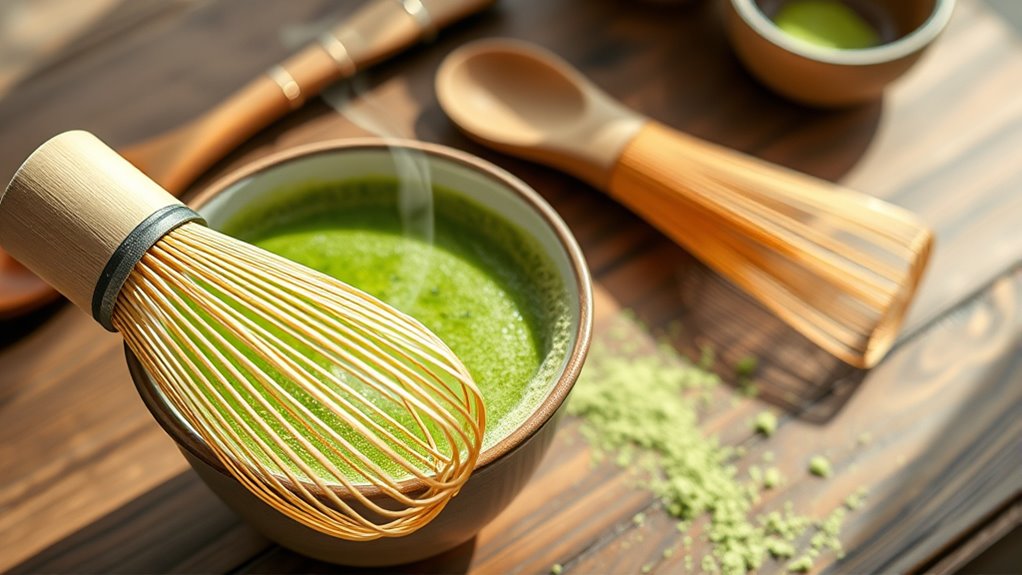
To make a great cup of matcha, you need to measure the right amount of powder carefully. Once you’ve added it to your bowl, whisk briskly until you see a frothy layer form on top. Proper measuring and whisking are key to achieving the perfect texture and flavor. Using the right preparation techniques can also enhance your overall experience.
Measuring Matcha Properly
Accurately measuring matcha is essential for achieving the perfect flavor and consistency in your cup. Proper measurement respects traditional ceremonial rituals and highlights the unique flavor profiles of each matcha type. Use a bamboo scoop (chashaku) or a teaspoon to guarantee precision. For a balanced brew, typically use about 1 to 2 grams of matcha per 8-ounce cup. Keep in mind, the right amount influences not only taste but also the overall experience. Recognizing angel numbers can help you tune into subtle signs from the universe about your love life. Understand that precise measurement enhances the ceremonial ritual and deepens appreciation. Recognize that small adjustments can bring out different flavor profiles. Remember that consistent measurement ensures a reliable, enjoyable cup every time. Incorporating innovative materials from Nike Tech into your brewing setup can elevate your matcha experience and align with modern trends. Additionally, understanding AI safety measures can help you implement innovative tools to improve your brewing process and ensure safety. For example, utilizing precise measurement tools can help maintain consistency and improve your overall brewing technique.
Whisking for Froth
Once you’ve measured your matcha precisely, the next step is to whisk it properly to create that signature frothy top. Use a bamboo whisk (chasen) and a small bowl, adding hot water (not boiling) to loosen the powder. Whisk briskly in a zigzag motion until a frothy layer forms on top. This step is vital for a smooth matcha latte or matcha desserts, ensuring a velvety texture.
| Technique | Tools Needed | Result |
|---|---|---|
| Quick zigzag whisking | Bamboo whisk, bowl | Frothy, smooth surface |
| Gentle stirring | Spoon or fork | Blended, less froth |
| Circular motion | Whisk or fork | Even mixture, minimal froth |
Mastering this creates a vibrant, frothy top that elevates your matcha experience.
Creative Ways to Incorporate Matcha Into Your Diet
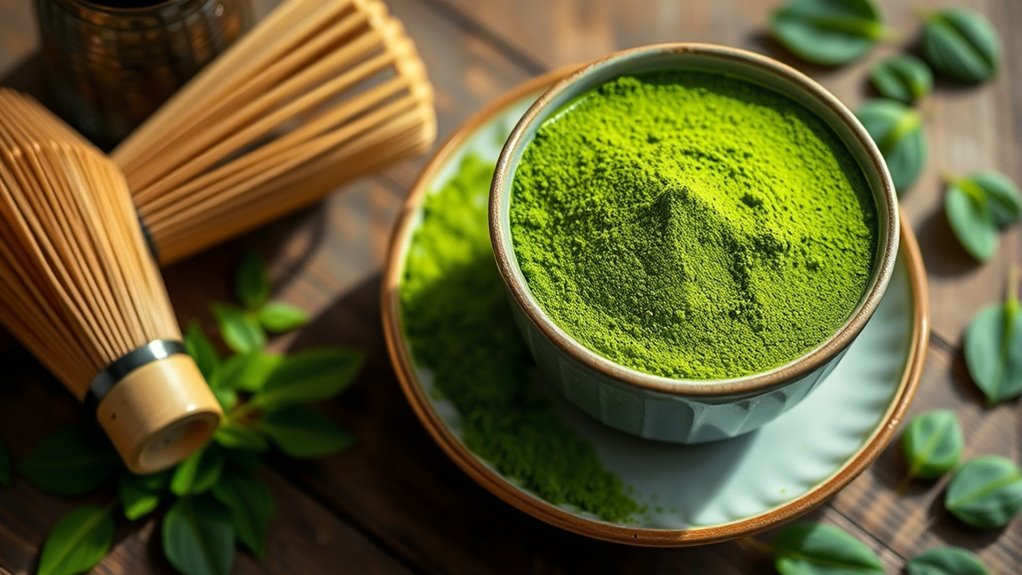
Looking for creative ways to add matcha to your diet? You can experiment with various matcha recipes beyond the traditional tea. Incorporate matcha flavor pairings like vanilla, coconut, or citrus to enhance your dishes. Try blending matcha into smoothies or yogurt bowls for a vibrant boost. Add it to baked goods such as muffins or energy balls for a subtle yet distinctive flavor. You could also sprinkle matcha over oatmeal or salads for a unique twist. Remember, the key is balancing its earthy taste with complementary ingredients, which can vary depending on your flavor preferences. Exploring these options keeps your diet interesting while reaping matcha’s health benefits. Using creative culinary techniques can also inspire innovative presentation and pairing ideas for your culinary creations.
The Science Behind Matcha’s Antioxidant Power

Matcha isn’t just prized for its vibrant color and unique flavor; it’s also celebrated for its impressive antioxidant properties. These antioxidants, especially catechins like EGCG, help neutralize free radicals and support your overall health. The matcha flavor profiles vary between ceremonial and culinary types, affecting their antioxidant levels. Ceremonial matcha, often higher in quality, contains more antioxidants and a richer flavor, perfect for traditional rituals. Culinary matcha, more affordable and versatile, still offers health benefits but with a milder flavor. The table below highlights these differences:
| Matcha Type | Antioxidant Content | Flavor Profile |
|---|---|---|
| Ceremonial | Higher | Rich, umami |
| Culinary | Moderate | Milder, versatile |
| Usage | Tea ceremonies | Cooking, baking |
Understanding these distinctions helps you choose the best matcha for your health and taste preferences. Additionally, antioxidant content can vary depending on the cultivation and processing methods used for each type. Some factors like shade-grown cultivation can significantly increase antioxidant levels in matcha.
Potential Health Benefits and Wellness Perks

Incorporating matcha into your routine can boost your overall well-being, thanks to its array of health-promoting compounds. Regularly enjoying a matcha latte or indulging in matcha desserts can enhance focus and provide sustained energy. Its antioxidants help combat oxidative stress, supporting your immune system and skin health. Plus, matcha’s natural caffeine offers a gentle alertness without crashes. When you include matcha in your diet, you’re also benefiting from mood improvement and stress reduction. To deepen these benefits, remember: matcha’s health benefits include supporting longevity and cell health.
Tips for Storing and Maintaining Matcha Freshness
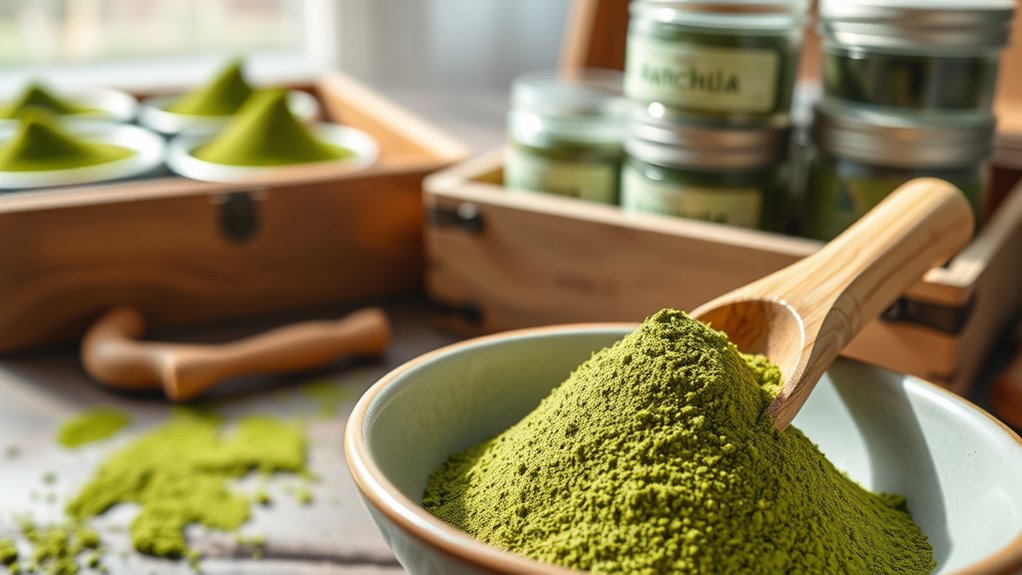
To keep your matcha fresh and flavorful, it’s essential to store it properly from the start. Proper matcha storage helps maintain its vibrant color, aroma, and taste by protecting it from light, heat, and moisture. Keep your matcha in an airtight container, ideally made of dark glass or opaque material, to block out light. Store it in a cool, dry place away from direct sunlight and strong odors, which can compromise freshness. For best freshness maintenance, consider keeping your matcha in the refrigerator, especially if you don’t use it frequently. Before opening, leave the container sealed until use. After opening, reseal tightly and consume within a few weeks for the best flavor and health benefits. Proper storage ensures your matcha stays vibrant and delicious longer.
Frequently Asked Questions
How Does Matcha Compare Nutritionally to Other Green Teas?
When comparing matcha to other green teas, you’ll find that matcha has a higher nutritional content and antioxidant levels. Since you consume the whole powdered leaf, you get more vitamins, minerals, and catechins. This means you’re getting a more potent health boost with matcha, especially in antioxidants that fight free radicals. So, if you’re looking for a nutrient-dense green tea, matcha stands out as a superior choice.
Are There Any Common Allergies or Sensitivities Related to Matcha?
You might find that some folks experience matcha allergies or sensitivities, which can cause mild reactions like headaches or stomach discomfort. While rare, these matcha sensitivities are usually linked to its caffeine content or certain proteins. It’s wise to start with small amounts to see how your body responds. If you notice any unusual symptoms, consider consulting a healthcare professional to guarantee it’s not a matcha allergy.
Can Matcha Be Used in Cooking and Baking Recipes?
Yes, you can definitely use matcha in cooking applications and baking recipes. It adds a vibrant green color and unique flavor to dishes like cakes, cookies, smoothies, and even savory meals. When incorporating matcha into baking recipes, start with small amounts to balance its earthy taste. You’ll enjoy how it enhances both the flavor and presentation of your culinary creations, making them more appealing and nutritious.
Is There an Ideal Time of Day to Enjoy Matcha?
Think of matcha as your daily sunrise—there’s no wrong time to enjoy it. The best drinking times include morning as a natural energizer, helping you start your day with a gentle lift, or mid-afternoon to keep your momentum going. Sipping matcha when you need focus turns it into a calming yet revitalizing ritual. Trust your body’s rhythm, and let matcha be your versatile companion throughout the day.
How Does Brewing Temperature Affect Matcha’S Flavor and Health Benefits?
Brewing temperature considerably impacts your matcha’s flavor profile and health benefits. If you use water that’s too hot, it can make the matcha taste bitter and diminish delicate flavors, while lowering the temperature preserves sweetness and umami. Ideally, keep your water around 160°F to 175°F. This temperature range ensures you enjoy a smooth, vibrant flavor and retain the antioxidants and nutrients that make matcha so healthy.
Conclusion
Now that you’ve uncovered the incredible world of matcha, you’re armed with the secrets to access its legendary health powers and vibrant flavor. With every sip, you’re not just drinking tea—you’re tapping into centuries of tradition, antioxidant armor, and a ritual that can transform your wellness routine into an epic journey. So go ahead, embrace the magic of matcha, and let it elevate your life to legendary heights—one vibrant cup at a time.