Green tea styles range from delicate sencha to robust Longjing, shaped by different cultivation and processing methods. Sencha, popular in Japan, is steamed, preserving antioxidants and offering a fresh flavor. Longjing, a famous Chinese variety, is pan-fired, giving it toasty notes and unique aroma. The growing conditions, like climate and shading, impact their taste and health benefits. Explore further to discover how these traditions create diverse flavors and wellness experiences.
Key Takeaways
- Green tea varieties like sencha and Longjing have distinct cultivation, processing, and flavor profiles reflecting their cultural origins.
- Sencha, popular in Japan, is steamed and offers a grassy, fresh taste, while Longjing from China is pan-fired with nutty, roasting notes.
- Processing methods such as steaming or pan-firing influence antioxidant levels and flavor characteristics of each green tea style.
- Regional terroirs, climate, and cultivation techniques shape the unique aroma and health benefits of different green teas.
- Exploring these styles highlights diverse cultural traditions, craftsmanship, and wellness benefits associated with green tea.
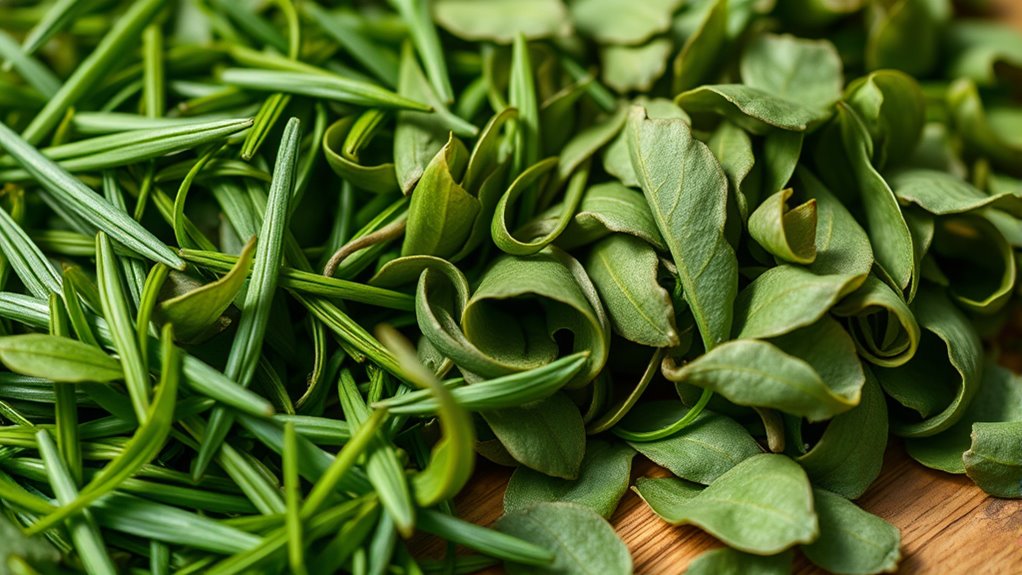
Green tea, celebrated for its fresh flavor and numerous health benefits, comes in a variety of styles that cater to different tastes and traditions. When you explore these different types, you’ll notice how each reflects unique methods of tea cultivation and processing, which influence their flavor profiles and health benefits. The journey from delicate sencha to robust Longjing showcases the rich diversity within green tea, allowing you to find the perfect match for your palate and wellness goals.
Understanding tea cultivation is key to appreciating these styles. Factors like climate, soil, and altitude shape the characteristics of each tea. For instance, Japanese green teas such as sencha are cultivated in shaded or semi-shaded fields, which boost chlorophyll levels and give the leaves a vibrant green color. This method not only enhances flavor but also increases the tea’s health benefits by preserving antioxidants like catechins. On the other hand, Chinese teas like Longjing are grown in specific regions with distinct microclimates, imparting a unique nutty aroma and a smooth, sweet taste. The distinct cultivation techniques and regional terroirs influence both the flavor and the health benefits of each tea.
When you brew green tea, you’re revealing a treasure trove of health benefits. Rich in antioxidants, catechins, and polyphenols, green tea supports your immune system, improves brain function, and helps regulate blood sugar levels. Different styles may offer slightly varied levels of these compounds depending on how they’re processed. For example, steaming, pan-firing, or roasting leaves can impact the retention of beneficial antioxidants, which is why some teas might provide superior health perks. As you enjoy each style, you’re also nourishing your body with these potent compounds, making green tea a smart addition to your daily routine.
From the delicate, grassy notes of Japanese sencha to the toasty, chestnut hues of Chinese Longjing, the diversity of green tea styles offers more than just flavor. You get to experience different cultural traditions and health benefits with every cup. The careful tea cultivation and processing methods behind each style highlight how craftsmanship influences both taste and wellness. Processing methods play a crucial role in determining the flavor profile and antioxidant levels of each tea, further emphasizing the importance of technique. Whether you’re seeking a calming ritual or a flavorful boost, exploring these various green teas allows you to customize your experience and maximize their health benefits. As you try new styles, you’ll better understand how the art of tea cultivation and processing results in such a remarkable range of flavors and health-promoting properties.
Frequently Asked Questions
Which Green Tea Type Has the Highest Antioxidant Content?
You’ll find that matcha has the highest antioxidant content among green teas. Its antioxidant comparison shows it surpasses other types like Sencha or Longjing because you consume the whole powdered leaf, not just the brewed infusion. This means your green tea health benefits are maximized, providing more catechins and polyphenols. So, if you’re aiming for the most potent antioxidant boost, choose matcha for your daily green tea intake.
How Should I Store Different Green Tea Styles?
You might think green teas are all the same, but their storage needs differ. To maximize shelf life, store your tea in airtight containers, away from light, heat, and humidity. Keep Sencha and Longjing separate, as they each have unique flavors that fade differently. Ironically, neglecting proper tea storage can turn your prized leaves into flavorless relics faster than you’d expect, so handle them with care.
Are There Health Risks Associated With Consuming Green Tea?
You might experience health risks from green tea if you have allergies or caffeine sensitivity. Green tea allergies can cause symptoms like itching or swelling, so watch for reactions. If you’re sensitive to caffeine, consuming too much green tea may lead to insomnia, headaches, or increased heart rate. It’s best to enjoy it in moderation and consult a healthcare professional if you notice adverse effects.
What Are Traditional Brewing Methods for Each Green Tea Style?
You should steep Sencha at about 70-80°C for 1-2 minutes, ensuring the leaves aren’t over-brewed to avoid bitterness. For Longjing, use water at around 75-80°C and steep for 2-3 minutes, allowing the delicate leaves to release their flavor. Adjust the steeping temperature and duration based on your taste preferences, but always aim for gentle infusion to preserve each tea’s unique aroma and texture.
Can Green Tea Be Used in Cooking or Recipes?
Green tea can absolutely be used in cooking or recipes, and it’s a game-changer for flavor. You can incorporate green tea into your culinary creations by making green tea recipes like smoothies, baked goods, or marinades. Using green tea culinary techniques enhances taste and adds health benefits. Don’t hesitate to experiment—green tea’s delicate, earthy flavor can elevate your dishes to extraordinary heights!
Conclusion
No matter which green tea style you choose, each offers a unique experience like a different brushstroke on a vibrant painting. From the grassy freshness of sencha to the nutty richness of Longjing, you’re invited to explore and find your favorite. So, brew a cup, savor the aroma, and let each sip transport you to a tranquil garden or bustling tea market. Green tea truly is a journey worth taking—delightful and full of surprises like a treasure chest waiting to be opened.