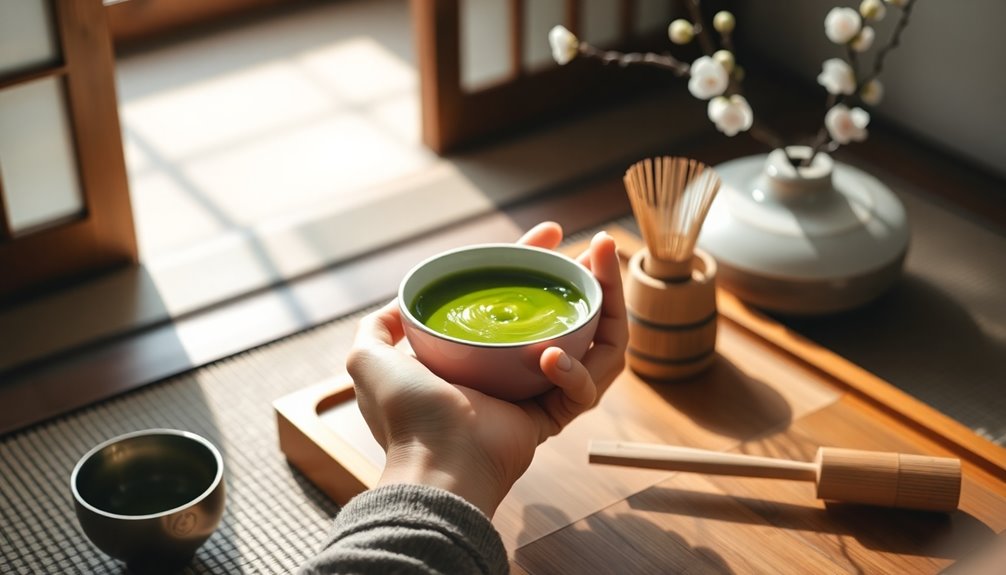

Green tea is packed with antioxidants and polyphenols that can boost your metabolism, aid weight management, and protect cells from damage. It supports brain health, improves focus, and reduces the risk of chronic diseases like heart issues and diabetes. Its anti-inflammatory properties may help lower inflammation and boost immunity. While generally safe, moderation is key to avoiding potential side effects. Explore further to discover how green tea’s powerful compounds could benefit your health in more ways.
Key Takeaways
- Green tea is rich in antioxidants like catechins, which help reduce oxidative stress and lower chronic disease risks.
- It boosts metabolism, promotes fat oxidation, and supports weight management when combined with a healthy lifestyle.
- Regular consumption enhances cognitive function, mental clarity, and offers neuroprotective benefits.
- Green tea’s anti-inflammatory compounds support immune health and may reduce inflammation-related illnesses.
- Proper processing and storage preserve its bioactive compounds, maximizing health benefits and antioxidant potency.
The Nutritional Composition of Green Tea

Green tea is packed with beneficial compounds that contribute to its health effects. Its nutritional composition depends heavily on tea processing, which influences both its chemical makeup and flavor profiles. During processing, leaves are carefully handled to preserve antioxidants like catechins, which are key to green tea’s health benefits. Different processing methods result in various flavor profiles, from grassy and vegetal to sweet and floral, while maintaining high levels of polyphenols. These compounds not only give green tea its distinctive taste but also provide powerful antioxidant properties. Tea processing significantly shapes the final chemical composition and flavor, emphasizing the importance of proper handling during production. Additionally, oxidation levels during processing can affect the concentration of catechins and other bioactive compounds, further influencing the tea’s health properties. Furthermore, storage conditions after processing can impact the stability of antioxidants, making proper storage essential to retain green tea’s health benefits. Proper storage practices, such as keeping tea in a cool, dark place, help preserve its antioxidant content over time. Understanding how tea processing shapes these flavor profiles helps you appreciate the complex nutritional profile of green tea, making it a flavorful and healthful addition to your diet.
Green Tea and Metabolic Health
Research indicates that drinking green tea can positively influence metabolic health by helping to regulate weight, improve insulin sensitivity, and support fat oxidation. Green tea digestion may benefit from its compounds, which can enhance the breakdown of fats and carbohydrates, aiding your body’s processing. Staying well-hydrated with green tea also contributes to better metabolism, as proper hydration supports enzyme function and nutrient absorption. Incorporating green tea into your routine can also promote metabolic efficiency, leading to improved overall health. When you incorporate green tea into your routine, you’re not just enjoying its flavor but also promoting more efficient metabolic processes. Regular consumption can help manage weight and boost your energy levels. Additionally, choosing the right vacuum type can help maintain a dust-free environment that supports overall health. Incorporating green tea into a balanced diet increases its potential benefits, maximizing health outcomes. Ensuring consistent consumption may also support cellular health, which is vital for maintaining metabolic functions. Remember, though, that green tea alone isn’t a miracle cure; combined with a balanced diet and exercise, it can be a valuable tool for maintaining metabolic health.
Antioxidant Properties and Disease Prevention

Green tea is rich in polyphenols, which act as powerful antioxidants in your body. These compounds help reduce oxidative stress, protecting your cells from damage. By doing so, green tea supports your overall health and lowers the risk of chronic diseases. Additionally, consuming green tea can promote a sense of dynamic communication, fostering better social interactions and emotional well-being.
Rich in Polyphenols
Because they contain high levels of polyphenols, green tea’s antioxidants play an essential role in protecting your cells from damage caused by free radicals. These polyphenols, especially catechins, are powerful compounds that contribute to its health benefits. During tea cultivation, factors like climate and processing influence polyphenol levels, making quality critical for maximum benefits. Through polyphenol extraction, manufacturers concentrate these antioxidants, ensuring you get potent doses in each cup. Consuming green tea regularly helps your body combat oxidative stress and supports overall health. Additionally, cost-effective production methods can help maintain the affordability and accessibility of high-quality green tea. By choosing high-quality green tea, you enhance your intake of these beneficial compounds. Incorporating quality control in production ensures the antioxidant potency remains high from farm to cup. Furthermore, selecting teas with optimal polyphenol content can maximize health advantages. Proper harvesting and processing methods also play a vital role in preserving the nutritional value of green tea, making it an effective health supplement.
Reduces Oxidative Stress
The antioxidants in green tea actively combat oxidative stress by neutralizing free radicals before they can damage your cells. This reduces oxidative damage, which is a key factor in cellular aging and age-related diseases. By protecting your cells from oxidative stress, green tea may help maintain your overall health and longevity. The polyphenols, especially catechins, strengthen your body’s defenses against oxidative damage, slowing down the aging process at the cellular level. Regularly drinking green tea can support your body’s ability to fight off free radicals, potentially lowering your risk of chronic illnesses such as cardiovascular disease and neurodegenerative conditions. Additionally, the presence of antioxidant properties in green tea enhances its ability to reduce inflammation and support immune function, further contributing to disease prevention. Green tea’s health-promoting compounds work synergistically to protect your cells, making it a valuable addition to a balanced diet. Consuming green tea also encourages cellular resilience, helping your body better withstand environmental stresses that can accelerate aging. Incorporating green tea into your daily routine can also promote metabolic health, which is essential for overall well-being. Scientific studies suggest that these antioxidants may also play a role in cancer prevention, adding another layer of health benefits. In short, green tea’s antioxidant properties help preserve cell integrity and promote healthier, more resilient aging.
Impact on Brain Function and Mental Clarity

Consuming green tea can substantially enhance your brain function and mental clarity. The key compounds, like catechins and caffeine, promote cognitive enhancement and boost mental alertness. This combination helps you stay focused and sharp throughout the day. Regular green tea intake may improve memory, attention, and processing speed. It also reduces mental fatigue, allowing you to handle complex tasks more effectively. Additionally, the automation of educational tools like Intelligent Tutoring Systems can further support personalized learning experiences.
Green Tea’s Role in Weight Management

Green tea plays a significant role in supporting weight management by boosting your metabolism and aiding fat oxidation. The antioxidants in green tea, especially catechins, increase your calorie burning, helping you burn more energy throughout the day. Green tea also promotes appetite suppression, making it easier to control your food intake without feeling hungry. Additionally, incorporating green tea into your routine can contribute to a balanced lifestyle, which is essential for sustainable weight loss. Regular consumption of green tea can also provide additional health benefits, such as improved heart health and antioxidant support. By enhancing calorie burning and reducing hunger, green tea can assist you in creating a calorie deficit necessary for weight loss. Drinking it regularly may enhance your efforts to shed pounds and maintain a healthy weight. Keep in mind, though, that green tea works best when combined with a balanced diet and regular exercise. It’s a helpful addition, but not a magic solution on its own. An understanding of the refrigeration cycle can also help you better appreciate how modern appliances support your health and environmental goals. Moreover, the role of attention in your daily habits can help you stay mindful of healthy choices.
Fighting Inflammation and Chronic Conditions

Green tea’s antioxidants help reduce inflammation, supporting your body’s defense against chronic issues. These anti-inflammatory compounds can lower your risk of diseases like heart disease and arthritis. Incorporating green tea into your routine may be a simple way to promote better overall health. Additionally, consuming STEM toys that stimulate cognitive function may complement a healthy lifestyle by encouraging mindful habits and mental well-being. Using analytical cookies can help tailor health advice to your preferences, making your wellness journey more personalized. Emphasizing a positive mindset can further enhance your overall health benefits by fostering resilience and motivation.
Antioxidants Reduce Inflammation
Because antioxidants are powerful compounds that neutralize free radicals, they play a key role in reducing inflammation in the body. Green tea’s antioxidants, especially catechins, help fight oxidative stress that causes chronic inflammation. When you enjoy tea cultivation, you’ll notice how different flavor profiles result from varying antioxidant levels, affecting health benefits. Consuming antioxidant-rich green tea can help lower inflammation markers and support overall health. It’s a simple way to combat inflammation naturally.
- Antioxidants target free radicals, reducing cellular damage
- Different tea cultivation methods influence flavor profiles and antioxidant content
- Regular green tea intake may help prevent chronic inflammatory conditions
Green Tea and Disease Risk
Consuming green tea regularly can substantially reduce your risk of developing chronic diseases by fighting inflammation at its root. The antioxidants in green tea help lower the risk of conditions like heart disease, diabetes, and certain cancers. However, be aware of green tea allergies, which can cause allergic reactions in some individuals. Additionally, if you’re sensitive to caffeine, you might experience side effects such as jitteriness or insomnia, especially with higher intake. Fortunately, many people tolerate green tea well, and choosing decaffeinated options can help if caffeine sensitivity is an issue. By integrating green tea into your routine thoughtfully, you can enjoy its disease-fighting benefits while minimizing potential adverse effects. Always listen to your body and consult a healthcare professional if you have concerns.
Anti-Inflammatory Compounds
Anti-inflammatory compounds in green tea, such as catechins and polyphenols, actively combat inflammation that underlies many chronic diseases. These compounds help reduce swelling, pain, and tissue damage, supporting your overall health. The herbal synergy of green tea enhances its bioactive effects, making it a powerful anti-inflammatory beverage. Additionally, green tea’s flavor profiles can be tailored, combining with herbs like ginger or mint for added benefits. By consuming green tea regularly, you can help lower your risk of conditions like arthritis, cardiovascular disease, and metabolic syndrome. Its natural compounds target inflammation at the cellular level, promoting better immune function. Incorporate green tea into your routine to harness its anti-inflammatory power and enjoy a balanced, soothing flavor profile that complements your wellness goals.
Potential Risks and Considerations
While green tea offers numerous health benefits, it’s important to be aware of potential risks and considerations. If you’re sensitive to caffeine, consuming large amounts might cause jitters, insomnia, or increased heart rate. Be mindful of your intake, especially later in the day. Additionally, green tea contains compounds that can interfere with mineral absorption, particularly iron and calcium. This could be a concern if you have mineral deficiencies or are taking supplements. People on certain medications should also consult their healthcare provider, as green tea might interact with drugs like blood thinners. While moderate consumption is generally safe, paying attention to these factors helps you enjoy green tea’s benefits without unintended effects. Always consider your individual health needs when incorporating it into your routine.
Frequently Asked Questions
How Much Green Tea Should I Drink Daily for Health Benefits?
You’re wondering about your daily intake of green tea for health benefits. The best dosage varies, but most studies suggest drinking 3 to 4 cups daily offers notable advantages. Keep in mind, too much caffeine can cause side effects, so it’s best to moderate your intake. Focus on consistency, and you’ll likely experience the health perks associated with green tea. Always listen to your body and consult a healthcare professional if needed.
Can Green Tea Interfere With Medications or Medical Conditions?
You should be aware of potential green tea interactions with medications or medical concerns. Green tea contains compounds like caffeine and antioxidants that can affect how your body absorbs or processes certain drugs. If you have medical concerns or take medications, consult your doctor before adding large amounts of green tea to your diet. This helps prevent possible interactions that might interfere with your treatment or exacerbate existing health issues.
Are There Differences in Green Tea Types Regarding Health Impacts?
You might wonder if different green tea varieties have health impact differences. The answer is yes; various green teas, like matcha, sencha, or jasmine, contain different levels of antioxidants and nutrients, which can influence their health effects. Choosing the right green tea variety depends on your health goals, as some may offer more benefits or contain more caffeine. Exploring these differences helps you make informed decisions for your wellness.
Does Green Tea Have Any Side Effects or Allergies?
Green tea can seem like a miracle, but you should be aware of potential side effects. Some people experience green tea allergies, which may cause symptoms like headaches or stomach upset. The side effects of green tea usually occur with excessive intake, such as insomnia or increased heart rate. If you notice any adverse reactions, it’s best to cut back or consult a healthcare professional to stay safe and enjoy green tea responsibly.
Can Green Tea Be Beneficial for Children or Pregnant Women?
You might wonder if green tea is safe for children or pregnant women. While it contains antioxidants, you should prioritize child safety and pregnancy considerations. For children, it’s best to avoid giving green tea due to caffeine and potential allergies. Pregnant women should consult their healthcare provider, as green tea’s caffeine and tannins could affect pregnancy. Always follow medical advice to guarantee safety during these sensitive times.
Conclusion
As you sip green tea, imagine revealing a treasure chest of health benefits shimmering like sunlight on water. Its antioxidants and nutrients act as sturdy shields, warding off disease and fueling your mind like a gentle breeze clearing fog. Embrace this vibrant elixir to nurture your body’s garden, helping it flourish with energy and balance. Just remember, like any precious gem, enjoy green tea in moderation to keep its glow bright and lasting.