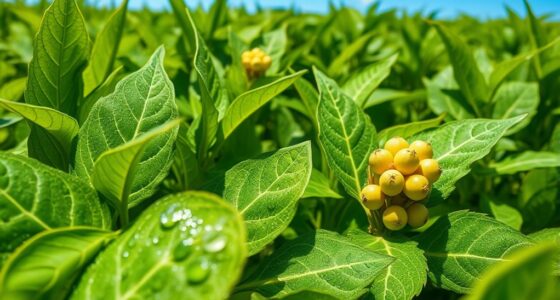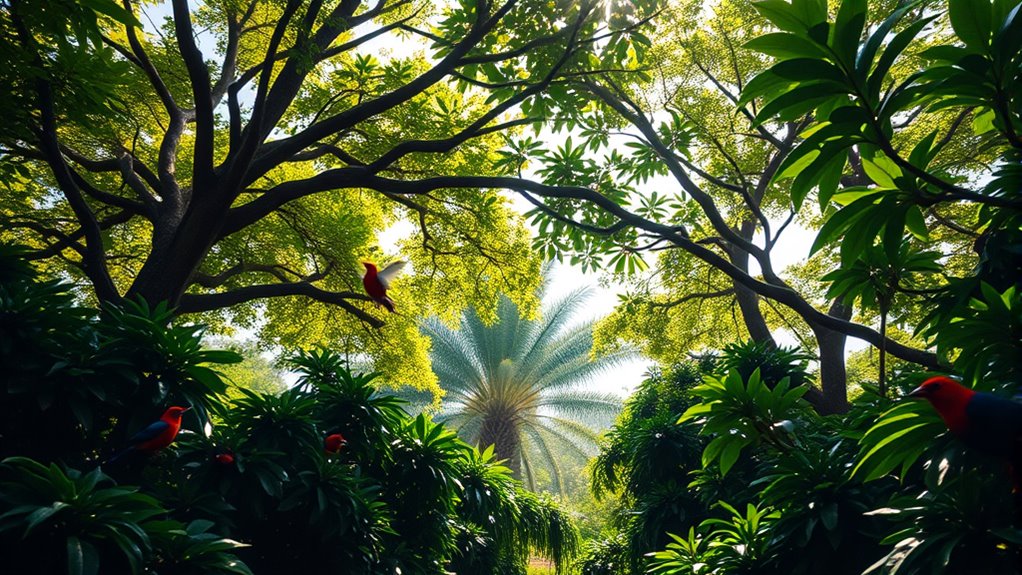

Shade-grown coffee is beneficial for biodiversity and bird habitats because it’s cultivated under native tree canopies instead of clearing land for sun exposure. This practice helps preserve birds, insects, and other wildlife by creating natural habitats, promoting pollination, and controlling pests. It also supports healthy ecosystems, soil health, and sustainable farming. If you want to learn how this method protects ecosystems and benefits wildlife, explore further to uncover more about how it works.

Get coffee and tea gear delivered free — and shop member deals
- Fast, free delivery on millions of items
- Access to Prime Big Deal Days deals on October 6–7
- Prime Video, Amazon Music and more included
Key Takeaways
- Shade-grown coffee preserves native habitats, supporting biodiversity and populations of migratory birds and endemic species.
- It creates a stable microclimate that benefits coffee plant health and reduces pest issues naturally.
- Shade trees provide essential habitats for wildlife, promoting ecological resilience and natural pest control.
- Organic leaf litter from shade trees improves soil health, reduces erosion, and decreases reliance on chemical fertilizers.
- Choosing shade-grown coffee helps conserve biodiversity, protect ecosystems, and promote sustainable farming practices.
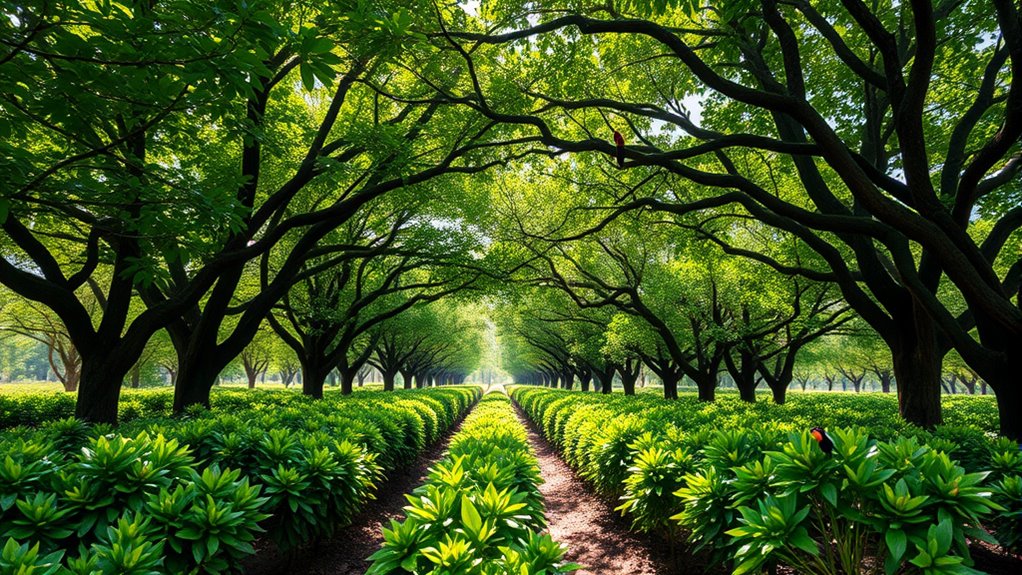
Have you ever wondered how coffee can be grown more sustainably? One effective way is through shade-grown coffee, which involves cultivating coffee plants under a canopy of native trees rather than clearing land for sun exposure. This method directly impacts the health of coffee plantations by maintaining the ecological balance that naturally exists in coffee-growing regions. When you choose shade-grown coffee, you support farming practices that preserve the surrounding environment, helping to sustain biodiversity and reduce the need for chemical inputs. These plantations mimic the natural forest environment, providing a habitat for numerous species and protecting the delicate balance that keeps ecosystems thriving.
On a typical coffee plantation, planting coffee under shade trees creates a more stable microclimate. This reduces temperature extremes and conserves soil moisture, making the environment more resilient against droughts and heavy rains. As a result, farmers often see healthier coffee plants and better yields over time. The shade trees also act as natural pest controllers, reducing the reliance on chemical pesticides that can harm wildlife and pollute nearby water sources. By maintaining the ecological balance, shade-grown coffee helps foster a more sustainable agricultural system that benefits both farmers and the environment.
Planting coffee under shade trees stabilizes microclimates, promotes plant health, and supports sustainable farming practices.
When you opt for shade-grown coffee, you’re helping to protect essential wildlife habitats. These shaded plantations are home to a wide array of birds, insects, and other animals that depend on the forest canopy for food and shelter. Many bird species, including migratory songbirds and endemic forest dwellers, thrive in these environments. They play essential roles in controlling pests and pollinating plants, which further supports a healthy ecosystem. Biodiversity is vital to the resilience of these environments, and shade-grown coffee significantly contributes to its preservation. In contrast, sun-grown coffee often involves clear-cutting forests, leading to habitat loss and decreased biodiversity. By supporting shade-grown options, you contribute to conserving these species and maintaining ecological integrity in coffee-producing regions.
Furthermore, shade-grown coffee can improve soil health. The leaf litter from shade trees enriches the soil with organic matter, reducing erosion and enhancing nutrient cycling. This natural process lessens the need for synthetic fertilizers, which can disrupt soil ecology and pollute nearby waterways. As a consumer, your choice of shade-grown coffee helps promote farming practices that work with nature rather than against it. Over time, this approach can lead to more sustainable coffee plantations, where ecological balance is upheld and the land remains productive for future generations.
shade-grown organic coffee beans
As an affiliate, we earn on qualifying purchases.
As an affiliate, we earn on qualifying purchases.
Frequently Asked Questions
How Does Shade-Grown Coffee Impact Local Climate Regulation?
Shade-grown coffee helps regulate your local climate by promoting microclimate moderation, keeping temperatures more stable and reducing heat extremes. It also boosts carbon sequestration, absorbing CO2 from the atmosphere and mitigating climate change. By maintaining a canopy of trees, you support healthier ecosystems that balance humidity and temperature, ultimately protecting your environment. This sustainable practice benefits both your community and the planet, creating a more resilient and balanced climate around your coffee farms.
What Are the Economic Benefits for Farmers Cultivating Shade-Grown Coffee?
By growing shade-grown coffee, you can earn higher market premiums because consumers value its environmental benefits. For example, a coffee farmer who diversifies with shade trees attracts eco-conscious buyers, boosting income. This diversification strategy reduces risks from market fluctuations and climate impacts. You benefit from sustainable farming practices that not only protect biodiversity but also improve your financial stability through premium prices and resilient crop yields.
Can Shade-Grown Coffee Be Organic or Certified Sustainable?
Yes, you can have shade-grown coffee that’s organic or certified sustainable. Certification processes guarantee your coffee meets strict standards for organic practices, avoiding synthetic chemicals and promoting biodiversity. By choosing certified organic or sustainable shade-grown coffee, you support environmentally friendly farming methods, conserve wildlife, and improve soil health. These certifications help you verify that your coffee aligns with eco-conscious values, making your purchase more meaningful and environmentally responsible.
How Does Shade-Grown Coffee Affect Soil Health Over Time?
You might think shade-grown coffee harms soil health, but it actually improves it over time. The trees provide organic matter, boost soil nutrients, and prevent erosion. By maintaining a diverse canopy, you help stabilize the soil, reduce runoff, and promote nutrient cycling. This natural approach keeps the soil healthy longer, supporting coffee plants and surrounding ecosystems without needing chemical fertilizers or intensive practices.
What Are the Main Challenges in Promoting Shade-Grown Coffee Globally?
You face challenges promoting shade-grown coffee globally, mainly due to limited market access and low consumer awareness. Farmers often lack resources or connections to access premium markets that value eco-friendly practices. Meanwhile, many consumers remain unaware of the environmental benefits, reducing demand. To overcome these hurdles, you need to boost consumer education and create fair trade networks, encouraging more farmers to adopt shade-grown methods for biodiversity and sustainability.
Conclusion
By choosing shade-grown coffee, you support biodiversity and create a habitat that benefits birds and other wildlife. Some might argue it costs more or isn’t as convenient, but the ecological benefits outweigh those concerns. Your choice helps preserve ecosystems, ensuring future generations can enjoy vibrant biodiversity. So, next time you brew, remember that your simple act can make a meaningful difference—protecting nature while savoring a delicious, bird-friendly cup.
Halloween Picks
halloween
As an affiliate, we earn on qualifying purchases.