
TL;DR
A study of 977,282 UK adults found that people who preferred very hot coffee or tea had 3.17 times the relative risk of esophageal squamous cell carcinoma as people who preferred warm drinks. The observational study found an association, not proof that hot beverages cause cancer; it found no significant link between drink temperature and esophageal adenocarcinoma.
A study tracking 977,282 adults in the United Kingdom found that people who preferred coffee or tea very hot had 3.17 times the relative risk of esophageal squamous cell carcinoma (ESCC) compared with people who preferred warm drinks. Published September 8 in the International Journal of Cancer, the observational research links beverage temperature preferences to one type of esophageal cancer but does not establish that hot drinks cause it.

Get coffee and tea gear delivered free with Prime
- Fast, free delivery on millions of items
- Prime Video, Amazon Music and more included
- Member-only deals all year
Led by Keren Papier of the University of Oxford, researchers analyzed health records and reported drinking habits from participants in the UK Biobank and the Million Women Study. Over average follow-up periods of 11.1 years and 14.2 years, respectively, the researchers identified 2,348 esophageal cancer cases: 1,045 ESCC cases and 1,303 cases of esophageal adenocarcinoma.
Participants described their usual preference as warm, hot or very hot and reported how many cups of coffee and tea they typically drank per day. Compared with those preferring warm drinks, participants who preferred hot drinks had a 69% higher relative risk of ESCC; those preferring very hot drinks had a 3.17-fold relative risk. These are relative-risk comparisons, not estimates of an individual’s absolute chance of developing cancer.
Consumption level also showed an association: after accounting for preferred temperature, people who drank six or more cups of hot beverages daily had a 71% higher relative risk of ESCC than those drinking fewer than six. The reported associations were similar among people who primarily drank coffee and those who primarily drank tea. Beverage temperature was not significantly associated with esophageal adenocarcinoma, a separate major form of the disease.
Heat and ESCC Risk Findings
The findings may matter to people who regularly drink coffee or tea at high temperatures because they point to heat exposure as a possible risk factor for ESCC. The similar pattern for coffee and tea is consistent with heat, rather than a substance unique to one drink, potentially being relevant. However, this study cannot show that changing drink temperature would prevent cancer, and it does not provide an individual’s absolute risk.
The distinction between cancer types also matters: the association was reported for ESCC, not adenocarcinoma. The study’s results add evidence to a research area with prior findings from other regions, while leaving questions about causation and the precise temperatures involved unresolved.
Products Worth Considering

De'Longhi Stilosa Compact Manual Espresso Machine with Milk Frother
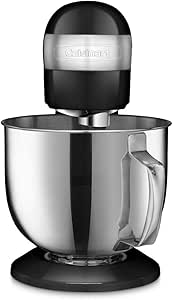
Cuisinart SM-50BK Stand Mixer, 5.5 Quart, 12 Speed, Onyx

Breville Bambino Espresso Machine, Brushed Stainless Steel (BES450BSS)
As an affiliate, we earn on qualifying purchases.
Earlier Research on Hot Drinks
The study builds on prior UK research involving about 455,000 UK Biobank participants that reported a similar association. Studies in South America, Asia and Africa have also found elevated esophageal cancer risks associated with extremely hot beverages, particularly tea and maté. The new analysis examined habits described as more typical of Western populations.
In 2016, the World Health Organization’s International Agency for Research on Cancer classified beverages consumed above 149°F (65°C) as “probably carcinogenic to humans.” Separately, the agency classified coffee drinking as “not classifiable” as to its carcinogenicity to humans. These classifications concern different evidence categories; the study’s self-reported “very hot” preference does not establish that participants drank beverages above 65°C.
Limits of the Temperature Evidence
The research was observational, so it cannot establish that hot beverages caused the cancers. Participants reported their preferences rather than having drink temperatures measured directly, and those preferences were assessed at a single point in time. The study therefore does not show the actual temperatures consumed over the full follow-up period or whether participants later changed their habits.
Researchers adjusted for factors including smoking and alcohol consumption, established esophageal cancer risks, but the supplied report does not specify all possible confounding factors or provide absolute-risk figures. It is also unclear from the reported findings what temperature range participants meant by “hot” or “very hot,” or how much risk might change if someone lets a drink cool. The reported association should not be treated as a diagnosis or a personalized risk estimate.
Further Study of Drink Temperature
The report identifies no announced follow-up study or next publication date. Further research could measure beverage temperatures directly and repeatedly, track changes in drinking habits, and examine whether the association persists after accounting for other risk factors. For now, the confirmed development is a large observational analysis reporting a temperature-related association with ESCC; whether heat itself causes the higher risk remains unresolved.
Key Questions
Which cancer type was associated with hotter drinks?
The study reported higher relative risk of esophageal squamous cell carcinoma (ESCC) among people who preferred hotter beverages. It found no significant association between preferred temperature and esophageal adenocarcinoma.
How much higher was the reported risk?
Compared with people who preferred warm drinks, those who preferred very hot drinks had 3.17 times the relative risk of ESCC; those preferring hot drinks had a 69% higher relative risk. These comparisons do not give the absolute probability of an individual developing cancer.
Does the study prove that hot coffee or tea causes cancer?
No. It was an observational study, which can identify an association but cannot establish cause and effect. Drink temperatures were self-reported rather than directly measured.
Did coffee and tea show different associations?
The reported associations were similar for people who primarily drank coffee and those who primarily drank tea. The study did not establish that either beverage itself caused cancer.
Source: dailycoffeenews.com