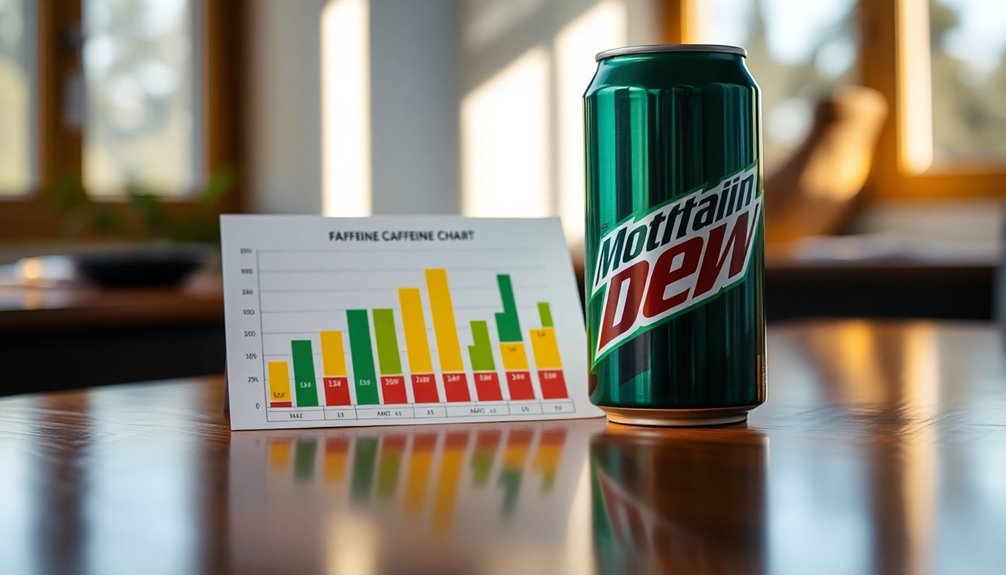

To time caffeine for focus and better sleep, pay attention to your body’s signals and your natural energy dips, like mid-morning or early afternoon. Consume caffeine at least 3-5 hours before bedtime, considering your personal half-life, which varies from 3 to 5 hours. Spread your intake earlier in the day for sustained alertness without disrupting sleep. If you notice jitters or difficulty sleeping, adjusting your schedule can help—learn more to optimize your routine effectively.

Get coffee and tea gear delivered free — and shop member deals
- Fast, free delivery on millions of items
- Access to Prime Big Deal Days deals on October 6–7
- Prime Video, Amazon Music and more included
Key Takeaways
- Consume caffeine during natural energy dips, avoiding late-afternoon or evening intake to prevent sleep disruption.
- Track your caffeine’s effects to determine your personal alertness duration and optimize timing accordingly.
- Spread out caffeine consumption earlier in the day, especially if you have a delayed sleep schedule.
- Adjust caffeine intake based on individual metabolism, age, and lifestyle factors for better focus and sleep quality.
- Listen to your body’s signals, such as jitters or sleep issues, and modify timing or reduce intake as needed.

Caffeine is a powerful tool for boosting your focus, but if you don’t time it right, it can also disrupt your sleep. Understanding your caffeine metabolism is key to figuring out the best moments to consume it. Everyone processes caffeine at different speeds, so paying attention to how long it takes your body to clear it from your system helps you determine the most effective timing. If your metabolism is quick, caffeine might leave your system faster, meaning you can have it later in the day without affecting sleep. Conversely, if your metabolism is slower, you’ll want to consume caffeine earlier to avoid staying awake at night.
Timing caffeine wisely helps boost focus without harming your sleep. Know your metabolism for best results.
Timing your caffeine intake effectively hinges on knowing when your body metabolizes it most efficiently. Typically, caffeine has a half-life of about 3 to 5 hours, but this varies between individuals. By tracking how long you feel energized after drinking coffee or tea, you can develop a personalized schedule that maximizes alertness without interfering with rest. For example, if you notice that caffeine keeps you alert for about four hours, you might choose to have your last cup in the late morning or early afternoon.
The goal is to consume caffeine during your natural periods of low energy, such as mid-morning or early afternoon, rather than close to bedtime. This way, you harness its focus-boosting effects when you need them most but give your body enough time to metabolize it before you try to sleep. If you’re a late riser or tend to work late into the evening, adjusting your caffeine intake accordingly becomes even more important. Remember, even small differences in timing can considerably impact your sleep quality and overall restfulness.
Additionally, consider your daily caffeine consumption habits. If you regularly drink multiple cups, spreading them out earlier in the day can help prevent a buildup of caffeine in your system during the evening. Keep in mind that factors like age, liver health, and genetics influence caffeine metabolism, so listen to your body’s signals. If you find yourself feeling anxious, jittery, or having trouble sleeping, it’s a sign you might need to cut back or adjust your timing.
As an affiliate, we earn on qualifying purchases.
Frequently Asked Questions
Can Caffeine Consumption Affect Sleep Quality Even if Timed Correctly?
Yes, caffeine consumption can affect your sleep quality even if timed correctly. Your caffeine metabolism varies, so some people process it more slowly, leading to longer-lasting effects. This can cause sleep disruption despite careful timing. Even small amounts late in the day may interfere with your rest, especially if your metabolism is slow. To avoid sleep issues, consider your individual caffeine metabolism and give yourself enough time before bedtime.
How Does Individual Caffeine Sensitivity Influence Optimal Timing?
You know what they say, “Know thyself,” and that’s especially true for caffeine sensitivity. Your genetic differences and metabolic rates influence how quickly your body processes caffeine, affecting the best timing for you. If you’re more sensitive, you might need to limit intake earlier in the day to avoid sleep disruptions. Understanding your unique response helps you optimize focus without sacrificing restful sleep.
Are There Specific Times of Day When Caffeine Should Absolutely Be Avoided?
You should avoid caffeine in the late afternoon and evening because it can interfere with your sleep, especially considering your caffeine metabolism slows down later in the day. Consuming caffeine too late hampers your ability to unwind and reduces morning productivity the next day. To optimize focus and restful sleep, aim to drink caffeine before noon, giving your body enough time to process it and maintain a healthy sleep schedule.
Does Caffeine Impact REM Sleep Differently Than Other Sleep Stages?
Caffeine can considerably affect REM sleep, with studies showing it may reduce REM duration by up to 20%. This makes REM disruption common, especially if you consume caffeine later in the day. Caffeine also interferes with your sleep cycle, leading to fragmented, less restful sleep. To protect your REM sleep, avoid caffeine at least six hours before bed, helping maintain healthy sleep architecture and better overall rest.
How Long Before Bed Should I Stop Drinking Caffeine?
You should stop drinking caffeine about 6 hours before bed to minimize sleep disruption. Caffeine metabolism varies, but it generally takes 3 to 7 hours for your body to process half of it. Consuming caffeine later can interfere with your sleep cycles, especially REM sleep. By cutting off caffeine early, you give your body time to clear it, helping you fall asleep faster and enjoy more restorative sleep.
Conclusion
By timing your caffeine intake wisely, you’re steering your ship through calm waters instead of stormy seas. When you savor that boost just right—early enough to power your day and avoid the midnight tide—you’ll find your focus sharp as a lighthouse beam, guiding you safely through tasks. Remember, caffeine is your loyal compass, but only if you read the map well. Use it wisely, and watch your days unfold like a perfectly choreographed dance.
Fall Picks
fall essentials
As an affiliate, we earn on qualifying purchases.