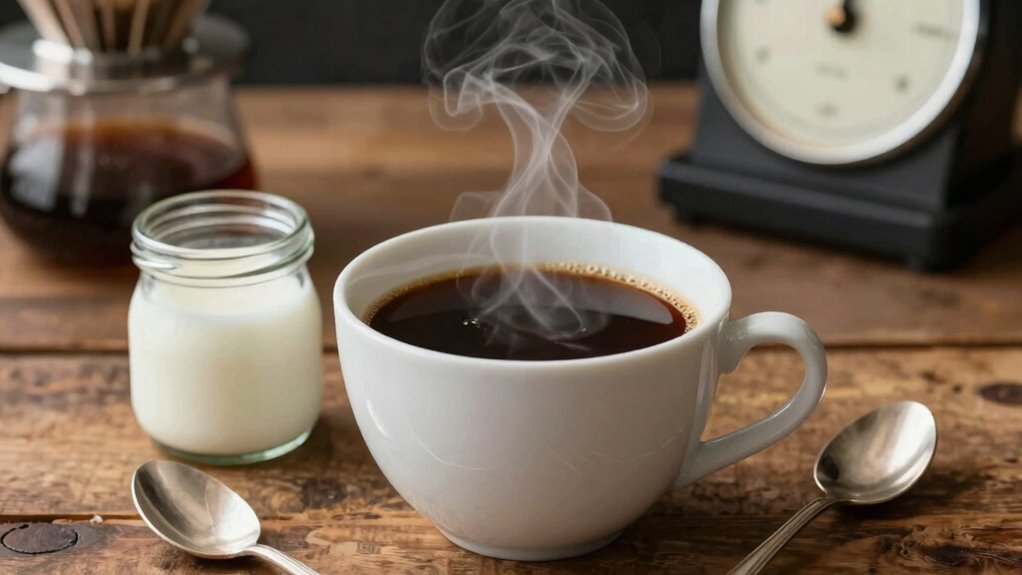

When considering low-acid coffee, focus on its true qualities rather than marketing buzzwords. It offers a smoother, milder taste with flavors like chocolate, nutty, or earthy notes, often influenced by the origin and processing methods. Brewing techniques like cold brew or French press naturally reduce acidity. Pay attention to bean origin and methods used, so you can choose options that fit your taste and digestion needs. If you keep exploring, you’ll discover how to craft it perfectly for you.

Get coffee and tea gear delivered free with Prime
- Fast, free delivery on millions of items
- Prime Video, Amazon Music and more included
- Member-only deals all year
Key Takeaways
- Focus on actual brewing methods and bean origins that naturally produce low-acid coffee, rather than marketing claims.
- Understand that low-acid coffee offers specific flavor profiles like chocolate or nutty notes, not just health benefits.
- Cold brewing and certain processing techniques reliably reduce acidity, making them practical choices.
- Recognize that acidity levels are influenced by bean origin, processing, and brewing method, not marketing buzzwords.
- Prioritize scientific or practical information over promotional language to make informed coffee choices.

If you’ve ever experienced stomach discomfort after drinking coffee, you might wonder if low-acid options could be a better choice. The idea of low-acid coffee often brings to mind health concerns or gentle flavors, but it’s important to understand what it really means. Low-acid coffee doesn’t just taste milder; it also involves specific brewing techniques and a particular flavor profile that sets it apart from regular brews. The key is to look beyond marketing buzzwords and focus on what makes low-acid coffee different and how it can suit your taste and digestion needs.
When considering low-acid coffee, the flavor profile plays a significant role. Unlike high-acid coffees, which tend to have bright, tangy, and sometimes fruity notes, low-acid coffees often have a smoother, rounder taste. They may feature chocolatey, nutty, or earthy flavors that appeal to those looking for a more subdued and comforting cup. These flavor characteristics are closely linked to the type of beans used, their origin, and how they’re processed. For example, beans from regions like Brazil or Sumatra naturally tend to have lower acidity, making them popular choices for low-acid coffee. Understanding these flavor nuances helps you pick a coffee that aligns with your preferences, whether you’re after a rich, mellow experience or something more lively but gentle on your stomach. Additionally, the type of processing method, such as wet or dry processing, can influence the acidity level of the final product.
Brewing techniques are equally crucial when it comes to making low-acid coffee. You can’t just choose the right beans; how you prepare them matters. Methods like cold brew, pour-over, or French press tend to produce coffee with lower acidity compared to traditional drip brewing. Cold brewing, in particular, involves steeping coffee grounds in cold water for an extended period, which results in a naturally smoother and less acidic drink. Using a coarser grind and longer extraction times helps minimize acidity, making it gentler on your digestive system. Similarly, brewing at lower temperatures or adjusting your grind size can also influence the final flavor profile, emphasizing the mellow, rich notes typical of low-acid coffee. Understanding the acidity levels of different brewing methods can help you craft a cup that best supports your health and flavor preferences.
As an affiliate, we earn on qualifying purchases.
Frequently Asked Questions
Does Low-Acid Coffee Taste Different From Regular Coffee?
Low-acid coffee often has a smoother, milder flavor profile compared to regular coffee. You might notice less brightness and a softer, more rounded taste. The flavor can also depend on the coffee origin; for example, Latin American beans tend to be brighter, while Indonesian beans offer richer, earthier notes. Overall, low-acid coffee provides a different experience, especially if you prefer a gentler, less tangy cup.
Can Low-Acid Coffee Be Brewed With Any Method?
Yes, you can brew low-acid coffee with any method, but some techniques enhance its flavor profiles better. Brewing techniques like pour-over, French press, or AeroPress often bring out smoother, less acidic notes. Experimenting with brewing time and water temperature can also help you optimize flavor. Since low-acid coffees tend to have milder, softer flavors, choose methods that preserve these qualities, allowing you to enjoy a balanced, enjoyable cup.
Is Low-Acid Coffee Suitable for Cold Brew?
Picture yourself in a vintage coffeehouse, pondering your next brew — low-acid coffee is perfect for cold brew. Its smooth flavor profile adds a gentle, less tangy touch to your chilled drink. With the right brewing techniques, like longer steeping, you’ll extract its subtle flavors without bitterness. So yes, low-acid coffee suits cold brew, giving you a revitalizing, mellow beverage that’s easy on your stomach.
Are There Health Benefits Associated With Low-Acid Coffee?
You’ll find that low-acid coffee may offer health benefits, especially if you’re sensitive to acidic foods. It can reduce gastrointestinal effects like heartburn or acid reflux, making it gentler on your stomach. While research is ongoing, many people report fewer digestive issues with low-acid options. So, if you’re looking for a coffee that’s easier on your gut and has positive health implications, low-acid coffee might be a smart choice.
How Does Processing Affect the Acidity Level of Coffee?
Processing impact can dramatically change your coffee’s acidity level, almost like turning down a dial from fiery to mellow. Acid reduction techniques such as washed or Swiss Water processes remove acids more effectively, making the coffee gentler on your stomach. If you want low-acid coffee, look for beans processed using these methods. Your taste buds and stomach will thank you for choosing coffee with well-controlled acidity.
Conclusion
Thinking about low-acid coffee is like tuning a musical instrument—you find the right pitch that suits your taste. Don’t get caught up in marketing noise; instead, focus on what your palate prefers. Experiment with different brews and brewing methods to discover your perfect harmony. Remember, the beauty of coffee is in its variety, so embrace the journey of finding what brings you comfort and joy—your ideal cup is waiting to be uncovered.
Fall Picks
fall essentials
As an affiliate, we earn on qualifying purchases.