Coffee contains caffeine, a natural stimulant that boosts your workout performance by increasing alertness and reducing fatigue. It enhances muscle activation, recruits more muscle fibers, and lowers perceived effort, helping you push harder and longer. Consuming coffee 30-60 minutes before exercise guarantees you benefit from its effects. However, moderation is key to avoid jitters or sleep issues. Want to discover how to maximize its benefits safely? Keep exploring for more insights.
Key Takeaways
- Caffeine from coffee boosts alertness, reduces fatigue, and delays exhaustion, enhancing overall exercise stamina and endurance.
- Drinking coffee 30-60 minutes before workouts optimizes caffeine absorption for improved strength and power.
- Coffee increases muscle fiber recruitment and neural activation, leading to higher force output during exercise.
- Moderate caffeine intake from coffee improves perceived effort, allowing for higher intensity training sessions.
- Excessive consumption may cause side effects like jitters or sleep disturbances, so moderation is essential for safe performance enhancement.
How Caffeine Enhances Physical Endurance

Caffeine boosts physical endurance by directly affecting your central nervous system, making you feel more alert and less fatigued during exercise. When you consume caffeine, it’s rapidly absorbed through caffeine metabolism, allowing it to reach your bloodstream quickly. This process helps improve your stamina by reducing the perception of effort and delaying exhaustion. Additionally, caffeine can influence performance tuning by enhancing muscle response and energy utilization, which can further support your workout. Moreover, caffeine’s ability to affect hydration by acting as a mild diuretic underscores the importance of maintaining proper fluid intake during training sessions. Staying well-hydrated ensures that caffeine’s benefits don’t come at the expense of dehydration during workouts. Understanding how caffeine interacts with your body’s hydration and metabolism helps you optimize its endurance-boosting effects while minimizing potential downsides. Recognizing the role of blood flow and cardiovascular health can also enhance the effectiveness of caffeine as an ergogenic aid. Furthermore, awareness of side effects such as jitteriness or increased heart rate can help tailor caffeine intake for individual performance goals.
The Impact of Coffee on Strength and Power Output
While caffeine is often associated with endurance, it also has a notable impact on strength and power output. When you consume coffee before lifting, it enhances neural activation, helping your muscles recruit more fibers efficiently. This boost in muscle fiber recruitment translates to greater force production. Here’s how caffeine influences your strength:
- Increases neural activation, improving your ability to generate force.
- Enhances muscle fiber recruitment, allowing more fibers to participate in a single effort.
- Reduces perceived exertion, enabling you to push harder.
- Improves overall muscle contractility, maximizing power output.
Optimal Timing and Dosage for Pre-Workout Coffee
Timing your coffee intake correctly can maximize its energizing effects during your workout. Usually, drinking it about 30 to 60 minutes before exercise works best. For dosage, sticking to 200–400 mg of caffeine helps boost performance without causing jitters or crashes.
Ideal Caffeine Timing
To maximize the benefits of coffee as a pre-workout boost, it’s essential to consume it at the right moment before your exercise session. Timing influences caffeine metabolism and helps avoid sleep disruption. Ideally, drink coffee about 30 to 60 minutes before your workout to align peak caffeine levels with your activity. Consider these tips:
- Consume caffeine early enough to prevent interference with sleep.
- Adjust timing based on your caffeine metabolism speed.
- Avoid drinking coffee too close to bedtime to prevent sleep disruption.
- Monitor how your body responds to different timings to optimize energy levels.
- Incorporating mindful caffeine intake can also support focus and concentration during your workout.
Effective Dosage Range
A typical effective dose of coffee for a pre-workout boost ranges from about 150 to 300 milligrams of caffeine. Your ideal amount depends on your caffeine tolerance, which varies individually. If you’re sensitive, start at the lower end, around 150 milligrams, and gradually increase if needed. To maximize absorption, contemplate your brewing method; espresso and AeroPress tend to produce higher caffeine concentrations, while drip coffee offers a more moderate dose. Keep in mind that consuming too much caffeine can lead to jitters or increased heart rate, so avoid exceeding 300 milligrams. Timing your coffee intake about 30 to 60 minutes before exercise ensures optimal performance benefits. Adjust your dose based on how your body responds, and don’t forget to consider your overall caffeine intake from other sources.
Potential Side Effects and Risks of Caffeine Consumption
While caffeine can boost your workout performance, consuming too much or if you’re sensitive to it can lead to unwanted side effects. These include adverse health issues and dependency risks. Be aware of potential problems like:
- Insomnia or disrupted sleep patterns
- Increased heart rate and anxiety
- Jitters or gastrointestinal discomfort
- Dependence, making it hard to function without caffeine
Excessive intake may also cause withdrawal symptoms like headaches and fatigue. If you rely heavily on caffeine, you risk developing dependency risks, which can affect your overall health. Moderation is key—pay attention to your body’s signals and avoid overdoing it to stay safe and maintain the benefits of caffeine without the downsides. Additionally, understanding the natural environments where caffeine consumption occurs can help you make more mindful choices about your intake. Recognizing the importance of caffeine sources such as coffee, tea, or energy drinks can help you better manage your consumption levels. Being aware of individual sensitivity to caffeine can guide you in adjusting your intake to prevent negative reactions. Awareness of AI vulnerabilities and the potential for bias can also inform more cautious consumption of AI-driven health advice.
Comparing Coffee to Other Pre-Workout Supplements
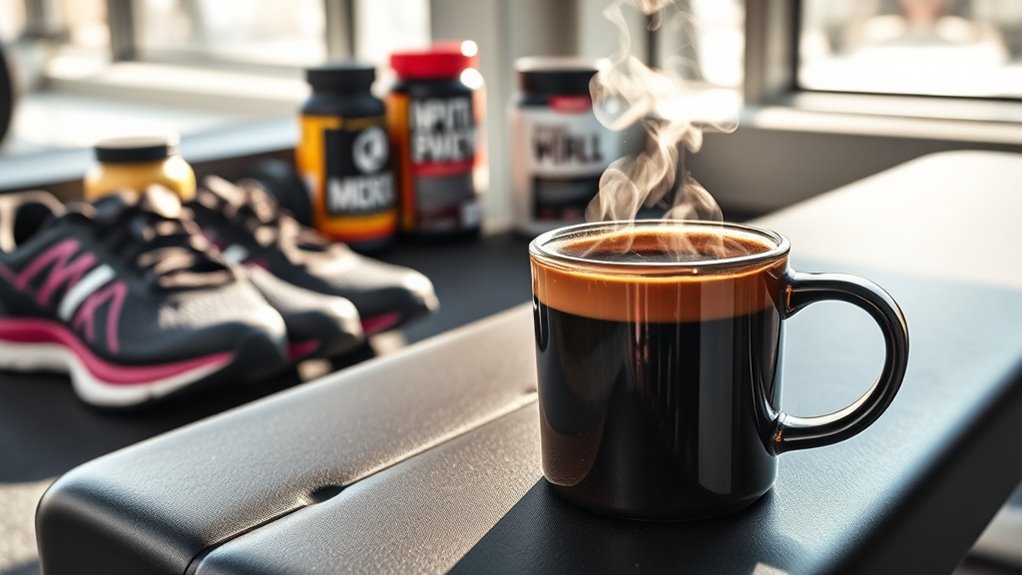
When comparing coffee to other pre-workout supplements, the caffeine content and its sources matter. Coffee offers a natural caffeine boost, while some supplements use synthetic ingredients, which can vary in effectiveness and safety. Understanding these differences helps you choose the best option for your workout needs.
Caffeine Content Differences
Caffeine content varies widely between coffee and other pre-workout supplements, making it important to understand how these differences can impact your workout. Depending on the source, caffeine levels can range from low to very high, affecting your energy and alertness. Here’s what you should consider:
- Coffee typically contains 70-140 mg of caffeine per cup, but this can fluctuate due to roasting and brewing methods.
- Some pre-workout supplements pack 200 mg or more per serving, providing a more potent caffeine boost.
- Caffeine metabolism varies among individuals, influencing how quickly your body processes it and how long effects last.
- Decaffeination processes remove most caffeine but can also alter other compounds, affecting overall stimulant impact.
Understanding these differences helps you choose the right supplement for your goals and tolerance.
Natural vs. Synthetic Sources
Understanding the differences between natural and synthetic sources of caffeine can help you make informed choices about your pre-workout routine. Natural sources, like coffee, provide caffeine alongside antioxidants and other beneficial compounds, which may enhance overall health. Synthetic options, such as caffeine pills or powders, deliver pure caffeine without additional nutrients. While both can boost your alertness and performance, natural sources often offer a more balanced effect due to accompanying phytochemicals. Consider the table below to compare these options:
| Aspect | Natural Sources | Synthetic Options |
|---|---|---|
| Composition | Caffeine + antioxidants | Pure caffeine |
| Absorption Rate | Slightly slower | Faster absorption |
| Additional Benefits | Nutrients and phytochemicals | No extra nutrients |
| Variability | Natural variability in strength | Consistent dosage |
| Health Considerations | Potentially fewer side effects | Risk of overconsumption |
Additionally, understanding the absorption rate of caffeine can influence how effectively it boosts your workout performance. Being aware of personal tolerance levels can also help prevent adverse effects such as jitters or crashes.
Effectiveness and Safety
Coffee can be an effective pre-workout boost, often rivaling specialized supplements designed to enhance athletic performance. Its effectiveness depends on your caffeine tolerance and how your body responds over time. To compare:
- Coffee provides a natural caffeine source, offering a steadier energy lift than synthetic options.
- Unlike some supplements, it’s generally safe when consumed in moderation, but long-term effects of high intake can include increased heart rate or sleep issues.
- Caffeine tolerance varies; regular use might reduce its stimulatory impact, requiring larger doses for the same effect.
- Coffee’s safety profile makes it accessible, yet excessive consumption may lead to dependence or adverse health effects over time. Always consider your individual response before relying solely on coffee.
Tips for Safely Incorporating Coffee Into Your Fitness Routine
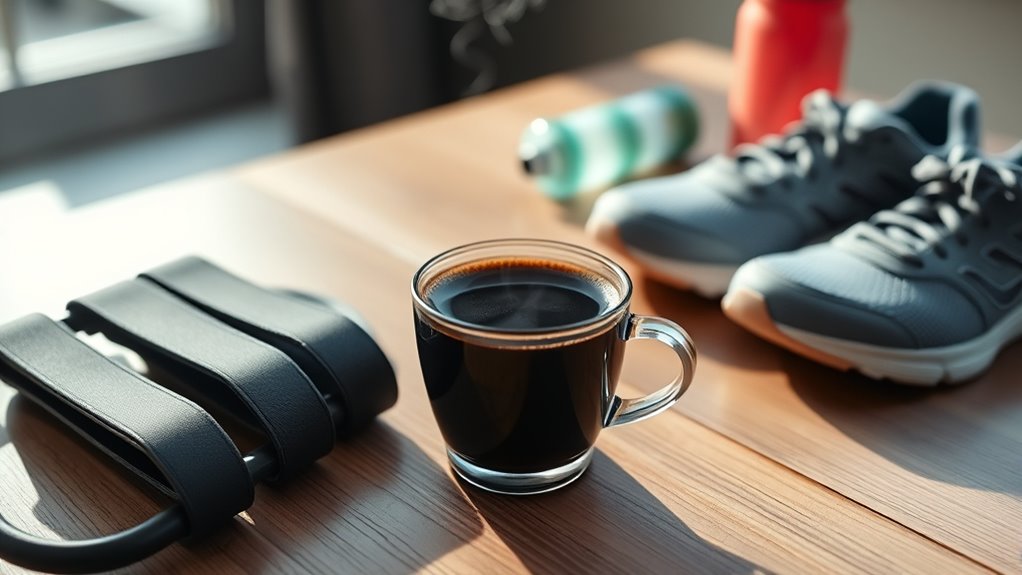
To safely incorporate coffee into your fitness routine, start by timing your intake carefully. Consuming caffeine about 30 to 60 minutes before exercise can boost performance without causing jitters or crashes. Be mindful of your hydration strategies—caffeine can have a diuretic effect, so drink water alongside your coffee to stay properly hydrated. Prioritize sleep hygiene by avoiding coffee late in the day, as poor sleep can amplify caffeine’s negative effects and hinder recovery. Listen to your body’s response; if you notice increased heart rate or anxiety, reduce your intake. Remember, moderation is key. Combining these tips ensures you enjoy coffee’s benefits while maintaining safety and supporting your overall fitness goals. Incorporating trust issues strategies can also help you better understand your body’s responses and optimize your workout routines.
Frequently Asked Questions
How Does Caffeine Influence Mental Focus During Workouts?
You’ll notice caffeine boosts your mental alertness and sharpens your concentration during workouts. It stimulates your central nervous system, making it easier to stay focused on your exercises and push through fatigue. As a result, your mental clarity improves, helping you maintain better form and motivation. Caffeine’s ability to enhance concentration means you can stay engaged and perform at your best, even when physical fatigue starts to set in.
Can Coffee Consumption Improve Recovery After Exercise?
You might wonder if coffee helps recovery after exercise. Caffeine can aid muscle repair by reducing inflammation, which speeds up recovery. It also helps decrease soreness and fatigue, allowing you to get back to training sooner. Just be mindful not to overconsume, as too much caffeine can interfere with sleep and overall recovery. Moderation is key to maximizing coffee’s benefits for post-workout recovery.
Are There Specific Coffee Types Better for Pre-Workout Use?
Think of choosing coffee varieties and brewing methods like selecting the perfect playlist for your workout—each option can energize differently. For pre-workout, light roasts with higher caffeine content, like Espresso or Robusta, are effective. Pour-over brewing preserves flavor and caffeine, while French press offers a richer taste. Experiment to find what boosts your energy best, just as you’d pick music that gets you moving.
How Does Caffeine Affect Hydration Levels During Exercise?
Caffeine can impact your hydration balance during exercise by acting as a mild diuretic, which may increase fluid loss. However, moderate caffeine intake usually doesn’t cause significant dehydration or fluid retention issues for most people. You should stay mindful of how caffeine affects you personally, and make sure to drink enough water to maintain proper hydration, especially during prolonged or intense workouts.
What Are the Long-Term Effects of Regular Coffee Pre-Workout Use?
Ever wonder about the long-term effects of regularly using coffee pre-workout? Over time, you might develop dependency risks, making it hard to perform without caffeine. While moderate intake can boost alertness, excessive use could impact your long-term health, leading to issues like sleep disturbances or increased heart rate. Staying mindful of your caffeine habits helps you enjoy the benefits without risking dependency or negative health consequences.
Conclusion
Now that you know how coffee can boost your workout, imagine what you could achieve with the right timing and dosage. But beware—too much caffeine might backfire. Are you ready to access your full potential safely? The secret lies in finding that perfect balance. Stay tuned and experiment wisely—you might just discover your new pre-workout ritual that takes your performance to the next level. The results could be closer than you think.