
Caffeine can boost your focus by blocking adenosine receptors and increasing neurotransmitters like dopamine, making you feel more alert. However, too much can cause jitters, anxiety, and restlessness, especially if you’re sensitive or consume it on an empty stomach. The effects depend on your tolerance, timing, and the amount you drink. If you want to enjoy coffee without the jitters, understanding how it affects you can help you find the right balance. Keep exploring to learn more.
Key Takeaways
- Caffeine blocks adenosine receptors, increasing alertness and focus, but can also cause jitters in sensitive individuals.
- Moderate caffeine boosts mental focus without significant anxiety, while high doses may trigger nervousness or restlessness.
- Individual tolerance and timing influence whether caffeine makes you jittery or focused.
- Consuming caffeine on an empty stomach or late in the day increases the risk of anxiety and sleep disruption.
- Recognizing physical and emotional signs helps manage intake to prevent jitteriness and maintain focus.
How Caffeine Interacts With Your Nervous System

Caffeine quickly affects your nervous system by blocking adenosine receptors, which normally promote relaxation and sleepiness. This blockage leads to increased neurotransmitter modulation, particularly boosting dopamine and norepinephrine levels, making you feel more alert. A more efficient nervous system response can result from this heightened activity, enhancing your overall alertness. The heightened activity signals your adrenal glands to produce adrenaline, triggering the adrenal response. As a result, your heart rate and blood pressure rise, and your energy surges. This cascade of effects explains why caffeine can sharpen focus and reduce fatigue temporarily. Additionally, high refresh rates in certain devices can influence how alert you feel after caffeine intake, especially during activities like gaming. Moreover, the body’s response to caffeine may vary depending on individual tolerance levels, which influences how strongly you experience these effects. Understanding this interaction helps clarify how caffeine influences your nervous system and overall alertness, especially when considering how individual differences impact caffeine’s effects.
The Psychological Effects of Coffee Consumption

While coffee can boost your alertness physically, its psychological effects often influence your mood and perception more subtly. When you regularly consume caffeine, you may develop caffeine tolerance, meaning you need more to achieve the same mental focus. This can lead to heightened dependence, affecting your emotional stability and overall outlook. On the positive side, moderate coffee intake often enhances your mental focus, helping you concentrate and stay alert during tasks. However, excessive consumption can cause irritability, anxiety, or feelings of being overwhelmed. Your perception of energy levels and mood can fluctuate depending on your caffeine habits. Recognizing how coffee influences your psychological state is key to enjoying its benefits without falling into dependence or experiencing negative emotional effects. Additionally, understanding the horsepower of electric dirt bikes can be useful for those interested in high-performance activities, much like how caffeine’s stimulating effects vary in intensity. Consumer preferences shifting towards local options also play a role in how individuals choose their coffee, influencing the psychological connection to community and identity.
Factors Influencing Coffee’s Impact on Anxiety
Several factors determine how coffee affects your anxiety levels, from your individual physiology to your consumption habits. For instance, decaffeinated benefits can help reduce anxiety for those sensitive to caffeine’s effects, allowing you to enjoy coffee’s flavor without the jitters. Additionally, the coffee aroma plays a role in shaping your emotional response; a comforting scent can promote relaxation, while a sharp or bitter aroma might heighten alertness or stress. Your personal tolerance, timing of consumption, and whether you drink coffee on an empty stomach also influence how anxious you feel afterward. Being mindful of these factors can help you enjoy coffee’s benefits without unwanted anxiety, tailoring your intake to suit your body’s unique responses and preferences. Brewing methods can also affect how caffeine impacts your mood and anxiety levels. Furthermore, understanding your caffeine sensitivity can guide how much and when you should enjoy your coffee to minimize negative effects. Recognizing your individual response to caffeine can help you make better choices about your coffee consumption. Additionally, hydration levels may influence how caffeine affects your nervous system, as being well-hydrated can mitigate some of caffeine’s stimulating effects. Incorporating knowledge of hackathons and remote collaboration can also inspire creative ways to explore personalized solutions for managing caffeine intake and anxiety.
Recognizing the Symptoms of Caffeine-Induced Jitters
You might notice physical signs like trembling hands or a rapid heartbeat after drinking coffee. Emotional responses such as feeling anxious or irritable can also signal caffeine’s effects. Recognizing these symptoms early helps you manage your intake and prevent discomfort. Being aware of how caffeine impacts sleep can also help you avoid further issues related to rest and relaxation. Additionally, understanding that glycolic acid benefits for skin can influence your skincare routine may help you make more informed choices. Furthermore, digital literacy can influence emotional responses and your ability to identify these symptoms accurately, which may help you distinguish between normal caffeine jitters and underlying psychological factors affecting your mood.
Physical Signs to Watch
Caffeine can trigger noticeable physical signs that indicate you’re experiencing jitteriness. If you’ve built up some caffeine tolerance, these symptoms might be subtle, but they still signal your body’s response. Recognizing these physical symptoms helps you avoid overdoing it and feeling overly anxious. Common signs include rapid heartbeat, trembling hands, restlessness, and sweating. You might also notice muscle tension or feeling unusually tense. These signals serve as your body’s way of telling you to cut back. Paying attention to these cues can help manage your intake and prevent uncomfortable or intense jitteriness. Remember, everyone’s sensitivity varies, so staying aware of your unique physical symptoms is key to enjoying caffeine without the unwanted side effects.
Emotional Responses and Feelings
When caffeine levels spike, emotional responses can become more intense and harder to control. You might notice sudden mood fluctuations, feeling anxious or irritable without warning. Your emotional resilience takes a hit, making it tough to stay calm under pressure. Recognizing these signs helps you manage your reactions better. Here’s a quick look:
| Symptoms of Caffeine-Induced Jitters | How to Cope |
|---|---|
| Rapid mood swings | Practice deep breathing |
| Increased irritability | Limit caffeine intake |
| Feelings of anxiety or panic | Stay hydrated and rest |
| Heightened emotional sensitivity | Develop relaxation techniques |
Being aware allows you to adjust your coffee habits to maintain emotional balance and avoid overwhelming mood fluctuations. Additionally, exploring crochet styles for locs can serve as a calming activity to help reduce stress and improve emotional well-being. Incorporating aquatic exercises into your routine can also promote relaxation and emotional stability by utilizing water’s soothing properties. Recognizing emotional responses linked to caffeine can help you make informed choices to support your mental health and understand how skincare routines influence overall well-being.
The Balance Between Alertness and Restlessness
Finding the right balance between alertness and restlessness can be challenging, especially when caffeine is involved. Your caffeine tolerance influences how much caffeine boosts your alertness without tipping into agitation. If you’re sensitive, small amounts might cause jitteriness, while others may need more to stay focused. To maintain equilibrium:
- Pay attention to how your body reacts to different doses
- Limit caffeine intake if you notice increased agitation
- Space out your coffee consumption throughout the day
- Combine caffeine with hydration and healthy snacks
- Remember that fatherhood, like managing caffeine intake, requires awareness and moderation to achieve the best results.
- Additionally, understanding AI vulnerabilities can help in developing safer consumption habits of stimulants like caffeine, as both require careful monitoring to prevent negative effects.
- Recognizing the importance of financial management can also aid in making mindful choices about caffeine consumption, such as budgeting for specialty coffees or avoiding impulsive purchases.
- Being aware of industry trends in coffee production and marketing can help consumers make more informed decisions about the quality and sourcing of their caffeine.
- Being mindful of small mistakes can help prevent overconsumption and its potential negative impacts on health.
Strategies for Enjoying Coffee Without Heightening Anxiety

To enjoy your coffee without increasing anxiety, it’s important to adopt mindful drinking habits. Embrace the coffee culture by savoring each sip slowly, rather than gulping quickly, which can spike your caffeine levels and trigger jitters. Be aware of your caffeine metabolism; some people process caffeine faster, reducing its anxiety-provoking effects. Consider limiting your intake to moderate amounts and avoiding coffee late in the day to prevent sleep disruptions that can worsen anxiety. Stay attuned to how your body reacts, and adjust your habits accordingly. Hydrate well, and pair coffee with balanced snacks to stabilize blood sugar levels. Incorporating calming techniques such as sound healing science practices can further promote relaxation during your coffee breaks, helping you enjoy the experience without the unwanted side effects of heightened anxiety.
Comparing Caffeine Sources and Their Effects
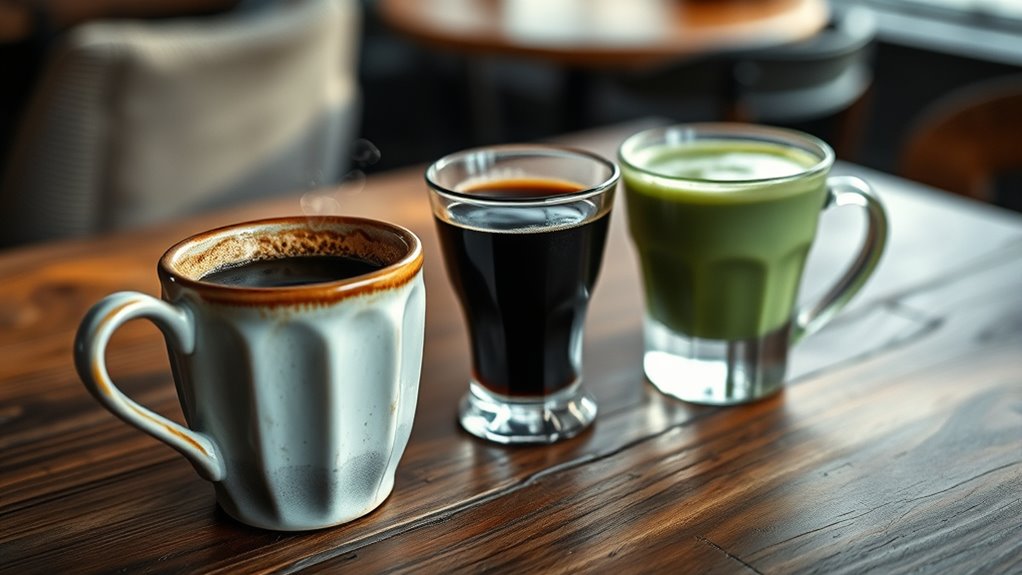
Different caffeine sources can have varying effects on your body’s response and anxiety levels. Coffee, tea, energy drinks, and supplements each deliver caffeine differently, impacting how alert or jittery you feel. For instance, regular coffee provides a quick caffeine boost, which can sometimes increase anxiety. In contrast, decaffeinated alternatives offer flavor without the jitters, ideal if you’re sensitive to caffeine. Herbal infusions like chamomile or peppermint contain no caffeine and promote relaxation. Consider these options:
- Coffee (high caffeine content)
- Tea (moderate caffeine, some calming varieties)
- Energy drinks (often high caffeine and sugar)
- Herbal infusions (caffeine-free, calming)
Choosing your source based on your anxiety levels can help you enjoy the benefits of caffeine without adverse effects.
When to Limit or Avoid Coffee for Mental Well-being

If you notice increased anxiety, trouble sleeping, or heart palpitations after drinking coffee, it’s time to cut back. These symptoms can signal that caffeine is affecting your mental well-being. Recognizing these signs helps you decide when to limit or avoid coffee altogether.
Anxiety Triggers
Caffeine can be a double-edged sword when it comes to mental well-being, especially if you’re prone to anxiety. If you notice increased jitters, racing thoughts, or feelings of unease after coffee, it may be time to limit your intake. Certain triggers can worsen anxiety symptoms, including:
- Experiencing caffeine withdrawal symptoms like irritability or fatigue
- Social anxiety, where caffeine heightens nervousness in social settings
- Consuming large amounts of caffeine regularly
- Using caffeine to mask underlying fatigue or stress
If you find yourself dependent on caffeine to manage fatigue or facing heightened anxiety during withdrawal periods, reducing intake can help. Paying attention to these triggers allows you to protect your mental health and avoid unnecessary stress.
Sleep Disruption
Consuming coffee late in the day can substantially disrupt your sleep, which in turn affects your mental well-being. Caffeine blocks adenosine receptors, making it harder to fall asleep and stay asleep, leading to fragmented sleep patterns. Poor sleep can decrease your overall rest quality and diminish your dream quality, leaving you feeling tired and less focused the next day. This sleep disruption can heighten anxiety and make it more challenging to manage stress. If you notice difficulty falling asleep or restless nights after your evening coffee, it’s a sign to cut back or avoid caffeine later in the day. Prioritizing good sleep hygiene helps support your mental health and keeps your anxiety levels balanced.
Heart Palpitations
Heart palpitations can be a sign that your body is reacting strongly to caffeine, especially when consumed in excess or later in the day. You might notice your heart racing or experience chest tightness, which can be unsettling. If these symptoms occur, it’s a clear signal to cut back or avoid coffee.
Consider limiting caffeine if you experience:
- Frequent heart racing or irregular heartbeat
- Persistent chest tightness or discomfort
- Dizziness or feeling faint
- Anxiety or panic sensations worsening after coffee
Reducing intake, especially in the afternoon or evening, can help prevent these reactions. If symptoms persist or worsen, consult a healthcare professional to rule out underlying issues. Your mental and physical well-being depend on listening to your body’s signals.
Frequently Asked Questions
Can Decaffeinated Coffee Still Affect Anxiety Levels?
Decaffeinated coffee can still impact your anxiety levels due to the decaffeinated effects present. Even without caffeine, some compounds like chlorogenic acids may influence your nervous system, potentially affecting anxiety. You might notice that decaffeinated coffee causes minimal jitters, but it could still trigger or alleviate anxiety symptoms depending on your sensitivity. So, it’s wise to monitor your reactions, as decaffeinated effects can vary individually.
How Does Coffee Consumption Differ Among Anxiety-Prone Individuals?
You might notice that your coffee consumption differs because of your caffeine sensitivity and anxiety triggers. When you’re more anxiety-prone, you tend to drink less or choose decaf to avoid jitters. You may also find that even small amounts of caffeine heighten your anxiety, prompting you to reduce intake. Recognizing your body’s response helps you manage consumption, ensuring coffee doesn’t worsen your anxiety symptoms but still provides your needed focus boost.
Are There Specific Types of Coffee That Reduce Jitteriness?
You might wonder if certain coffee types can reduce jitteriness. Studies suggest decaffeinated options are gentler, helping you enjoy coffee without the spike in anxiety. Additionally, coffee blends with lower caffeine content or those made from beans with naturally less caffeine can minimize jitters. Trying these options allows you to savor your coffee while staying calm, making your caffeine experience more focused and less jittery.
Does the Timing of Coffee Intake Influence Anxiety Symptoms?
Timing effects play a big role in how caffeine impacts your anxiety. If you drink coffee during stressful times or late in the day, it can act as an anxiety trigger, making you feel more jittery. To minimize this, try scheduling your coffee intake earlier and avoid consuming it when you’re already anxious. This way, you can enjoy the focus benefits without worsening your symptoms.
Can Alternative Beverages Provide Similar Alertness Without Increasing Anxiety?
You might wonder if alternative beverages can boost alertness without increasing anxiety. Herbal infusions like peppermint or chamomile can offer calming effects, while natural stimulants such as ginseng or yerba mate provide energy without the jitters. These options help maintain focus without the anxiety spikes caffeine sometimes causes. By choosing herbal infusions or natural stimulants, you can stay alert and calm, avoiding the jittery feelings linked to coffee.
Conclusion
Ultimately, your relationship with caffeine is a delicate dance. With the right balance, coffee can boost your focus without turning you into a jittery mess. Pay attention to how your body reacts—because ignoring those signals can transform your calm mornings into chaos rivaling a tornado. So sip smart, listen to your instincts, and enjoy your coffee journey without letting anxiety hijack your day. After all, you’re the captain of your caffeinated ship!