
Specialty coffee is the highest quality beans, carefully evaluated based on flavor, origin, and processing methods. It stands out because of its exceptional characteristics and minimal defects, offering unique taste profiles that reflect where and how it’s grown. Grading systems like the SCA criteria help identify premium beans with superior aroma, acidity, and body. To truly appreciate what makes specialty coffee special, explore how grading standards and origin factors influence each cup.

Get coffee and tea gear delivered free with Prime
- Fast, free delivery on millions of items
- Prime Video, Amazon Music and more included
- Member-only deals all year
Key Takeaways
- Specialty coffee refers to beans with exceptional quality, carefully graded based on flavor, defects, and overall standards.
- It emphasizes origin, processing, and freshness to achieve distinct and superior flavor profiles.
- Grading systems, like the SCA score, objectively assess aroma, acidity, body, and finish for quality classification.
- Higher-grade specialty coffee has fewer defects and more complex, vibrant flavors compared to lower tiers.
- Proper storage, processing, and grading ensure consistent quality and enhance the coffee’s sensory experience.
As an affiliate, we earn on qualifying purchases.
Defining Specialty Coffee: What Sets It Apart
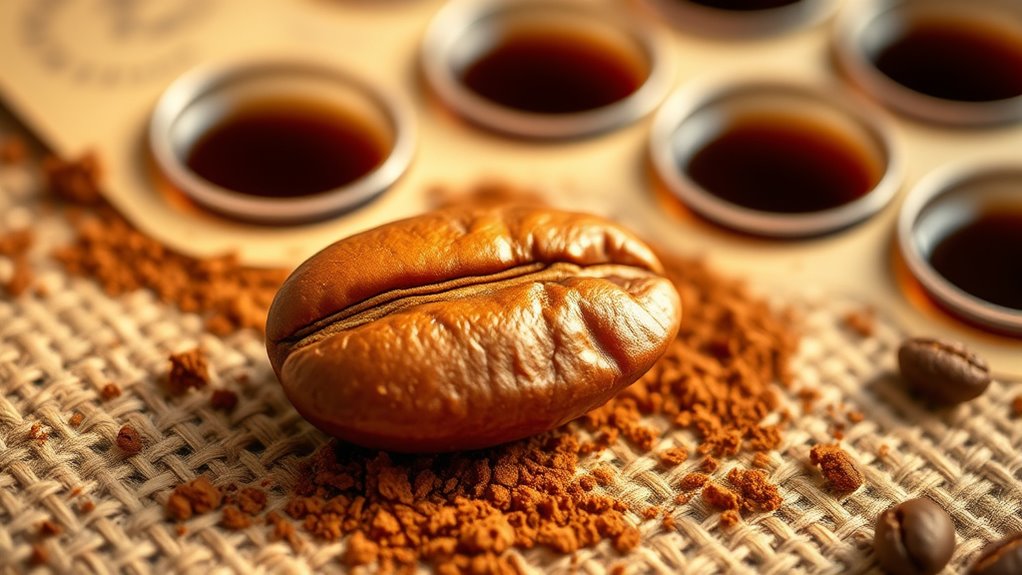
Specialty coffee stands out because it represents the highest quality beans and meticulous production standards. The journey begins with the bean origin, where beans are sourced from specific regions known for their ideal growing conditions. These origins influence the coffee’s unique flavor profiles and overall quality. Once harvested, roasting techniques play a pivotal role in highlighting the beans’ best characteristics. Skilled roasters carefully adjust temperature and timing to bring out the desired aroma, acidity, and body. Unlike commercial coffees, specialty beans are roasted in small batches, ensuring precision and consistency. This attention to detail in sourcing and roasting creates a coffee experience that’s vibrant, complex, and precisely crafted—hallmarks that define what sets specialty coffee apart from standard options. Additionally, understanding the quality grades of coffee helps consumers make informed choices and appreciate the nuances of specialty beans. Recognizing these grades often involves expert cupping and evaluation, which ensures that only the finest beans attain the specialty coffee designation. Moreover, the production standards adhered to in specialty coffee ensure a high level of quality control throughout the process. A thorough understanding of quality control methods further emphasizes the commitment to excellence in specialty coffee.
The Role of Bean Quality and Flavor Profiles

Your choice of beans directly affects the quality and flavor of your coffee, highlighting the significance of careful selection criteria. As the beans develop flavor compounds during processing, understanding these profiles helps you appreciate what makes each cup unique. Tasting and grading methods ensure only the best beans make it into your cup, emphasizing the essential role of quality control. Additionally, quality grading plays a role in guiding consumers toward quality products through trusted reviews and recommendations, which often consider bean origin and processing methods to determine overall quality. Recognizing exfoliation benefits like enhanced skin texture and brightness further underscores the importance of selecting the right components for optimal results. Moreover, understanding cost factors involved in specialty coffee production can help consumers make informed purchasing decisions that reflect both quality and value.
Bean Selection Criteria
Choosing the right beans is vital for achieving the desired flavor in your coffee. You want beans with high quality and flavor profiles that match your preferences. Look for beans that are freshly roasted and sourced from reputable producers, as these will have better aroma and complexity. When selecting beans, consider how your brewing techniques will highlight their unique characteristics. Proper coffee storage is also indispensable; keep beans in an airtight container away from light, heat, and moisture to preserve their freshness. Freshness impacts flavor, so avoid old or stale beans. Additionally, understanding the flavor profiles of different beans can help you select the perfect beans for your taste. By carefully choosing beans with suitable flavor profiles and maintaining proper storage, you’ll guarantee your brewing process results in a rich, vibrant cup every time.
Flavor Compound Development
High-quality beans with distinctive flavor profiles are essential for developing complex and vibrant coffee aromas. These beans contain unique aroma profiles shaped by factors like origin, processing, and varietal, which influence how flavors evolve during brewing. The development of flavor compounds depends heavily on bean quality, as well as the brewing techniques you choose. Proper extraction highlights the beans’ inherent aroma profiles, revealing fruity, floral, or nutty notes. Over- or under-extraction can mask or distort these flavors, so adjusting variables like grind size, water temperature, and brew time is vital. Additionally, vetted electric bike conversion kits demonstrate how quality components can significantly impact performance and reliability. By understanding how bean quality interacts with brewing methods, you can craft a more nuanced and enjoyable coffee experience that truly reflects the distinctive characteristics of your beans. Bean quality directly influences the complexity of flavor development during brewing, making it a key factor in achieving a satisfying cup. Recognizing the importance of bean origin can help you select beans that align with your flavor preferences and desired profile. Moreover, understanding flavor profile development enables roasters and brewers to better manipulate variables for optimal taste outcomes. When selecting beans, considering their processing methods can also greatly affect the resulting flavor profiles and overall quality.
Tasting and Grading
Understanding the relationship between bean quality and flavor profiles is key to accurately evaluating and grading coffee. When tasting, you assess how different brew techniques and brewing equipment influence the extraction of flavors. High-quality beans often present complex, well-balanced profiles that can be highlighted through precise brewing methods. As you taste, consider the aroma, acidity, body, and finish, which reveal the bean’s inherent qualities. Recognizing how scenic views and natural beauty can influence your perception of a location enhances your overall appreciation of the coffee’s origin. The processing methods used after harvest also play a crucial role in shaping these flavor characteristics. Proper tasting and grading guarantee you appreciate the nuances that define quality, guiding you toward selecting the best beans for your preferred brew techniques. Additionally, understanding how climate and altitude impact bean development can further refine your evaluation process. Being aware of post-harvest processing methods can also help you distinguish subtle differences in flavor and quality among various coffees, and knowing about storage conditions can further preserve bean freshness and flavor integrity.
How Coffee Is Graded and Rated

Have you ever wondered how experts determine the quality of a coffee bean? The process involves detailed grading and rating systems that assess various factors. Experts evaluate beans based on size, uniformity, and defect levels, often using cupping to taste and score flavors. Coffee blending plays a role, as it can influence overall quality, balancing acidity and body. Roasting techniques are also vital; how beans are roasted affects their flavor profile and how they score during grading. Professional graders follow standardized protocols, ensuring consistency across batches. This systematic approach helps identify specialty coffees with exceptional characteristics. The use of self-watering plant pots in coffee farms can help maintain optimal conditions for certain plants, ensuring consistent quality. Ultimately, grading combines visual inspection, sensory evaluation, and technical analysis to rate coffee’s quality, guiding buyers and producers toward the best beans for premium products.
The SCA Coffee Standards and Scoring System
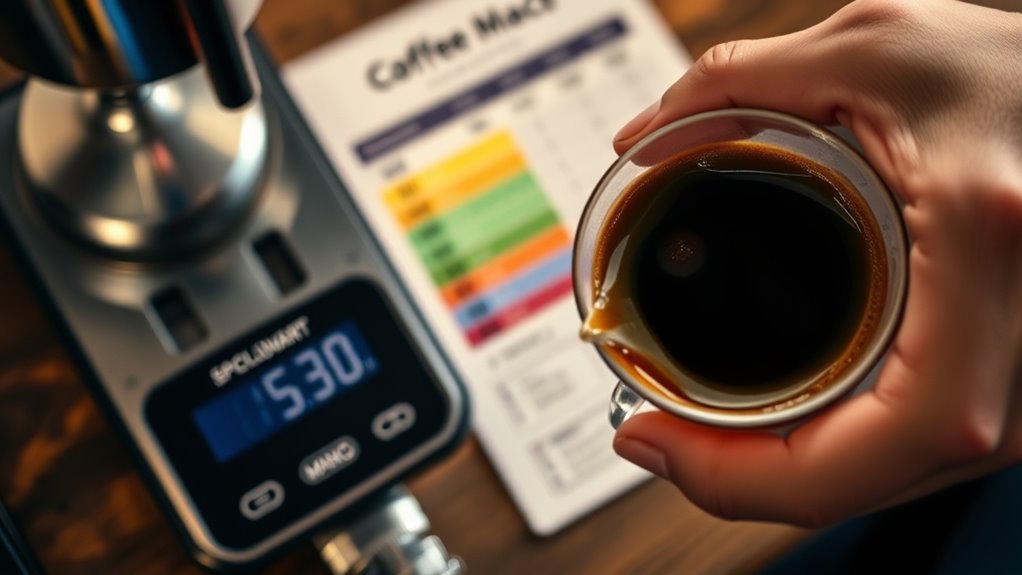
The SCA Coffee Standards and Scoring System set clear criteria for evaluating coffee quality. You’ll learn how specific factors like aroma, flavor, and body are scored objectively. Understanding this methodology helps you appreciate what makes a coffee truly exceptional. Additionally, the system emphasizes the importance of consistent vetted grading practices to ensure reliable assessments. This standardized approach also fosters energetic alignment among graders, promoting fairness and accuracy in evaluations. Proper calibration of scoring methods ensures that evaluations remain technically precise, reflecting true differences in coffee quality. Engaging in comprehensive training ensures that all evaluators maintain high standards of consistency and fairness throughout the grading process. Moreover, adherence to these standards supports the global quality assurance efforts in the coffee industry.
SCA Coffee Grading Criteria
The SCA Coffee Grading Criteria provides a standardized way to evaluate coffee quality based on specific sensory attributes. It emphasizes aspects like aroma, flavor, aftertaste, acidity, body, and balance. This system helps you assess coffee objectively, regardless of brewing techniques or equipment used. Factors such as uniformity and defects are also considered to ensure consistency. Here’s a quick overview:
| Attribute | Description |
|---|---|
| Aroma & Flavor | Evaluates complexity and cleanliness |
| Defects & Uniformity | Checks for off-flavors and consistency |
| Acidity & Body | Measures brightness and mouthfeel |
| Balance | Assesses harmony of all elements |
This grading guides you in selecting high-quality coffee and understanding how sensory qualities relate to overall excellence.
Scoring Methodology Overview
How does the SCA Coffee Standards and Scoring System guarantee consistent and objective evaluation of coffee quality? The system uses a detailed scoring rubric that assesses aroma, flavor, aftertaste, acidity, body, and balance. Experienced Q graders evaluate each sample, regardless of brew method or brewing equipment, guaranteeing fairness. This standardized approach minimizes subjective bias, providing a reliable measure of quality. By focusing on specific sensory attributes, the system enables consistent comparisons across different coffees. Whether you brew with a pour-over, espresso machine, or French press, the scoring criteria remain the same, emphasizing the coffee’s inherent qualities. This methodology ensures that each cup is judged fairly, supporting transparency and trust in the specialty coffee industry.
Understanding the Coffee Grading Tiers
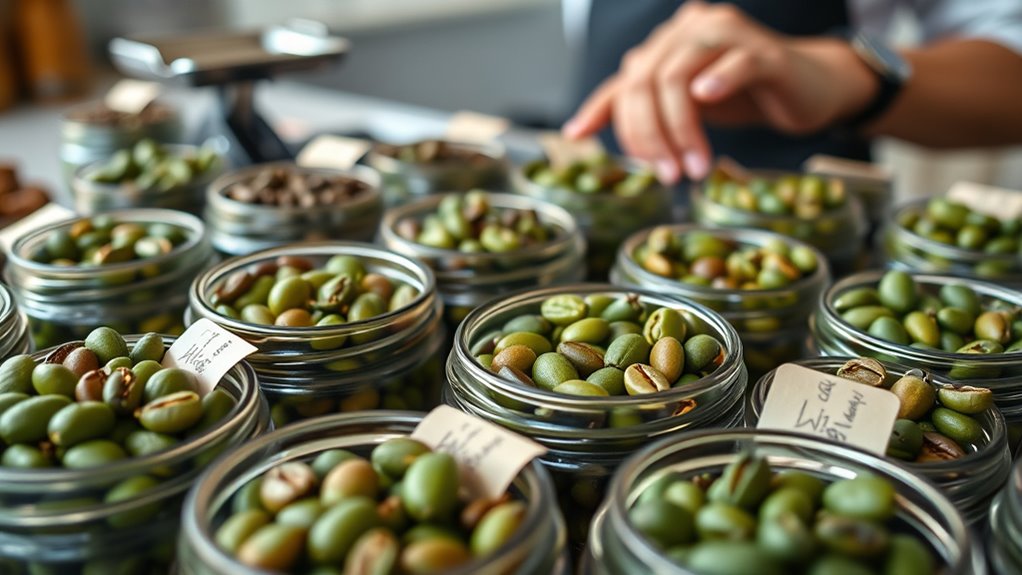
Understanding the coffee grading tiers helps you recognize quality and make better choices when selecting beans. These tiers categorize coffees based on flavor, defect levels, and overall quality, guiding your coffee brewing decisions. Higher tiers, like Specialty Grade, indicate beans with fewer defects and superior flavor profiles, ideal for brewing rich, nuanced cups. Lower tiers may have more flaws, affecting taste and consistency. When storing beans, remember that higher-grade coffees are more sensitive to light, air, and moisture, so proper coffee storage is essential to preserve their quality. Use the following table to compare tiers:
| Tier | Characteristics |
|---|---|
| Specialty Grade | Premium, minimal defects, complex flavors |
| Commercial Grade | More defects, consistent but less refined |
| Below Standard | Frequent defects, lower flavor quality |
The Importance of Origin and Growing Conditions
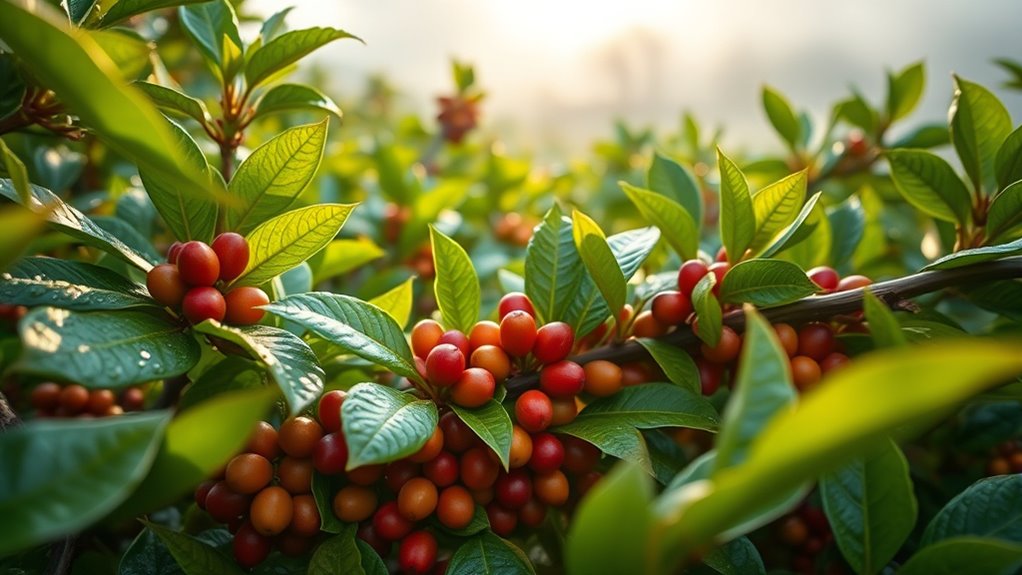
Choosing high-quality coffee beans starts with recognizing that their origin and growing conditions critically influence flavor and overall quality. Altitude effects play a key role; higher elevations often produce beans with brighter acidity and complex flavors, while lower altitudes may yield bolder, more robust profiles. Soil composition also impacts the beans’ development, affecting nutrients that shape flavor nuances. Rich, volcanic soils tend to enhance sweetness and mineral notes, whereas sandy or clayey soils can introduce different taste characteristics. Understanding the specific environment where coffee plants grow helps you appreciate the unique qualities each origin offers. By paying attention to these factors, you can better identify and select beans that match your flavor preferences and guarantee a superior coffee experience.
Processing Methods and Their Impact on Quality
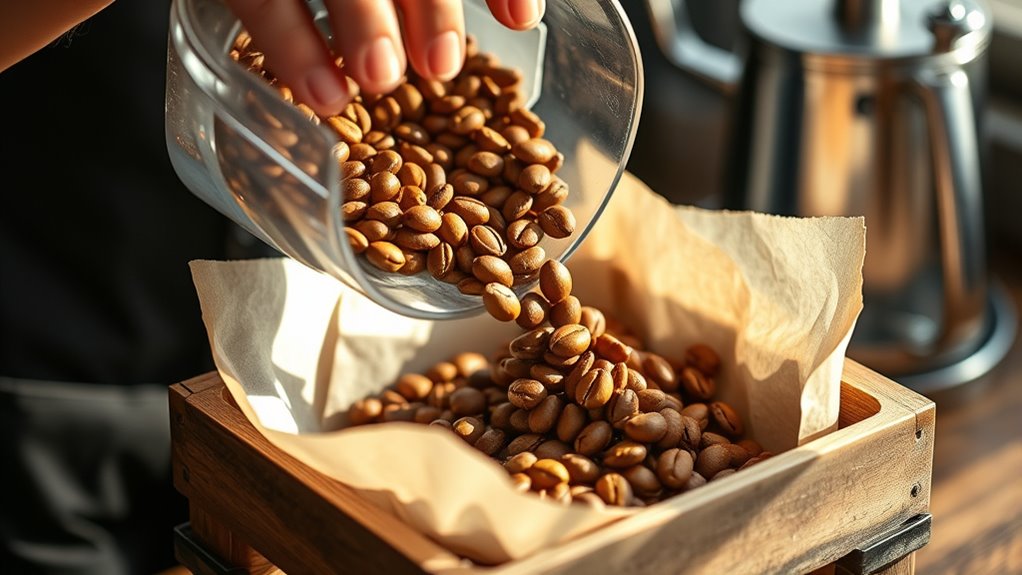
Processing methods directly influence the flavor, clarity, and overall quality of your coffee. Different fermentation techniques can develop unique acidity and complexity, while drying methods affect bean consistency and longevity. For example, washed processes use water to remove mucilage, resulting in bright, clean flavors. Natural processing, where beans dry inside the cherry, often enhances fruitiness and body. The choice of drying method—sun drying or mechanical drying—also impacts moisture content and bean stability.
| Method | Impact on Quality |
|---|---|
| Fermentation techniques | Develop acidity, aroma, and flavor complexity |
| Drying methods | Affect moisture, bean stability, and clarity |
| Washed processing | Produces bright, clean flavors |
| Natural processing | Emphasizes fruitiness and body |
How Certification Labels Influence Perception
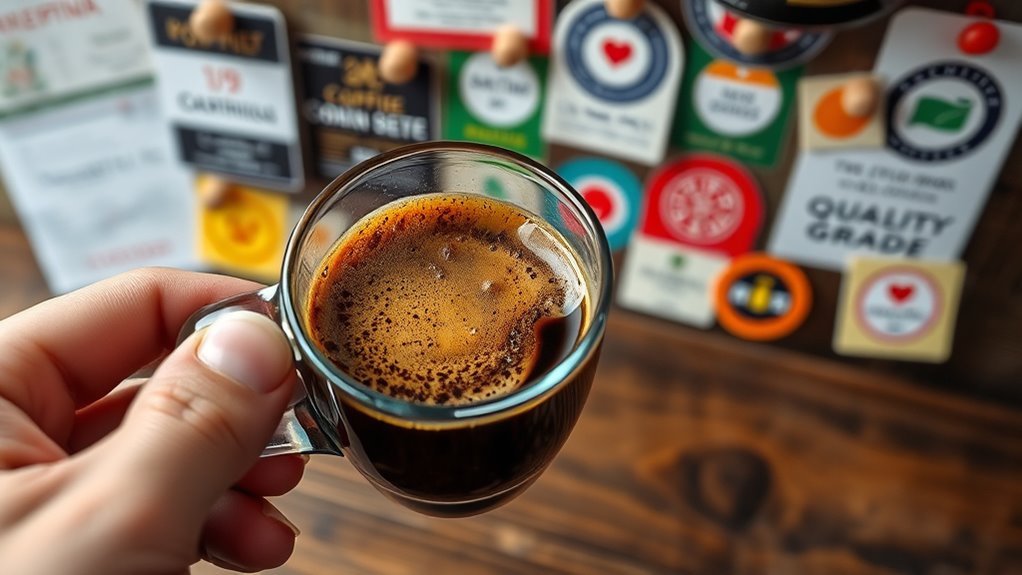
Certification labels profoundly shape how you perceive and evaluate coffee. When you see labels like Fair Trade, Organic, or Rainforest Alliance, your trust in the product’s quality and ethical standards increases. These labels influence your consumer perception, often leading you to assume higher quality or sustainability.
Here are four ways certification labels impact you:
- They signal ethical or environmental standards, boosting credibility.
- They reassure you about quality assurance and safety.
- They create a sense of trust, reducing uncertainty.
- They can justify higher prices based on perceived added value.
Ultimately, certification labels act as shortcuts, guiding your expectations and purchasing decisions while shaping how you view specialty coffee’s authenticity and quality.
Tips for Recognizing High-Quality Coffee at Retail
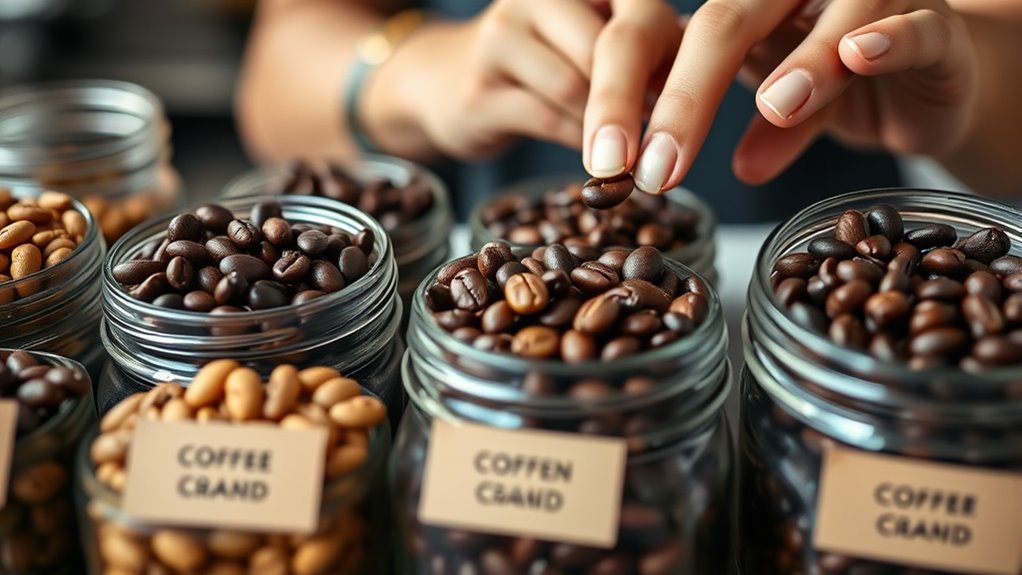
Recognizing high-quality coffee at retail begins with paying close attention to how it’s presented and labeled. Look for freshness indicators like roast date, which shows bean freshness. Smell the coffee; fresh beans often have a vibrant aroma, while stale ones lack scent. Examine the packaging for airtight seals to preserve freshness. When brewing, use proper techniques to highlight quality—fresh beans respond well to precise grind sizes and water temperatures. Consider this quick guide:
| Indicator | What to Look For | Why It Matters |
|---|---|---|
| Roast Date | Recent date, ideally within 2-4 weeks | Ensures bean freshness |
| Packaging | Airtight, opaque bags | Preserves flavor and aroma |
| Grind Size | Suitable for brewing method | Affects extraction and taste |
| Aroma | Strong, vibrant scent | Sign of quality and freshness |
These tips help you identify truly high-quality coffee ready for excellent brewing results.
Frequently Asked Questions
How Does Altitude Affect Coffee Quality Grades?
Altitude effects markedly influence coffee quality grades by enhancing flavor development. When you grow coffee at higher elevations, the cooler temperatures slow bean maturation, allowing complex flavors to develop fully. This results in brighter, more nuanced profiles that often earn higher quality grades. So, if you’re aiming for top-tier coffee, choosing beans from high-altitude regions can make a noticeable difference in flavor and overall quality.
What Role Do Processing Methods Play in Flavor Development?
Ever wonder how processing methods shape your coffee’s flavor? You play a vital role in flavor development through fermentation techniques, which influence aroma and body. Choosing between dry and washed processing impacts sweetness and clarity—dry methods often produce fruitier notes, while washed processes can accentuate brightness. Don’t underestimate how these choices elevate your coffee experience, making each cup uniquely vibrant and memorable.
How Do Climate Changes Impact Specialty Coffee Production?
Climate changes impact specialty coffee production by threatening crop quality and yields. You’ll notice shifts in temperature and rainfall, which challenge farmers’ climate resilience. To adapt, farmers implement farming adaptations like shade-grown coffee, drought-resistant varieties, and altered harvesting times. These strategies help maintain flavor and quality, ensuring your favorite specialty coffees stay consistent despite environmental shifts. Staying aware of these adaptations highlights the importance of sustainable practices in preserving exceptional coffee experiences.
Are There Specific Certifications Indicating Higher Quality?
You’ll find that certification standards like Fair Trade, Organic, and Rainforest Alliance help indicate higher quality in coffee. These certifications guarantee quality assurance through strict guidelines on growing, processing, and harvesting practices. By choosing certified coffees, you support sustainability and consistent quality, giving you confidence that your coffee meets recognized standards. Certifications act as a reliable indicator, helping you select top-tier specialty coffees with verified standards.
How Does Roasting Influence Perceived Coffee Quality?
Roasting considerably influences perceived coffee quality by enhancing bean aroma and developing the roast level. As you roast, the heat transforms the beans, releasing complex aromas that can elevate your coffee experience. A light roast preserves the bean’s nuanced flavors, while a dark roast emphasizes boldness. Your choice of roast level shapes aroma and taste, directly impacting how you perceive the coffee’s overall quality and enjoyment.
Conclusion
To truly appreciate specialty coffee, you need to recognize its quality, understand its grades, and value its origin. You should pay attention to flavor profiles, processing methods, and certification labels. You must explore the nuances of grading systems and the importance of growing conditions. By doing so, you’ll not only select better coffee but also enjoy a richer, more satisfying experience—knowing you’re savoring the finest beans, the highest standards, and the best possible brew.
Evergreen bestsellers Picks
bestsellers
As an affiliate, we earn on qualifying purchases.