To make sense of tasting notes without expecting juice, focus on the aroma and the layers of flavors that develop over time. Pay attention to how different notes—fruity, spicy, woody—interact and evolve, creating a complex landscape. Recognize that flavors are subjective and come from your personal perception, pattern recognition, and experience. Embracing patience and curiosity helps you appreciate the artistry behind each sip. Keep exploring, and you’ll discover even more ways to deepen your understanding.
Key Takeaways
- Focus on aroma profiles and scent layers to set expectations beyond just fruity or juice-like notes.
- Recognize flavor complexity as a landscape with depth, developing over time during tasting.
- Use structured sensory techniques to identify subtle nuances and flavor evolution.
- Emphasize personal perception and pattern recognition over rigid categories for deeper understanding.
- Appreciate the artistry and layered craftsmanship, transforming tasting into an immersive, rewarding experience.
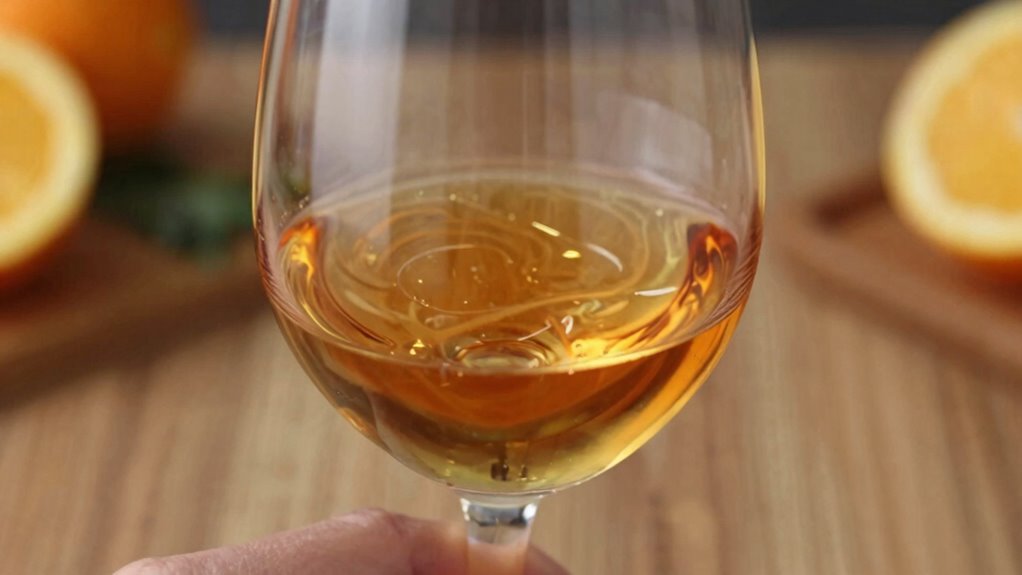
Tasting notes can seem confusing at first, but understanding them is key to appreciating the nuances of your favorite beverages. When you encounter a tasting note describing a drink’s flavor, it’s not just about identifying a single taste but recognizing a web of flavor complexity. This complexity often involves layers that develop as you taste, revealing different notes over time. Instead of expecting a straightforward sweetness or bitterness, try to think of tasting as exploring a landscape, where each note adds depth and character. You’ll notice that well-crafted beverages often have a balance of flavors—sweet, sour, bitter, salty, and umami—that work together to create a harmonious experience. Recognizing this balance helps you appreciate the craftsmanship behind what you’re drinking.
Tasting reveals layered flavors and balanced complexities, turning each sip into a rich, harmonious sensory journey.
A key to discovering tasting notes is paying close attention to aroma profiles. The aroma influences how you perceive flavor; it’s the first impression your senses get before the taste even reaches your palate. When you smell a beverage, try to identify different scent layers, such as floral, fruity, spicy, or woody notes. These aroma profiles set expectations for what you’ll taste and can deepen your understanding of flavor complexity. For example, a wine with a rich berry aroma might suggest a sweet, fruity taste on the palate, but it could also carry hints of earthiness or spice that add to its complexity. Developing your ability to differentiate these scents takes practice, but it enhances your overall tasting experience. Additionally, understanding color accuracy in visual presentation can influence your perception of a beverage’s quality, as visual cues often complement aroma and flavor. Moreover, being aware of data-driven strategies in tasting can help refine your perception through structured approaches and systematic tasting notes. Exploring sensory perception techniques can further sharpen your ability to distinguish subtle nuances, and incorporating knowledge about landscape-like flavor profiles can enrich your overall tasting journey.
A helpful way to improve your tasting skills is to engage with expert tastings, which can provide insights into how professionals analyze and describe flavors, thereby expanding your vocabulary and perception. Instead of rushing to find specific flavors, focus on the overall impression. Notice how the flavors evolve from the first sip to the finish. Does it start with bright citrus, then mellow into honey, followed by a smoky aftertaste? This progression tells you a lot about the beverage’s depth. Keep in mind that tasting notes are more about your personal perception than rigid categories; everyone’s palate is unique. As you gain more experience, you’ll begin to recognize patterns and develop your vocabulary for describing what you taste and smell, making tasting notes more meaningful.
Ultimately, understanding flavor complexity and aroma profiles allows you to move beyond superficial impressions. Instead of expecting juice-like simplicity, you learn to appreciate the artistry in each sip. Tasting becomes less about labeling flavors and more about immersing yourself in the sensory journey. With patience and curiosity, you’ll find that making sense of tasting notes transforms your experience into a richer, more rewarding exploration of your favorite beverages.

Wine Folly Wine Aroma Wheel Charts – 4-Pack for Red, White, Rosé & Sparkling | Wine Tasting Guide with Aromatic Compound Info | Durable, Glossy Educational Chart Set
👃 Smell Like a Sommelier 👃 Elevate your wine game with these expert-designed aroma wheels that help you…
As an affiliate, we earn on qualifying purchases.
As an affiliate, we earn on qualifying purchases.
Frequently Asked Questions
How Can I Improve My Tasting Note Accuracy?
To improve your tasting note accuracy, focus on refining your perception of flavor intensity and aroma profiles. Practice regularly, paying close attention to subtle differences in aroma and taste. Use a systematic approach, like noting initial impressions and then deeper notes, and compare different samples side by side. Keep a detailed journal, and over time, you’ll sharpen your senses, making your tasting notes more precise and insightful.
What Common Mistakes Should I Avoid When Tasting?
Avoid common mistakes like overemphasizing flavor, overestimating aroma, and rushing through your tasting process. You might focus too much on one aspect, neglecting others, or let aroma bias cloud your judgment, leading to skewed notes. Instead, stay balanced, be attentive to each element, and take your time. By practicing patience, embracing objectivity, and cultivating awareness, you’ll improve your tasting accuracy and develop more nuanced, reliable notes.
Are There Specific Tools to Enhance Tasting Notes?
Yes, tools like a flavor wheel and tasting journal can considerably enhance your tasting notes. A flavor wheel helps you identify specific flavors and aromas more accurately, guiding your palate. Meanwhile, a tasting journal allows you to record impressions consistently, track progress, and refine your sensitivity over time. Using these tools together makes your tasting experience more structured, detailed, and enjoyable, leading to more insightful and precise tasting notes.
How Do Cultural Differences Influence Tasting Descriptions?
Cultural language shapes your tasting perceptions like a painter’s palette, coloring your descriptions with local nuances. You might describe acidity as crisp in one culture, or as invigorating in another, reflecting language and tradition. These differences influence how you interpret flavors, making tasting notes uniquely personal and culturally rich. Embracing this diversity allows you to appreciate a broader spectrum of sensory experiences, deepening your connection to each sip.
Can Tasting Notes Vary Between Different Wine Types?
Yes, tasting notes can vary between different wine types. You’ll notice flavor consistency within a specific type, but aroma variations stand out across varieties. For example, reds often have richer, fruit-forward notes, while whites might display brighter, citrusy aromas. These differences help you distinguish between wines and appreciate their unique profiles, making tasting notes a valuable guide even when flavor expectations differ.

Coffee Tasting Scorecards, Set of 15 Coffee Tasting Placemats for Flavor Notes, Coffee Bar Parties, Brunch, Barista Training, Coffee Shop Tastings, Blind Tasting Game, USA Made
COFFEE TASTING EXPERIENCE: Designed for blind tastings, flavor comparison, and aroma evaluation; helps guests, customers, or trainees focus…
As an affiliate, we earn on qualifying purchases.
As an affiliate, we earn on qualifying purchases.
Conclusion
Remember, tasting notes are like a map, guiding you through the flavors without dictating what you should taste. Don’t get caught up trying to find perfection; instead, embrace your unique palate and experience. As the saying goes, “Beauty is in the eye of the beholder.” Trust your senses and enjoy the journey of discovering what each sip offers. After all, it’s your taste adventure—embrace it with curiosity and an open mind.

Touch-Test Sensory Evaluators 5 Piece Hand Kit
Touch-Test Sensory Evaluators 5 Piece Hand Kit
As an affiliate, we earn on qualifying purchases.
As an affiliate, we earn on qualifying purchases.

Libbey Beer Tasting Sampler Glass (#249), 5oz – Set of 4
5oz beer tasting sampler or side water glass
As an affiliate, we earn on qualifying purchases.
As an affiliate, we earn on qualifying purchases.