

To make Turkish coffee, start with an extremely fine grind, like flour, to guarantee smooth extraction and rich foam. Add cold water and sugar (if preferred) to a cezve, then stir in about a teaspoon of coffee per cup. Heat slowly, watching carefully for the foam to rise before it boils over. Pour carefully to keep the foam intact and serve with a spoonful on top. Keep practicing, and you’ll discover the art behind perfect Turkish coffee.
Key Takeaways
- Use an extremely fine, flour-like grind to ensure proper extraction and thick foam formation.
- Add cold water and coffee (and sugar if desired) to the cezve before gently heating.
- Heat slowly on low heat, watching for foam to rise just before boiling; remove before boiling over.
- Pour carefully to retain the foam on top, serving with a spoonful of foam for authenticity.
- Adjust sugar levels during preparation, combining with coffee according to preference for a balanced taste.

Have you ever wondered how to brew the perfect cup of Turkish coffee? It all starts with understanding its rich coffee history and the traditional brewing methods that have been passed down through generations. Turkish coffee’s origins date back centuries, with roots connecting to the Ottoman Empire, where preparing coffee became an art form. Unlike modern drip or espresso machines, Turkish coffee relies on a simple yet precise brewing technique that emphasizes the grind, foam, and sugar levels. This method has stood the test of time because it delivers a unique flavor and texture that other brewing methods struggle to replicate. To master it, you need to pay attention to detail and follow specific steps carefully.
Discover the rich tradition of Turkish coffee, emphasizing precise techniques for a perfect, authentic brew.
First, the grind is critical. Turkish coffee requires an extremely fine grind—almost powder-like—because this allows the coffee to dissolve perfectly in the water during brewing. When you grind your beans, aim for the consistency of flour. This fine grind maximizes extraction and creates that signature thick foam on top of the finished cup. The foam is an essential part of the experience, symbolizing the coffee’s richness and inviting you to savor each sip fully. Using the proper grind also ensures the brewing process is smooth and prevents the coffee from becoming bitter or overly gritty.
Next, the brewing process involves a special pot called a cezve or ibrik. Add cold water to the cezve, proportioned to how many cups you’re making. Then, include the coffee, usually about one heaping teaspoon per cup, directly into the water—no filtering or pressing involved. If you prefer your coffee sweet, add sugar at this stage, based on your taste—no sugar, a little, or very sweet. Stir gently to combine, then place the cezve on low heat. As the coffee heats, it will start to foam and rise. Carefully watch it, and just before it boils over, remove it from the heat. This gentle process ensures a rich foam forms, which is a hallmark of authentic Turkish coffee.
The final step involves pouring the coffee into cups carefully, allowing the foam to stay on top. Some enthusiasts like to serve it with a small spoonful of the foam on each cup for added flavor and presentation. Remember, the key to a great Turkish coffee isn’t rushing—patience and precision in grinding, brewing, and serving will reward you with a full-bodied, aromatic experience that’s steeped in centuries of tradition. Once you grasp these core techniques, you’ll discover that making Turkish coffee is both an art and a celebration of its deep-rooted coffee history.

KURUKAHVECI MEHMET EFENDI Turkish Coffee, Cezve Set, Roasted Ground,Rich Aroma, Turkish Coffee Set, Original Taste Since 1871 (8.8 OZ / 250 Gr) with Cezve
SINCE 1871 Turkish Coffee: Kurukahveci Mehmet Efendi Turkish Coffee, the oldest method of coffee brewing, delights with its…
As an affiliate, we earn on qualifying purchases.
As an affiliate, we earn on qualifying purchases.
Frequently Asked Questions
What Is the Best Type of Coffee Bean for Turkish Coffee?
You should choose Arabica beans for Turkish coffee, as their smooth, nuanced flavors enhance the brew. Opt for medium to dark roasting levels to bring out rich, robust flavors that complement the traditional preparation. Coffee bean varieties like Ethiopian or Colombian add unique depth, but Arabica remains the preferred choice. Use freshly ground beans to guarantee the best taste, and adjust the grind to a powdery consistency for ideal results.
How Does Altitude Affect the Grind Size for Turkish Coffee?
Altitude affects your grind size because higher elevations require altitude adjustment to maintain proper extraction. You should grind your coffee slightly finer at higher altitudes to compensate for thinner air, which impacts extraction rate. Focus on achieving grind consistency to ensure even brewing. By adjusting your grind size and maintaining consistency, you’ll get the best flavor and foam in your Turkish coffee, regardless of elevation.
Can I Make Turkish Coffee Without a Cezve?
You can totally make Turkish coffee without a cezve—imagine turning your kitchen into a tiny, bustling Turkish café! Use coffee pot alternatives like a small saucepan or even a deep, narrow pot. Modern brewing methods, like a French press or AeroPress, can mimic the traditional thick, frothy texture if you’re inventive. Just remember, the key is to carefully control heat and stir, creating that iconic foam and rich flavor.
How Long Should I Let the Foam Develop Before Serving?
You should let the foam develop for about 1 to 2 minutes, watching carefully as it thickens and rises. Once you see a nice, frothy layer forming and just before it starts to spill over, it’s time for serving. Proper foam formation guarantees an authentic Turkish coffee experience. Timing is key—serve too early, and the foam won’t be rich enough; wait too long, and it may collapse.
Is It Necessary to Use Sugar in Traditional Turkish Coffee?
You don’t have to use sugar in traditional Turkish coffee, as it’s all about your sweetening preferences. In traditional versions, people often enjoy it unsweetened or lightly sweetened, but modern styles offer varied levels of sweetness. If you prefer a sweeter taste, add sugar during brewing. Ultimately, whether you include sugar depends on your taste and whether you’re aiming for a more authentic or contemporary coffee experience.

PARACITY Manual Coffee Bean Grinder Stainless Steel Hand Mill Ceramic Burr for Aeropress, Drip Coffee, Espresso, French Press, Turkish Brew, for gift
PARACITY manual coffee grinder is made of 304 stainless steel, it has a ceramic burr which will provide…
As an affiliate, we earn on qualifying purchases.
As an affiliate, we earn on qualifying purchases.
Conclusion
Now that you understand the grind, the foam, and the sugar, you can master Turkish coffee with confidence. Focus on each step, from the fine grind to the frothy foam, and the perfect sweetness. Embrace the ritual, savor the process, and enjoy the tradition. With patience in brewing, precision in pouring, and care in serving, you’ll create a moment of connection, a taste of history, and a true Turkish coffee experience that lingers.
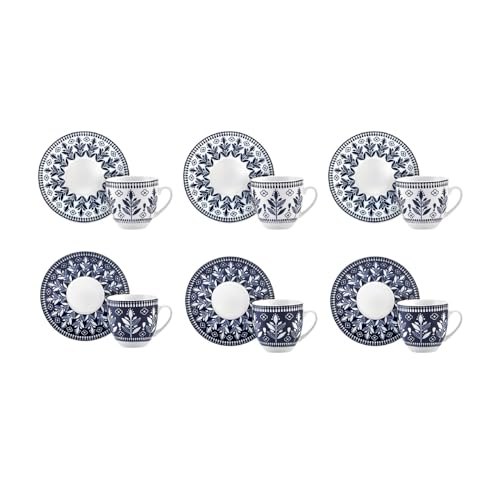
KARACA Peyker Turkish Coffee Cup Set for 6 People – 12 Piece Cups with Saucers – Small Bone China Espresso Set – Ideal for Serving Greek, Arabic Coffee (2.8 fl oz)
12-Piece Coffee Cup Set: This coffee cup set consists of 6 white porcelain cups paired with matching saucers….
As an affiliate, we earn on qualifying purchases.
As an affiliate, we earn on qualifying purchases.

Any Morning Turkish & Greek Coffee Maker-Machine, 1 to 4 Cups Capacity, 100% BPA Free, 400W Electric Coffee Pot with Cook Sense Technology, Anti-Spill Design, Authentic Foamy Brew, Black
AUTHENTİC TURKİSH & GREEK COFFEE: Enjoy traditional coffee flavor at home with this automatic 400W electric coffee pot,…
As an affiliate, we earn on qualifying purchases.
As an affiliate, we earn on qualifying purchases.