To keep your coffee beans fresh, store them in airtight, opaque containers made from ceramic, stainless steel, or dark glass, and keep them in a cool, dark place away from light, heat, and strong odors. Avoid refrigerating or freezing, as temperature fluctuations can harm freshness. Buy smaller quantities and grind just before brewing for the best flavor. Keep an eye on your storage supplies to maintain peak conditions—more tips await to help you maximize freshness.
Key Takeaways
- Use airtight, opaque containers made from ceramic, stainless steel, or dark glass to block light, air, and odors.
- Store beans in a cool, dark place away from heat sources and direct sunlight for optimal freshness.
- Avoid refrigeration or freezing; keep beans at a consistent temperature in a stable environment.
- Purchase in small quantities and rotate stock to ensure maximum freshness and minimal exposure to air.
- Regularly inspect and replace storage seals, gaskets, and containers to maintain airtight protection.

ICEVIVAL Fully Automatic Coffee Machine, 20 Bar Coffee Maker with Grinder, Automatic Espresso Machine with 15 Grinding Levels, Touch Control for Cappuccino & Latte, Auto Self-Cleaning
Effortless Cafe Creations: Enjoy a wide selection of café favorites - from creamy latte to smooth Americano, all...
As an affiliate, we earn on qualifying purchases.
Choose the Right Container for Your Coffee Beans

Choosing the right container is essential to keep your coffee beans fresh and flavorful. The material you select impacts how well the beans stay preserved. Opt for containers made of opaque, airtight materials like ceramic, stainless steel, or dark glass to block light and prevent oxidation. Avoid clear plastic containers, which can allow light and air to seep in. Container size also matters; it’s best to choose a size that fits your typical amount of beans without leaving too much empty space. Excess air can accelerate staling, so a small, snug container helps maintain freshness. Make sure the container has a tight seal to keep out moisture and air, which are key enemies of fresh coffee. Proper material choice and container size are vital steps in preserving flavor. Additionally, selecting containers that promote minimal air exposure can further extend the freshness of your coffee beans, as controlling air circulation is crucial in maintaining optimal storage conditions. Using containers with proper sealing mechanisms can prevent moisture ingress and preserve aroma over time. To maximize freshness, consider choosing storage containers with dark finishes that further protect against light exposure. Ensuring that the container also provides an airtight seal helps prevent flavor loss caused by exposure to environmental elements.

Cafe Bueno Super Automatic Espresso Machine For Home - Coffee Machine With Grinder & Milk Frother For Latte, Cappuccino, Macchiato - Auto Wake & Sleep – All Milk Types
BARISTA QUALITY COFFEE - You can now make barista quality coffee, cappuccinos, lattes, espresso, and more in the...
As an affiliate, we earn on qualifying purchases.
Keep Beans Away From Light and Heat Sources

Keep your coffee beans away from direct sunlight and warm areas, as both can accelerate loss of freshness. Store them in a cool, dark place to preserve flavor and aroma longer. Avoid placing your container near windows or heat sources like stoves or radiators. Using an airtight container can further protect beans from environmental factors that cause spoilage. Additionally, selecting a proper storage environment that maintains consistent temperature helps in extending freshness. Proper storage practices are essential to prevent exposure to environmental factors that can degrade quality over time, especially considering the importance of AI in Business for optimizing inventory management and quality control. Maintaining the right storage conditions can also help prevent exposure to external influences that may expedite deterioration of coffee beans.
Protect From Sunlight
Sunlight and heat can quickly degrade the freshness and flavor of your coffee beans, so maintaining them away from direct light sources is essential. Exposure to solar radiation and UV rays accelerates oxidation, causing loss of aroma and taste. To protect your beans effectively, consider these tips:
- Store in opaque containers that block UV exposure
- Keep coffee away from windows and direct sunlight
- Use dark-colored or matte finishes to reduce light reflection
- Choose a cool, dark cabinet instead of exposed areas
Avoid Warm Areas
Heat and warmth can accelerate the deterioration of your coffee beans, diminishing their flavor and aroma over time. Keep your beans away from warm spots and heating appliances, which can cause rapid staling. Store them in a cool, dark place, like a pantry or cupboard, to maintain freshness. Be mindful of household sources of heat, such as radiators or ovens, which can inadvertently warm your storage area. Use the table below to identify common heat sources to avoid:
| Heat Source | Location | Effect on Beans |
|---|---|---|
| Radiators | Living room wall | Speeds up spoilage |
| Ovens | Kitchen counter | Increases temperature |
| Heating vents | Near vents, drafts | Causes uneven warming |
| Lamps & Light Bulbs | On or near storage area | Adds heat and light |
| Small appliances | Microwave, toaster | Raises temperature |
Avoid these to keep your coffee beans fresh longer.

(2026 Upgrade) Gevi 20 Bar Espresso Machine with Grinder & Milk Frother, Professional Coffee Maker for Home, Cappuccino & Latte, Removable Water Tank, Steam Wand
【𝐁𝐚𝐫𝐢𝐬𝐭𝐚-𝐆𝐫𝐚𝐝𝐞 𝐄𝐬𝐩𝐫𝐞𝐬𝐬𝐨】Craft café-quality coffee at home with our premium espresso machine. Equipped with a built-in conical burr grinder,...
As an affiliate, we earn on qualifying purchases.
Store in a Cool, Dark Place

Storing coffee beans in a cool, dark place helps preserve their freshness and flavor. Exposure to heat and light accelerates degradation, reducing aroma and taste. A consistent, cool environment minimizes temperature fluctuations that can cause condensation and moisture absorption. Darkness prevents UV rays from breaking down coffee compounds, maintaining quality over time. To ensure ideal storage, consider these tips:
- Choose a location with stable temperature and humidity control
- Keep beans away from direct sunlight and heat sources
- Use airtight containers to prevent moisture penetration
- Avoid areas prone to fluctuations in humidity, like near windows or vents
- Incorporating sound science principles into storage practices can further enhance coffee longevity, such as understanding the effects of oxidation on flavor preservation. Maintaining proper storage conditions also reduces the risk of introducing moisture, which can lead to mold and spoilage. Additionally, selecting containers made from non-reactive materials helps prevent chemical interactions that could alter the beans’ flavor over time.
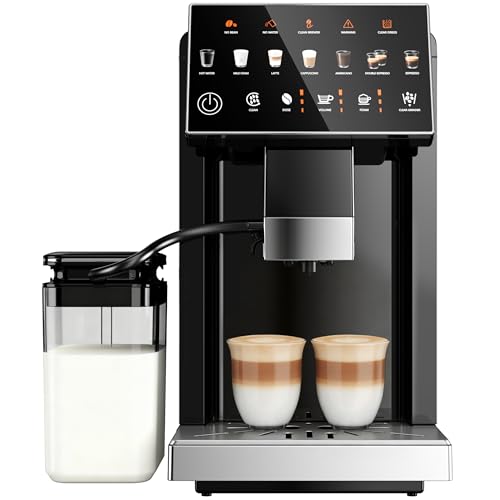
Automatic Espresso Machine, 20 Bar Coffee Maker with Grinder Built in Milk Frother, 15-Grind Settings Fully Automatic Espresso Machine with Touch Screen, Auto Self-Cleaning for Cappuccino & Latte
【One-Touch Creations & Large-Capacity】Craft your favorite café drinks in seconds with this fully automatic espresso machine—from creamy lattes...
As an affiliate, we earn on qualifying purchases.
Avoid Refrigerating or Freezing Beans Continuously

While keeping coffee beans in a cool, dark place helps preserve their freshness, refrigerating or freezing them repeatedly can do more harm than good. Many believe refrigeration myths, thinking that cold storage extends freshness, but frequent temperature changes cause condensation and moisture, which degrade the beans. This exposes them to freezer burn and accelerates staling. Freezing risks include breaking the bean’s delicate oils and flavor compounds, leading to a loss of aroma and taste. Additionally, repeatedly taking beans in and out of the freezer introduces humidity, negatively impacting their quality. To maintain freshness, avoid continuous refrigeration or freezing. Instead, store your beans in a consistent, cool, dark place, away from humidity and temperature fluctuations, to keep their flavor intact longer.
Use Airtight Containers to Prevent Air Exposure

Using airtight containers keeps oxygen out and preserves your coffee’s freshness. Make certain to seal them tightly after each use to prevent air from spoiling the beans. This simple step ensures your coffee stays flavorful longer. Additionally, storing your coffee in a cool, dry place away from sunlight helps maintain its quality over time. Incorporating mindfulness techniques while handling your coffee can enhance your appreciation of its aroma and flavor, enriching your overall experience.
Seal Tight for Freshness
To keep your coffee beans fresh, it’s essential to seal them tightly in an airtight container. Proper sealing prevents air from compromising flavor and aroma. You can enhance freshness by using vacuum sealing, which removes air completely and extends shelf life. Resealable bags are another convenient option, allowing you to open and reseal without exposing beans to air repeatedly. Confirm containers are airtight, with secure lids that lock out oxygen. For added protection, consider transferring beans into vacuum-sealed bags before storage. This minimizes exposure during handling and keeps beans fresh longer. Always check seals before use, and avoid containers that aren’t airtight. Proper sealing is a simple step that makes a significant difference in preserving your coffee’s quality over time. Incorporating quality storage options ensures your beans remain flavorful and aromatic for longer periods. Additionally, selecting containers made from light-blocking materials can prevent light-induced degradation of the beans’ freshness, helping to preserve their aroma and flavor. Using containers with proper sealing mechanisms also helps maintain optimal freshness by preventing air leaks and contamination. Employing air-tight containers effectively shields your coffee beans from environmental factors that can accelerate staling.
Prevent Oxygen Contact
After sealing your coffee beans tightly, the next step is to prevent any remaining oxygen from reaching them. Oxygen exposure accelerates staling, so use airtight containers made from materials that block air. Choose options like ceramic, stainless steel, or opaque glass to minimize oxygen contact and light. Avoid clear plastic containers that allow oxygen and light in. To help you decide, here’s a quick comparison:
| Container Material | Benefits |
|---|---|
| Ceramic | Blocks light and oxygen, durable |
| Stainless Steel | Completely airtight, no oxygen transfer |
| Opaque Glass | Protects from light and oxygen |
| Clear Plastic | Not recommended, allows oxygen exposure |
Using the right container material ensures your coffee stays fresh longer by effectively preventing oxygen contact. Additionally, storing coffee in a proper environment away from heat and humidity further preserves its freshness. Implementing these storage methods can also prevent oxidation, which is a leading cause of coffee stale taste over time.
Buy Coffee in Smaller Quantities for Freshness

Ever wondered why coffee tastes better when it’s fresh? Buying coffee in smaller quantities helps maintain that peak flavor. When you purchase in bulk, beans are exposed to air longer, which accelerates staling. By limiting your purchases, you ensure each batch stays fresh longer, maximizing flavor preservation. This approach also supports portion control, reducing waste and ensuring you always brew with ideal beans. Additionally, storing beans properly and understanding best storage practices can further enhance their freshness. Proper storage minimizes exposure to air, light, and moisture, which are key factors in maintaining coffee quality. Keeping beans in an airtight container and using them within a reasonable timeframe helps preserve their aroma and flavor. Consider these points for smarter buying:
- Opt for smaller packages that match your consumption rate
- Store beans promptly after purchase to prevent exposure
- Regularly rotate your supply to enjoy fresh coffee
- Support local roasters for fresher beans and better quality
- Keeping beans in a cool, dark place helps slow oxidation and maintain flavor integrity.
Keep Coffee Away From Strong Odors

Storing your coffee properly isn’t just about keeping it in a cool, dark place; it also means protecting it from strong odors that can spoil its flavor. Coffee beans are highly absorbent and can easily pick up nearby smells like spices, onions, or cigarettes, leading to flavor contamination. To prevent this, keep your coffee away from strong odors by storing it in an airtight container, ideally in a separate pantry or cabinet away from strong-smelling foods. Avoid storing coffee near the stove, refrigerator, or trash cans, as these areas often emit odors that can permeate the beans. By shielding your coffee from strong odors, you preserve its natural aroma and ensure each brew tastes fresh and flavorful.
Grind Beans Just Before Brewing

For the freshest flavor, grind your coffee beans just before brewing rather than grinding them in advance. Freshly ground coffee preserves the essential oils and aromatic compounds that quickly dissipate once exposed to air. When choosing a grinder, burr grinders provide a consistent grind size, which enhances extraction and flavor. Avoid blade grinders, as they produce uneven grounds that can lead to over- or under-extraction. To maximize freshness and aroma, consider these tips:
For optimal flavor, grind beans just before brewing to lock in freshness and aroma.
- Use a burr grinder for uniform grind size
- Grind only the amount you need for each brew
- Adjust grind size based on brewing method
- Grind immediately before brewing to lock in flavor
This approach ensures your coffee retains its peak freshness and rich flavor.
Regularly Check and Replace Storage Supplies

To keep your coffee beans fresh and flavorful over time, it’s important to regularly check and replace your storage supplies. Over time, storage containers can degrade or develop leaks, which compromise freshness. Establishing a replacement schedule helps prevent stale beans and maintains quality. Check your containers monthly for cracks or damage, and replace them when needed. Consider labeling containers with purchase dates to track freshness. Use airtight storage containers and swap them out once they show signs of wear.
| Storage Supplies | Replacement Schedule |
|---|---|
| Coffee storage bins | Every 6-12 months |
| Seals and gaskets | When damaged or worn |
| Airtight lids | When they no longer seal |
| Storage bags | After 1-2 uses or damage |
Frequently Asked Questions
How Long Do Coffee Beans Stay Fresh in Proper Storage?
You’ll find that coffee beans stay fresh for about 1 to 2 weeks if stored properly. Keep them in an airtight storage container, ideally made of opaque material, to block light and preserve flavor. Avoid using coffee bean packaging that’s not resealable, as exposure to air speeds up staling. For maximum freshness, transfer beans from their original packaging to a dedicated storage container immediately after purchase.
Can Storing Coffee Beans in a Pantry Affect Their Flavor?
Storing coffee beans in a pantry can affect their flavor preservation if the space isn’t cool, dark, and dry. Exposure to heat, light, and humidity accelerates staling, diminishing freshness and taste. To maintain ideal flavor, keep your beans in an airtight container away from pantry heat sources. Proper pantry storage helps preserve their aroma and flavor longer, ensuring each brew tastes as fresh as possible.
Is It Better to Store Coffee Beans Whole or Ground?
You should store coffee beans whole rather than ground for maximum freshness. Grinding beans just before brewing ensures better grind consistency and preserves flavor. Use airtight storage containers to keep out moisture and air, which can degrade the beans. Ground coffee loses freshness faster, so grinding only what you need helps maintain flavor. Keep beans in a cool, dark place, and grind them just before brewing for the best taste.
Does Humidity Impact the Freshness of Stored Coffee Beans?
Humidity levels considerably impact the freshness of your stored coffee beans. Excess moisture can cause mold growth and degrade flavor, so you should store beans in a cool, dry place. Avoid high humidity areas like near sinks or windows. Keeping humidity low helps preserve freshness and prevents mold, ensuring your coffee stays flavorful. Use airtight containers to minimize exposure to humidity, and regularly check your storage environment to maintain ideal conditions.
What Are the Signs That Coffee Beans Have Gone Stale?
You’ll notice coffee beans have gone stale when their aroma deteriorates, and the vibrant scent fades. The flavor loss becomes evident as your brew tastes dull or flat, lacking the usual richness. Sometimes, stale beans develop an off or musty smell. If your coffee no longer excites your palate or smells different than fresh beans, it’s a clear sign that they’ve lost their freshness and should be replaced for the best experience.
Conclusion
Think of your coffee beans as tiny treasure chests; their freshness depends on how well you guard them. Just like a treasure needs a secure, dark vault to stay pristine, your beans thrive when stored properly. Keep them in airtight containers, away from light and strong odors, and only grind what you need. By treating your coffee with care, you’ll always unseal the rich, vibrant flavor you crave—preserving your treasure for every perfect cup.