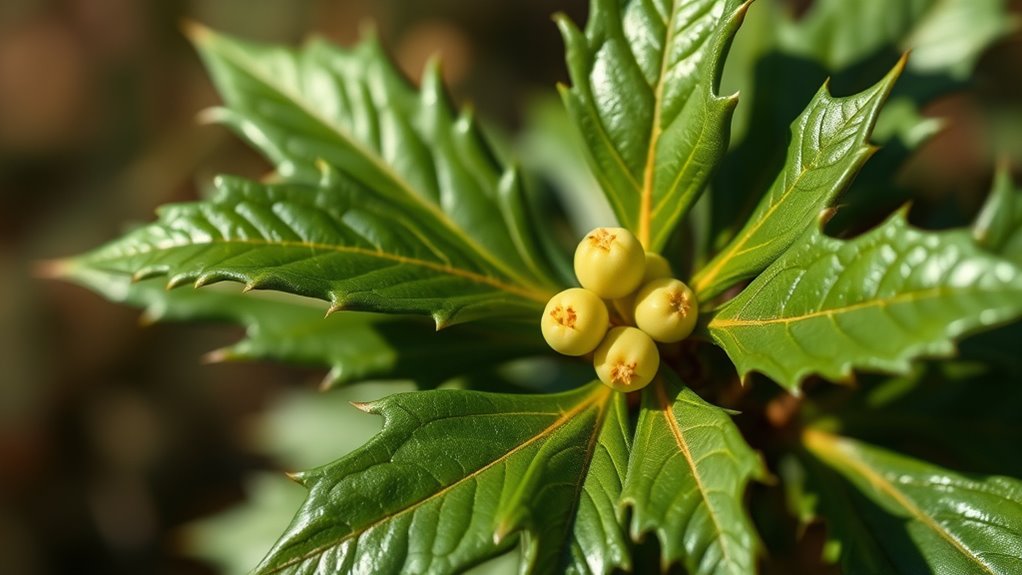

Yaupon Holly is a native North American plant valued for its naturally caffeinated leaves, which have historically been brewed into a traditional tea. This energizing drink played a significant role in Indigenous cultures, symbolizing community and resilience. It’s eco-friendly, supporting local ecosystems and pollinators while requiring fewer resources due to its regional adaptability. If you want to explore more about this versatile plant’s cultural, ecological, and modern uses, there’s plenty to discover ahead.
Key Takeaways
- Yaupon Holly is a native North American plant known for its naturally caffeinated leaves used to brew traditional tea.
- It supports local ecosystems by providing habitat and nourishment for native pollinators and wildlife.
- Indigenous communities historically harvested Yaupon for its energizing properties in social and ceremonial practices.
- Recognized as a sustainable, eco-friendly caffeine source, blending traditional use with modern health trends.
- Planting Yaupon Holly promotes native plant conservation and enhances ecological and landscape resilience.
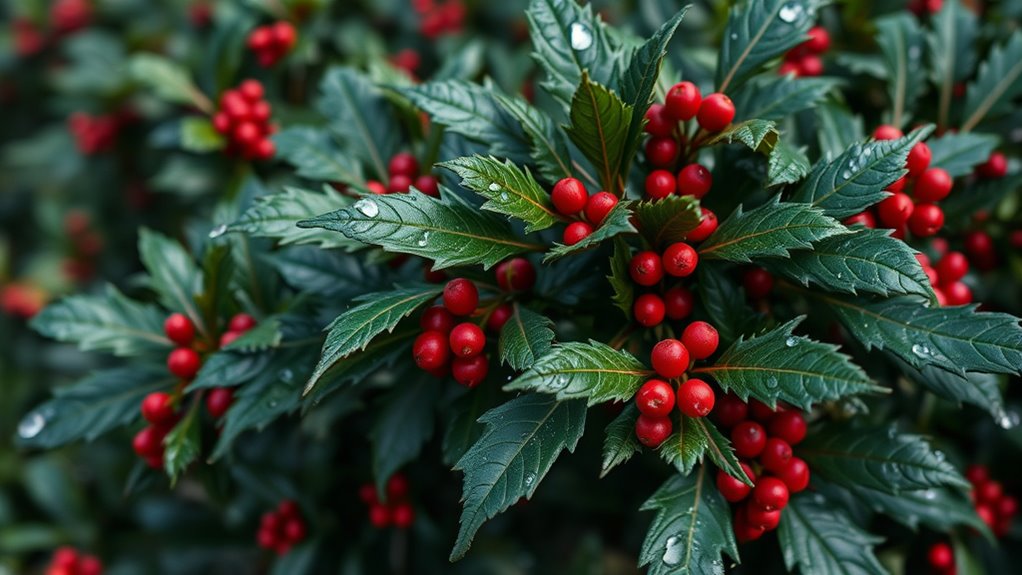
Have you ever wondered about the unique charm of the Yaupon Holly? This small evergreen shrub is more than just a pretty plant; it holds a special place in North America’s natural and cultural landscape. As a native plant, the Yaupon Holly plays a vital role in native plant conservation efforts. By supporting this resilient species, you’re helping preserve the local ecosystem, promoting biodiversity, and maintaining the health of the environment. Native plants like the Yaupon are adapted to regional conditions, requiring less water and fewer resources, making them an eco-friendly choice for conservation. Their presence helps sustain native pollinators, birds, and other wildlife that rely on these plants for food and shelter.
Beyond its ecological importance, the Yaupon Holly carries deep cultural significance, especially among Indigenous communities. Historically, many Native American tribes valued the plant for its invigorating properties. They harvested its leaves to brew a caffeinated tea that served as a stimulant, a social and ceremonial beverage that connected people to their traditions and environment. This cultural heritage underscores the plant’s role as more than just flora—it’s a symbol of community, resilience, and traditional knowledge. Today, understanding and respecting this cultural significance encourages a broader appreciation of the plant’s importance, fostering a sense of stewardship and conservation.
In recent years, the Yaupon Holly has gained renewed attention as a native, sustainable source of caffeine. Its leaves, once used by Indigenous peoples, are now celebrated in modern health-conscious circles for their natural energy boost without the jitters associated with synthetic caffeine. As you explore its uses, you’ll see how this plant bridges the gap between tradition and contemporary wellness. Supporting native plant conservation efforts helps guarantee that future generations can continue to enjoy its cultural and ecological benefits. Planting Yaupon hollies in your landscape not only adds beauty but also contributes to the preservation of this remarkable species.
Frequently Asked Questions
How Does Yaupon Holly Compare to Traditional Coffee in Caffeine Content?
You’ll find that yaupon holly has a caffeine comparison close to traditional coffee, but it’s generally milder in beverage strength. A typical cup of yaupon contains about 30-50 milligrams of caffeine, whereas coffee offers roughly 95 milligrams or more. So, if you prefer a gentler energizer, yaupon holly’s your go-to. It provides a natural caffeine boost without the jitters often associated with stronger coffee.
Can Yaupon Holly Be Safely Consumed by Children or Pregnant Women?
You should be cautious about giving yaupon holly to children or consuming it during pregnancy. While it’s generally safe in moderation for healthy adults, children’s safety and pregnancy considerations require consulting a healthcare professional. The caffeine content can affect children’s development and pregnancy outcomes. It’s best to restrict or avoid yaupon holly in these situations to prevent potential side effects and ensure safety for both children and expecting mothers.
What Are the Best Methods for Harvesting Yaupon Holly Leaves?
You’re on the right track by knowing that careful harvesting techniques matter. To get the best leaves, select young, healthy ones from the top of the plant, avoiding any that look damaged or diseased. Use pruning shears or scissors to gently snip the leaves, making clean cuts. This way, you maintain the plant’s health and ensure a quality harvest—sometimes, a little know-how goes a long way.
Are There Any Health Benefits Associated With Yaupon Holly Tea?
You’ll find that yaupon holly tea offers health benefits, thanks to its antioxidant properties that help protect your cells. It may also promote stress reduction, helping you feel calmer and more relaxed. Drinking this native caffeinated brew can boost your energy naturally while supporting your overall well-being. So, enjoy a cup to reap these benefits and experience a soothing, healthful moment in your day.
How Is Yaupon Holly Cultivated Outside Its Native Range?
Growing yaupon holly outside its native range is like planting a puzzle piece in a new landscape. You’ll want to focus on nursery propagation and select varieties suited for your climate. Guarantee soil adaptation by amending the soil with organic matter and maintaining proper drainage. Regular watering and minimal pruning help the plant adapt and thrive, turning your garden into a new home for this resilient, caffeinated native.
Conclusion
Now that you know about yaupon holly, it’s like holding a hidden treasure in your hands—America’s native caffeinated secret. By embracing this ancient brew, you not only enjoy a natural energy boost but also connect with a rich cultural history rooted in the land. So next time you crave a pick-me-up, think of yaupon holly and let its vibrant spirit awaken your senses, turning your daily routine into a journey through time.