
Tigernut horchata is a traditional, naturally sweet beverage with deep cultural roots and notable nutritional benefits. You’ll find it popular in regions like Spain, North Africa, and West Africa, where it’s been enjoyed for centuries. It’s made from tigernuts, which are rich in fiber, healthy fats, and antioxidants. This drink not only offers health perks but also connects you to a tradition of sustainable farming and cultural heritage. Keep exploring to discover more about its fascinating history and benefits.
Key Takeaways
- Tigernut horchata has deep historical roots in regions like Spain, North Africa, and West Africa, where it was a vital traditional beverage.
- It is naturally sweet, nutritious, and rich in fiber, vitamins, and minerals, offering health benefits alongside cultural significance.
- The beverage represents a connection to cultural heritage, often prepared using traditional methods and recipes passed through generations.
- Cultivation of tigernuts emphasizes sustainable farming practices that support soil health, biodiversity, and local farming communities.
- Choosing tigernut horchata promotes ecological responsibility, preserves traditional agriculture, and maintains cultural identity through its consumption.
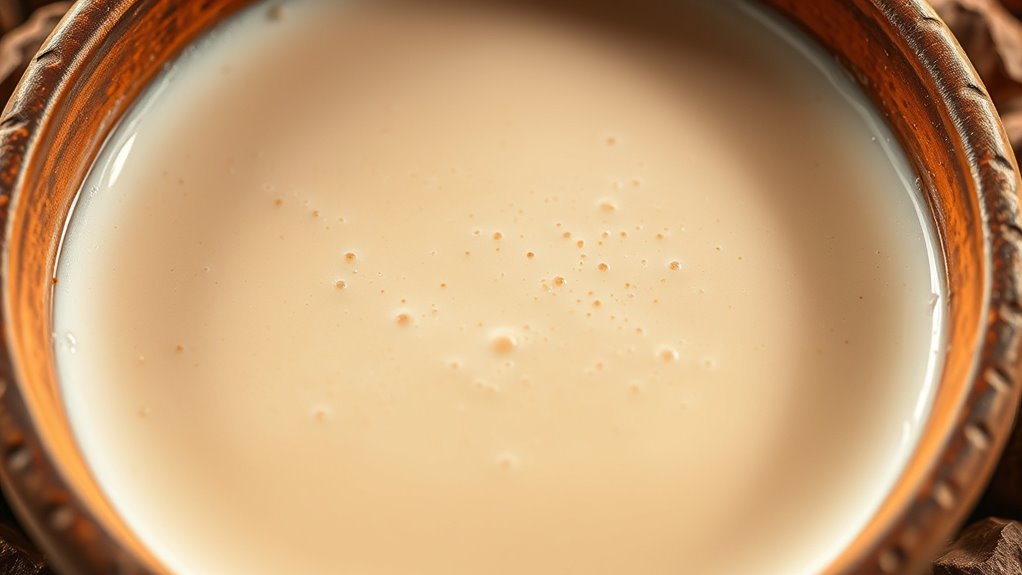
Tigernut horchata is a revitalizing, naturally sweet beverage that’s gaining popularity for its unique flavor and health benefits. Its roots run deep in history, especially in regions where sustainable farming practices have preserved traditional cultivation methods. When you explore tigernut horchata, you’re not just tasting a delicious drink—you’re also experiencing a connection to cultural heritage. In many communities, the cultivation of tigernuts is more than just agriculture; it’s a practice that has been passed down through generations, embodying cultural significance and local traditions. These small tubers are often grown using sustainable farming techniques, which focus on maintaining soil health and reducing environmental impact. By choosing products made from sustainably farmed tigernuts, you support practices that prioritize ecological balance, helping to preserve the land and local ecosystems for future generations.
The cultural significance of tigernuts runs deep, especially in regions like Spain, North Africa, and parts of West Africa. Historically, these areas have relied on tigernuts as an essential food source, often turning to them during times of hardship or as part of traditional festivities. In Spain, for example, tigernut horchata has become synonymous with regional identity, with centuries-old recipes still cherished today. In North Africa, the consumption of tigernuts ties into rituals and social customs that reinforce community bonds. When you enjoy tigernut horchata, you’re participating in a cultural tradition that has survived colonial influences, modern globalization, and changing tastes. It’s a declaration to how food can serve as a bridge between history and present-day life, connecting you to the stories and practices of those who have cultivated and consumed tigernuts long before you.
Moreover, the sustainability of tigernut farming enhances its cultural importance, as it helps maintain local economies and traditional farming communities. This approach encourages small-scale farmers to continue their practices, ensuring the preservation of indigenous knowledge and biodiversity. Additionally, regions that cultivate tigernuts often promote local agricultural practices, which support community resilience and food sovereignty. When you choose tigernut horchata, you’re supporting not only a nutritious beverage but also a movement toward environmentally responsible agriculture rooted in cultural reverence. This connection between sustainable farming and cultural significance makes tigernut horchata more than just a drink; it’s a symbol of resilience, tradition, and ecological consciousness. As you sip this naturally sweet beverage, you’re partaking in a legacy that values both the health of the planet and the cultural identities that have safeguarded these practices for generations.
Frequently Asked Questions
Is Tigernut Horchata Suitable for People With Nut Allergies?
If you have nut allergies, tigernut horchata might not be appropriate due to nut allergy considerations. While tigernuts aren’t true nuts, cross reactivity concerns can arise because your immune system might react to them similarly. It’s best to consult your allergist before trying tigernut horchata. Always check labels carefully for potential cross-contact and allergen information to ensure your safety.
How Does Tigernut Horchata Compare to Traditional Dairy-Based Drinks Nutritionally?
Think of tigernut horchata as a vibrant alternative to traditional dairy drinks. Nutritionally, it’s lower in calories and fat, making it a lighter choice. It offers more fiber and healthy fats, which promote digestion and heart health. While dairy provides protein and calcium, tigernut horchata supplies unique health benefits, like antioxidants. Overall, it’s a nutritious, plant-based option that supports your wellness goals without sacrificing flavor.
Can Tigernut Horchata Be Used as a Dairy Milk Substitute in Cooking?
Yes, you can use tigernut horchata as a dairy milk replacement in cooking. Its creamy texture and natural sweetness make it a versatile cooking ingredient, perfect for baking, smoothies, or sauces. Just keep in mind that it has a slightly nutty flavor, so it may alter the taste of your dishes. Substituting it for dairy milk adds a dairy-free, nutrient-rich element to your recipes.
What Are the Environmental Benefits of Cultivating Tigernuts?
You’ll love that cultivating tigernuts promotes sustainable farming, reducing the need for harmful pesticides and water. This crop also supports biodiversity preservation by thriving in diverse environments without depleting resources. Unlike some intensive agriculture, tigernuts require less land and water, making them eco-friendly. By choosing tigernuts, you’re helping protect ecosystems and promote environmentally responsible farming practices that benefit both the planet and future generations.
Are There Any Known Health Risks Associated With Consuming Tigernut Horchata Regularly?
Consuming tigernut horchata regularly can pose potential allergen concerns if you’re sensitive to nuts or seeds. While generally safe for most, it’s wise to enjoy it in moderation to avoid digestive issues or allergic reactions. Always check ingredient labels for any additives or preservatives that might cause problems. If you have allergies or health concerns, consult a healthcare professional before making it a daily part of your diet.
Conclusion
Tigernut horchata is a delightful drink that combines history, nutrition, and flavor, much like a treasure chest of natural goodness. As you sip, you’re not just enjoying a invigorating beverage but also nourishing your body with its wholesome properties. It’s like a comforting hug from nature itself—rich, satisfying, and utterly delightful. So, next time you crave something unique and healthy, remember tigernut horchata is waiting to brighten your day. Cheers to good health and great taste!