
Lupin coffee offers you a sustainable, legume-based alternative to traditional coffee that’s rich in flavor and nutrients. Made from roasted lupin beans, it provides a earthy taste without caffeine jitters, supporting your health with high protein, fiber, and essential minerals. It’s also eco-friendly, promoting sustainable farming and reducing water and soil impact. Staying curious about this plant-based brew will reveal even more reasons why it’s a smart choice for both your health and the planet.
Key Takeaways
- Lupin coffee is made from roasted lupin beans, a legume-based alternative to traditional coffee.
- It offers a rich, earthy flavor without caffeine jitters, suitable for those seeking a coffee substitute.
- The beverage promotes sustainability through eco-friendly farming practices that conserve water and soil health.
- Nutritionally, lupin coffee is high in protein, fiber, and minerals, supporting healthy digestion and steady energy.
- Its resilient crop nature reduces environmental impact by requiring fewer inputs and growing well in diverse climates.

Have you ever wondered if there’s a coffee alternative that’s not only delicious but also better for you? If so, lupin coffee might just be what you’re looking for. Made from roasted lupin beans, this legume-based brew offers a unique twist on traditional coffee, providing a rich, earthy flavor without the caffeine jitters. What sets lupin coffee apart is its commitment to sustainable farming practices. Farmers cultivating lupins often focus on eco-friendly methods, reducing the need for chemical fertilizers and pesticides. This approach benefits the environment by preserving soil health and promoting biodiversity. When you choose lupin coffee, you’re supporting agricultural systems that prioritize sustainability, helping to reduce your carbon footprint compared to conventional coffee production.
Beyond its environmental benefits, lupin coffee packs impressive nutritional benefits. Unlike regular coffee, which can sometimes cause stomach upset or dehydration, lupin beans are naturally rich in protein, fiber, and essential minerals. Drinking lupin coffee can help keep you full longer, making it an excellent choice for those looking to curb snacks or maintain steady energy levels throughout the day. Its high fiber content supports healthy digestion, while the protein boost can contribute to muscle maintenance and overall satiety. Additionally, lupin beans are low in fat and free from common allergens, making lupin coffee a safe option for many with dietary restrictions. Its resilience and ability to grow in various climates further highlight its sustainability advantages.
Another advantage of lupin coffee is its minimal environmental impact. Since lupins are resilient legumes, they require less water and fewer inputs than traditional coffee crops. This means that growing lupins not only saves water but also reduces soil erosion and energy consumption. Their ability to fix nitrogen in the soil decreases the need for synthetic fertilizers, further enhancing sustainability. Choosing lupin coffee aligns with eco-conscious values, allowing you to enjoy a flavorful beverage while supporting farming methods that are kinder to the planet. Additionally, the sustainable farming practices used in lupin cultivation help ensure the long-term health of the environment and promote biodiversity.

CASABREWS Ultra Espresso Machine with LCD Display, Espresso Maker with Powerful Milk Frother, Customizable Brewing Temperature, Provides Barista-Level Lattes and Cappuccinos, Gift for Men & Women
Brew Cafe-Quality Espresso at Home: Elevate your coffee experience with our sleek coffee machine featuring an LCD display...
As an affiliate, we earn on qualifying purchases.
Frequently Asked Questions
How Does Lupin Coffee Compare Nutritionally to Traditional Coffee?
Lupin coffee offers notable nutritional differences compared to traditional coffee, with higher protein and fiber content, and lower caffeine levels. These differences can positively impact your health by supporting digestion and providing sustained energy without jitters. The legumes contain antioxidants and nutrients that may reduce inflammation, making lupin coffee a potentially healthier alternative, especially if you’re sensitive to caffeine or seeking added nutritional benefits.
Are There Any Known Allergies Associated With Lupin Coffee?
If you’re allergic to Lupin, you should steer clear of lupin coffee, as Lupin allergy and legume sensitivity are real concerns. While it’s a trendy, eco-friendly brew, it can trigger reactions in those with legume allergies. So, don’t sip blindly—check labels, and if you have known legume sensitivities, it’s safer to avoid this legume-based roast altogether. Better safe than sorry, especially with allergies!
What Is the Environmental Impact of Cultivating Lupins for Coffee?
You’ll find that cultivating lupins for coffee has a positive environmental impact when you focus on sustainable farming practices. These practices reduce water and chemical use, promote soil health, and support biodiversity preservation. By choosing farms committed to eco-friendly methods, you help minimize land degradation and guarantee that lupin cultivation benefits ecosystems rather than harming them, making it a more sustainable and environmentally conscious choice for coffee production.
Can Lupin Coffee Be Brewed With Standard Coffee Equipment?
Yes, you can brew lupin coffee with standard coffee equipment. It’s compatible with most brew methods, including drip brewers, French presses, and espresso machines. Just grind the roasted lupin beans to your preferred consistency, and use your usual coffee ratios. Since lupin coffee has a different composition than traditional coffee, you might need to experiment with brew times and grind sizes to achieve the best flavor.
What Are the Potential Health Benefits of Drinking Lupin Coffee?
Drinking lupin coffee offers you several health benefits, including increased fiber benefits that support digestion and help regulate blood sugar levels. You also gain antioxidant properties that combat free radicals, reducing inflammation and potentially lowering your risk of chronic diseases. By choosing lupin coffee, you boost your overall health while enjoying a unique, legume-based brew. It’s a nutritious alternative to traditional coffee, helping you stay energized and healthy.

HANROSE Espresso Machine with Grinder, 20Bar Espresso Machine Stainless Steel, Coffee Machine with Milk Frother for Latte/Cappuccino, Adjustable Temperature, Independent Hot Water & Americano Function
【Powerful Extraction System】 This Espresso machine with grinder features an Italian ULKA 20-bar pump and a 1500W enhanced...
As an affiliate, we earn on qualifying purchases.
Conclusion
As you savor lupin coffee, you embrace a new, sustainable choice that challenges traditional notions of comfort and familiarity. While it’s a legume-based roast, it offers the richness of coffee without the environmental guilt. In this simple act, you balance innovation and tradition, proving that sometimes, the most unexpected ingredients can redefine your daily routine. Embrace this blend of contrast—familiar flavor, newfound purpose—and let it inspire your journey toward mindful consumption.
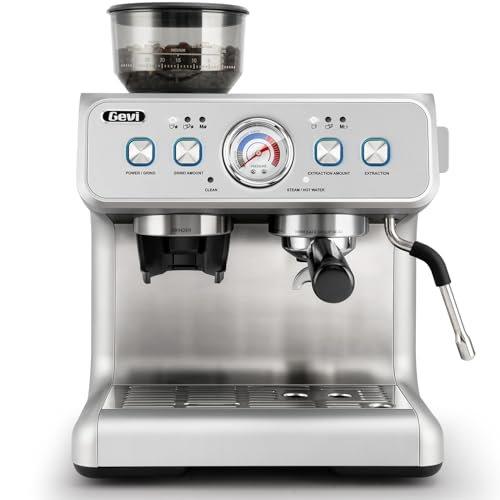
Gevi Dual Boiler Espresso Machine with Built-in Grinder, 58mm Commercial Portafilter, Barista Steam Wand, 31 Grind Settings, Stainless Steel, for Home Barista Use, Sterling Silver
𝐏𝐨𝐰𝐞𝐫𝐟𝐮𝐥 𝐚𝐧𝐝 𝐬𝐭𝐚𝐛𝐥𝐞 𝐏𝐫𝐞𝐬𝐬𝐮𝐫𝐞 𝐒𝐲𝐬𝐭𝐞𝐦 - Gevi espresso machine's high-pressure system expertly manages the flow of water, forcing...
As an affiliate, we earn on qualifying purchases.

AMZCHEF Ultra Espresso Machine, 58mm Professional with PID Temperature Control for Light to Dark Roast Beans, Built-in Pressure Gauge & 10mm Steam Wand,Provides Barista-Level Lattes and Cappuccinos
✅ Commercial-Grade 58mm Portafilter Unlike common 51mm portafilters, our product features a true 58mm professional portafilter. This larger...
As an affiliate, we earn on qualifying purchases.