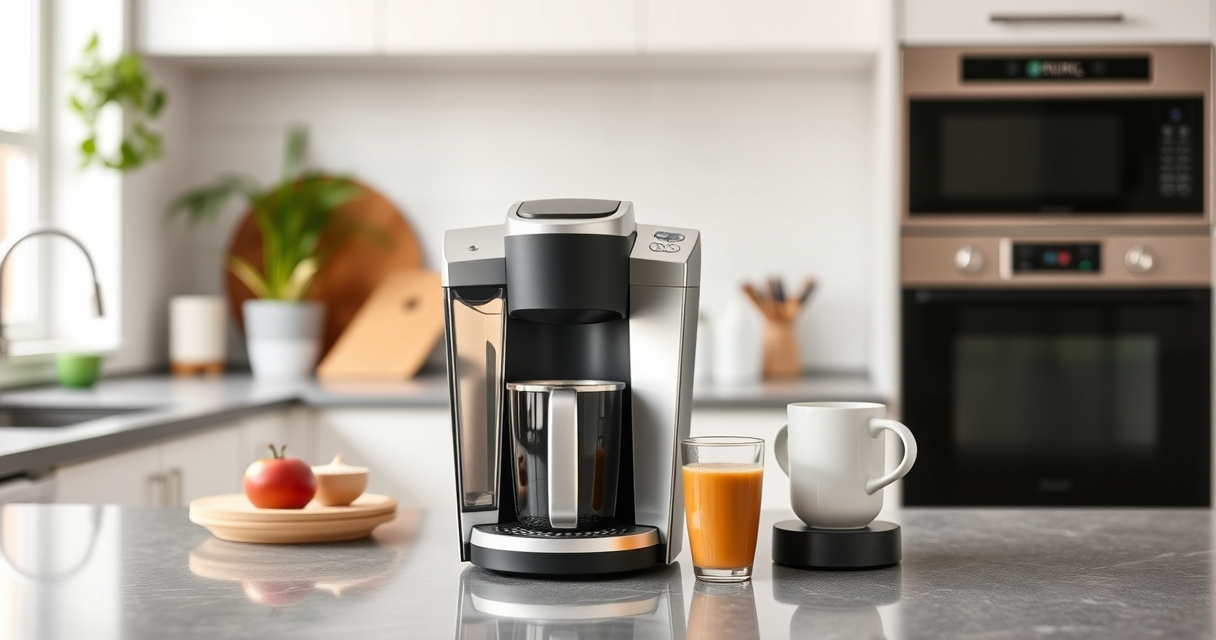

If your Keurig K-Mini Single Serve Coffee Maker isn’t brewing a full cup or stops halfway, it can be frustrating. Often, issues like mineral buildup, clogs, or water reservoir problems cause these brewing inconsistencies. This guide provides practical, step-by-step solutions to get your coffee maker working like new, ensuring you enjoy your favorite brew without interruptions.

Get coffee and tea gear delivered free with Prime
- Fast, free delivery on millions of items
- Prime Video, Amazon Music and more included
- Member-only deals all year
Follow these simple troubleshooting steps safely to resolve common problems and maintain your Keurig’s optimal performance.
Key Takeaways
| Regular Cleaning is Key | Mineral deposits and residue can block water flow. |
| Check Water Reservoir | Ensure it’s filled and properly seated. |
| Descale Periodically | Mineral buildup reduces brewing capacity. |
| Inspect for Clogs | Clean the needle and water pathways. |
| Use Reusable Filter | Prevents clogging from ground coffee. |
Step 1: Ensure Proper Water Level and Placement
- Open the water reservoir lid and refill with fresh, clean water if low.
- Make sure the reservoir is securely seated in its position.
- Confirm the water level is within the recommended range for your brew size.
Step 2: Clean the Water Needle and Brew Path
- Turn off and unplug your Keurig for safety.
- Use a paperclip or a needle to gently clear any clogs in the needle located at the top of the machine.
- Wipe down the needle area with a damp cloth to remove any residue.
Step 3: Descale Your Keurig
- Fill the water reservoir with equal parts water and descaling solution or white vinegar.
- Run a brewing cycle without a K-Cup, allowing the solution to pass through.
- Repeat with fresh water to rinse out the descaling solution.
Step 4: Check for Blockages and Clogs
Inspect the brew head and needle for any grounds or debris. Use a toothpick or a small brush to dislodge any blockages. This can significantly improve water flow and brewing performance.
Step 5: Use Reusable Filter or Proper Pods
If using ground coffee, switch to a compatible reusable filter like the My K-Cup® Reusable Coffee Filter to prevent clogging and ensure full brewing capacity.
The Products in This Guide
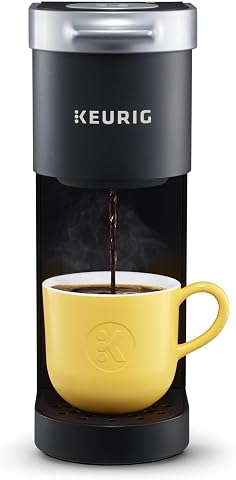
Keurig K-Mini Single Serve K-Cup Pod Coffee Maker
- ✔ Capacity: 6-12oz
- ✔ Width: Less than 5 inches
- ✔ Height: Approx. 12 inches
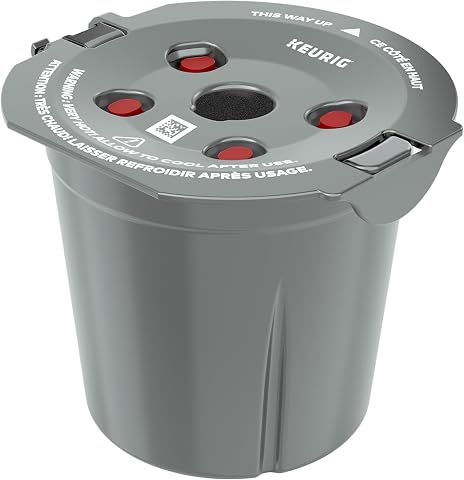
My K-Cup® Reusable Coffee Filter
- ✔ Reusable: Yes
- ✔ Material: Plastic
- ✔ Dishwasher Safe: Yes
Keurig K-Mini Single Serve K-Cup Pod Coffee Maker
The Keurig K-Mini is a sleek, space-saving coffee maker that brews quickly and efficiently. Regular maintenance, including descaling and cleaning, helps keep it functioning at its best.
Pros:
- Fits small spaces
- Brews up to 12oz
- Removable drip tray
- Energy efficient
Cons:
- Limited to one cup size per brew
- Requires frequent descaling in hard water areas
- No water filter included
Best for: Small kitchens, dorms, offices
Not ideal for: Heavy daily use or large volume brewing
Bottom line: Compact, efficient, and perfect for small spaces with simple maintenance.
My K-Cup® Reusable Coffee Filter
The My K-Cup® Reusable Coffee Filter allows you to brew your favorite ground coffee easily and reduces the risk of clogging that can cause partial brews. It’s compatible with your Keurig and enhances brewing consistency.
Pros:
- Use your own ground coffee
- Reduces waste
- Easy to clean
- Compatible with many Keurig models
Cons:
- Requires regular cleaning
- May need fine-tuning for grind size
- Not a replacement for descaling
Best for: Brewing ground coffee, eco-conscious users
Not ideal for: Using pre-packaged K-Cups exclusively
Bottom line: A practical and eco-friendly solution for ground coffee lovers.
Frequently Asked Questions
Why does my Keurig only brew partial cups?
This is often caused by mineral buildup, clogs in the needle, or a low water level. Regular cleaning and descaling can resolve this issue.
How often should I descale my Keurig?
Descaling is recommended every 3 to 6 months, depending on your water hardness and usage frequency.
Can I use ground coffee in my Keurig?
Yes, with a compatible reusable filter like the My K-Cup® Reusable Coffee Filter, you can brew your own ground coffee.
What safety precautions should I take when cleaning my Keurig?
Always unplug the machine before cleaning or descaling. Use gentle tools like a toothpick or soft brush to clear clogs, and avoid using harsh chemicals.
Keep Your Keurig Brewing Perfectly
By following these troubleshooting steps, you can resolve most issues with your Keurig K-Mini and ensure it brews full, delicious cups every time. Regular maintenance, such as descaling and cleaning, extends the life of your machine and maintains the quality of your coffee. With a little attention, your Keurig will continue to serve you well for years to come.
Affiliate disclosure: As an Amazon Associate we earn from qualifying purchases. Prices and availability are accurate as of the time of publishing.
Columbus Day / Indigenous Peoples' Day Picks
long weekend sales
As an affiliate, we earn on qualifying purchases.