
If your De’Longhi espresso machine is leaking water, it can be frustrating and disrupt your daily coffee routine. Water leaks can stem from various issues, including clogged or damaged parts, mineral buildup, or worn-out seals. Fortunately, many leaks are fixable with some simple troubleshooting steps.

Get coffee and tea gear delivered free with Prime
- Fast, free delivery on millions of items
- Prime Video, Amazon Music and more included
- Member-only deals all year
In this guide, we’ll walk you through practical, safe, and accurate methods to identify and resolve water leaks in your De’Longhi Magnifica Evo Next Fully Automatic Espresso Machine, ensuring it operates smoothly again. Always remember to unplug your machine before starting any repairs to prevent electrical hazards.
Key Takeaways
| Identify the leak source | Locate where the water is leaking from to target your fix. |
| Check for clogs and blockages | Mineral deposits or blockages can cause leaks and should be cleared. |
| Inspect seals and gaskets | Worn or damaged seals are common leak causes and may need replacement. |
| Maintain regular descaling | Descaling prevents mineral buildup that can lead to leaks. |
| Replace filters if needed | A clogged or expired water filter can affect water flow and cause leaks. |
Identify the Source of the Leak
The first step in fixing a leaking De’Longhi espresso machine is to determine where the water is coming from. Carefully inspect the machine while it’s on and actively leaking. Common areas include the water reservoir, the brew group, or the drip tray.
Check if the leak appears directly from the water reservoir, which might indicate a loose connection or a cracked tank. If water drips from the brew group, it could be a seal issue or clog. Leaks from the drip tray may suggest overflowing due to blockages or overfilled containers.
By pinpointing the exact location, you can focus your troubleshooting efforts more effectively, saving time and avoiding unnecessary parts replacement.
Inspect and Clean the Water System
- Unplug the machine and remove the water reservoir. Examine it for cracks or damage. Clean the reservoir thoroughly to remove any mineral deposits or debris that might obstruct water flow.
- Check the water inlet and outlet valves for blockages or mineral buildup. Use a soft brush or a toothpick to gently clear any obstructions.
- If your machine has a water filter, replace it if it’s clogged or overdue for replacement. A clogged filter can cause pressure issues leading to leaks.
- Reassemble and fill the reservoir with fresh, filtered water. Run a test cycle to see if the leak persists.
Regular cleaning and descaling are vital to prevent mineral buildup that can cause internal leaks over time.
Examine and Replace Worn Seals and Gaskets
Seals and gaskets are crucial for maintaining water pressure and preventing leaks. Over time, they can become brittle, cracked, or worn out, especially after frequent use or mineral buildup.
Inspect the seals around the brew group, water inlet, and other accessible areas. If you notice any cracks, tears, or deformation, it’s best to replace them.
Replacement seals are usually straightforward to install; consult your user manual or contact De’Longhi customer support for the correct parts. Replacing worn seals often resolves persistent leaks and restores proper water pressure.
Descale Your Machine Regularly
Mineral deposits from hard water can cause internal blockages and pressure issues, resulting in leaks. Regular descaling helps keep your machine in optimal condition.
Use a descaling solution like the De’Longhi EcoDecalk Descaler, following the manufacturer’s instructions. Typically, this involves mixing the solution with water, running it through the machine’s brew cycle, and then rinsing thoroughly.
Perform descaling every 2-3 months or more frequently if you notice signs of mineral buildup or reduced performance. Proper maintenance prolongs your machine’s lifespan and prevents leaks caused by internal deposits.
Check and Replace the Water Filter if Needed
If your espresso machine is equipped with a water filter, an expired or clogged filter can cause water pressure issues and leaks. To address this, remove the old filter and install a new one, such as the De’Longhi Replacement Water Filter.
Follow the filter’s installation instructions carefully and run a few test cycles to ensure the leak is resolved. Regular filter replacement helps maintain water quality and prevents pressure-related leaks.
The Products in This Guide
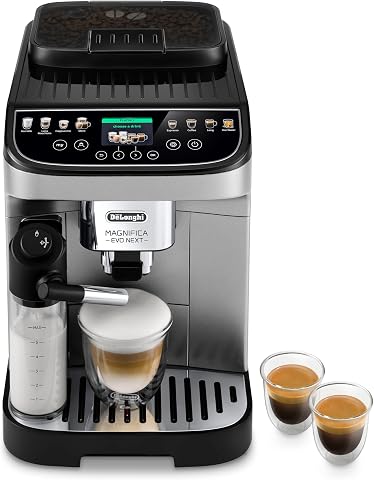
De’Longhi Magnifica Evo Next Fully Automatic Espresso Ma
- ✔ Power: 1450W
- ✔ Voltage: 120V
- ✔ Warranty: 1 year

De’Longhi Replacement Water Filter
- ✔ Size: Standard cartridge
- ✔ Weight: Approx. 150g
- ✔ Shelf Life: 2 months
De’Longhi Magnifica Evo Next Fully Automatic Espresso Ma
The De’Longhi Magnifica Evo Next Fully Automatic Espresso Machine offers a premium experience with programmable settings, built-in grinder, and milk frother. It’s designed for convenience and quality, making it a popular choice among coffee lovers.
Pros:
- Programmable with 13 recipes
- Built-in conical burr grinder
- Automatic milk frother
- Multiple customization options
Cons:
- Can be complex to troubleshoot for beginners
- Requires regular descaling
- Some parts may need replacement over time
Best for: Home baristas seeking convenience and quality
Not ideal for: Users who prefer manual espresso machines or minimal maintenance
Bottom line: A versatile, feature-packed espresso machine that requires regular maintenance to avoid leaks.
De’Longhi Replacement Water Filter
The De’Longhi Replacement Water Filter helps improve water quality, reduces mineral buildup, and enhances the performance of your espresso machine. It’s an easy upgrade that can prevent leaks caused by scale and deposits.
Pros:
- Improves water taste
- Prevents lime scale
- Easy to install
- Extends machine lifespan
Cons:
- Requires periodic replacement
- Additional cost
- Compatibility limited to select models
Best for: Maintaining water quality and preventing leaks
Not ideal for: Machines without a compatible filter system
Bottom line: A smart addition to protect your espresso machine from mineral damage and leaks.
Frequently Asked Questions
Why is my De’Longhi espresso machine leaking water from the bottom?
Leaking from the bottom often indicates a worn or damaged seal, a crack in the water tank, or an overflow due to a clogged drain or filter. Inspect these areas for damage.
How often should I descale my De’Longhi machine?
It’s recommended to descale every 2-3 months, or more frequently if you notice reduced performance or signs of mineral buildup, especially in hard water areas.
Can I fix a leak myself, or do I need professional help?
Many minor leaks can be fixed with routine cleaning, descaling, and seal replacements. For persistent or complex issues, contacting a professional or authorized service center is advisable.
What parts should I check if my machine is leaking water?
Inspect seals, gaskets, water inlet/outlet valves, and the water reservoir for cracks, wear, or blockages. Replacing worn seals often resolves leaks.
Should I replace the water filter regularly?
Yes, replacing the filter every 1-2 months helps maintain water quality and prevents mineral deposits that can cause leaks.
Keep Your Espresso Flowing Smoothly
Addressing water leaks in your De’Longhi espresso machine is manageable with regular maintenance and attentive troubleshooting. By identifying the source, cleaning internal components, replacing worn seals, and descaling regularly, you can restore your machine’s performance and enjoy perfect coffee every time. Remember, safety first—always unplug before attempting repairs, and consult professional help if needed.
Affiliate disclosure: As an Amazon Associate we earn from qualifying purchases. Prices and availability are accurate as of the time of publishing.
Halloween Picks
halloween
As an affiliate, we earn on qualifying purchases.