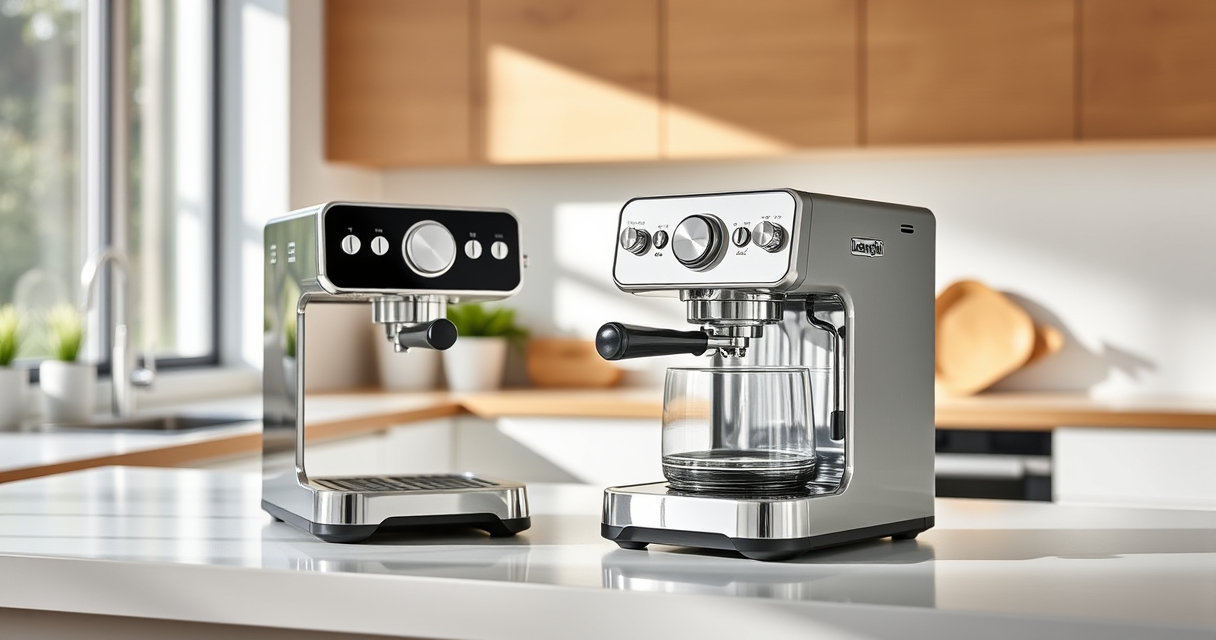
If your De’Longhi Magnifica Evo Next Fully Automatic Espresso Machine is leaking water, it can disrupt your coffee routine and signal underlying issues. Understanding common causes and how to fix them can save you time and prevent costly repairs. This guide walks you through practical, safe steps to identify and resolve water leaks effectively.

Get coffee and tea gear delivered free with Prime
- Fast, free delivery on millions of items
- Prime Video, Amazon Music and more included
- Member-only deals all year
Always prioritize safety and disconnect your machine from power before attempting repairs. With clear instructions, you’ll be able to troubleshoot most water leaks confidently.
Key Takeaways
| Identify leak sources | Leaks often stem from the water tank, hoses, or internal seals. |
| Check water tank fit | Ensure the water tank is properly seated and the gasket is intact. |
| Inspect internal components | Look for cracked hoses or damaged seals inside the machine. |
| Perform regular maintenance | Descaling and cleaning prevent mineral buildup causing leaks. |
Step 1: Unplug and Prepare
- Disconnect the machine from power to ensure safety.
- Remove the water tank carefully and inspect it for cracks or damage.
Step 2: Check the Water Tank and Seal
- Ensure the water tank is properly seated in its compartment.
- Inspect the rubber gasket or seal around the tank opening for cracks or wear.
- Replace the gasket if it appears damaged or worn out.
Step 3: Inspect Internal Components
- Open the access panel according to your machine’s manual.
- Look for any cracked or loose hoses connected to the water system.
- Check for mineral deposits or buildup that could cause blockages or leaks.
Step 4: Clean and Descale
Use a descaling solution like De’Longhi EcoDecalk to remove mineral buildup that might cause leaks. Follow the product instructions for safe and effective cleaning.
Step 5: Reassemble and Test
- Secure all components, ensuring hoses and seals are properly fitted.
- Refill the water tank and plug in the machine.
- Run a short brew cycle to check for leaks and confirm proper operation.
The Products in This Guide
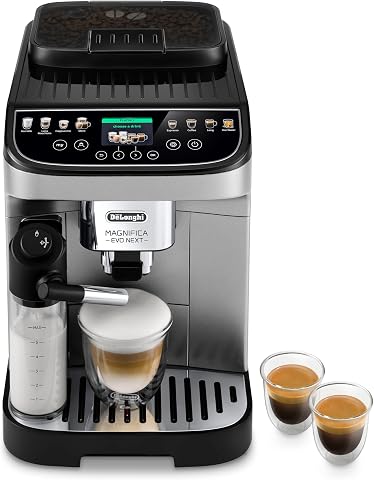
De’Longhi Magnifica Evo Next Fully Automatic Espresso Ma
- ✔ Grinder: 13 settings
- ✔ Frother: LatteCrema Hot System
- ✔ Recipes: 13 one-touch options

De’Longhi Replacement Water Filter
- ✔ Fitment: Select models
- ✔ Benefit: Improves water quality
- ✔ Replacement Interval: As recommended
De’Longhi Magnifica Evo Next Fully Automatic Espresso Ma
The De’Longhi Magnifica Evo Next offers a comprehensive brewing experience with programmable settings, built-in grinder, and milk frother. It’s designed for both convenience and quality, making it a popular choice in the US.
Pros:
- Multiple one-touch recipes
- Built-in grinder with 13 settings
- Automatic milk frothing system
- Versatile drink options
Cons:
- Can be complex for beginners
- Requires regular descaling
- Higher price point
Best for: Coffee enthusiasts seeking a fully automatic experience
Not ideal for: Users preferring manual espresso machines or minimal maintenance
Bottom line: A top-tier fully automatic espresso maker ideal for convenience and quality.
De’Longhi Replacement Water Filter
Using a water filter like the De’Longhi Replacement Water Filter can help prevent mineral buildup and leaks, ensuring better-tasting coffee and longer machine lifespan.
Pros:
- Reduces lime scale build-up
- Easy to install
- Enhances water quality
- Improves coffee flavor
Cons:
- Requires regular replacement
- Additional cost
- Compatible with select models
Best for: Maintaining water quality and preventing leaks
Not ideal for: If your machine is already leaking due to cracks or hoses
Bottom line: A simple upgrade that helps prevent water-related issues in your espresso machine.
Frequently Asked Questions
Why is my De’Longhi espresso machine leaking water?
Common causes include a loose or damaged water tank seal, cracked hoses, or mineral buildup inside the machine that causes blockages or pressure issues.
How can I prevent water leaks in my espresso machine?
Regularly descale the machine, check and replace seals and gaskets as needed, and ensure the water tank is properly seated and clean.
Can I fix internal leaks myself?
Yes, if you are comfortable with basic disassembly and inspection, you can check hoses and seals. However, for significant damage or complex issues, professional repair is recommended.
How often should I descale my De’Longhi espresso machine?
It is recommended to descale every 2-3 months or more frequently if you have hard water, using a product like De’Longhi EcoDecalk.
Keep Your Espresso Running Smoothly
Water leaks in your De’Longhi espresso machine can often be resolved with simple inspections and maintenance. Regularly checking seals, cleaning, and descaling can prevent most issues, ensuring your machine brews perfect coffee every time. If problems persist, professional repair might be necessary, but most leaks are manageable with the right steps.
Affiliate disclosure: As an Amazon Associate we earn from qualifying purchases. Prices and availability are accurate as of the time of publishing.
Halloween Picks
halloween
As an affiliate, we earn on qualifying purchases.