
If your De’Longhi Magnifica Evo or other models are leaking water, it can disrupt your coffee routine and cause damage over time. Water leaks are common issues but often fixable with simple steps. Understanding the causes helps you diagnose and resolve the problem quickly, saving you time and money.

Get coffee and tea gear delivered free — and shop member deals
- Fast, free delivery on millions of items
- Access to Prime Big Deal Days deals on October 6–7
- Prime Video, Amazon Music and more included
This guide offers practical, safe, and clear troubleshooting steps, along with tips to prevent future leaks. Whether you’re experiencing dripping, puddles, or inconsistent water flow, you’ll find the support you need to get your espresso machine back to optimal performance.
Key Takeaways
| Identify common causes | Leaks often stem from water reservoir issues, blockages, or damaged internal components. |
| Step-by-step troubleshooting | Follow precise steps to diagnose and fix water leaks safely. |
| Regular maintenance helps | Descaling, cleaning, and filter replacement prevent leaks. |
| When to seek professional repair | Persistent leaks after troubleshooting may require expert servicing. |
Check the Water Reservoir and Connections
- Turn off and unplug your De’Longhi espresso machine to ensure safety.
- Remove the water reservoir carefully, following the user manual instructions.
- Inspect the reservoir for cracks, warping, or damage that could cause leaks.
- Ensure the reservoir’s rubber gasket or seal is intact and seated properly.
- Reinsert the reservoir securely, making sure it fits snugly into place.
- Fill the reservoir with fresh, filtered water, and check if the leak persists when you run a brew cycle.
If you notice cracks or damage to the reservoir or seals, replacing the water filter or reservoir is recommended to prevent further issues.
Inspect the Drip Tray and Internal Components
- Remove the drip tray and check for overflow or accumulated water that might leak when the machine is operating.
- Clean the drip tray thoroughly, removing any blockages or debris.
- Check internal hoses and connections for loose fittings or cracks.
- If accessible, inspect the area around the boiler and piping for signs of corrosion or mineral buildup.
- Reassemble the drip tray and run a test brew to see if leaks continue.
Regular cleaning of the drip tray and internal components can prevent leaks caused by clogs or mineral deposits.
Examine the Brew Group and Gaskets
The brew group, where water contacts coffee grounds, can develop leaks if gaskets or seals are worn or misaligned. To inspect:
- Remove the brew group as per your model’s instructions.
- Check the rubber gaskets for cracks, tears, or deformities.
- Ensure the brew group moves smoothly and seats properly when reinstalled.
- If you find damaged gaskets or seals, replacing them is essential. Consider ordering genuine replacements from the manufacturer.
- Reinstall the brew group carefully, ensuring all seals are seated correctly.
- Run a test to confirm the leak has stopped.
Address Mineral Buildup and Descale the Machine
Mineral deposits can cause internal blockages, increasing pressure and leading to leaks. Regular descaling is vital:
- Use a descaling solution recommended for De’Longhi machines, such as the EcoDecalk Descaler.
- Follow the descaler instructions carefully, typically running the solution through the brewing cycle.
- Rinse the machine thoroughly with fresh water afterward.
- Perform descaling every 2-3 months, or more frequently if you have hard water.
Proper descaling maintains internal pathways and prevents leaks caused by mineral buildup.
When to Seek Professional Repair
If you’ve completed all troubleshooting steps and your De’Longhi espresso machine still leaks, it might be time to consult a professional. Persistent leaks could indicate internal component failures, such as a faulty pump or heat exchanger damage. Avoid attempting complex repairs yourself to prevent voiding warranties or causing further damage. Contact authorized service centers or De’Longhi customer support for expert assistance.
The Products in This Guide
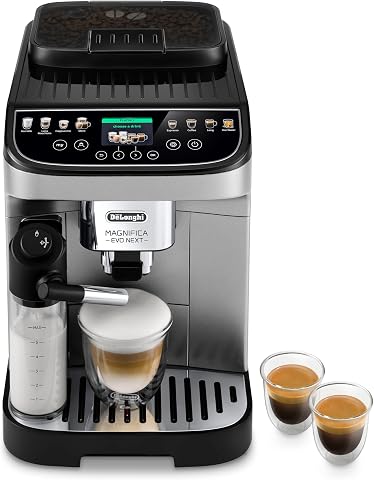
De’Longhi Magnifica Evo Next Fully Automatic Espresso Ma
- ✔ Capacity: 1.8L
- ✔ Weight: 22 lbs
- ✔ Voltage: 120V

De’Longhi Replacement Water Filter
- ✔ Filter Life: 2-3 months
- ✔ Compatibility: Select De’Longhi models
- ✔ Installation: Quick and easy
De’Longhi Magnifica Evo Next Fully Automatic Espresso Ma
The De’Longhi Magnifica Evo Next is a versatile and highly-rated espresso machine, perfect for coffee lovers who want convenience and quality. Its automatic features, built-in grinder, and milk frother make coffee brewing effortless and enjoyable.
Pros:
- Programmable with 13 recipes
- Built-in conical burr grinder
- Milk frother for lattes and cappuccinos
- Customizable settings
Cons:
- Can be complex for first-time users
- Requires regular descaling
- Slightly larger footprint
Best for: Home baristas seeking a versatile, all-in-one espresso solution
Not ideal for: Users preferring manual control or compact machines
Bottom line: A top-tier espresso machine combining convenience, performance, and versatility.
De’Longhi Replacement Water Filter
Using a water filter like the De’Longhi Replacement Water Filter helps prevent mineral buildup, ensuring your espresso machine operates smoothly and produces better-tasting coffee. It’s a simple upgrade that can significantly extend your machine’s lifespan.
Pros:
- Improves water taste
- Reduces lime scale buildup
- Easy to install
- Maintains optimal performance
Cons:
- Additional cost
- Needs replacement every 2-3 months
Best for: Home baristas wanting better water quality and machine durability
Not ideal for: Users who prefer tap water without filtration
Bottom line: A simple upgrade that preserves your machine’s performance and taste.
Frequently Asked Questions
Why is my De’Longhi espresso machine leaking water?
Leaking can be caused by damaged seals, cracked reservoirs, clogged internal components, or mineral buildup. Troubleshooting these areas helps identify and fix the issue.
How often should I descale my espresso machine to prevent leaks?
Typically, descale every 2-3 months, especially if you have hard water. Regular descaling prevents mineral buildup that can cause internal leaks.
Can I fix a leak caused by a cracked water reservoir myself?
If the reservoir is cracked, replacing it is the safest option. Attempting to repair cracks is generally not recommended due to potential safety issues.
What maintenance steps can prevent leaks?
Regularly cleaning the drip tray, inspecting and replacing seals, descaling, and using filtered water help prevent leaks and maintain performance.
When should I contact professional repair services?
If troubleshooting doesn’t resolve the leak or if internal components like pumps or heat exchangers are damaged, professional repair is advised.
Keep Your Coffee Fresh & Machine Leak-Free
De’Longhi espresso machines are excellent for home brewing, but water leaks can be frustrating. Regular maintenance, careful inspection, and timely replacements can prevent most issues. Following the troubleshooting steps outlined here will help you identify and fix the problem safely. If problems persist, professional repair ensures your machine continues to serve your coffee needs without leaks or damage.
Affiliate disclosure: As an Amazon Associate we earn from qualifying purchases. Prices and availability are accurate as of the time of publishing.
Fall Picks
fall essentials
As an affiliate, we earn on qualifying purchases.