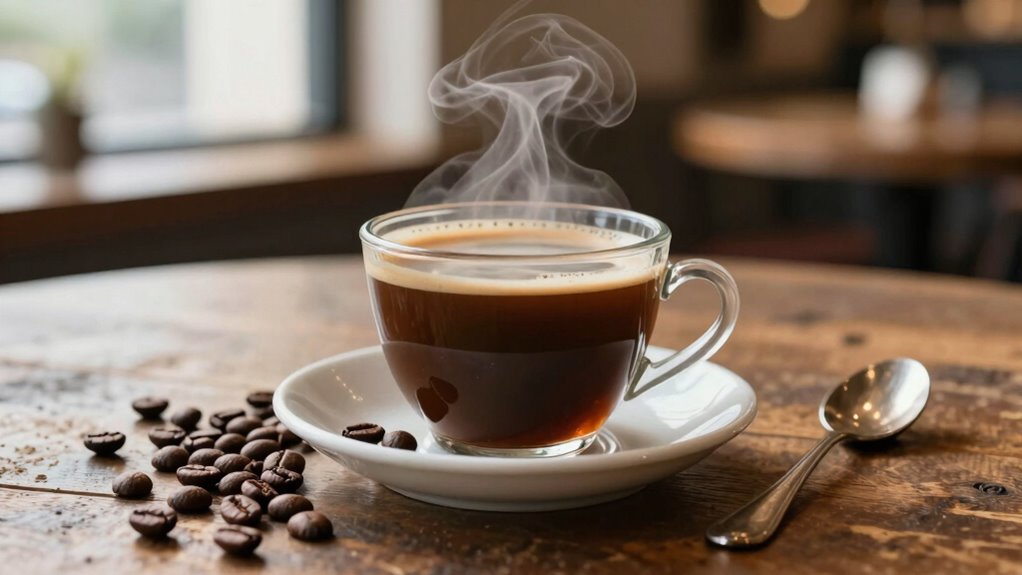

Your interest in decaf keeps evolving because more people are seeking health benefits and better flavor experiences. With growing concerns about heart health, inflammation, and caffeine sensitivity, decaf offers a healthier option without sacrificing taste. Advances in brewing techniques allow you to customize flavor and aroma more easily. Plus, new decaffeination methods help preserve the original coffee’s character. If you keep exploring, you’ll discover even more ways to enjoy decaf at its best.
Listen free for 30 days with Audible
Thousands of audiobooks and originals — cancel anytime.
As an affiliate, we earn on qualifying purchases.
Key Takeaways
- Growing health awareness drives interest in decaf for its perceived health benefits and reduced caffeine intake.
- Advances in brewing techniques enhance flavor and aroma, making decaf more appealing.
- Improved decaffeination processes help preserve the original flavor profile, attracting more consumers.
- Lifestyle factors, such as managing health conditions, increase demand for decaf options.
- Continuous innovation and exploration of decaf brewing methods sustain consumer engagement and interest.
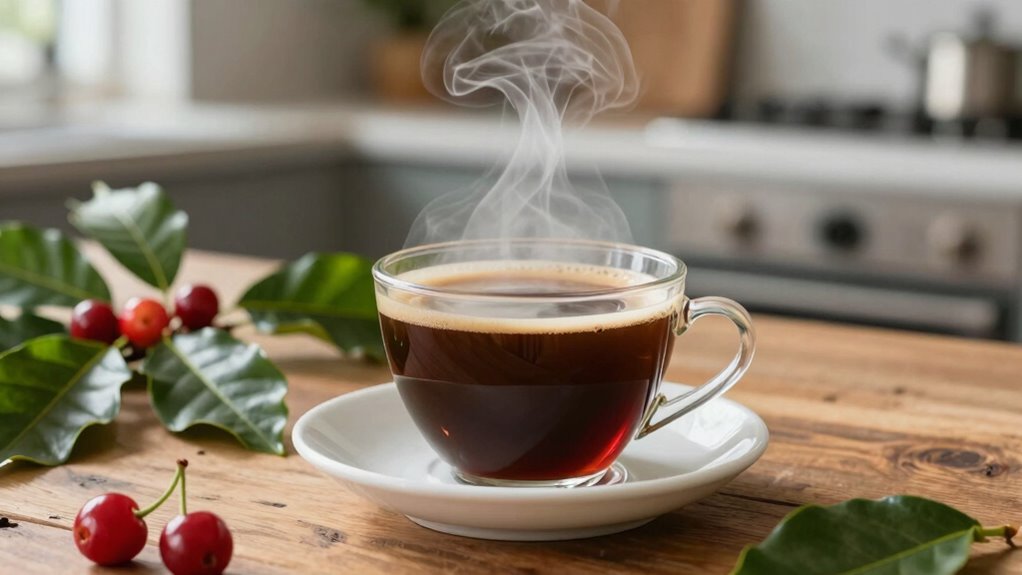
Many coffee drinkers are increasingly curious about decaf options, driven by health concerns, lifestyle changes, or personal preferences. This growing interest isn’t just about avoiding caffeine; it’s also about exploring the potential health benefits associated with decaffeinated coffee. Research suggests that decaf still offers many antioxidants and nutrients found in regular coffee, which can contribute to improved heart health, reduced inflammation, and better liver function. As more people learn about these health benefits, they become more open to trying decaf as a daily beverage.
Decaf coffee offers health benefits like antioxidants, supporting heart health and reducing inflammation.
At the same time, brewing techniques play an essential role in how you experience decaf coffee. Modern methods like pour-over, French press, or AeroPress allow you to control variables such as water temperature, grind size, and steeping time, which can profoundly enhance flavor and aroma. Whether you prefer a smooth, balanced cup or a bold, robust brew, understanding the right brewing techniques helps you get the most out of your decaf beans. Many specialty coffee shops and brands now offer decaf beans roasted specifically to preserve flavor, making it easier to craft your ideal cup at home.
You might find that some brewing methods are better suited for decaf, especially since the decaffeination process can sometimes strip away certain volatile compounds responsible for flavor. For example, cold brew tends to mellow out any residual bitterness, making it a popular choice for decaf drinkers. Conversely, espresso brewing can bring out the rich, intense qualities of decaf beans when done correctly. As you experiment with different techniques, you’ll discover how to maximize the health benefits of decaf while ensuring your brew is satisfying and flavorful. Additionally, understanding the decaffeination process can help you select beans that retain more of their original flavor profile.
Interest in decaf is also driven by lifestyle factors such as reducing caffeine intake late in the day or managing health conditions like hypertension or acid reflux. As you become more conscious of your health, decaf becomes an appealing alternative that allows you to enjoy the social and sensory pleasures of coffee without worrying about caffeine’s effects. The evolving landscape of decaf coffee reflects both a desire for healthful choices and a passion for mastering brewing techniques that bring out the best in every cup. Whether you’re seeking a calm evening brew or exploring new flavors, the trend toward decaf shows no signs of slowing down, keeping consumers like you engaged and motivated to discover more.
best decaf coffee beans for pour-over
As an affiliate, we earn on qualifying purchases.
As an affiliate, we earn on qualifying purchases.
Frequently Asked Questions
How Is Decaf Coffee Made Without Losing Flavor?
You can enjoy decaf coffee without losing flavor through advanced decaf innovations that focus on flavor preservation. Techniques like Swiss Water Process and carbon dioxide methods gently remove caffeine while maintaining the beans’ original taste profile. These methods guarantee your decaf remains rich and flavorful, making it almost indistinguishable from regular coffee. As decaf innovations continue, you get to savor a satisfying cup without compromising on taste or quality.
Does Decaf Coffee Contain Any Caffeine at All?
Decaf coffee does contain some caffeine, but it’s considerably less than regular coffee—usually about 97% of caffeine is removed. Many people have Decaf misconceptions, thinking it’s caffeine-free, but it’s not entirely. You, as a consumer, prefer decaf for its flavor without the jitters, and this preference keeps decaf’s popularity growing. Coffee brands now focus on reducing caffeine further while maintaining rich flavor, aligning with evolving consumer preferences.
Are There Health Benefits Specific to Decaf Coffee?
Decaf coffee offers specific health benefits, mainly due to caffeine reduction. By choosing decaf, you lower your intake of caffeine-related side effects like jitters or sleep disturbances. Additionally, decaf still provides antioxidants and nutrients that support your health. While it may not deliver all benefits of regular coffee, it’s a good option if you want to enjoy coffee’s perks without the caffeine rush, making it a healthier choice for sensitive individuals.
How Do Different Decaffeination Methods Affect Taste?
Different decaffeination methods impact taste by influencing flavor preservation and how the coffee reacts to brewing techniques. For example, the Swiss Water process maintains more of the original flavor, resulting in a richer taste, while chemical methods might cause subtle flavor loss. Your brewing techniques also matter—you might prefer pour-over or French press to highlight decaf’s nuanced flavors, making each cup uniquely satisfying regardless of the method used.
Is Decaf Coffee Suitable for People With Certain Health Conditions?
Decaf coffee can be suitable for many with health considerations, but it’s not universal. If you have certain health conditions like acid reflux or heart issues, decaf might help reduce symptoms, yet it’s best to consult your doctor. Allergy concerns are also important; some decaffeination processes use chemicals that could trigger reactions. Always check labels and ask about ingredients to guarantee decaf is safe for your specific health needs.
Conclusion
As you navigate the evolving world of decaf, remember that your choices shape more than just your cup—they reflect your values and awareness. Just like a river carving its path, your preferences influence the industry’s direction, demonstrating that even small decisions hold power. Embrace the journey of discovery, knowing that each sip brings you closer to aligning your habits with your ideals. After all, in the grand café of life, your taste buds are the compass guiding change.
Fall Picks
fall essentials
As an affiliate, we earn on qualifying purchases.