
Your beverage habits often respond to how well you sleep because unconscious cues, like tiredness or discomfort, drive your choices more than your motivation to improve rest. For example, you might reach for caffeine when you feel fatigued, even if you know it disturbs your sleep. Habitual actions and physical sensations tend to override your conscious goals. Keep this in mind, and you’ll discover simple ways to recognize and change these subconscious triggers.

Get coffee and tea gear delivered free with Prime
- Fast, free delivery on millions of items
- Prime Video, Amazon Music and more included
- Member-only deals all year
Key Takeaways
- Beverage habits are often automatic and driven by routines rather than conscious motivation.
- Tiredness triggers habitual drinking patterns that persist regardless of sleep quality.
- Physical discomfort from dehydration or caffeine effects influences beverage choices more than motivation.
- Subconscious cues, such as social settings or habits, shape beverage consumption independently of sleep needs.
- Recognizing these automatic behaviors helps modify habits to improve sleep, often more effectively than relying solely on motivation.
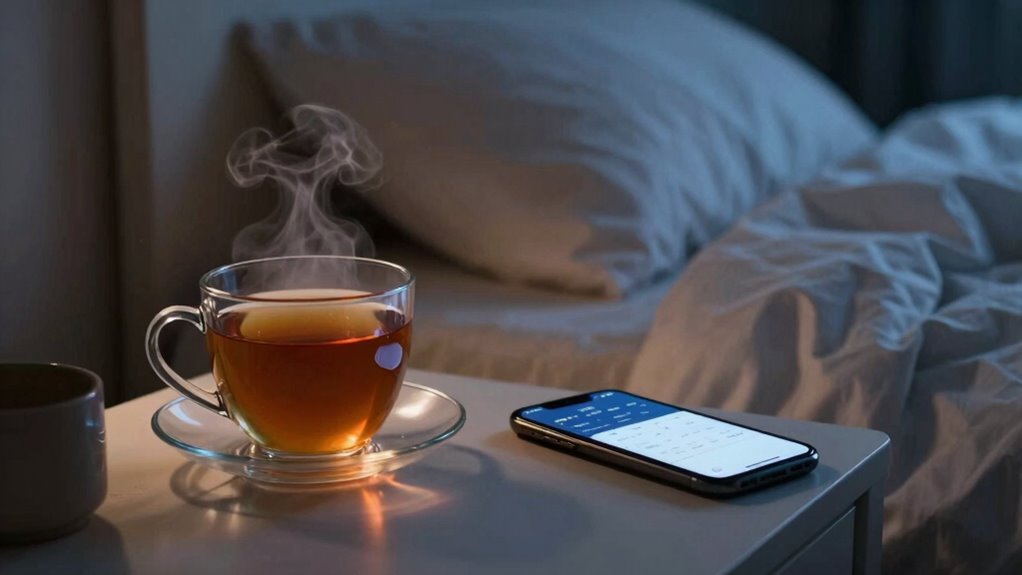
Have you ever wondered how your daily beverage choices affect your sleep quality? It’s a question that often goes unnoticed, but the connection runs deep. Your beverage habits are influenced by and, in turn, influence your sleep more than your motivation to rest. When you rely on caffeine, whether through coffee, tea, or energy drinks, you may develop a caffeine dependency that subtly alters your sleep cycle. Caffeine blocks adenosine receptors, which are responsible for signaling sleepiness, making it harder for you to fall asleep or stay asleep through the night. Over time, this dependency can lead you to consume more caffeine, creating a cycle where your sleep quality diminishes because of the very beverages you turn to for energy and alertness.
Caffeine consumption can disrupt your sleep cycle by blocking sleep signals, creating a cycle that worsens sleep quality over time.
In addition to caffeine dependency, your hydration effects play a significant role in how well you sleep. Staying properly hydrated supports overall bodily functions, including the regulation of your body temperature and the maintenance of healthy circulatory and nervous systems. If you’re dehydrated, you might experience discomfort that disrupts your sleep—such as dry mouth, headaches, or muscle cramps. Conversely, drinking too much fluid close to bedtime can lead to frequent trips to the bathroom, fragmenting your sleep cycles. Therefore, your hydration habits directly influence your sleep quality, often more than your motivation to get a good night’s rest. You might intend to sleep early and peacefully, but if your beverage choices are not aligned with healthy hydration practices, your sleep suffers.
What makes beverage habits more impactful than mere motivation is their subconscious nature. You might genuinely want to sleep better, but your reliance on caffeinated drinks and improper hydration habits can override your intentions. These choices are often habitual, driven by tiredness or social cues, rather than deliberate efforts to improve sleep. When you habitually consume caffeine late in the day, you may not realize how much it’s delaying your bedtime or reducing sleep depth. Similarly, inconsistent hydration can cause physical discomfort that you dismiss as just feeling tired. Because these factors operate beneath your conscious awareness, your sleep quality ends up being more a reflection of your beverage habits rather than your motivation to rest. Developing automatic behaviors can help you identify patterns that undermine your sleep.
Additionally, understanding the biological impact of caffeine on sleep can empower you to make smarter choices about your beverage consumption. Recognizing how caffeine dependency and hydration effects influence your sleep can help you make smarter choices. Adjusting your caffeine intake, especially in the afternoon, and maintaining balanced hydration throughout the day can significantly improve your sleep quality. These small changes, rooted in understanding your habits, often have a bigger impact than simply trying to force yourself into better sleep routines. Your daily beverage choices, often made automatically, can either support restful sleep or undermine it—so paying attention to them is key. Moreover, being aware of the timing of caffeine consumption can help you better plan your day and avoid sleep disturbances. Developing mindful drinking habits can further support your efforts to improve sleep quality. A lack of awareness about how these habits influence your sleep cycle can hinder your progress, making mindfulness essential.
As an affiliate, we earn on qualifying purchases.
Frequently Asked Questions
How Quickly Do Beverage Habits Change After Improving Sleep Quality?
Once your sleep consistency improves, your beverage habits can change within a few days to a week. You might start hydrating more regularly and reduce reliance on stimulants like caffeine, especially if you notice better sleep quality. As your sleep stabilizes, your hydration timing becomes more natural, encouraging healthier beverage choices. Over time, these habits solidify, positively reinforcing your overall sleep and wellness routines.
Do Certain Beverages Impact Sleep Quality More Than Others?
Certain beverages impact your sleep quality more than others, especially those affecting hydration balance and beverage preferences. Caffeinated drinks like coffee, tea, and energy drinks can disrupt your sleep by blocking sleep-inducing chemicals. Alcohol might make you feel sleepy initially but hampers restorative sleep later. Conversely, herbal teas or water promote hydration balance and support better sleep. Choosing beverages wisely based on your preferences can markedly improve your sleep quality.
Can Caffeine Intake Influence Sleep and Beverage Choices Simultaneously?
Caffeine intake acts like a double-edged sword, tugging your sleep and beverage choices in opposite directions. When you rely on caffeine, especially if you’re dependent, it can disrupt deep rest, making you reach for herbal teas as a soothing antidote. You might find yourself caught in a cycle—caffeine dependence fuels alertness, yet hampers sleep, prompting you to choose calming herbal teas to restore balance and reclaim restful nights.
Are There Long-Term Health Effects Linked to Beverage Habits and Sleep?
Yes, long-term health effects are linked to your beverage habits and sleep. Poor hydration patterns can lead to dehydration, impacting your kidney health and immune system. Dietary influences, like high sugar or caffeine intake, may cause weight gain, diabetes, or heart issues. When your sleep quality declines, you might rely more on caffeinated drinks, further disrupting your hydration and health. Maintaining balanced beverage choices supports better sleep and overall well-being.
How Do Age and Lifestyle Affect the Relationship Between Sleep and Beverage Habits?
Age and lifestyle profoundly shape your sleep and beverage habits. As you age, changing sleep cycles can lead you to seek soothing drinks like tea or avoid caffeine altogether. Lifestyle influences, such as hectic schedules or healthy habits, directly impact your choices—whether opting for energizing coffee or calming herbal infusions. Understanding these dynamics helps you develop smarter, more satisfying routines that support restful sleep and balanced beverage consumption.
Conclusion
As you drift into the night, your beverage choices ripple through your sleep, shaping the quiet darkness like subtle brushstrokes on a canvas. When your sleep quality falters, you might reach for that comforting cup—seeking solace or alertness—yet it only deepens the cycle. Recognizing this dance between sleep and drinks allows you to gently steer toward healthier habits, weaving a tapestry of restful nights and invigorated mornings, where each sip whispers harmony rather than chaos.
Fall Picks
fall essentials
As an affiliate, we earn on qualifying purchases.