
White tea might seem simple at first glance, with delicate leaves and subtle flavors, but behind that appearance lies a complex process shaped by nature, craftsmanship, and careful skill. Its flavor depends on environmental factors like climate and soil, while precise plucking and minimal processing preserve its natural qualities. Every batch involves expertise and patience, making it more intricate than it looks. If you explore further, you’ll discover the true craftsmanship hidden within each cup.
Key Takeaways
- Its delicate appearance and minimal processing mask the complex craftsmanship involved in its production.
- Environmental factors subtly influence flavor, requiring careful cultivation and harvesting techniques.
- Minimal oxidation preserves natural oils, but precise timing and handling are crucial for quality.
- The subtle flavor profile results from meticulous, skilled craftsmanship refined over centuries.
- Recognizing the detailed steps behind white tea enhances appreciation beyond its simple, understated look.
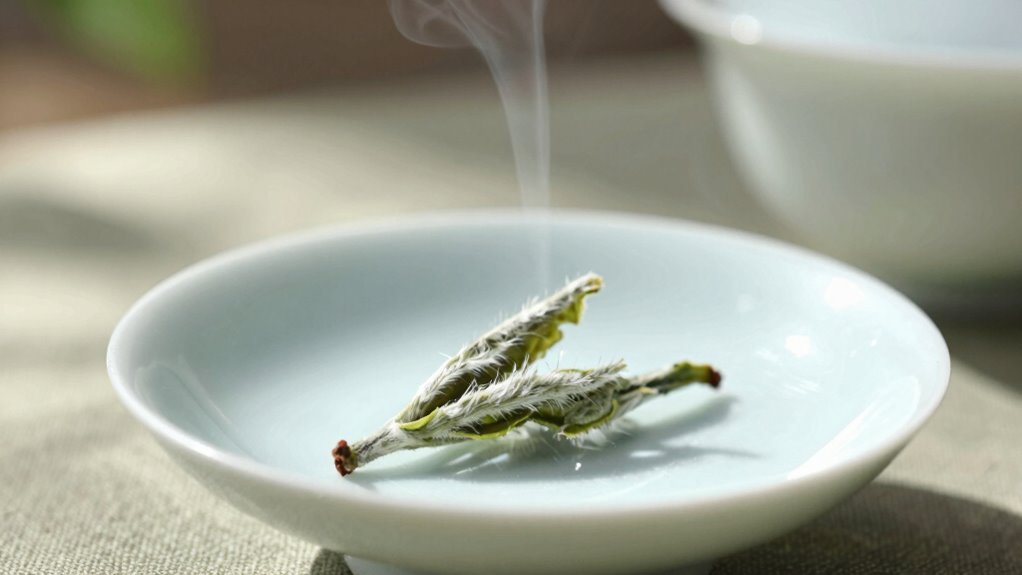
White tea often appears straightforward—just delicate leaves and a subtle flavor—but beneath its simplicity lies a nuanced craft. When you look at white tea, you might think it’s easy to produce, but the reality of tea cultivation reveals a delicate balance of timing, environment, and handling that influences the final product. The tiny, silvery buds and young leaves are carefully plucked at just the right moment, usually before they fully open, to preserve their tender qualities. Unlike other teas that undergo complex processing, white tea’s minimal processing highlights its natural characteristics, but that doesn’t mean it’s uncomplicated to grow. The climate, soil, and altitude all play vital roles in shaping the taste and quality of each batch. If even one factor is slightly off—say, a change in temperature or humidity—the flavor profile can shift, making each harvest a finely tuned balance of nature’s variables. Growing white tea requires an understanding of these subtle environmental factors that make each batch unique.
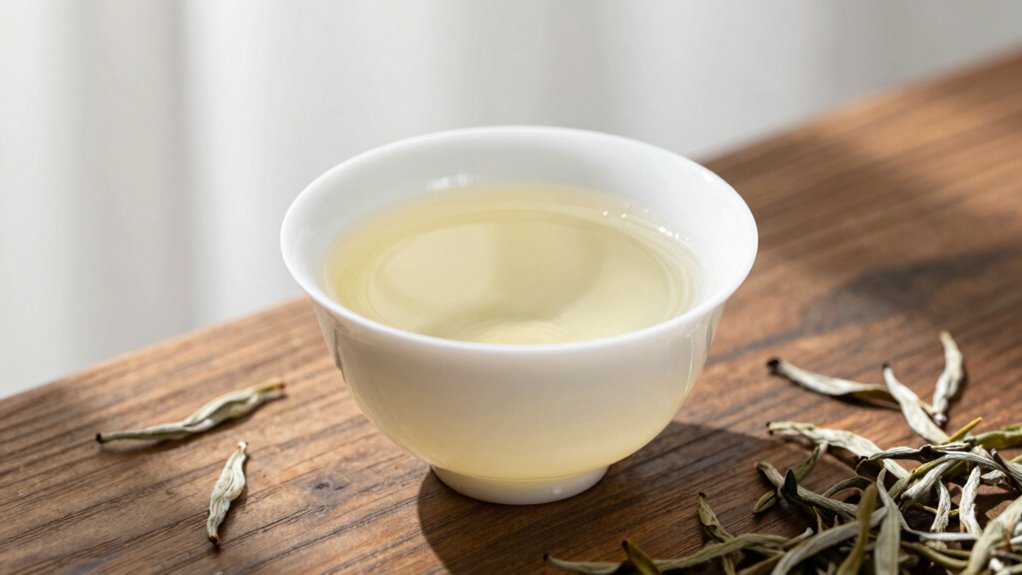
You may think that because white tea’s flavor profile is delicate and understated, it’s less complex than other teas, but that’s not entirely true. Its subtlety is a result of careful craftsmanship, where the goal is to preserve the pure essence of the leaves. The flavor profile of white tea often includes light, floral, and slightly sweet notes, with a smooth, mellow finish. These qualities come from the minimal oxidation and processing, which allows the natural oils and compounds within the leaves to shine through. However, achieving this balance requires a keen understanding of the tea plant’s biology and the environment. The slightest mistake during plucking or handling can lead to a different flavor outcome, making each batch a product of meticulous attention and expertise. Even the harvesting process is crucial, as timing and technique directly influence the final flavor, emphasizing the importance of skill in every step. Recognizing how environmental factors influence flavor underscores the complexity behind what appears to be a simple beverage. Additionally, the processing methods employed are carefully designed to enhance the tea’s delicate qualities without compromising its natural purity.
Moreover, the skill of the harvesters and processors plays a significant role in maintaining consistency and quality in white tea production. While white tea may seem straightforward, it demands a meticulous approach to ensure that each batch meets high standards. Its understated flavor can make you overlook the many steps involved in producing it at its highest quality. The subtlety is an art form that demands patience and precision, and understanding this depth can transform how you appreciate each sip. The next time you enjoy a cup of white tea, remember that behind its gentle, unassuming appearance lies a sophisticated process rooted in centuries of knowledge and dedication. It’s this harmony of nature and human skill that makes white tea far more intricate than it initially seems.
As an affiliate, we earn on qualifying purchases.
Frequently Asked Questions
How Does White Tea Differ From Green and Black Teas?
White tea differs from green and black teas mainly through its tea cultivation and harvesting techniques. White tea is minimally processed, often just plucked and dried, preserving delicate flavors. Green tea undergoes steaming or pan-firing, while black tea is fully oxidized. These methods influence taste and appearance, making white tea seem simpler, but its subtlety results from careful harvesting and gentle processing, requiring skill and attention to detail.
What Are the Health Benefits of White Tea?
Did you know white tea contains more antioxidants than green tea? Its gentle processing preserves high levels of polyphenols, which boost your immune system and fight free radicals. Tea cultivation for white tea varieties involves careful plucking and minimal oxidation, making it a potent health ally. Regular consumption may improve skin health, reduce inflammation, and support cardiovascular health, all while offering a delicate, soothing flavor that feels simple yet is truly powerful.
Can White Tea Be Brewed at Different Temperatures?
Yes, you can brew white tea at different temperatures. Using temperature techniques, you typically steep white tea between 160°F to 185°F, but experimenting with higher or lower temps can highlight different flavor profiles. Brewing variations involve adjusting the temperature based on your taste preferences and the specific type of white tea. Keep in mind, lower temperatures tend to produce a delicate, subtle flavor, while higher temps can enhance richness.
Is White Tea Suitable for All Types of Skin?
Did you know that white tea contains antioxidants that benefit most skin types? White tea is generally suitable for all skin types, including sensitive and oily skin, because it’s gentle and non-irritating. Its natural properties help soothe inflammation and protect against environmental damage. However, individual reactions vary, so it’s wise to test a small patch first. Overall, white tea’s skincare suitability makes it a versatile choice for many.
How Long Can White Tea Be Stored Without Losing Quality?
You can store white tea for up to a year if you follow proper storage techniques. Tea aging is minimal if kept in airtight containers away from light, heat, and moisture. To maintain its quality, avoid exposing it to air or fluctuating temperatures. Proper storage techniques guarantee your white tea stays fresh and flavorful, so you can enjoy its delicate taste well beyond the initial purchase.
Conclusion
White tea might seem straightforward, like a gentle breeze on a quiet day, but beneath its simplicity lies a delicate complexity waiting to be explored. Don’t let its calm exterior fool you—each sip reveals layers of flavor and history. Embrace the subtlety and take your time to appreciate it fully. Like peeling back petals of a blooming flower, uncovering white tea’s true essence can be a quietly rewarding journey, full of surprises waiting to be discovered.