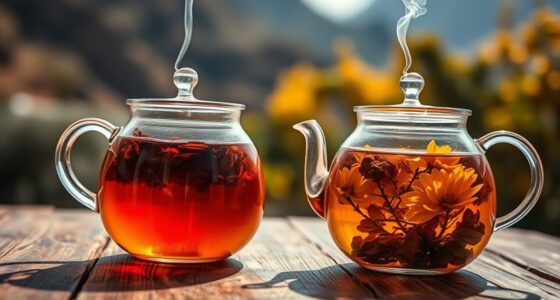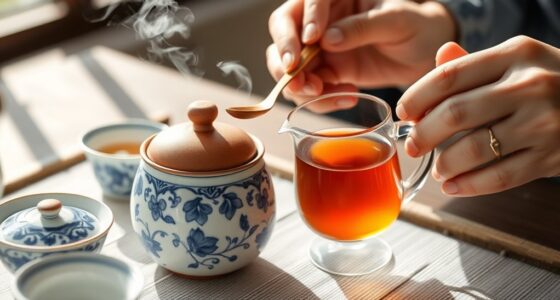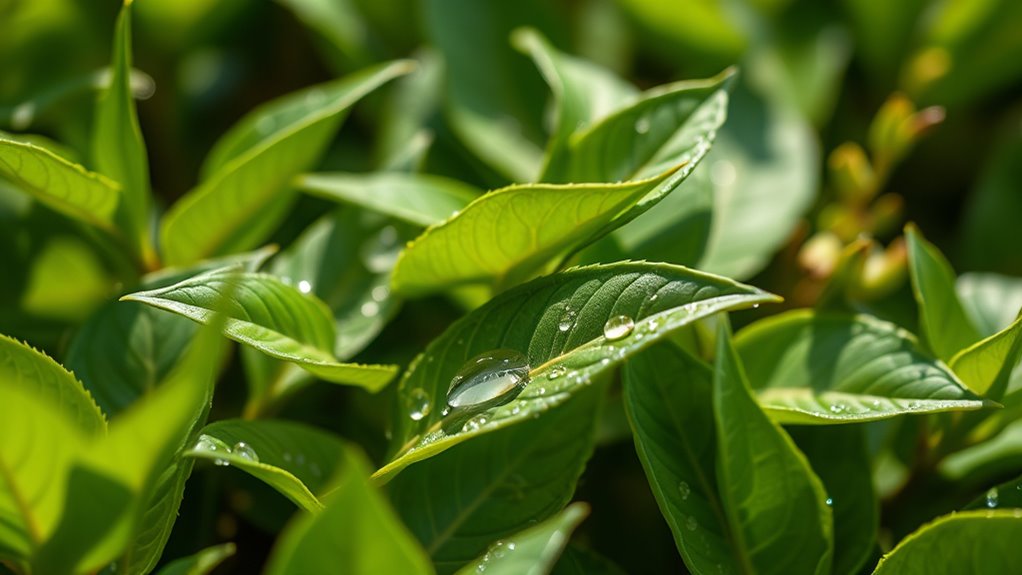

A tea is made from the leaves of the Camellia sinensis plant, an evergreen shrub cultivated worldwide. The way you harvest and process these leaves determines whether you get green, black, white, or oolong tea. Each method involves specific steps like withering, rolling, fermenting, and firing, which shape the tea’s flavor, aroma, and appearance. If you explore further, you’ll discover how each detail influences the final cup you enjoy.

Get coffee and tea gear delivered free — and shop member deals
- Fast, free delivery on millions of items
- Access to Prime Big Deal Days deals on October 6–7
- Prime Video, Amazon Music and more included
Key Takeaways
- Tea is derived from the Camellia sinensis plant, whose leaves and buds are processed to produce various types of tea.
- The specific processing method (oxidation, heating, drying) transforms Camellia sinensis leaves into green, black, white, or oolong tea.
- Harvesting techniques and timing influence flavor, aroma, and appearance, shaping the final tea product.
- Traditional craftsmanship and precise processing steps are essential to maintaining tea quality and character.
- Only leaves and buds from Camellia sinensis are considered true tea; other herbal infusions are not classified as tea.
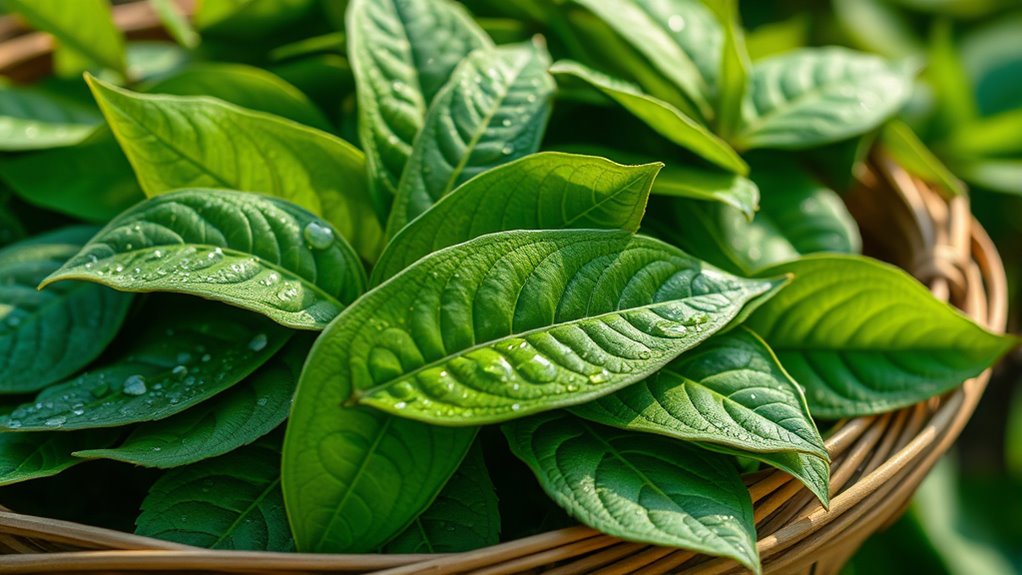
Have you ever wondered what makes tea so popular worldwide? The answer lies in the unique plant behind it all—Camellia sinensis. This evergreen shrub is the foundation of all traditional teas, from green to black, white, oolong, and beyond. But what truly sets a tea apart is how it’s harvested and processed. Your experience with tea begins right at the source, with the careful harvesting techniques that determine the quality and flavor of the final brew. Skilled pickers often pluck the newest, tender leaves and leaf buds by hand, especially for premium teas. The timing of the harvest is *vital*, as it influences the tea’s flavor profile. Some teas are made from the first flush—a term for the earliest harvest—while others come from later, more mature leaves. These choices directly impact the tea’s aroma, taste, and appearance.
Once the leaves are harvested, the real transformation begins through various tea processing methods. Each method involves a series of steps that shape the tea’s final characteristics. For example, green tea is minimally processed; after harvesting, the leaves are quickly heated—either by steaming or pan-firing—to prevent oxidation. This preserves the tea’s fresh, grassy flavor. In contrast, black tea undergoes full oxidation, where the leaves are rolled and exposed to air, turning them dark and developing deep, robust flavors. Oolong falls somewhere in between, with partial oxidation that creates complex, layered tastes. White tea, often made from young buds, is simply plucked and dried with minimal processing, resulting in delicate, subtle notes. Processing techniques also play a crucial role in determining the final flavor and aroma profiles of different teas.
The processing methods also include techniques like withering, rolling, fermenting, and firing, which all influence the final product’s texture, aroma, and taste. The choice of processing method is often dictated by the desired type of tea and regional traditions. For instance, some regions might emphasize traditional methods passed down through generations, while others innovate with modern techniques to enhance flavor or aroma. The entire process—from harvesting techniques to processing methods—requires skill, precision, and a deep understanding of the plant. When you brew your tea, you’re enjoying the culmination of these careful steps. It’s a delicate balance of nature and craftsmanship, making each cup a unique experience rooted in centuries of tradition.
Top picks for "camellia sinensi basic"
As an affiliate, we earn on qualifying purchases.
Frequently Asked Questions
Are All Teas Made From Camellia Sinensis?
No, not all teas are made from Camellia sinensis. While most traditional teas like green, black, oolong, and white come from this plant, herbal teas or tisanes don’t. In tea cultivation, different tea varietals and processing methods create diverse flavors. Herbal teas use herbs, fruits, or flowers instead of the camellia sinensis plant, offering a wide variety of options beyond traditional tea.
How Does Processing Affect Tea Flavor?
You might notice how processing influences tea flavor through oxidation levels, which develop during production. As you handle the leaves differently—stopping oxidation early for green teas or allowing full oxidation for black teas—you trigger unique flavor development. This coincidence in processing steps shapes the aroma, taste, and body of each tea, making every cup a reflection of its journey from leaf to brew.
Can Herbal Infusions Be Considered True Teas?
Herbal infusions aren’t considered true teas because they don’t come from Camellia sinensis, despite common herbal misconceptions. They’re technically called tisanes or herbal infusions since they’re made by steeping herbs, flowers, or fruits. Unlike tea, which involves fermentation or oxidation processes, herbal infusions don’t. So, while they offer flavorful drinks, they aren’t classified as true teas, which are specific to Camellia sinensis leaves.
What Are the Health Benefits of Camellia Sinensis?
Think of Camellia sinensis as a health treasure chest. It packs antioxidant properties that fight free radicals, boosting your immune system. Its caffeine content provides a gentle energy lift, sharpening focus and alertness. Regularly drinking tea from this plant can also support heart health and aid in weight management. So, sip mindfully, knowing you’re nourishing your body with a natural boost of wellness and vigor.
How Is Green Tea Different From White Tea?
Green tea and white tea differ mainly in tea leaf differences and processing methods. You’ll notice that white tea uses younger leaves and buds, which are minimally processed, preserving delicate flavors and antioxidants. In contrast, green tea undergoes a gentle steaming or pan-firing process that prevents oxidation. This difference in processing methods results in distinct flavors, aromas, and health benefits, making each tea unique in its own right.
Conclusion
Now that you understand the roots of true tea, you hold a key to a world of flavor waiting to be explored. Think of Camellia sinensis as a treasure chest, each leaf a shimmering gem shaped by time and tradition. When you sip, you’re tasting centuries of craftsmanship, a delicate dance between nature and nurture. So, let each cup be a journey—a story unfolding with every warm sip, inviting you into the rich, timeless tapestry of real tea.
Halloween Picks
halloween
As an affiliate, we earn on qualifying purchases.